

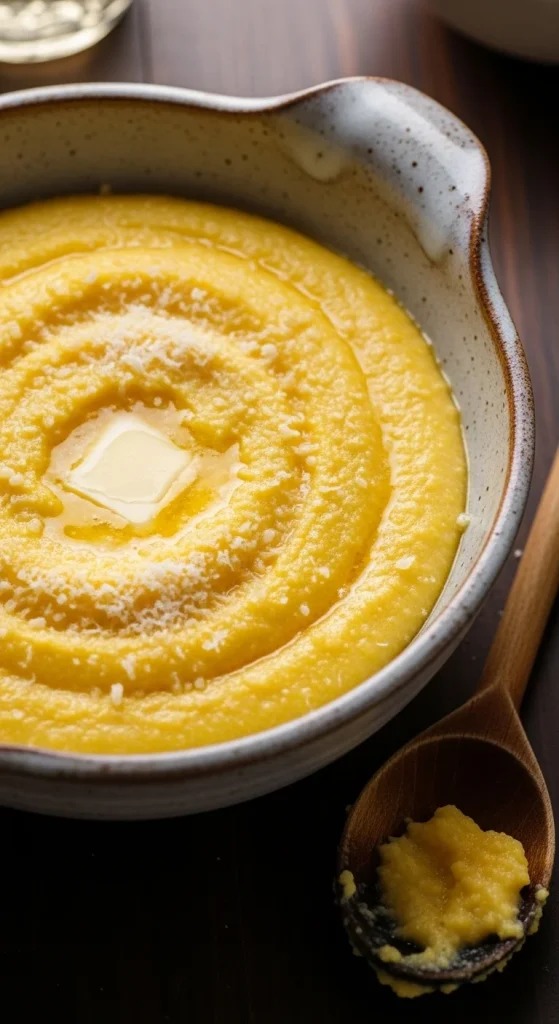
Polenta — that golden, velvety comfort food — has a bad reputation for being tricky. If you’ve ever ended up with clumpy, uneven polenta instead of a smooth, creamy dream, don’t worry — you’re not alone. The secret to perfect polenta lies in patience, technique, and just a few simple tricks. Once you master it, you’ll have a side dish (or main course!) that’s pure, spoonable bliss.
Step 1: Choose the Right Polenta
Before you even touch a pot, it’s important to know that not all cornmeal is created equal.
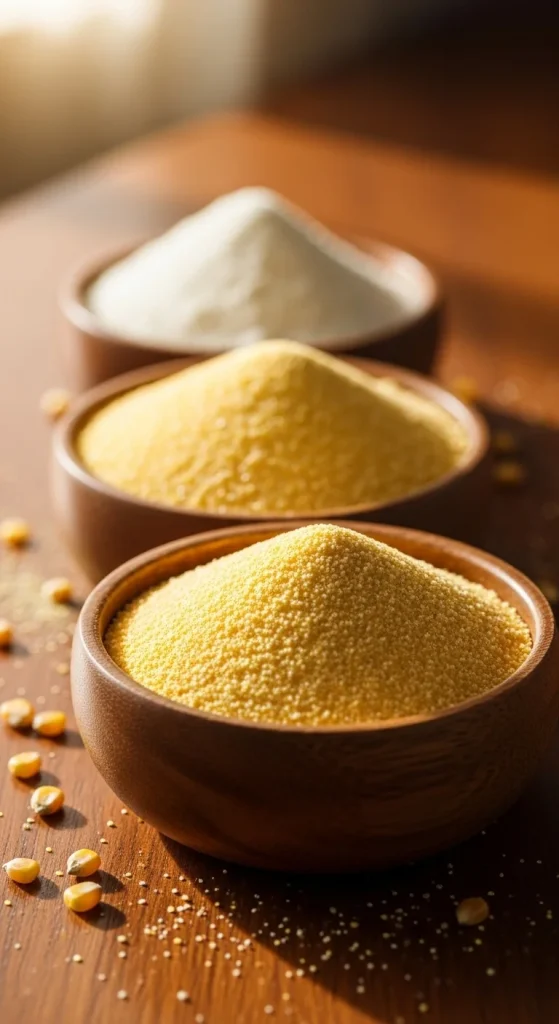
Types of polenta:
- Coarse-ground cornmeal: Best for creamy, hearty texture.
- Fine-ground cornmeal: Cooks faster but can get mushy if overcooked.
- Instant polenta: Great for quick meals but lacks the depth of flavor of slow-cooked versions.
For this method, go with coarse or medium-ground yellow cornmeal — it gives the richest, most comforting texture.
Pro tip: Check the label — look for “stone-ground” or “whole-grain” for the most flavor.
Step 2: Get the Perfect Ratio
One of the biggest mistakes home cooks make is using too little liquid. Polenta needs plenty of water (or broth) to stay creamy.
The magic ratio:
- 1 cup polenta
- 4 cups water (for firmer polenta)
- 5–6 cups water or broth (for creamier, softer polenta)
For extra flavor, replace part of the water with milk or vegetable/chicken stock.
Pro tip: Always start with cold liquid — this prevents lumps before they start forming.
Step 3: Stirring — The Real Secret to Lump-Free Polenta
This is where most people go wrong. Dumping all the cornmeal at once into boiling water guarantees clumps. Instead, sprinkle it slowly while whisking constantly.
Here’s how to do it right:
- Bring your water or broth to a gentle boil.
- Reduce the heat to low — the water should barely bubble.
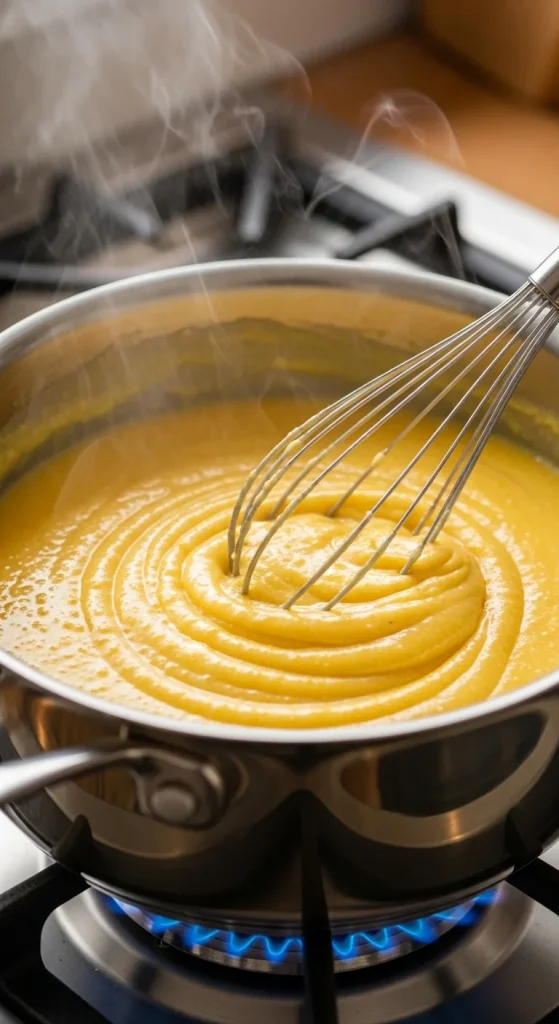
- Slowly rain in the polenta with one hand while whisking vigorously with the other.
- Once all the cornmeal is in, keep whisking for 2–3 minutes until the mixture thickens slightly.
Switch to a wooden spoon once it starts to thicken and stir every few minutes as it cooks.
Pro tip: A continuous stir for the first few minutes is key — it ensures every grain absorbs liquid evenly, keeping things silky smooth.
Step 4: Let It Cook Slowly
Polenta is not a rush job — this is slow food at its best.
Cooking times:
- Regular polenta: 30–40 minutes
- Instant polenta: 5–10 minutes
Keep it over low heat, stirring every 5 minutes to prevent sticking or burning at the bottom. You’ll know it’s ready when:
- It pulls away from the sides of the pot.
- It feels smooth, not gritty, when you taste it.
If it thickens too much, just whisk in a little hot water or milk to loosen it back up.
Pro tip: Cover the pot between stirs to trap steam and prevent it from drying out.
Step 5: Make It Rich & Irresistible
Once your polenta is smooth and creamy, it’s time for the fun part — flavor!
Stir in your favorites:
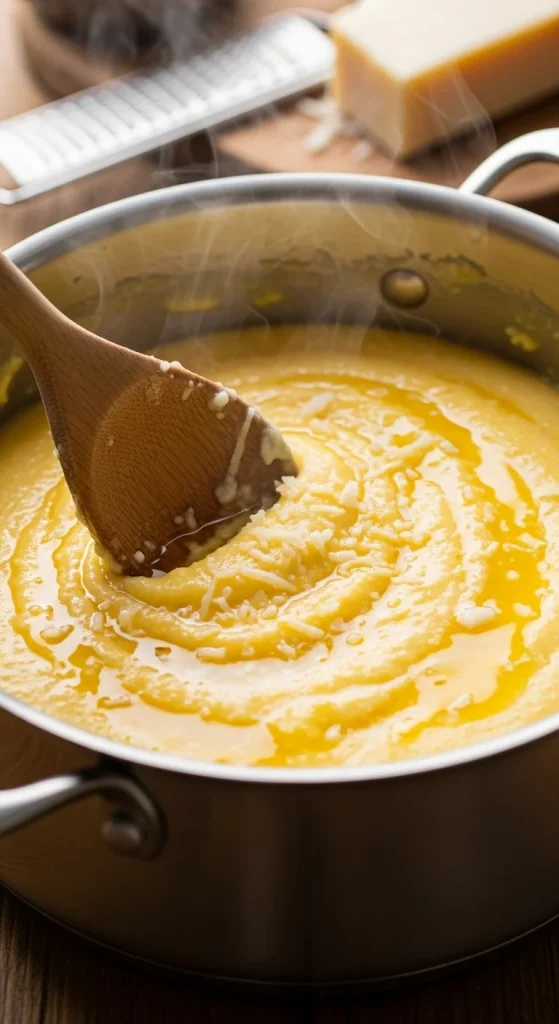
- Butter: For velvety richness.
- Parmesan or pecorino: Adds depth and a salty bite.
- Cream or mascarpone: For extra-luxurious texture.
- Herbs or garlic: To elevate flavor.
A simple base could be 2 tablespoons butter and ½ cup grated parmesan stirred in at the end — pure perfection.
Pro tip: Always season after cooking — salt too early can make the cornmeal tough.
Step 6: Serve It Your Way
Polenta is wonderfully versatile — it’s as good creamy and soft as it is firm and sliceable the next day.
Serve it soft and warm with:
- Braised meats or roasted vegetables
- Mushrooms sautéed with garlic and thyme
- A drizzle of olive oil and cracked pepper
Or let it cool and firm up for:
- Grilled or baked polenta squares
- A crispy base for appetizers or brunch
To store leftovers, pour polenta into a greased dish, cover, and chill. When ready, slice and pan-fry until golden.

Bonus: Quick Fixes for Lumpy Polenta
Even if lumps sneak in, don’t panic — here’s how to save it:
- Whisk hard: While it’s still hot, whisk vigorously to break up small clumps.
- Blend it: Use an immersion blender to smooth it out.
- Add liquid: A bit of warm water or milk can loosen and smooth texture again.
The Final Spoonful
Perfect polenta is all about rhythm — slow pouring, gentle stirring, and low heat. The result? A silky, comforting dish that can stand alone or accompany anything from roasted veggies to short ribs.
Once you master it, you’ll wonder how you ever settled for lumpy or bland.
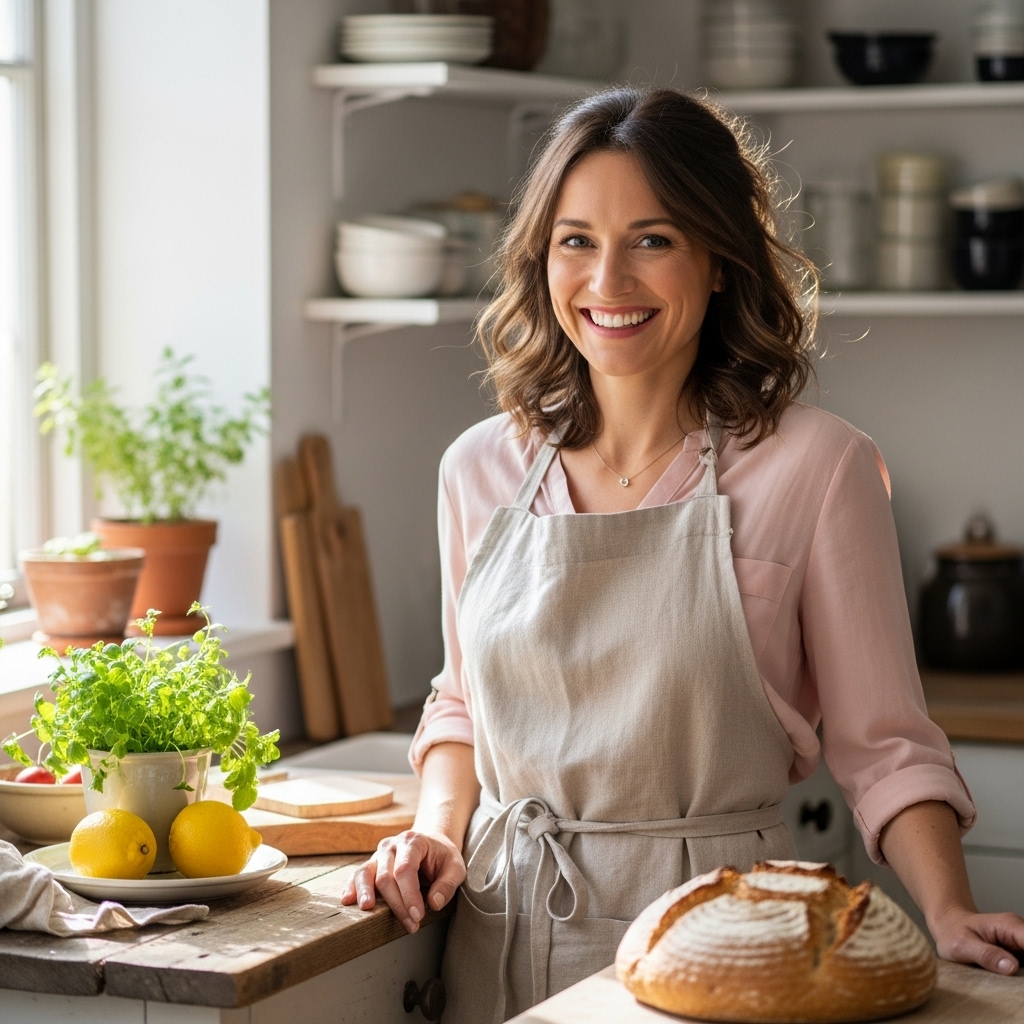
Hannah Collins is a passionate home cook and food storyteller who believes every recipe tells a little love story. At TastyWriter, she shares simple, delicious recipes made for real kitchens and busy days — from cozy comfort dishes to creative new favorites. When she’s not cooking, you’ll find her photographing food, testing family recipes, or sipping tea while dreaming up her next tasty idea.
Leave a Reply