

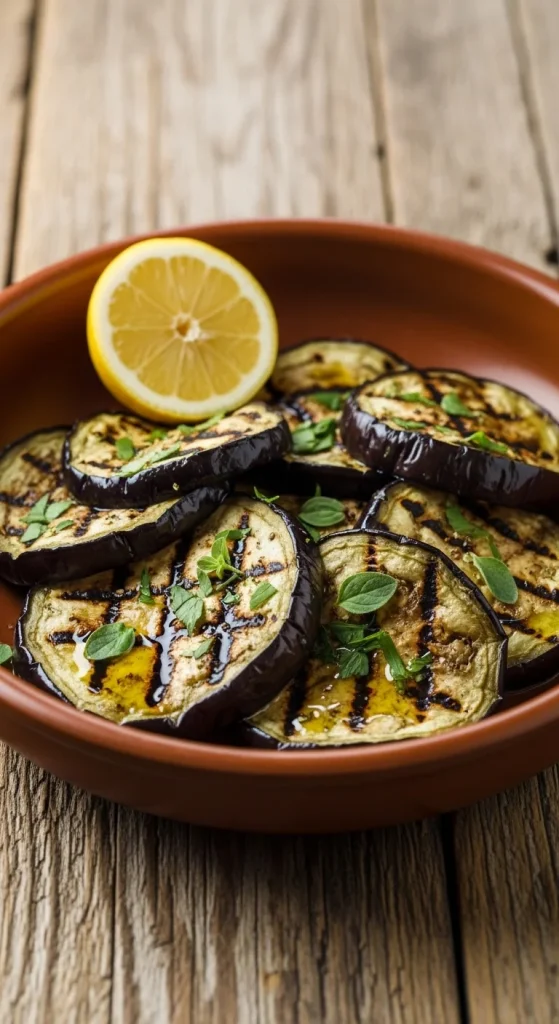
Eggplant (or aubergine, if you’re feeling fancy) can be a culinary superstar — but only if you treat it right. When cooked well, it becomes silky, smoky, and full of flavor. When cooked poorly? It turns mushy, bitter, or greasy. Don’t worry — mastering eggplant is easier than it looks. Once you learn the right techniques, you’ll turn this humble veggie into restaurant-worthy dishes every time.
Why Eggplant Deserves More Love
Eggplant is like a sponge — it absorbs whatever flavors you give it. That’s what makes it such a versatile ingredient for curries, stir-fries, dips, and even pasta dishes. The trick is knowing how to prepare it so it stays tender, not soggy, and develops that deep, caramelized flavor we all crave.
Step 1: Pick the Right Eggplant
Not all eggplants are created equal! The type you choose can make or break your dish.
- Globe eggplant: The large, dark-purple variety found in most stores. Great for grilling or roasting.
- Japanese or Chinese eggplant: Long and slender with thin skin — cooks quickly and has a milder flavor.
- Baby eggplant: Perfect for roasting whole or stuffing.
Choose eggplants that are:
- Smooth and shiny (no wrinkles or soft spots).
- Firm but slightly springy when pressed.
- Light for their size (a sign of fewer seeds).
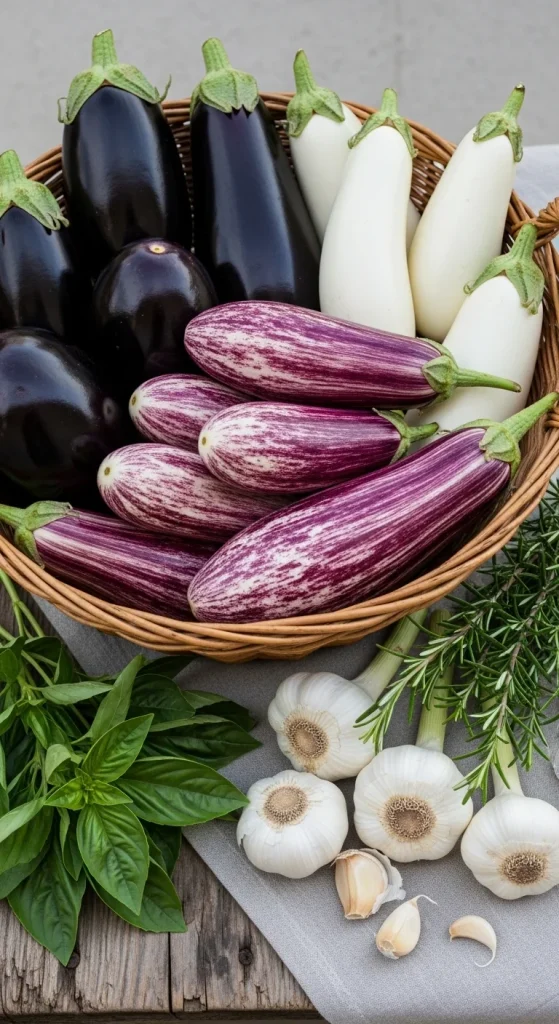
Pro Tip: Smaller eggplants tend to be less bitter and have a creamier texture once cooked.
Step 2: The Prepping Trick — Salt It!
If you’ve ever had bitter or watery eggplant, this step is your game-changer. Salting helps draw out excess moisture and reduces any bitterness.
Here’s how:
- Slice or cube your eggplant.
- Sprinkle generously with salt on both sides.
- Let it sit for 20–30 minutes.
- Pat dry with paper towels.
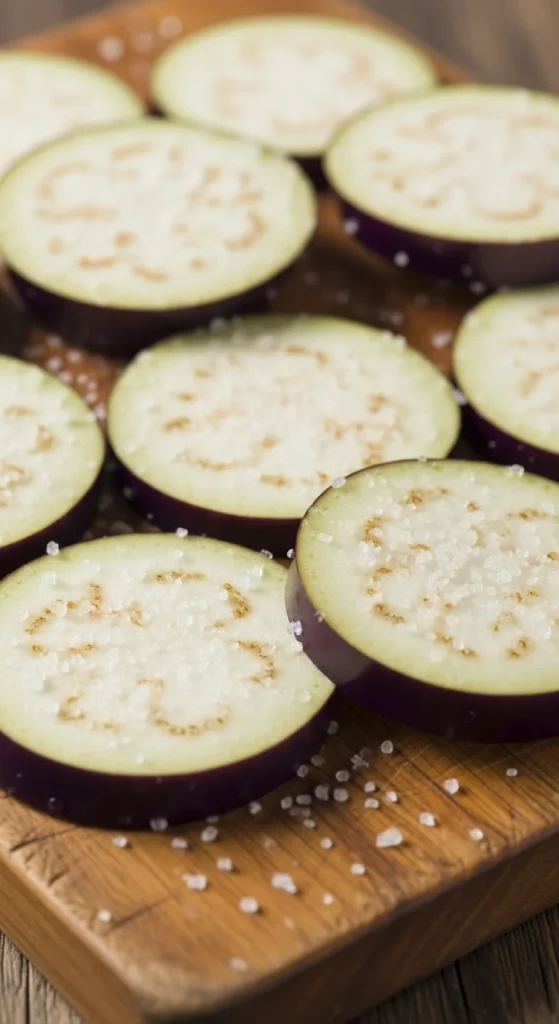
Not only does this step remove bitterness, but it also prevents the eggplant from soaking up too much oil when cooking.
Step 3: Choose Your Cooking Method
Eggplant is incredibly versatile — it can be grilled, roasted, sautéed, or even air-fried. Each method brings out a different texture and flavor.
1. Grilling (For That Smoky Goodness)
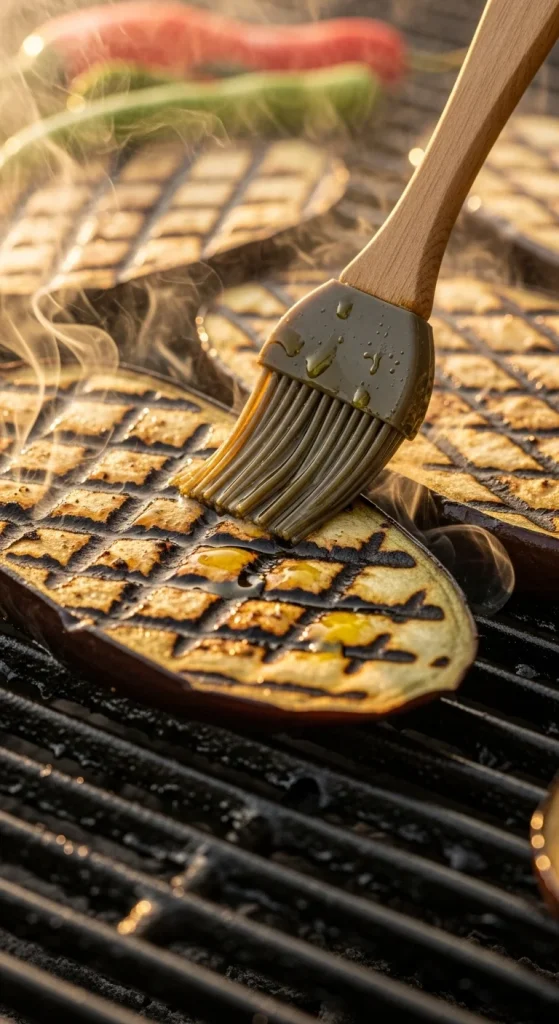
Brush slices with olive oil, sprinkle salt and pepper, and grill for 3–4 minutes per side until tender and charred.
- Perfect for sandwiches, salads, or topping flatbreads.
2. Roasting (For Deep, Sweet Flavor)
Toss cubes or slices with olive oil, garlic, and herbs. Roast at 425°F (220°C) for 25–30 minutes, flipping halfway.
- Ideal for pasta, grain bowls, or Mediterranean platters.
3. Pan-Searing (For Quick & Crisp)
Cook eggplant slices in a hot nonstick pan with a drizzle of oil for 2–3 minutes per side. Add a splash of soy sauce or balsamic vinegar for flavor.
- Great for stir-fries or as a side dish.
4. Broiling (For a Quick Char)
Brush with olive oil and broil for 5–7 minutes per side until golden brown.
- Fantastic for dishes like baba ganoush or moussaka.
Pro Tip: Always use medium-high heat — low heat makes eggplant soggy, not smoky.
Step 4: Add Flavor — Eggplant Loves Bold Seasoning
Eggplant has a neutral base, so don’t be shy with spices and sauces. Here are some combinations that always work:
- Mediterranean: Olive oil, garlic, oregano, thyme, and lemon.
- Asian: Soy sauce, sesame oil, ginger, and chili flakes.
- Indian: Turmeric, cumin, coriander, and garam masala.
- Italian: Tomato sauce, basil, and parmesan (or vegan cheese).
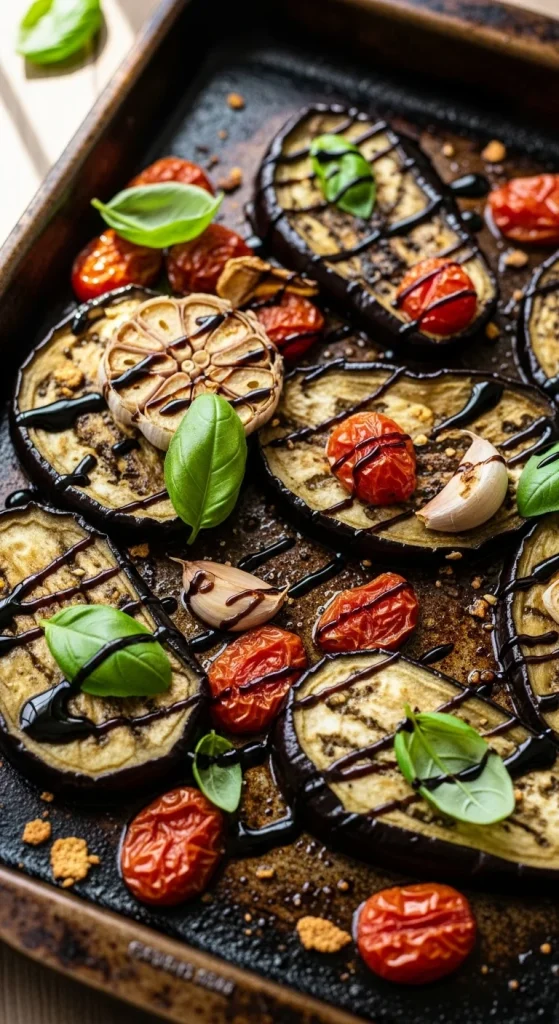
Eggplant’s texture absorbs seasoning beautifully — think of it as a blank canvas for your favorite cuisine.
Step 5: Avoid the Grease Trap
Eggplant acts like a sponge for oil. If you pour too much, you’ll end up with oily, heavy slices. To keep it light:
- Brush oil lightly instead of pouring it directly.
- Use parchment paper when roasting to prevent sticking.
- Try baking or air-frying for crispiness without excess oil.
Pro Tip: A quick soak in salted water (for 10 minutes) before frying can also reduce oil absorption.
Step 6: Try These Simple, Flavorful Recipes
Once you master the basics, try these quick combos:
- Smoky Roasted Eggplant Dip: Blend roasted eggplant with tahini, garlic, lemon, and olive oil.
- Eggplant Caprese: Layer grilled eggplant with mozzarella, tomatoes, and basil.
- Spicy Stir-Fried Eggplant: Toss with soy sauce, chili paste, and sesame oil.
- Stuffed Baby Eggplants: Fill with quinoa, herbs, and tomato sauce, then bake until tender.
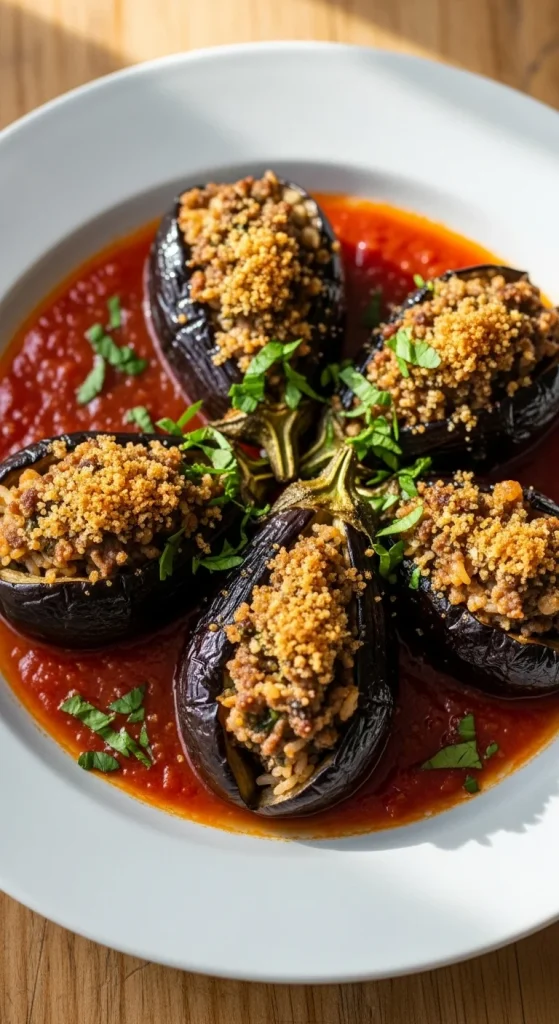
Each recipe highlights eggplant’s versatility — from creamy dips to hearty mains.
Final Thoughts
Cooking eggplant like a pro is all about balance: high heat for texture, salt for prep, and bold flavors for personality. Once you master those three steps, you’ll never look at this misunderstood veggie the same way again.
So grab a few shiny eggplants next time you’re at the market and give these methods a try. You’ll be surprised how smoky, tender, and utterly delicious it can be.
Save this recipe for later — your future dinners will thank you!

Hannah Collins is a passionate home cook and food storyteller who believes every recipe tells a little love story. At TastyWriter, she shares simple, delicious recipes made for real kitchens and busy days — from cozy comfort dishes to creative new favorites. When she’s not cooking, you’ll find her photographing food, testing family recipes, or sipping tea while dreaming up her next tasty idea.
Leave a Reply