

There’s something magical about a winter stew—the way it fills your home with warmth, how the flavours deepen with every hour, and how a single bowl can make even the coldest day feel softer. Winter stews aren’t just meals—they’re comfort you can eat slowly, with a spoon, under a blanket.
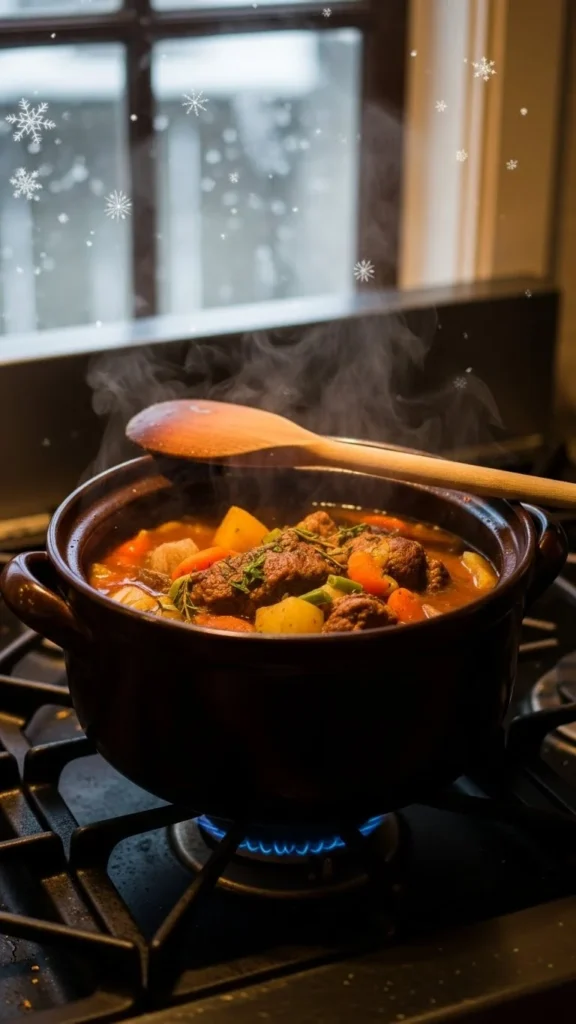
If you want to master the kind of stew that tastes like it’s been cooking all day, even when it hasn’t, this guide will walk you through each step.
Start With Slow-Building Flavour
Stews begin with flavour at the bottom of the pot. This step is small but powerful—and it changes everything.
Begin with aromatics:
- Onions
- Garlic
- Celery
- Carrots
Cook them low and slow until soft and fragrant. This creates the foundation that every delicious stew needs.
Then, add your spices. Winter stews especially love:
- Paprika
- Thyme
- Rosemary
- Bay leaves
- Black pepper
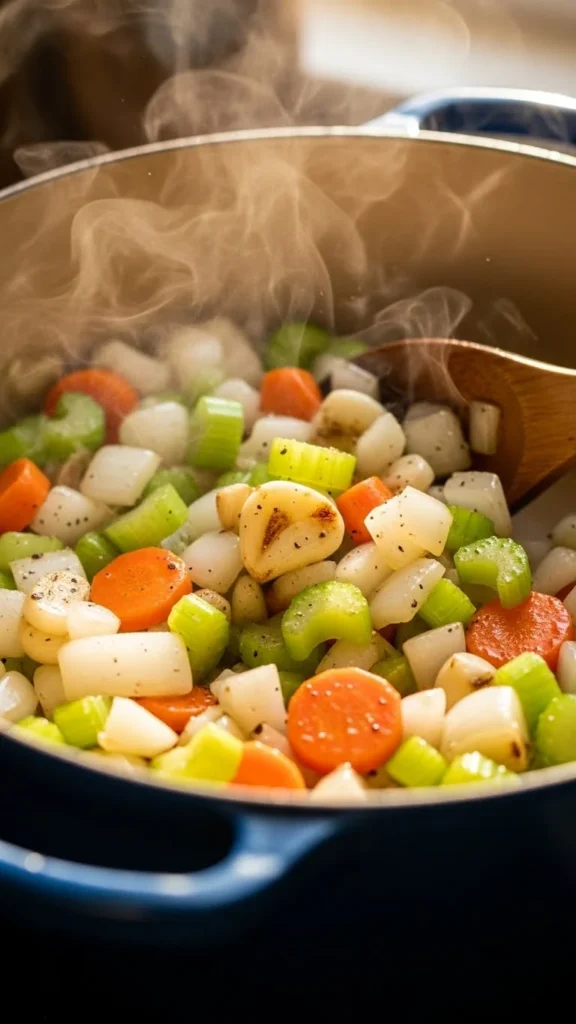
This base sets up the rich, deep flavour that defines a great stew.
Brown Your Meat for Depth
If your stew includes meat, browning it first is key. This step builds caramelisation and adds a deep, savoury flavour you can’t get any other way.
Use:
- Beef chuck
- Pork shoulder
- Chicken thighs
- Lamb pieces
Sear the meat until each side develops a dark crust. Don’t rush it—this is where the magic begins.
Pro tip: Brown the meat in small batches to avoid steaming instead of searing.
Choose Hearty Vegetables That Shine in Long Cooking
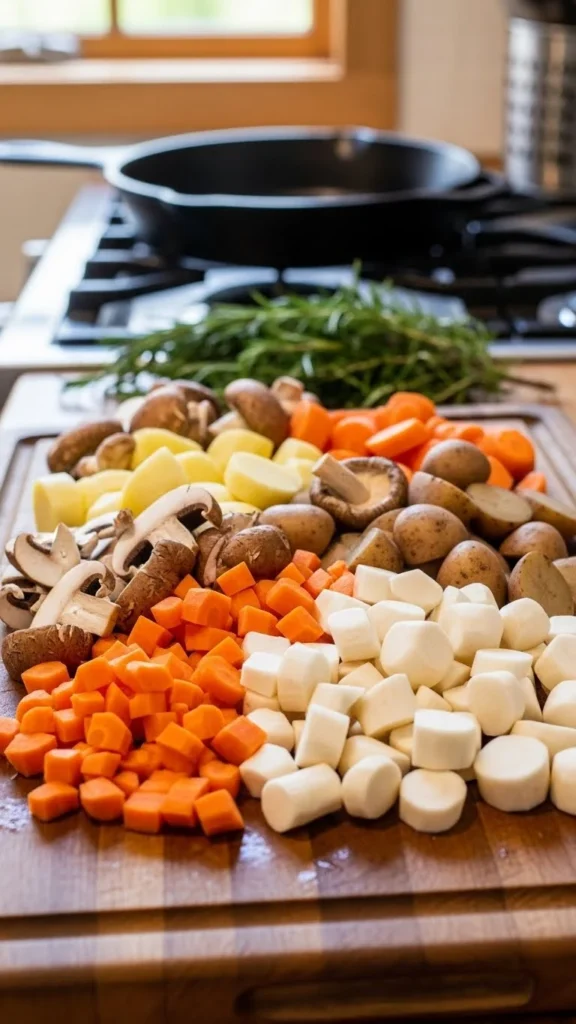
Winter stews are all about vegetables that hold their shape and absorb flavour while simmering for long periods.
Best veggies for winter stews:
- Potatoes
- Sweet potatoes
- Carrots
- Parsnips
- Green beans
- Mushrooms
- Turnips
These vegetables become tender but never mushy, and they soak up broth beautifully.
Add Liquid That Turns Into a Rich, Comforting Broth
The right liquid transforms your stew from simple ingredients into a slow-cooked masterpiece.
Good options include:
- Beef broth
- Chicken broth
- Vegetable stock
- Tomato puree
- Red wine
- Coconut milk (for creamy variations)
Fill the pot until everything is just covered. Then let it simmer gently.
You don’t want a rolling boil—that can make meat tough. Slow bubbling is perfect.
Let Time Do the Work
Stews love time. The longer they cook, the better they taste.
Simmer for at least:
- 1–2 hours for chicken
- 2–3 hours for beef
- 2–4 hours for lamb or pork
As the stew cooks:
- Meat becomes tender
- Vegetables soften
- Flavours blend naturally
- Broth thickens on its own
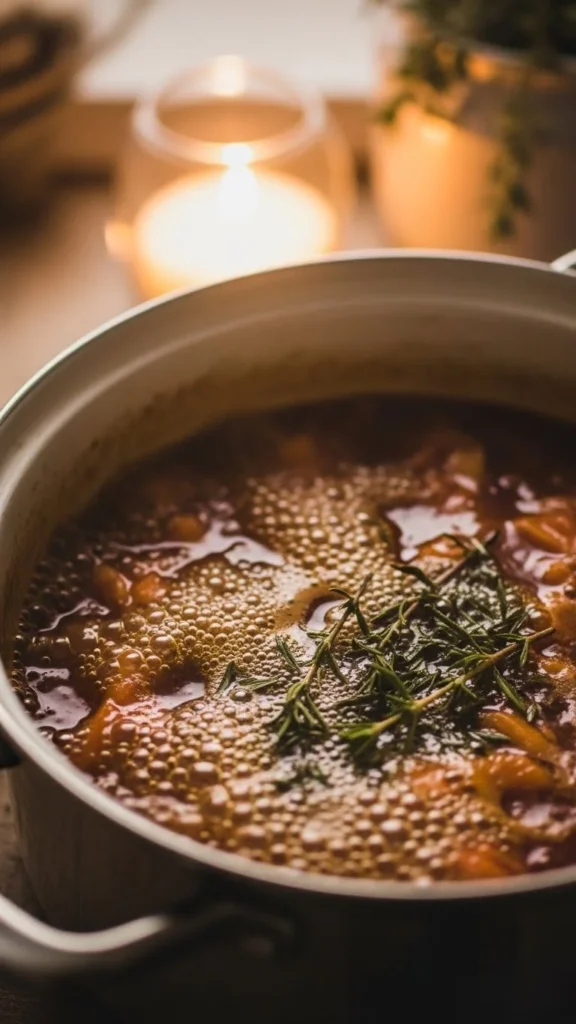
If you want an even thicker stew, remove the lid for the last 20–30 minutes.
Thicken the Stew Without Complicated Steps
A hearty winter stew should feel rich and silky. You can thicken your broth with simple tricks:
- Mash a few cooked potatoes into the stew
- Mix a tablespoon of flour with broth and stir it in
- Add cornstarch mixed with cold water
- Blend a small scoop of stew and pour it back
Each method keeps the flavour intact while giving you that comforting, spoon-coating texture.
Finish With Freshness and Texture
The final touches make a world of difference. Even a heavy stew needs a bit of brightness to balance the richness.
Try garnishing with:
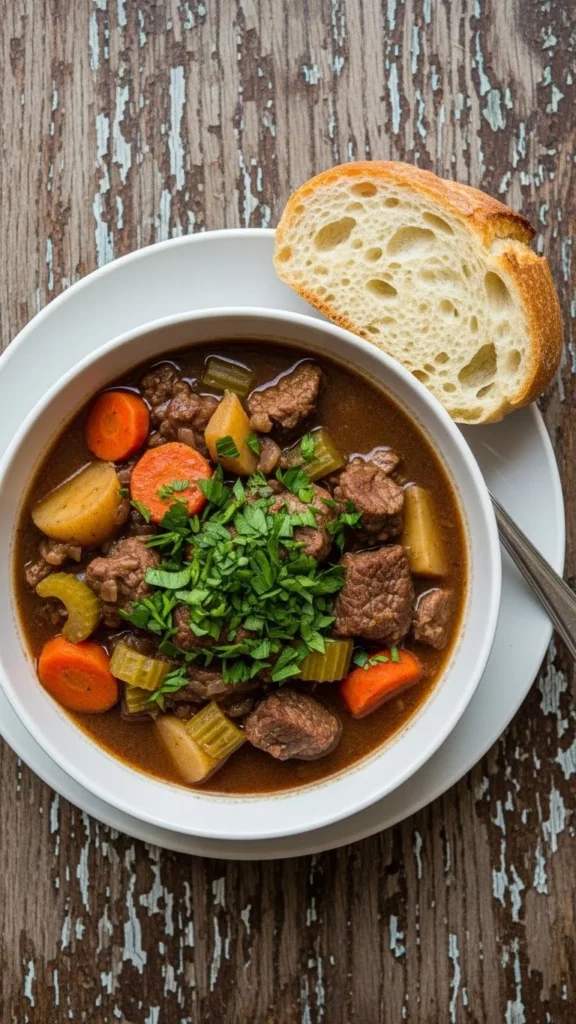
- Fresh parsley
- Lemon zest
- Crusty bread on the side
- A sprinkle of black pepper
- A drizzle of olive oil
These small additions elevate your dish and make it feel restaurant-worthy.
Make Stews Ahead for Even Better Flavour
Winter stews taste better the next day because the flavours have more time to blend.
Store like this:
- Refrigerate for up to 4 days
- Freeze for up to 3 months
When reheating:
- Warm slowly on the stove
- Add extra broth if it has thickened too much
This makes meal prep easy and keeps your winter evenings delicious.
Final Takeaway
Winter stews are the ultimate comfort food—slow-cooked, hearty, rich, and perfect for chilly days. With simple ingredients, patient simmering, and a few flavour-boosting techniques, you can make stews that feel like a warm hug in every bowl.

Hannah Collins is a passionate home cook and food storyteller who believes every recipe tells a little love story. At TastyWriter, she shares simple, delicious recipes made for real kitchens and busy days — from cozy comfort dishes to creative new favorites. When she’s not cooking, you’ll find her photographing food, testing family recipes, or sipping tea while dreaming up her next tasty idea.
Leave a Reply