

Winter casseroles are the heroes of cold-weather cooking. They’re comforting, filling, budget-friendly, and perfect for feeding a crowd without stress. Whether you’re hosting family, preparing a weeknight dinner, or stocking your freezer, casseroles bring together simple ingredients and transform them into warm, bubbling goodness.
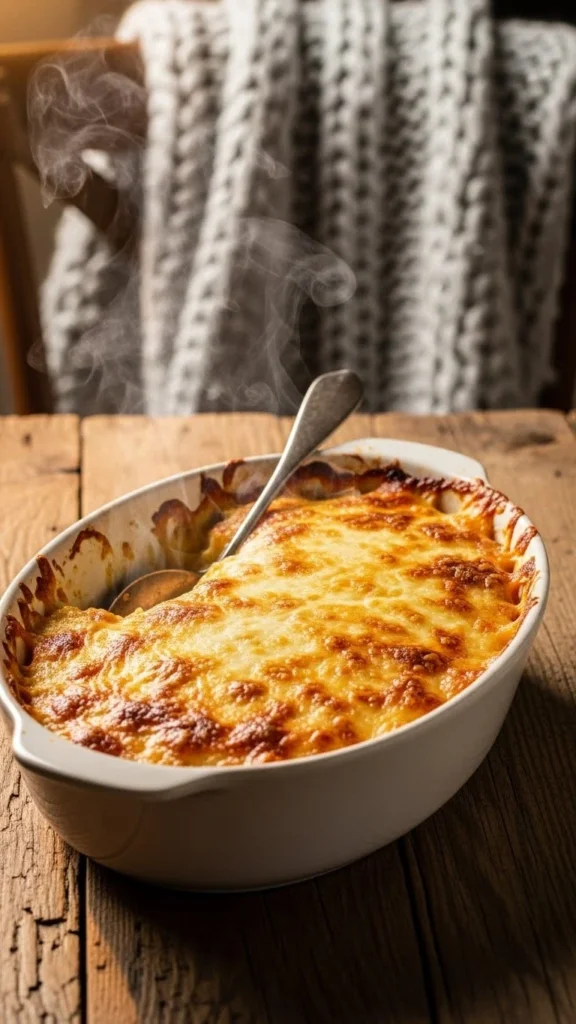
If you want to master winter casseroles that taste homemade and effortlessly satisfy everyone at your table, here’s a simple guide.
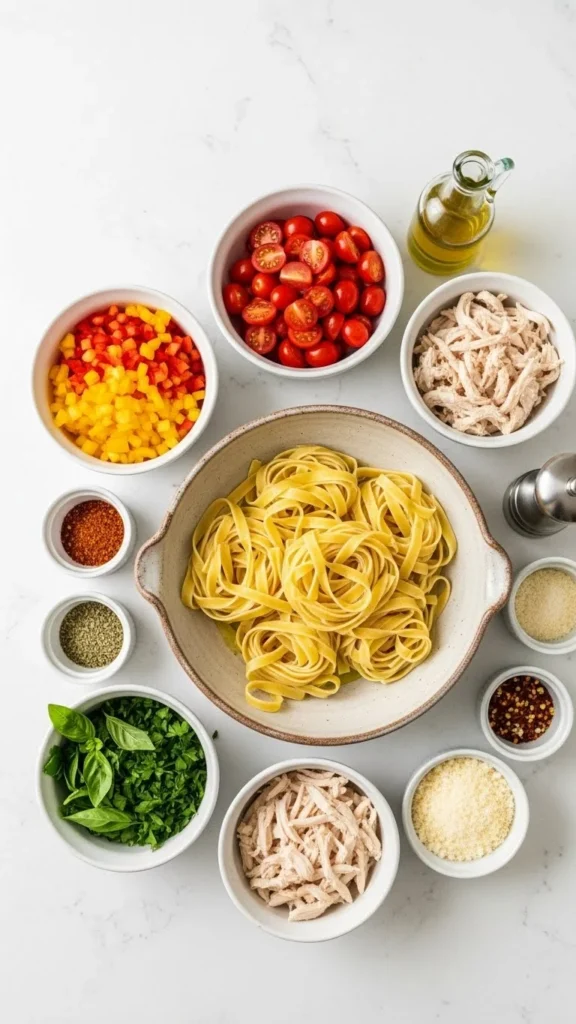
Start With a Delicious Base
Every great casserole begins with a strong foundation. The base gives your dish its texture and feels hearty enough for winter meals.
Common casserole bases include:
- Cooked pasta (penne, rotini, elbows)
- Rice or quinoa
- Potatoes or sweet potatoes
- Mixed vegetables
- Ground meat or shredded chicken
Choose a base that feels cozy and filling. Pasta brings creaminess, rice offers structure, and potatoes add that classic winter comfort.
Add a Rich Sauce to Bring Everything Together
The sauce is what turns a simple ingredient list into a casserole. It binds the dish, adds flavour, and creates that signature creamy texture.
You can use:
- A homemade white sauce
- Cream of mushroom or chicken soup
- Tomato-based sauces
- Cheese sauce
- Broth thickened with flour or cornstarch
Quick tip: Add spices like garlic powder, paprika, nutmeg, thyme, or oregano for deeper flavour. A little seasoning goes a long way in casseroles.
Layer in Seasonal Winter Ingredients
Winter casseroles shine when they include hearty, seasonal ingredients that bake beautifully.
Perfect additions include:
- Carrots
- Mushrooms
- Kale or spinach
- Broccoli
- Butternut squash
- Peas
- Sausage or ground turkey
These ingredients add both colour and nutrition, making your casserole more balanced and satisfying.
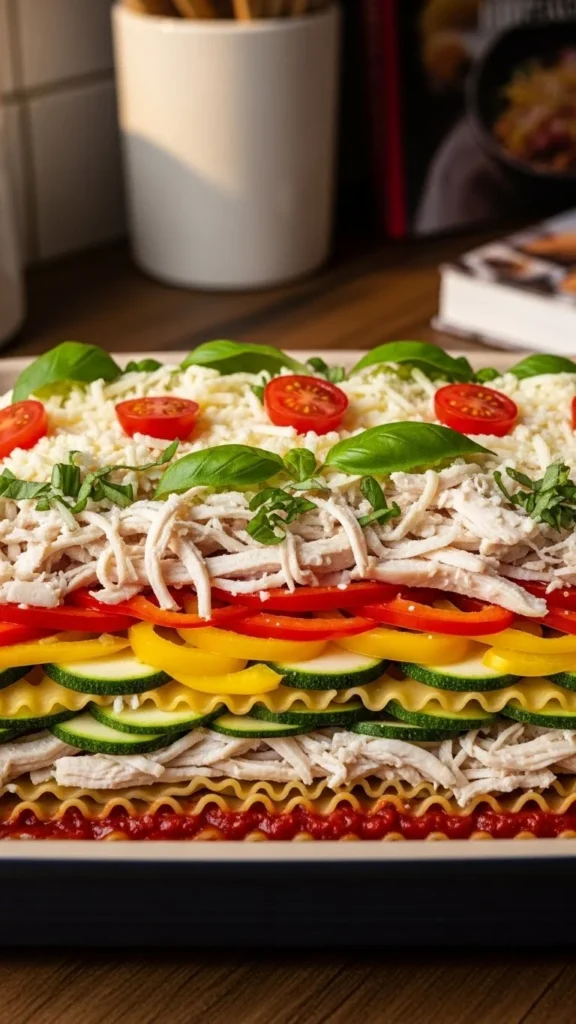
Top It With Something Crunchy and Irresistible
No casserole is complete without a delicious topping. It adds texture, keeps the dish exciting, and makes every bite better.
Popular toppings:
- Shredded cheese
- Buttered breadcrumbs
- Crushed crackers
- Parmesan and herbs
- Crispy onions
For winter casseroles, cheese is almost always a good idea. Let it melt, bubble, and turn golden—it’s what gives casseroles their signature cozy feel.
Bake Slowly for the Best Flavor
Casseroles taste best when everything cooks together slowly. This allows the sauce to thicken, flavours to blend, and toppings to crisp up perfectly.
Optimal baking tips:
- Bake at 350°F (175°C) for 30–45 minutes
- Cover with foil for the first half if you want a juicier texture
- Uncover near the end to brown the top
- Let it rest 5–10 minutes before serving
Resting helps the casserole set, making it easier to slice and serve.

Make It Ahead for Stress-Free Cooking
One of the best things about casseroles is how well they store. They’re perfect for meal prepping or preparing ahead for gatherings.
Here’s how to make casseroles ahead:
- Assemble the full dish without baking
- Cover tightly with foil or store in an airtight container
- Refrigerate for up to 2 days
- Freeze for up to 3 months
When you’re ready to cook, simply bake until heated through. Frozen casseroles may need extra time.
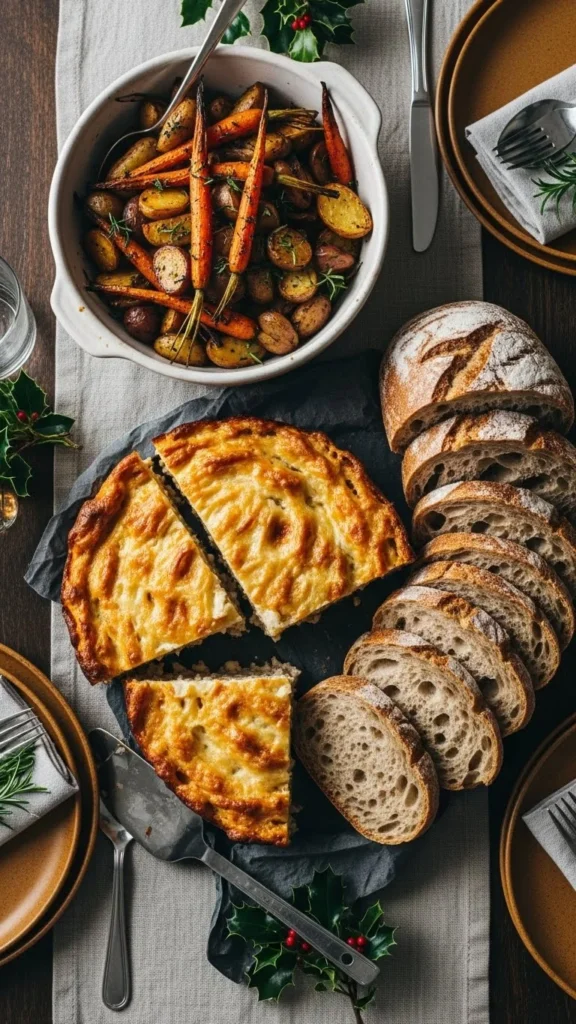
Serve With Simple, Cozy Sides
Casseroles are filling on their own, but simple sides can elevate the entire meal.
Try pairing with:
- A warm loaf of crusty bread
- Mixed green salad
- Roasted winter vegetables
- Garlic knots
- Light soup starters
These sides balance the richness of the casserole and help stretch the meal for larger groups.
Final Takeaway
Winter casseroles are warm, comforting, and incredibly easy to make. With a cozy base, rich sauce, seasonal veggies, and a crunchy topping, you can feed everyone at the table with minimal effort and maximum flavour. They’re the kind of dishes that make winter nights feel special.

Hannah Collins is a passionate home cook and food storyteller who believes every recipe tells a little love story. At TastyWriter, she shares simple, delicious recipes made for real kitchens and busy days — from cozy comfort dishes to creative new favorites. When she’s not cooking, you’ll find her photographing food, testing family recipes, or sipping tea while dreaming up her next tasty idea.
Leave a Reply