

Winter cooking doesn’t have to mean long hours in the kitchen. With a slow cooker, you can enjoy hearty, warm, flavour-packed meals that practically make themselves. Just toss in your ingredients, turn it on, and let the slow cooker transform simple foods into cozy winter dishes that taste like they simmered all day—because they did.

If you love the idea of effortless winter meals that still feel homemade and comforting, this guide will help you master slow cooker cooking with ease.
Start With Ingredients That Thrive in Slow Cooking
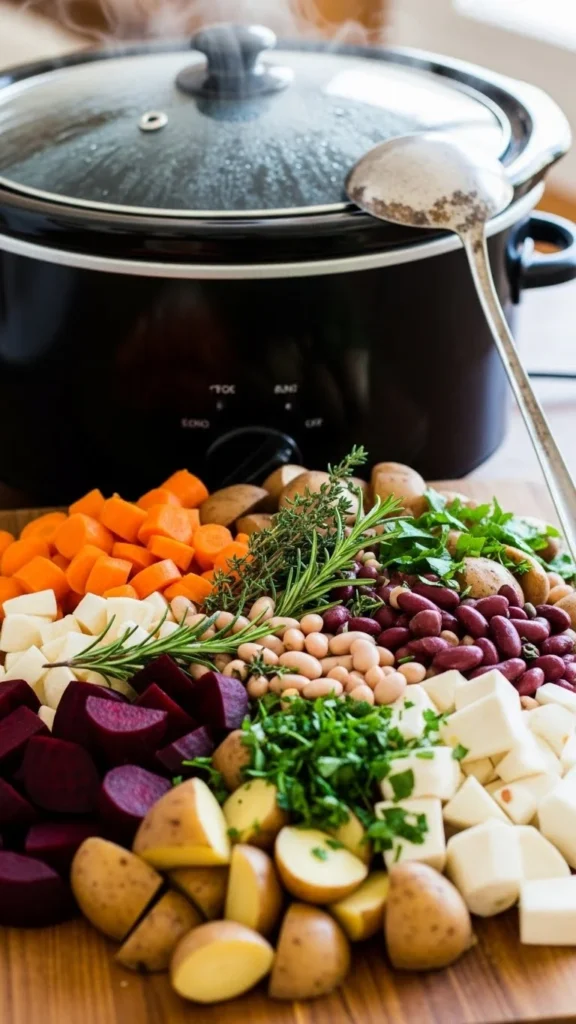
Slow cookers bring out the natural sweetness and tenderness of winter ingredients. They’re perfect for hearty vegetables, budget-friendly cuts of meat, and ingredients that need time to soften.
Best winter ingredients for slow cooker recipes:
- Root vegetables: potatoes, carrots, parsnips
- Cabbage, kale, or spinach
- Chicken thighs, beef chuck, or pork shoulder
- Lentils, beans, and chickpeas
- Mushrooms and onions
- Herbs like thyme, rosemary, and bay leaves
These ingredients thrive under low, slow heat and produce beautifully rich flavours with almost no effort.
Layer Your Ingredients for Perfect Texture
Unlike stovetop cooking, slow cookers heat from the bottom. That means ingredient placement affects how evenly everything cooks.
Here’s the best layering method:
- Sturdy vegetables (carrots, potatoes, onions) go on the bottom.
- Proteins like chicken or beef go in the middle.
- Lighter vegetables and seasonings go on top.
- Liquids and sauces get poured over everything.
This prevents overcooking delicate ingredients and undercooking dense ones—no stirring required.
Use Flavor Boosters to Elevate Easy Meals
Slow cooking creates mellow, comforting flavours, but adding the right extras makes your meal richer and more delicious.
Try these flavour boosters:
- Browning meat before adding it
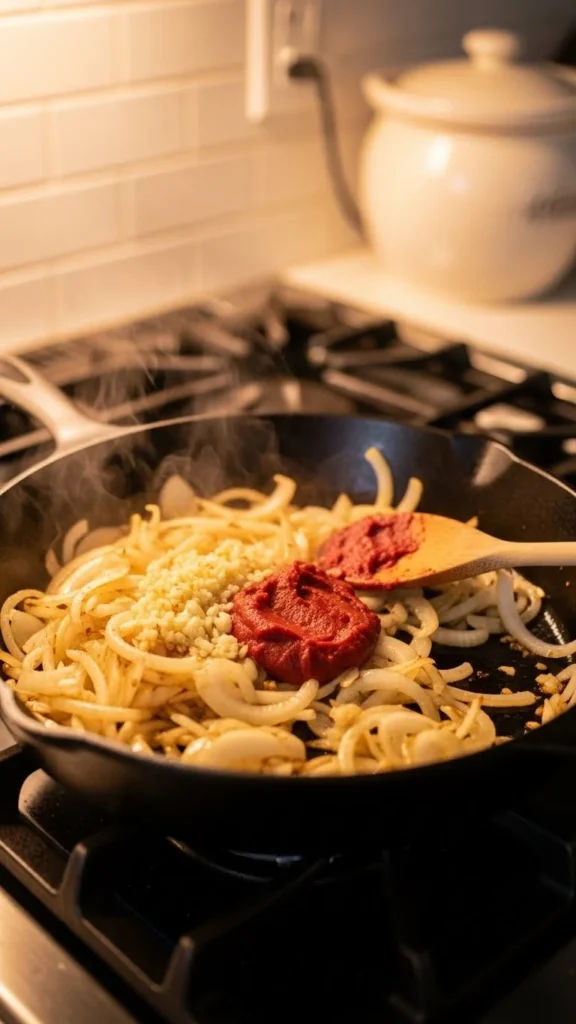
- Sautéing onions or garlic
- Adding tomato paste for depth
- Using broth instead of water
- Mixing in spices like smoked paprika, cumin, or nutmeg
- Adding fresh herbs at the end
Just a few small steps can make a big difference in flavour.
Choose the Right Liquids for Cozy Winter Dishes
Slow cookers don’t evaporate water like stovetop pots, so a little liquid goes a long way. The right liquids keep your ingredients moist and help create a rich, wintery texture.
Great liquids to use:
- Chicken, beef, or vegetable broth
- Crushed tomatoes
- Coconut milk
- Cream of mushroom or chicken soup
- Red wine (for stews and roasts)
Avoid adding too much liquid—just enough to cover the bottom third of the ingredients is usually perfect.
Make Classic Winter Meals With Minimal Prep
Slow cookers are perfect for cozy meals that feel homemade but require almost zero effort.
Try these winter favourites:
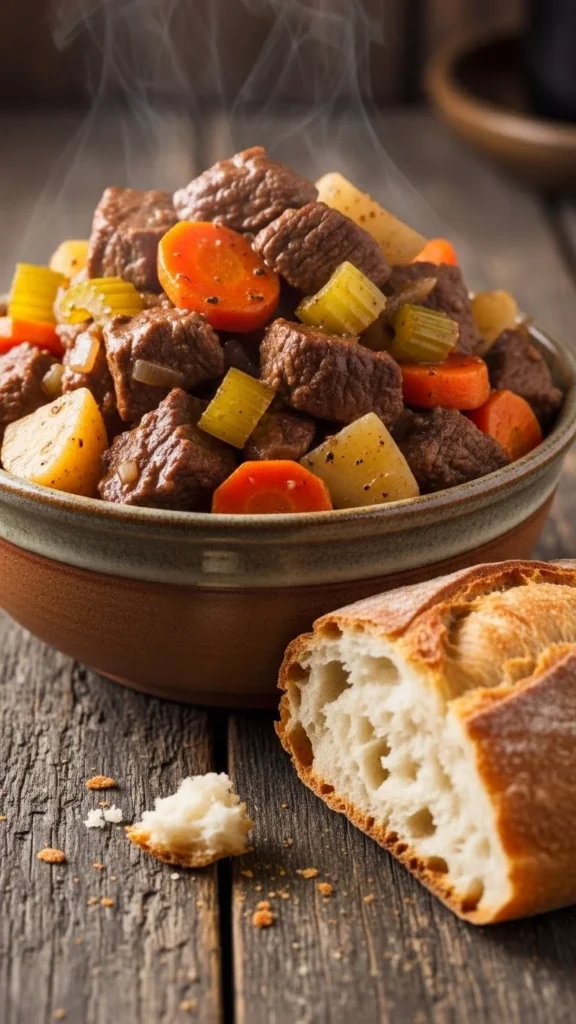
- Beef stew with potatoes and carrots
- Chicken and wild rice soup
- Lentil curry
- Pulled pork
- Turkey chili
- Creamy potato soup
- Vegetable barley stew
Just prep, press the button, and let the slow cooker work its magic.
Let Time Do the Heavy Lifting
The whole point of slow cooking is letting time develop flavour while you do anything else but cook.
General slow cooker times:
- Low setting: 6–8 hours
- High setting: 3–4 hours
Low and slow is best for winter meals because it creates deeper flavours and melt-in-your-mouth textures.
Finish With Fresh Ingredients for Balance
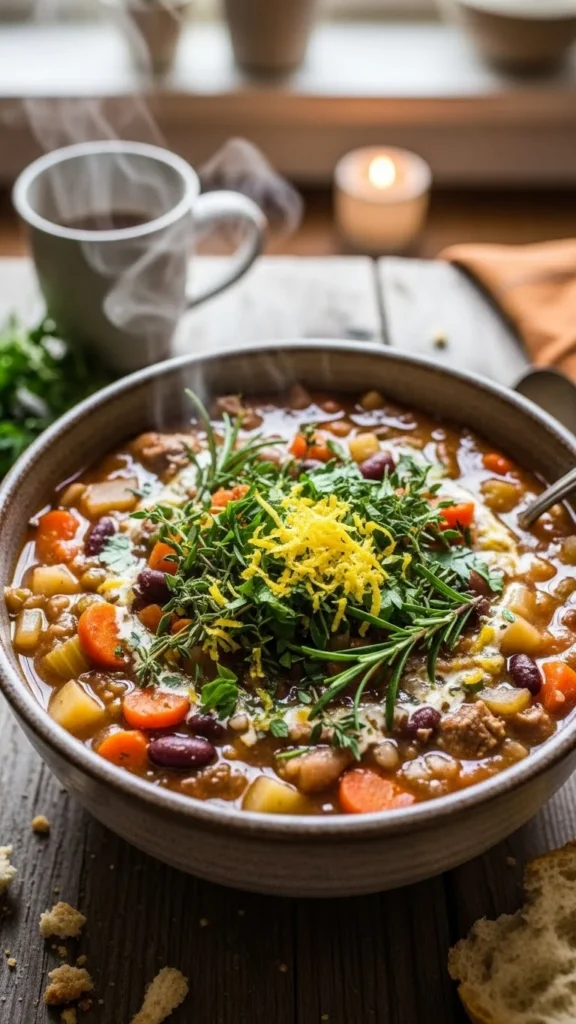
Slow cooker meals are rich and cozy, but topping them with something fresh adds brightness and balance.
Try adding:
- Fresh parsley or cilantro
- Lemon juice or zest
- Grated Parmesan
- A drizzle of olive oil
- Crunchy toppings like croutons or nuts
These finishing touches make slow cooker meals taste vibrant and complete.
Final Takeaway
Slow cooker winter recipes make cozy, comforting meals with almost no effort. With the right ingredients, simple layering, and a few flavour boosters, you can come home to dishes that warm the soul and fill your kitchen with delicious winter aromas.
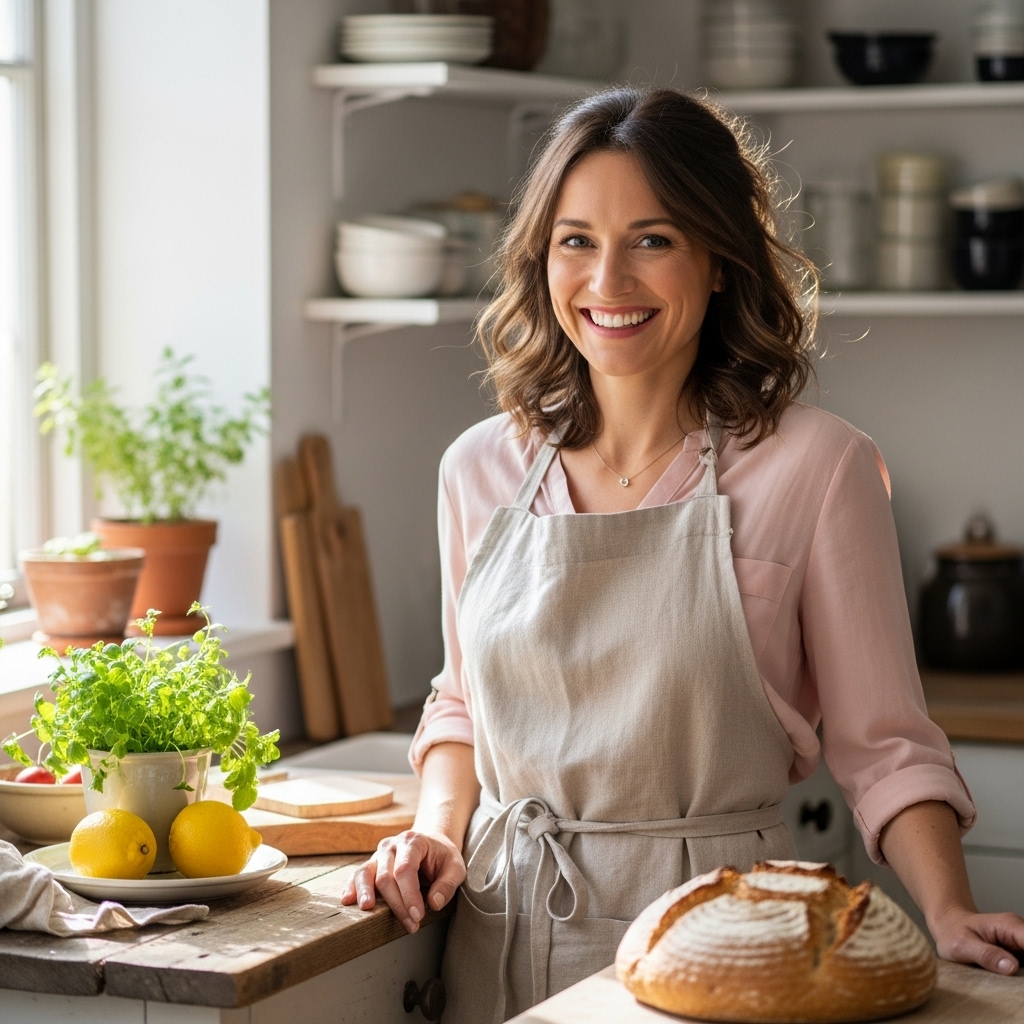
Hannah Collins is a passionate home cook and food storyteller who believes every recipe tells a little love story. At TastyWriter, she shares simple, delicious recipes made for real kitchens and busy days — from cozy comfort dishes to creative new favorites. When she’s not cooking, you’ll find her photographing food, testing family recipes, or sipping tea while dreaming up her next tasty idea.
Leave a Reply