

If you’ve ever ended up with a pot of mushy lentils instead of perfectly tender ones, you’re not alone. These tiny legumes are nutrient-packed and quick to cook — but they can go from firm to overdone in a flash. The good news? With the right type of lentils and a few simple tricks, you can make them just right every time — flavorful, firm, and ready for anything from salads to soups.
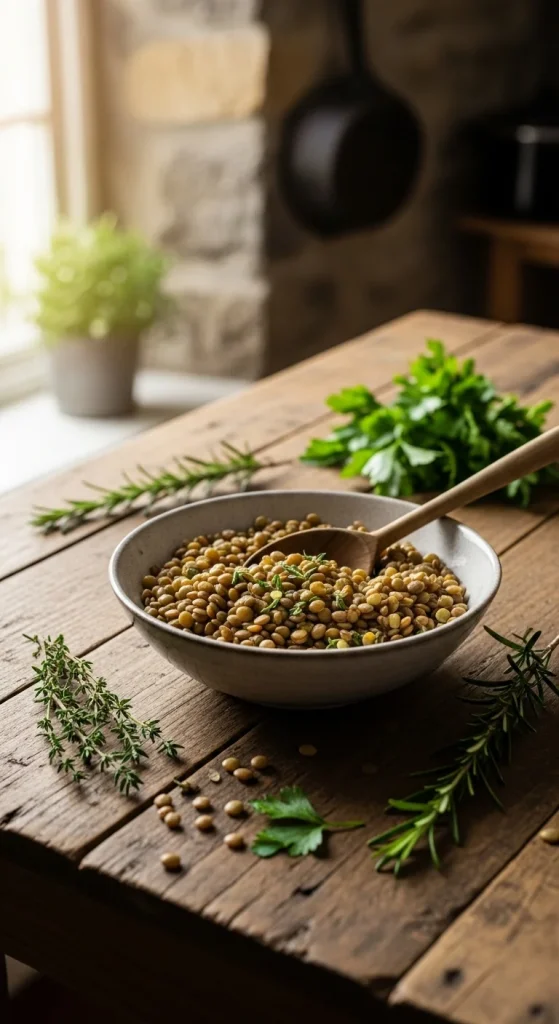
Step 1: Choose the Right Type of Lentils
Not all lentils cook the same way. Some are meant to stay firm, while others naturally soften. Picking the right one makes all the difference.
Here’s a quick guide:
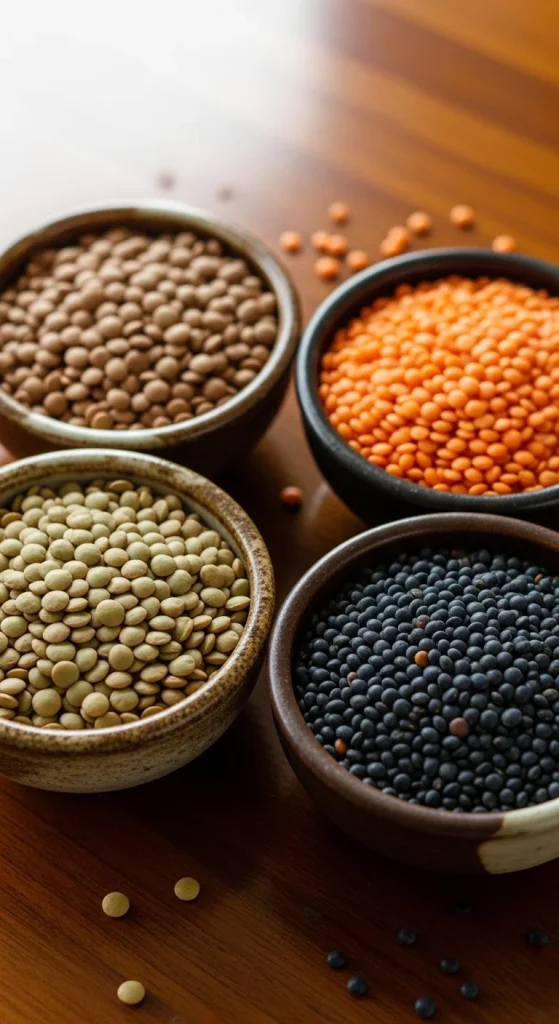
- Brown Lentils: The most common type. Mild flavor and great texture if cooked correctly.
- Green Lentils (French or Puy): Hold their shape beautifully — ideal for salads and side dishes.
- Black Lentils (Beluga): Tiny, glossy, and firm; they cook evenly and look gorgeous on the plate.
- Red or Yellow Lentils: Softer and quick-cooking — best for soups, curries, or purees (not for firm dishes).
If your goal is firm and versatile lentils, go for green, black, or brown.
Step 2: Rinse, Sort, and Soak (Optional)
Before cooking, give your lentils a quick check — remove any small stones or debris. Then rinse them under cool water until it runs clear.
Soaking: Lentils don’t need soaking like beans, but a quick 20–30 minute soak can help them cook more evenly and hold their texture better. It also reduces cooking time slightly.
Bonus tip: If you’re using green or brown lentils, soaking helps prevent splitting — perfect for recipes where presentation matters.
Step 3: Pick the Perfect Water Ratio
This is where many people go wrong. Too much water and your lentils will break down. Too little, and they’ll cook unevenly.
General ratio:
- 1 cup lentils : 3 cups water
For firmer lentils (for salads or side dishes):
- Use slightly less water (around 2 ½ cups) and keep an eye on them.
For softer lentils (for soups or stews):
- Stick with the full 3 cups or even a bit more.
Tip: Avoid using salt at the beginning. Salt can make lentils tough — season them toward the end of cooking instead.
Step 4: Simmer, Don’t Boil
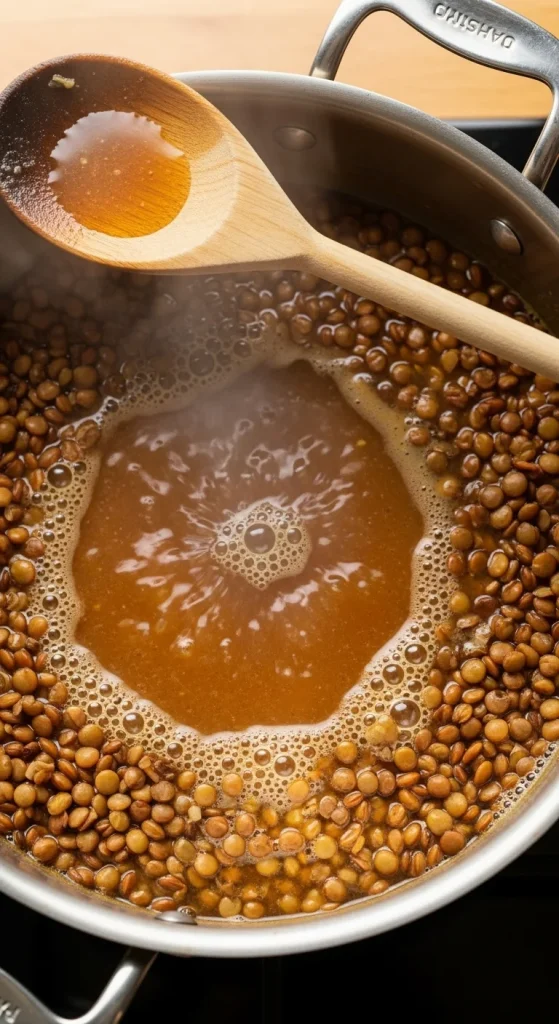
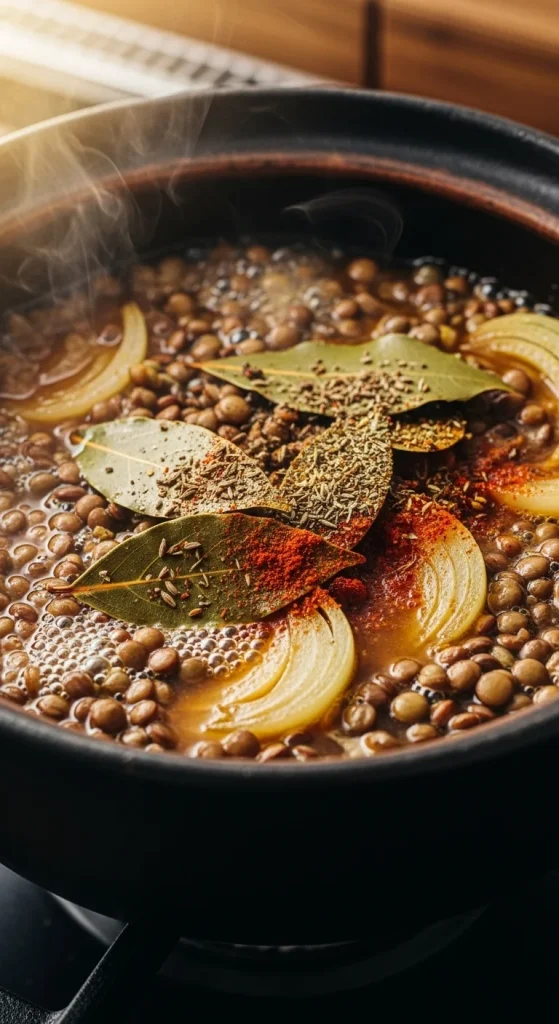
This is the golden rule. Lentils love gentle heat. Bring your pot to a boil, then immediately reduce to a low simmer.
Cooking times:
- Brown lentils: 20–25 minutes
- Green lentils: 25–30 minutes
- Black lentils: 20 minutes
You’ll know they’re done when they’re tender but not falling apart. Test a few — they should be easy to bite but hold their shape.
Pro tip: Don’t stir too often! Stirring breaks the delicate outer skin and leads to mushy lentils.
Step 5: Add Flavor While They Cook
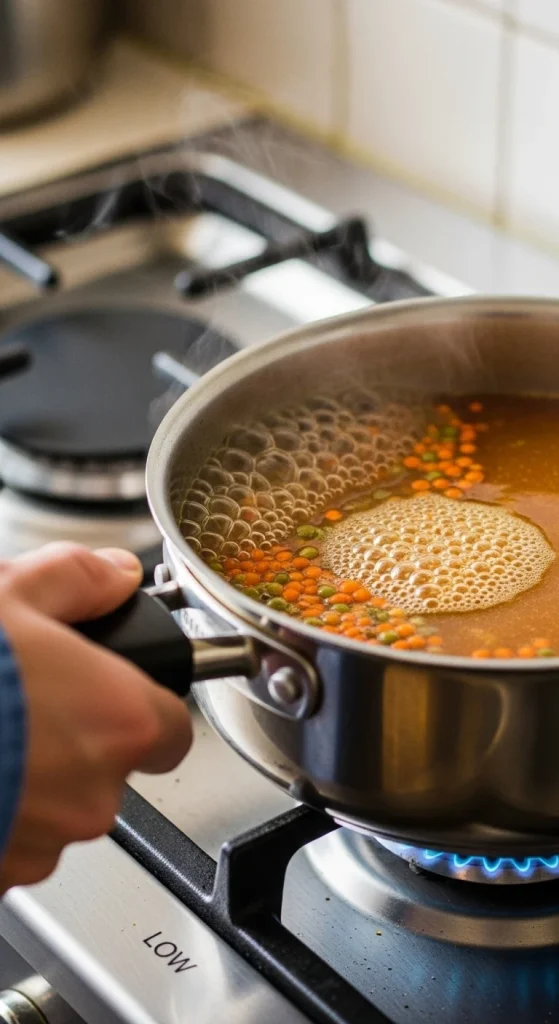
Lentils absorb flavors beautifully, so why not give them a head start while cooking?
Try adding any of these to your simmering pot:
- A bay leaf for subtle aroma
- Half an onion or a crushed garlic clove
- A pinch of cumin or turmeric for warmth
- A drizzle of olive oil for richness
Once they’re cooked, remove any whole herbs or aromatics before serving.
Avoid acidic ingredients (like tomatoes, vinegar, or lemon juice) until after cooking — acids slow down the softening process.
Step 6: Drain, Season & Store
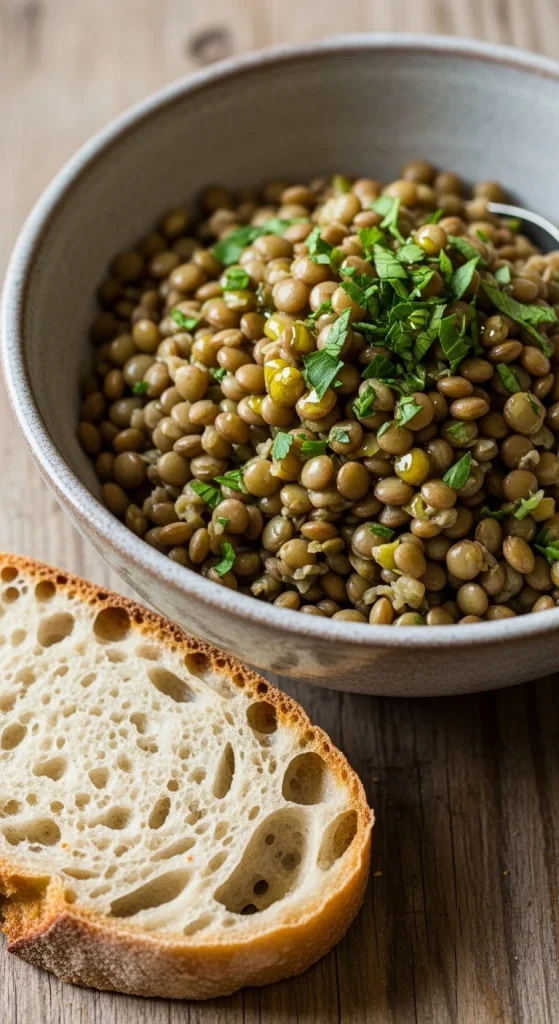
Once your lentils reach the perfect texture, drain any excess water immediately. Season them with salt, pepper, and olive oil while still warm so they absorb the flavor fully.
Flavor boosters:
- A splash of balsamic or red wine vinegar
- Fresh herbs like parsley or cilantro
- Crumbled feta or roasted vegetables for a quick meal
If you’re not using them right away, let them cool completely and store in an airtight container. They’ll last up to 5 days in the fridge or 3 months in the freezer.
Step 7: Use Them Everywhere
Once you’ve nailed perfectly firm lentils, you can use them in endless ways:
- Toss into salads for protein and texture.
- Serve as a side with roasted chicken or fish.
- Mix with rice or quinoa for a hearty grain bowl.
- Stir into soups near the end for extra body without turning to mush.
They’re not just healthy — they’re incredibly versatile.
The Final Scoop
Cooking lentils right is all about control — gentle heat, the right water ratio, and a bit of patience. Once you master this, you’ll have the perfect base for countless meals — from Mediterranean salads to cozy winter stews.
So next time you’re craving something wholesome and satisfying, skip the mush and aim for firm, flavorful perfection.
Save this guide for later — your future lentil-loving self will thank you!

Hannah Collins is a passionate home cook and food storyteller who believes every recipe tells a little love story. At TastyWriter, she shares simple, delicious recipes made for real kitchens and busy days — from cozy comfort dishes to creative new favorites. When she’s not cooking, you’ll find her photographing food, testing family recipes, or sipping tea while dreaming up her next tasty idea.
Leave a Reply