

Nothing says cosy like the smell of gingerbread cookies baking in the oven. But if you’ve ever pulled out a batch that turned rock-hard the next day, you’re not alone. The secret to soft, chewy gingerbread cookies isn’t luck. It’s a mix of the right ingredients, smart timing, and a few small baking tricks.
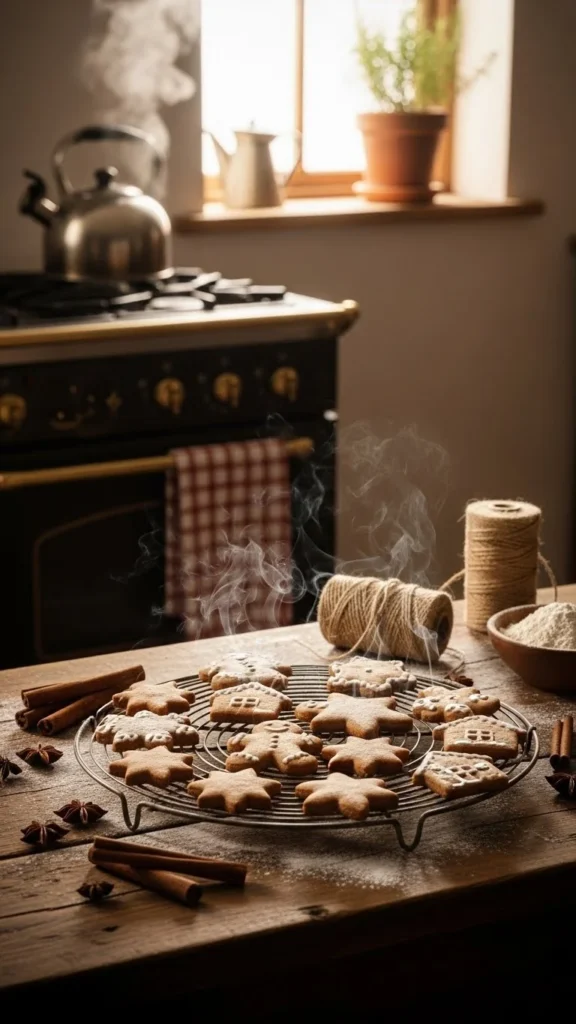
This guide walks you through exactly how to bake gingerbread cookies that stay soft for days. No stress. No fancy tools. Just reliable, cozy results.
Why Gingerbread Cookies Often Turn Hard
Before baking, it helps to know what usually goes wrong.
Gingerbread cookies dry out when:
- Too much flour is added
- The dough is overmixed
- Cookies are baked too long
- The recipe lacks enough moisture
Soft gingerbread needs balance. You want structure, but also enough fat and sugar to lock in moisture.
Ingredients That Keep Gingerbread Cookies Soft
The ingredient list matters more than people think. Small swaps make a big difference.
Here’s what helps create soft cookies:
- Brown sugar instead of white sugar
Brown sugar holds moisture and adds richness. - Molasses
This is non-negotiable. Molasses gives gingerbread its chew and deep flavour. - Butter, not oil
Butter gives softness without making cookies greasy. - Egg yolk
Adds richness and tenderness. - Spices
Ginger, cinnamon, cloves, and nutmeg add warmth without drying the dough.

Tip: Always spoon flour into the measuring cup and level it. Scooping directly packs in too much flour.
How to Mix the Dough the Right Way
Overmixing is one of the fastest ways to ruin gingerbread cookies.
Follow this order:
- Cream butter and brown sugar until smooth
- Mix in molasses and egg until just combined
- Whisk dry ingredients separately
- Add dry ingredients slowly
Stop mixing as soon as the dough comes together. It should feel soft and slightly sticky, not stiff.
If it looks dry, don’t panic. A tablespoon of milk or molasses can save it.
Chill the Dough (But Not Too Long)
Chilling is important, but timing matters.
Why chill the dough?
- Prevents spreading
- Improves flavour
- Makes rolling easier
Chill for 30 to 60 minutes only. Too long, and the dough firms up too much, which leads to dry cookies.
Once chilled:
- Roll dough between parchment paper
- Keep thickness around ¼ inch
- Thicker cookies stay softer
Baking Time Is Everything
This is where most people lose softness.
Bake gingerbread cookies at 175°C / 350°F and watch closely.
General rule:
- Small cookies: 8–9 minutes
- Medium cookies: 9–11 minutes
The cookies should look:
- Set around the edges
- Slightly soft in the centre
They will continue baking on the tray after coming out of the oven.
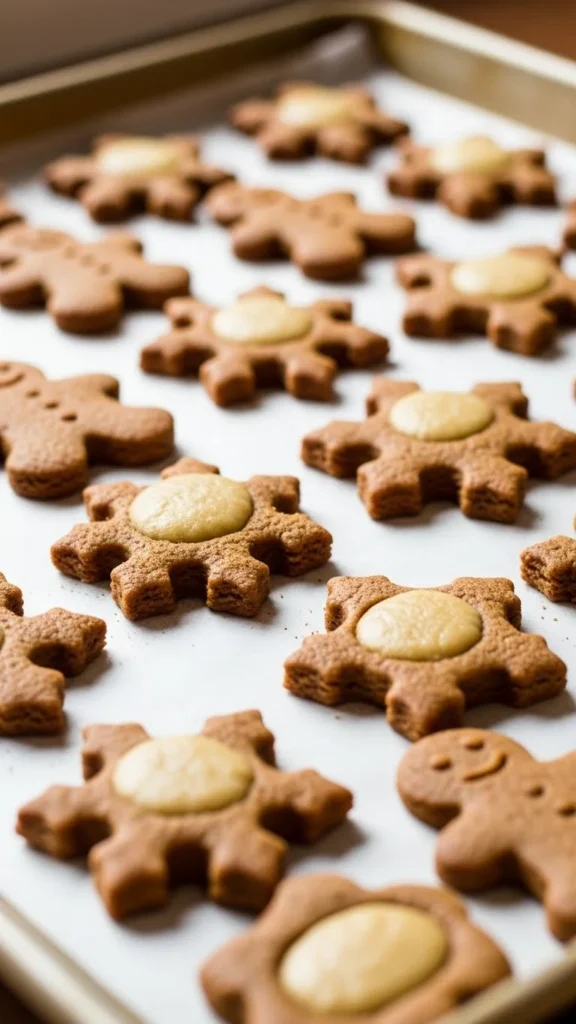
Do not wait for them to look fully firm. That’s already too late.
Cooling Without Drying Them Out
Cooling is part of the baking process.
Do this instead:
- Let cookies rest on the tray for 3–4 minutes
- Transfer to a wire rack while still warm
If you leave them on the tray too long, heat keeps pulling moisture out.
Once cooled, they should feel soft when gently pressed.
Storage Tips That Actually Work
Even perfectly baked gingerbread can dry out if stored wrong.
For soft cookies that last:
- Store in an airtight container
- Add a slice of bread or apple
- Keep at room temperature
The bread releases moisture, keeping cookies soft without changing flavour.
Avoid the fridge. Cold air dries cookies fast.

Simple Troubleshooting Guide
If cookies still turn hard:
- Reduce baking time by 1 minute
- Check flour measurement
- Increase molasses slightly
- Roll dough thicker
If cookies spread too much:
- Chill dough longer
- Use cooler baking trays
- Check butter wasn’t too soft
Final Takeaway
Soft gingerbread cookies aren’t complicated. They’re about balance, timing, and restraint. Use brown sugar and molasses, don’t overmix, bake just until set, and store them properly.
Once you get it right, these cookies stay soft, chewy, and perfect for sharing.
Save this recipe for later, and make it part of your winter baking tradition.

Hannah Collins is a passionate home cook and food storyteller who believes every recipe tells a little love story. At TastyWriter, she shares simple, delicious recipes made for real kitchens and busy days — from cozy comfort dishes to creative new favorites. When she’s not cooking, you’ll find her photographing food, testing family recipes, or sipping tea while dreaming up her next tasty idea.
Leave a Reply