

Cold weather has a way of making the body crave comfort. Heavy meals feel tempting, but sometimes what you really need is something lighter, warming, and deeply nourishing. That’s where winter detox soups come in. They’re gentle, soothing, and perfect for resetting without feeling deprived.
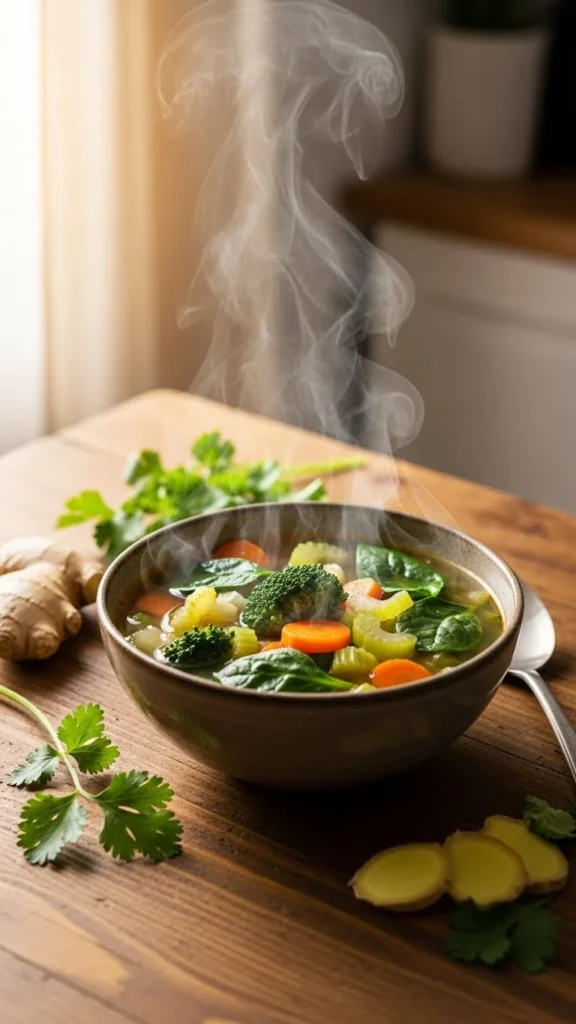
Winter detox soups aren’t about extremes. They focus on warm ingredients, slow simmering, and flavours that support digestion while keeping you cosy. Let’s break down how to make soups that truly heal and warm from the inside out.
What Makes a Winter Detox Soup Different
Detox soups in winter are not cold or raw. They are:
- Warm and easy to digest
- Built on broths instead of cream
- Packed with vegetables and gentle spices
- Slow-cooked to release nutrients
The goal is balance. You want something that supports your body without leaving you hungry or cold.
Ingredients That Heal and Warm the Body
Choosing the right ingredients is the foundation of a good detox soup.
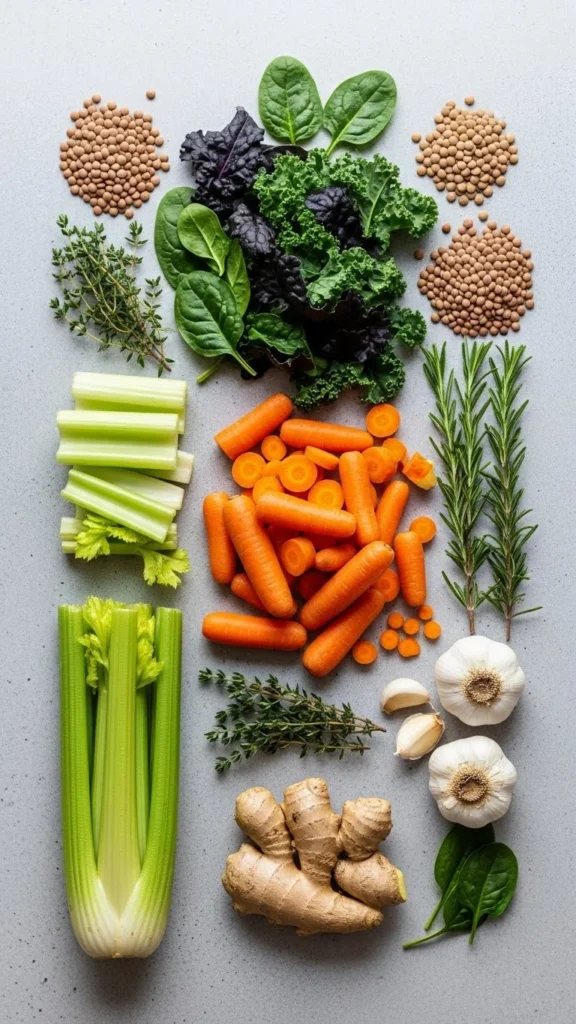
Base ingredients to include:
- Onion, garlic, and leeks for depth
- Ginger and turmeric for warmth
- Carrots, celery, and squash for sweetness
- Leafy greens like spinach or kale
- Vegetable or bone broth
Optional add-ins:
- Lentils or white beans for light protein
- Lemon juice or apple cider vinegar for brightness
- Fresh herbs like parsley or thyme
Tip: Avoid heavy dairy and excessive salt. Let vegetables and herbs do the work.
Step One: Build a Nourishing Broth
A healing soup starts with a good base.
Begin by gently sautéing:
- Onion or leek
- Garlic
- Fresh ginger
Use olive oil or coconut oil and keep the heat low. This releases aroma without burning.
Then add:
- Warm broth
- Root vegetables
- A pinch of salt
Let it simmer slowly. Fast boiling can dull flavours and nutrients.
Step Two: Add Vegetables in the Right Order
Timing matters more than people think.
Add vegetables based on texture:
- Hard vegetables first (carrots, squash, potatoes)
- Softer vegetables later (zucchini, mushrooms)
- Leafy greens at the very end
This keeps everything tender without turning mushy.
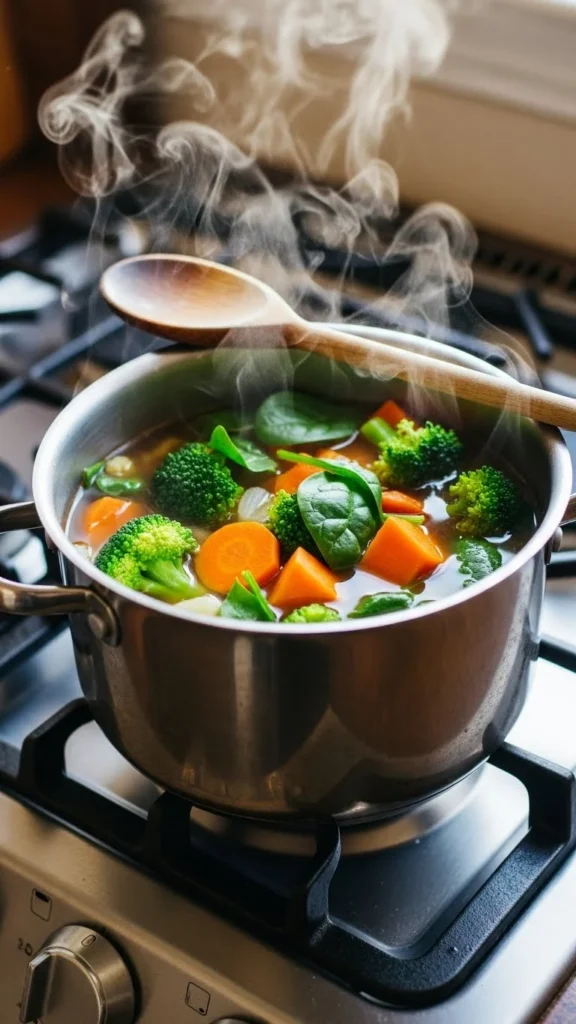
Simmer uncovered for deeper flavour. Covered soups stay lighter and fresher.
Step Three: Use Spices That Support Digestion
Winter detox soups rely on warming spices, not heat.
Best options include:
- Turmeric
- Cumin
- Coriander
- Black pepper
- A pinch of chilli, if tolerated
Spices should enhance, not overpower. Add them gradually and taste as you go.
If the soup feels flat, a squeeze of lemon at the end often fixes it.
Blended vs Chunky Detox Soups
Both styles work well. Choose based on mood.
Blended soups:
- Easier to digest
- Creamy without dairy
- Great for evenings
Chunky soups:
- More filling
- Better texture
- Ideal for lunch

You can even blend half the soup and mix it back in for the best of both worlds.
Common Detox Soup Mistakes to Avoid
Even simple soups can go wrong.
Avoid these mistakes:
- Cooking on high heat
- Adding all vegetables at once
- Over-salting early
- Skipping healthy fats entirely
A drizzle of olive oil or a spoon of tahini at the end helps nutrients absorb better.
How Often to Enjoy Winter Detox Soups
These soups aren’t a one-day fix. They work best as part of your routine.
Easy ways to include them:
- Start dinner with a small bowl
- Replace one heavy meal per day
- Batch cook for busy weekdays
They pair well with:
- Whole grains
- Toasted sourdough
- Simple salads
Making Detox Soups Feel Comforting
Detox doesn’t mean boring.
Make soups cosy by:
- Using warm bowls
- Adding fresh herbs on top
- Eating slowly
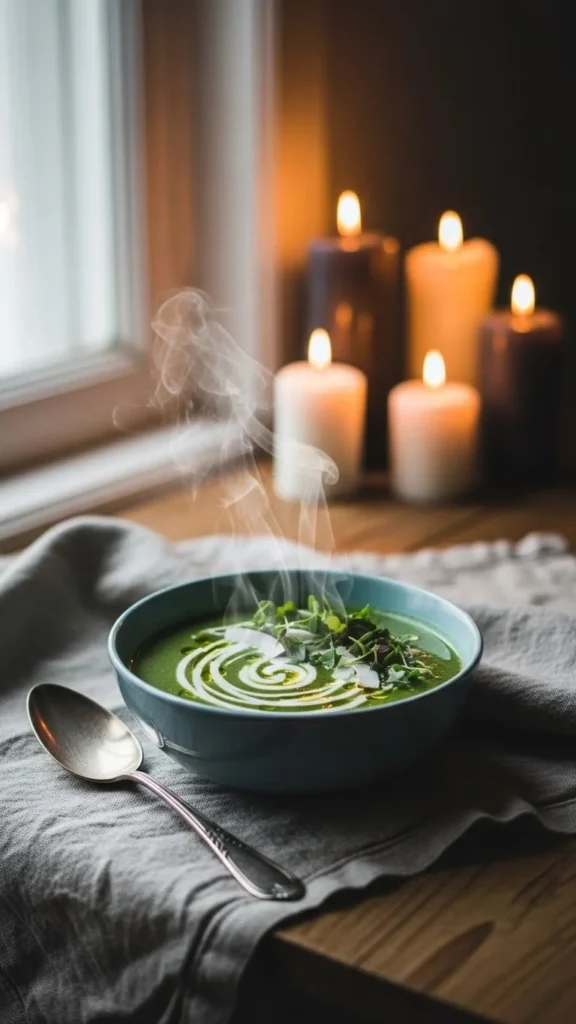
Comfort is just as important as nutrition, especially in winter.
Final Takeaway
Winter detox soups are about warmth, nourishment, and simplicity. With the right ingredients, gentle spices, and slow cooking, they can heal, comfort, and support your body without feeling restrictive.
Save this guide for later, and keep a pot of healing soup simmering through the cold season.

Hannah Collins is a passionate home cook and food storyteller who believes every recipe tells a little love story. At TastyWriter, she shares simple, delicious recipes made for real kitchens and busy days — from cozy comfort dishes to creative new favorites. When she’s not cooking, you’ll find her photographing food, testing family recipes, or sipping tea while dreaming up her next tasty idea.
Leave a Reply