

There’s a reason roasted meats feel so special in winter. The slow cooking. The rich smells. The way the whole house feels warmer while something delicious roasts in the oven. But nothing ruins the moment faster than dry meat with flavour only on the outside.

The good news? Juicy, flavour-packed winter roasts don’t require fancy equipment or chef-level skills. With the right prep, seasoning, and timing, you can make roasted meats that stay tender, moist, and deeply satisfying every single time.
Why Winter Roasts Often Turn Dry
Most dry roasts fail before they even hit the oven.
Common mistakes include:
- Cooking meat straight from the fridge
- Under-seasoning
- Using too high heat for too long
- Skipping resting time
Winter meats are often larger cuts. They need patience and moisture control, not aggressive heat.
Choosing the Right Cut for Winter Roasting
Not all cuts roast the same way. Some love slow heat, others need quicker roasting.
Great winter roasting cuts:
- Whole chicken or turkey breast
- Beef chuck, rib roast, or brisket
- Pork shoulder or loin
- Lamb leg or shoulder
Look for:
- Visible marbling (fat = flavour)
- Even thickness
- Bone-in cuts when possible
Bone-in meats stay juicier and develop deeper flavour during long winter cooking.
Seasoning That Builds Deep Winter Flavor
Salt alone won’t carry a winter roast. You need layers.
Start with:
- Salt and black pepper (generous, not shy)
- Garlic or shallots
- Fresh or dried herbs like rosemary, thyme, sage
Then add warmth:
- Smoked paprika
- Mustard powder
- A touch of brown sugar or honey
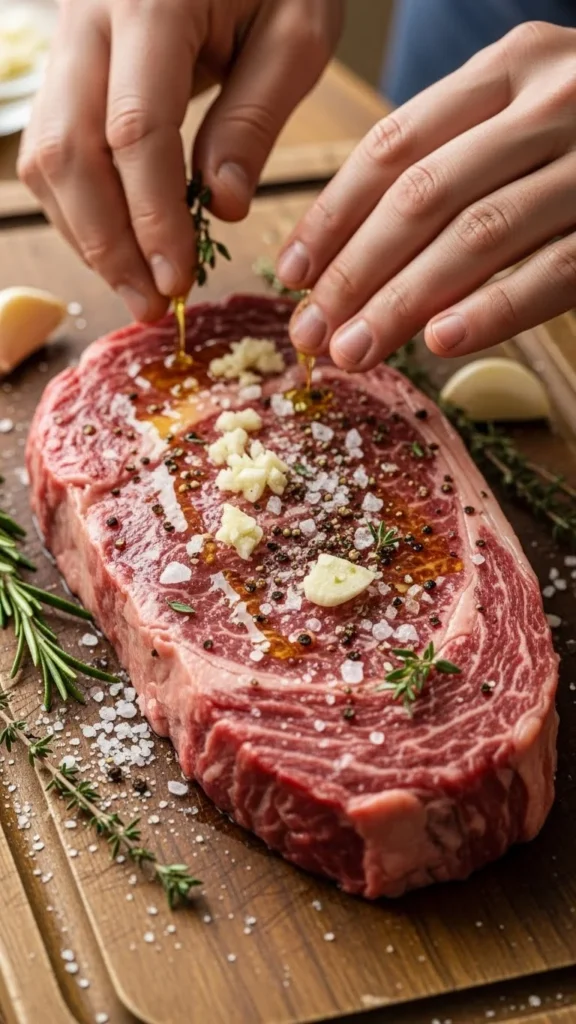
Pro tip: Season meat at least 1–2 hours ahead, or overnight if possible. This lets flavour penetrate, not just sit on the surface.
The Moisture Trick That Changes Everything
Dry meat usually means moisture escaped too fast.
Do this instead:
- Brush meat with oil or melted butter
- Add aromatics to the roasting pan
- Pour a small amount of broth, wine, or water into the pan
This doesn’t boil the meat. It creates steam, which protects moisture while enhancing aroma.
For extra insurance:
- Cover loosely with foil for the first half
- Remove foil to brown at the end
Oven Temperature Matters More Than You Think
Winter roasts benefit from controlled heat.
General guideline:
- Start at 220°C / 425°F for 15–20 minutes (for browning)
- Reduce to 160–170°C / 325°F to finish cooking
This method:
- Seals the exterior
- Allows gentle internal cooking
- Prevents moisture loss
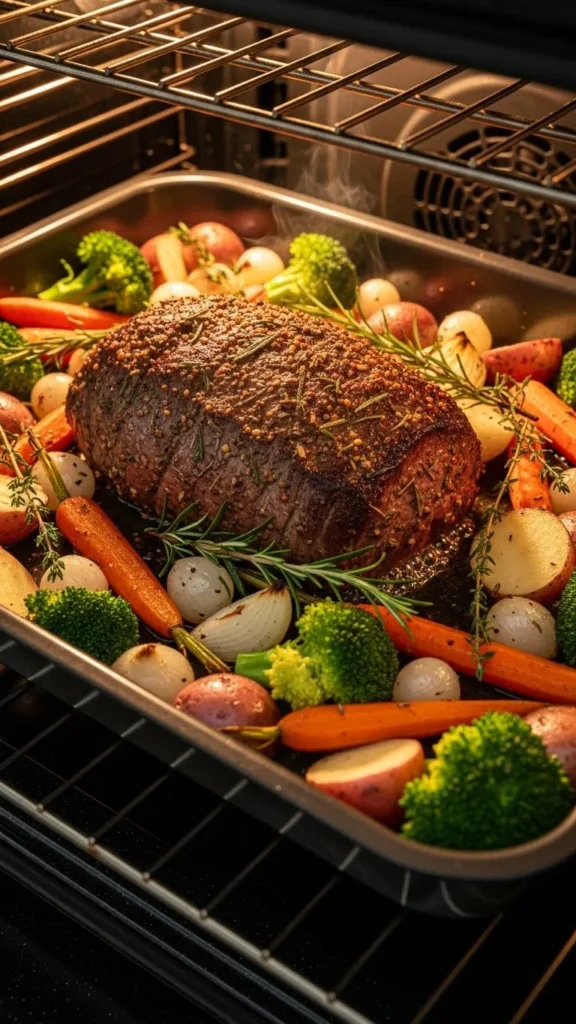
Use a thermometer if possible. Guessing leads to overcooking, especially with larger cuts.
Don’t Skip the Vegetables (They Help the Meat)
Root vegetables aren’t just sides. They protect the roast.
Add:
- Onions
- Carrots
- Potatoes
- Parsnips
They:
- Absorb flavour
- Release moisture
- Prevent burning drippings
Plus, they turn into a built-in winter side dish without extra effort.
Resting Is Not Optional
This is where juiciness is decided.
After roasting:
- Remove meat from oven
- Tent loosely with foil
- Rest for 10–20 minutes
Resting allows juices to redistribute. Slice too soon, and they spill out onto the board instead of staying in the meat.
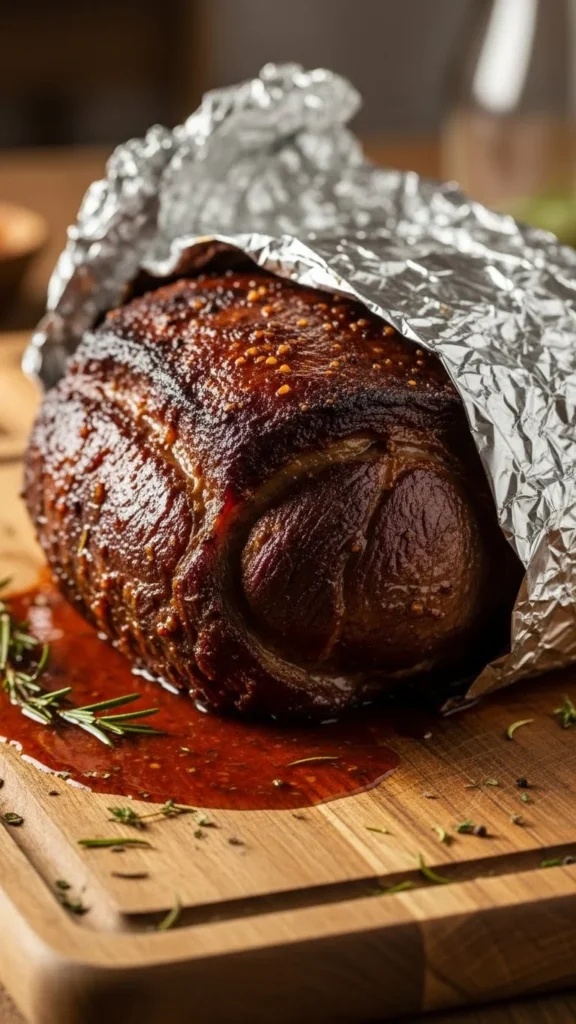
The larger the roast, the longer the rest it needs.
Simple Pan Sauces for Extra Flavor
Don’t waste the drippings. They’re liquid gold.
Easy winter pan sauce:
- Place roasting pan on stove
- Add broth or wine
- Scrape browned bits
- Simmer until slightly thick
This adds richness without extra effort and keeps the meat moist when served.
Final Takeaway
Juicy, flavourful winter roasted meats aren’t about complexity. They’re about respecting the process. Season early. Control heat. Add moisture. Let the meat rest.
Once you master these basics, every winter roast becomes something people look forward to, not just something you serve.
Save this guide for later, and make winter roasting your comfort food superpower.
Hannah Collins is a passionate home cook and food storyteller who believes every recipe tells a little love story. At TastyWriter, she shares simple, delicious recipes made for real kitchens and busy days — from cozy comfort dishes to creative new favorites. When she’s not cooking, you’ll find her photographing food, testing family recipes, or sipping tea while dreaming up her next tasty idea.
Leave a Reply