

When winter hits, salads stop sounding exciting and comfort food takes over. This is where lentils shine. They’re warm, filling, affordable, and incredibly satisfying when cooked the right way. A good lentil dish doesn’t feel like a compromise. It feels like a hug in a bowl.
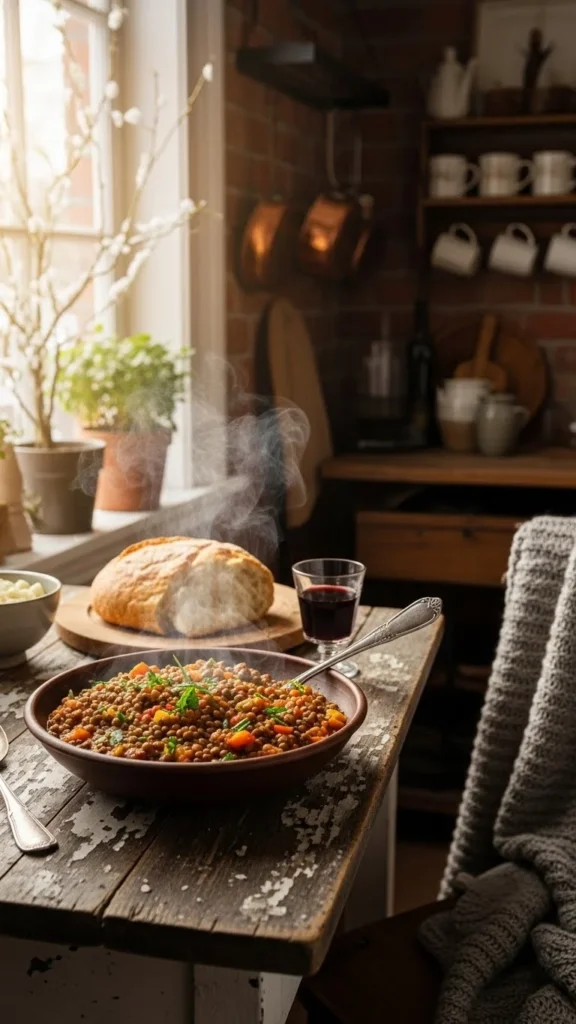
If you’ve ever thought lentils were bland or boring, this guide will change your mind. With the right flavours, textures, and cooking methods, winter lentil recipes can taste rich, hearty, and deeply comforting.
Why Lentils Are Perfect for Winter Cooking
Lentils are made for cold weather meals.
They:
- Hold heat well
- Absorb flavours beautifully
- Create thick, satisfying textures
- Pair well with winter vegetables and spices
They’re also quick to cook compared to dried beans, which makes them ideal for weeknight dinners when you want something warm without hours in the kitchen.
Different lentils suit different dishes:
- Brown or green lentils for stews and casseroles
- Red lentils for soups and curries
- Black lentils for richer, slow-cooked meals
Building Deep Flavour From the Start
The biggest mistake with lentils is treating them like an afterthought. They need flavour layered in from the beginning.
Always start with:
- Onion or shallot
- Garlic
- Olive oil or butter
Cook these slowly until soft and fragrant. This creates the base for everything that follows.
Then add warmth:
- Cumin
- Smoked paprika
- Thyme or rosemary
- Bay leaf
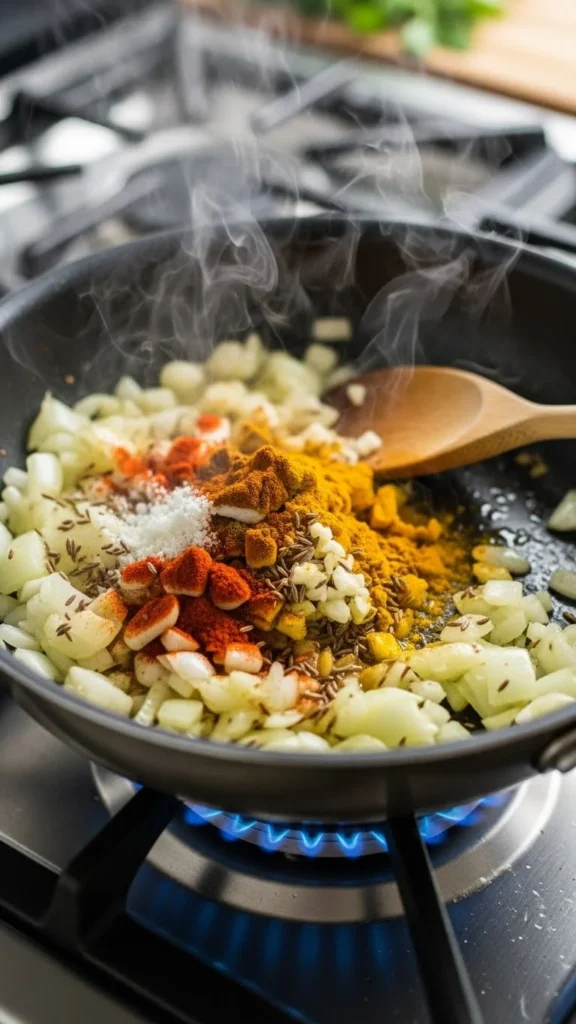
Spices bloom best in oil. Give them 30 seconds before adding liquids to wake up their aroma.
Choosing the Right Winter Add-Ins
Lentils love winter vegetables. These ingredients add sweetness, depth, and texture.
Great options include:
- Carrots
- Celery
- Leeks
- Mushrooms
- Sweet potatoes
- Squash
Chop vegetables into even pieces so they cook at the same pace as the lentils. Roasting some vegetables first can add extra richness before stirring them into soups or stews.
How to Cook Lentils So They Feel Hearty
Texture matters just as much as flavour.
For hearty winter recipes:
- Use broth instead of water
- Simmer gently, not rapidly
- Season gradually, not all at once
Add salt halfway through cooking, not at the beginning. This helps lentils soften properly without turning mushy.
Red lentils break down naturally, creating a creamy base for soups. Brown and green lentils keep their shape, which makes them perfect for chunky stews.
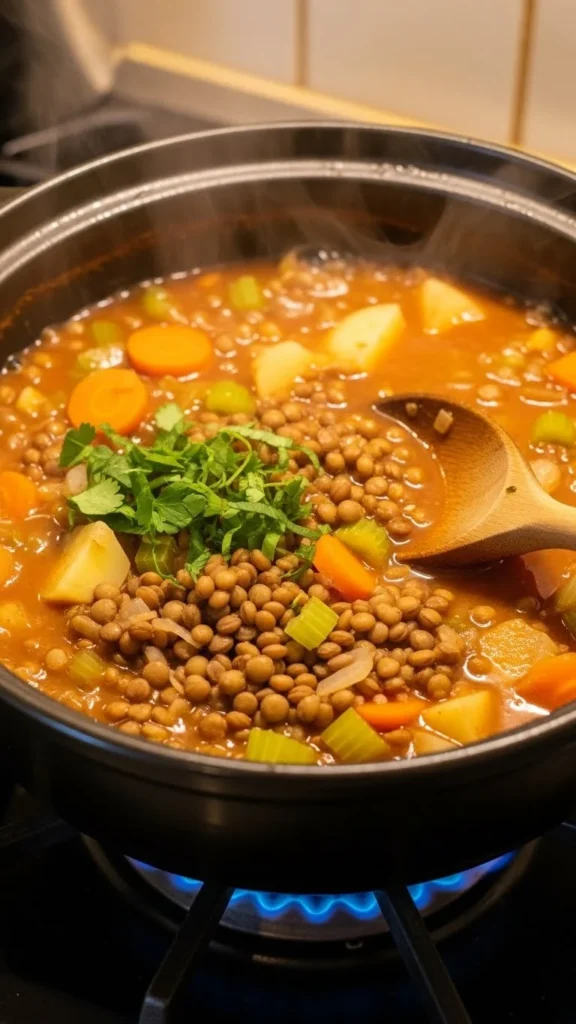
Let lentils rest after cooking. Just five minutes off the heat helps flavours settle and thicken the dish.
Making Lentil Soups Feel Rich and Comforting
A winter lentil soup should feel filling, not watery.
To achieve that:
- Blend a small portion of the soup
- Add a splash of cream or coconut milk
- Stir in butter or olive oil at the end
Acidity matters too. A squeeze of lemon juice or a dash of vinegar balances richness and makes flavours pop.
Toppings also add comfort:
- Crusty bread
- Yogurt or sour cream
- Fresh herbs
These small extras turn a simple soup into a complete winter meal.
Turning Lentils Into Proper Winter Mains
Lentils don’t have to stay in soup form.
Try them as:
- Lentil shepherd’s pie filling
- Baked lentil casseroles
- Lentil and vegetable curries
- Lentil ragù over mashed potatoes
Pairing lentils with something creamy or starchy makes them feel more indulgent. Think mashed potatoes, rice, or polenta.

These combinations give lentils that “stick to your ribs” feeling people crave in winter.
Simple Seasoning Tricks That Make a Big Difference
Small flavour boosts can completely transform lentils.
Try adding:
- A knob of butter at the end
- Grated parmesan or nutritional yeast
- A drizzle of chilli oil
- A spoon of tomato paste cooked into the base
Tomato paste, when cooked slowly, adds deep savoury notes that make lentils taste richer and more complex.
Storing and Reheating Lentil Dishes
Lentil recipes often taste better the next day.
To store:
- Cool completely before refrigerating
- Keep in airtight containers
- Reheat gently with a splash of water or broth
Avoid high heat when reheating. Slow warming keeps lentils tender and prevents sticking.
Final Takeaway
Winter lentil recipes don’t need to feel plain or boring. With layered flavours, the right vegetables, and gentle cooking, lentils become hearty, comforting meals you’ll want to make again and again.
They’re warm, nourishing, and incredibly satisfying when the weather turns cold.

Save this guide for later, and let lentils become one of your favourite winter comfort foods.

Hannah Collins is a passionate home cook and food storyteller who believes every recipe tells a little love story. At TastyWriter, she shares simple, delicious recipes made for real kitchens and busy days — from cozy comfort dishes to creative new favorites. When she’s not cooking, you’ll find her photographing food, testing family recipes, or sipping tea while dreaming up her next tasty idea.
Leave a Reply