

Cold evenings call for meals that are warm, filling, and easy to make. When the weather drops, no one wants complicated recipes or a sink full of dishes. That’s where stovetop meals shine. One pot, simple ingredients, and steady heat can turn everyday pantry items into comforting winter food.

Winter stovetop meals are about slow warmth, deep flavour, and simplicity. This guide shows you how to build them with ingredients you already have, without stress or fancy techniques.
Why Stovetop Meals Are Perfect for Winter
Stovetop cooking suits winter better than almost any other method.
Here’s why:
- Gentle heat builds flavour over time
- One pot keeps food warm longer
- Easy to adjust seasoning as you go
- Minimal cleanup on cold nights
From soups to rice dishes to hearty vegetable stews, the stovetop lets food simmer slowly and fill your kitchen with comforting aromas.
Simple Ingredients That Work Hard in Winter
Winter meals don’t need long shopping lists. The key is choosing ingredients that bring warmth and body.
Staple ingredients to keep on hand:
- Onions, garlic, carrots, celery
- Potatoes, rice, lentils, pasta
- Canned beans and tomatoes
- Broth or stock
- Olive oil or butter
- Basic spices like cumin, paprika, black pepper
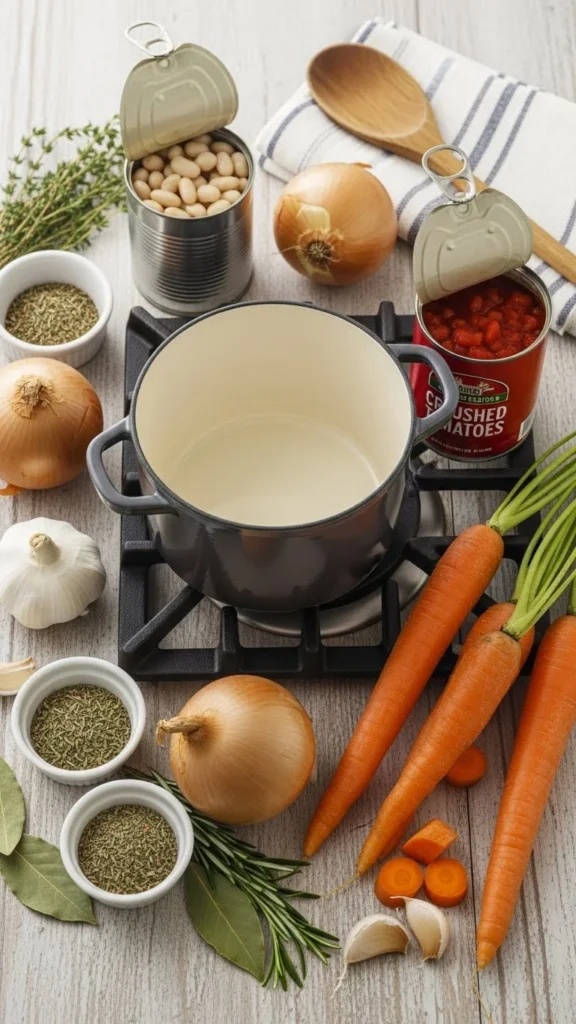
These ingredients layer well and hold up to longer cooking, which makes them perfect for winter.
Start With a Strong Base
Almost every good stovetop meal begins the same way.
Start by:
- Heating oil or butter in a pot
- Adding onions and cooking until soft
- Stirring in garlic and spices
This step builds aroma and depth. Don’t rush it. Let the onions turn translucent and slightly golden before moving on.
Once the base smells rich and warm, everything else tastes better.
Build Hearty Texture Without Complication
Winter meals should feel filling, even when ingredients are simple.
Easy ways to add body:
- Add potatoes or sweet potatoes
- Use lentils or beans for thickness
- Stir in rice or small pasta
- Simmer longer to reduce liquid
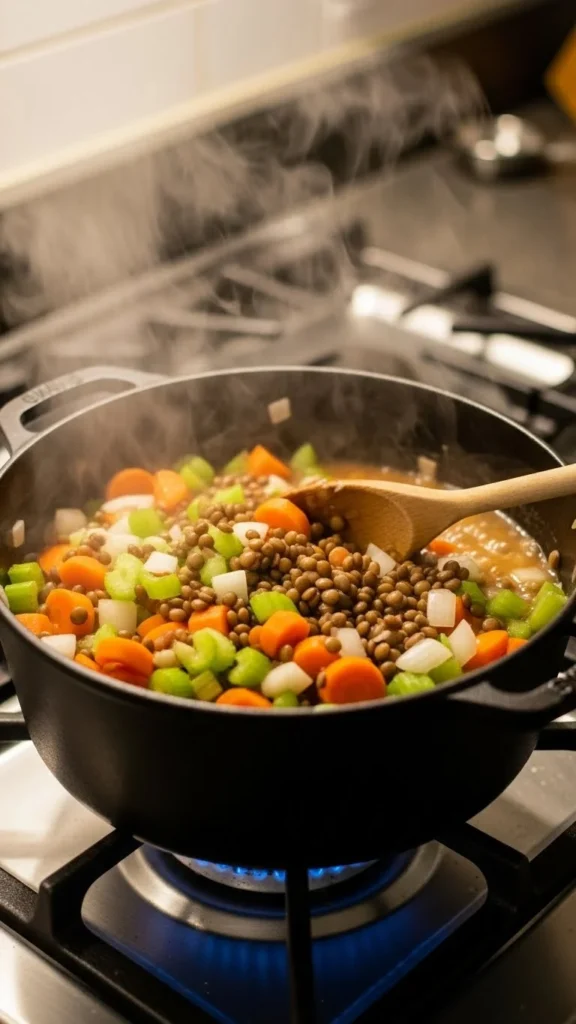
Let ingredients cook slowly. The longer they simmer, the more comforting the texture becomes.
Season Slowly and Taste Often
Winter food benefits from careful seasoning.
Instead of adding everything at once:
- Season lightly at the start
- Taste midway through cooking
- Adjust salt and spices at the end
Slow cooking changes flavour. Salt added early blends in, while salt added later sharpens the final taste.
Adding a splash of lemon juice or vinegar at the end can also wake up rich winter dishes.
Easy Winter Stovetop Meal Ideas
You don’t need a recipe every time. These simple combinations work again and again.
Try these ideas:
- Lentil and vegetable stew
- One-pot tomato pasta with beans
- Potato and leek soup
- Rice cooked in broth with vegetables
- Chickpea curry-style simmer
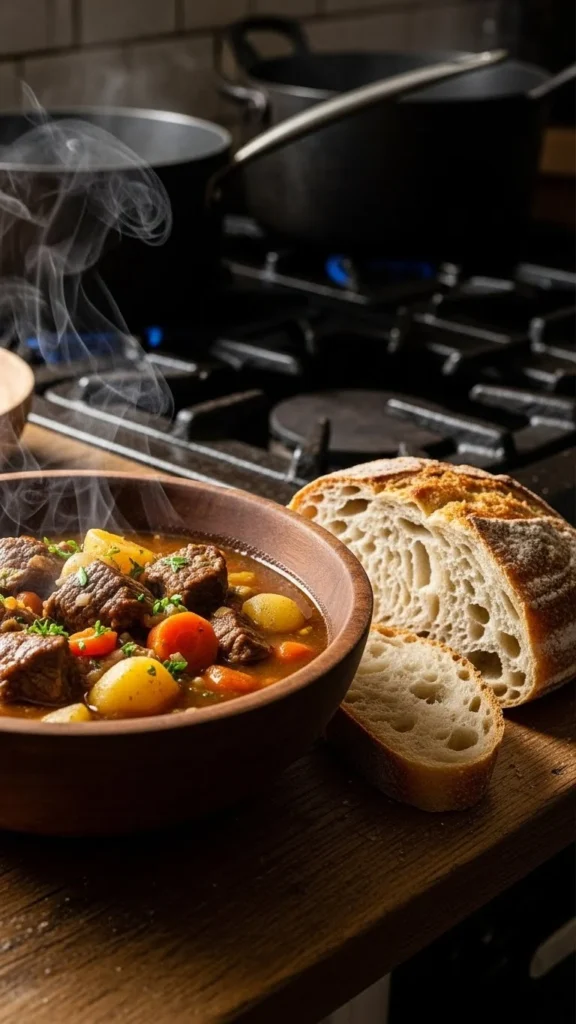
Each of these uses basic ingredients and improves with time on the stove.
Keep It Cozy, Not Complicated
Winter stovetop meals are forgiving. They don’t need exact timing.
Helpful tips:
- Use low to medium heat
- Stir occasionally, not constantly
- Cover partially to control thickness
- Add water or broth if it gets too thick
Let the stove do the work. This style of cooking fits winter evenings when you want warmth without effort.
Make It Last for More Than One Meal
Stovetop meals often taste better the next day.
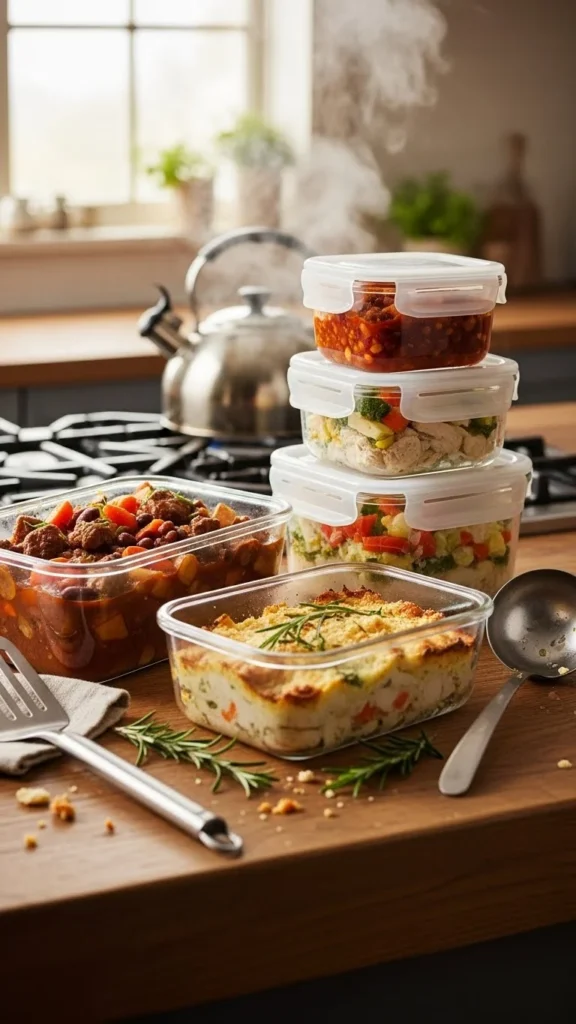
To store:
- Let food cool fully
- Store in airtight containers
- Reheat slowly on the stove
The flavours deepen overnight, making leftovers something to look forward to.
Final Takeaway
Winter stovetop meals are about comfort, simplicity, and warmth. With basic ingredients and one pot, you can create food that feels nourishing and satisfying without extra work.
Start with a good base, let things simmer, and trust the process. The result is food that warms both your kitchen and your evenings.
Save this guide for later, and make winter cooking feel easy and comforting all season long.

Hannah Collins is a passionate home cook and food storyteller who believes every recipe tells a little love story. At TastyWriter, she shares simple, delicious recipes made for real kitchens and busy days — from cozy comfort dishes to creative new favorites. When she’s not cooking, you’ll find her photographing food, testing family recipes, or sipping tea while dreaming up her next tasty idea.
Leave a Reply