

Few winter side dishes feel as comforting as a tray of roasted squash fresh from the oven. The edges are golden and crisp, the centres are soft and sweet, and the smell alone makes the kitchen feel warmer. When done right, roasted squash tastes almost caramelised, with a texture that’s far from soggy or bland.
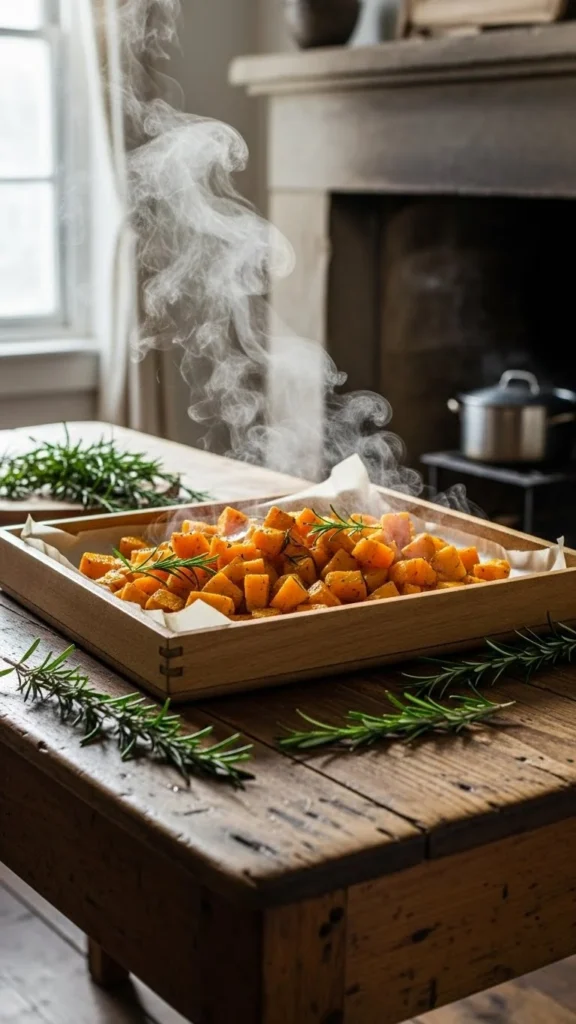
If you’ve ever ended up with mushy squash or pieces that browned unevenly, don’t worry. This guide breaks down exactly how to make winter roasted squash that’s sweet, crispy, and deeply satisfying, using simple techniques that work every time.
Why Squash Shines in Winter Cooking
Winter squash is made for roasting. Varieties like butternut, acorn, and kabocha have natural sugars that deepen as they cook. High heat draws out moisture and turns those sugars into golden edges with rich flavour.
Roasting works so well because it:
- Concentrates sweetness
- Improves texture
- Enhances natural flavour without extra sugar
Once you master the method, squash becomes a reliable winter staple.
Choosing the Best Squash for Roasting
Not all squash behaves the same in the oven. Some crisp better than others.
Great choices for roasting:
- Butternut squash – sweet, smooth, and reliable
- Kabocha squash – dense, nutty, and naturally creamy
- Acorn squash – slightly firmer with a mild sweetness
- Delicata squash – thin skin, quick roasting
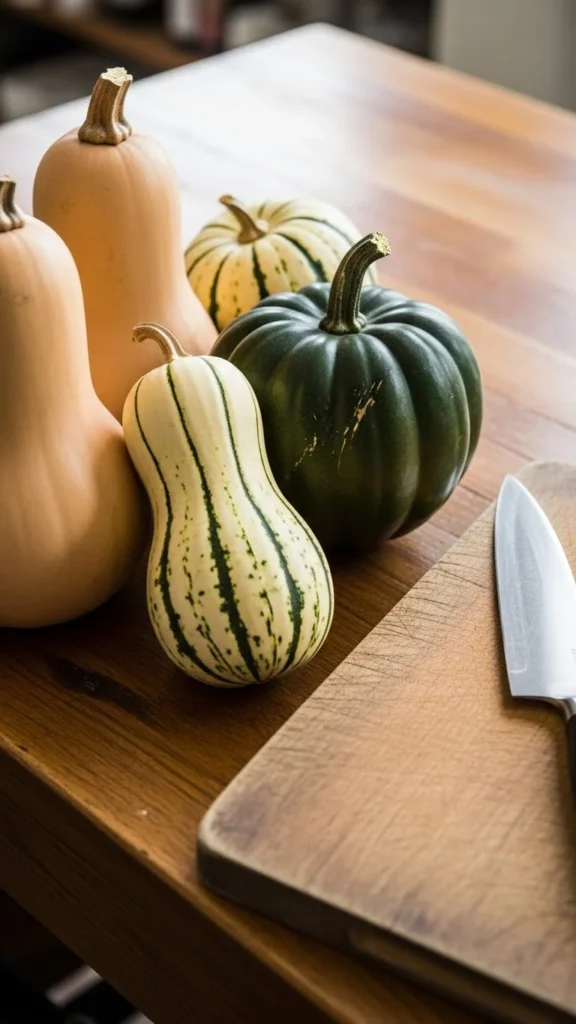
Tip: Heavier squash usually means denser flesh and better roasting results.
How to Prep Squash for Crispy Results
Preparation makes or breaks roasted squash.
Start by:
- Peeling thick-skinned squash
- Removing seeds
- Cutting into evenly sized pieces
Aim for cubes or wedges that are about the same size. This helps everything cook evenly.
After cutting:
- Pat the squash dry with a towel
- Spread it out before seasoning
Moisture is the enemy of crispiness. Drier squash roasts better.
Seasoning That Brings Out Natural Sweetness
You don’t need much to make squash taste amazing.
Basic seasoning:
- Olive oil
- Salt
- Black pepper
From there, you can add warmth and depth:
- Cinnamon or nutmeg
- Smoked paprika
- Garlic powder
- Fresh herbs like rosemary or thyme
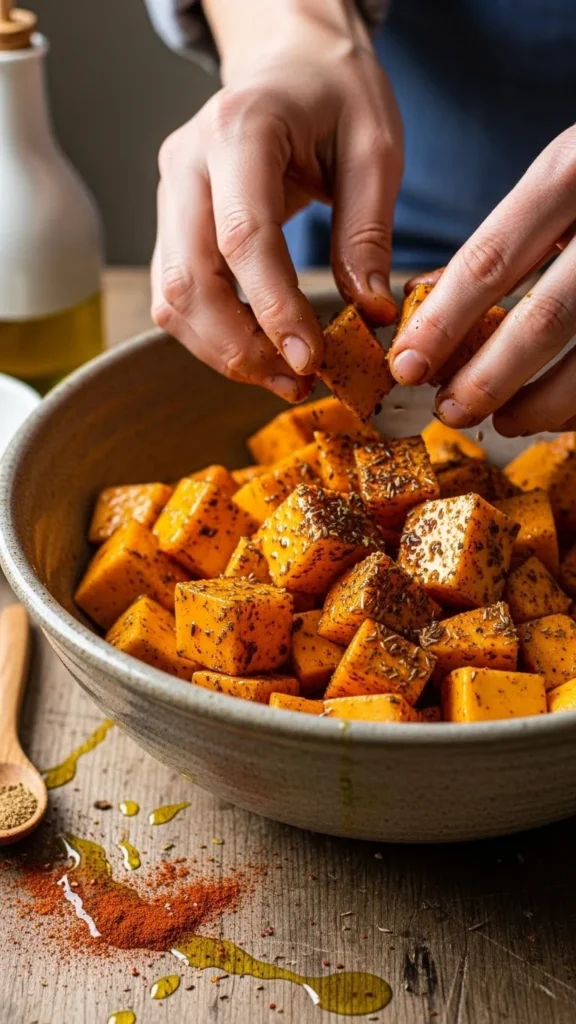
Avoid adding sweeteners before roasting. Squash already contains sugar, and extra sweetness can burn too quickly.
The Right Way to Roast for Crisp Edges
This step matters most.
Key roasting rules:
- Use a hot oven: 220°C / 425°F
- Line the tray with parchment
- Spread squash in a single layer
- Leave space between pieces
Crowding the tray traps steam, which leads to softness instead of crisp edges.
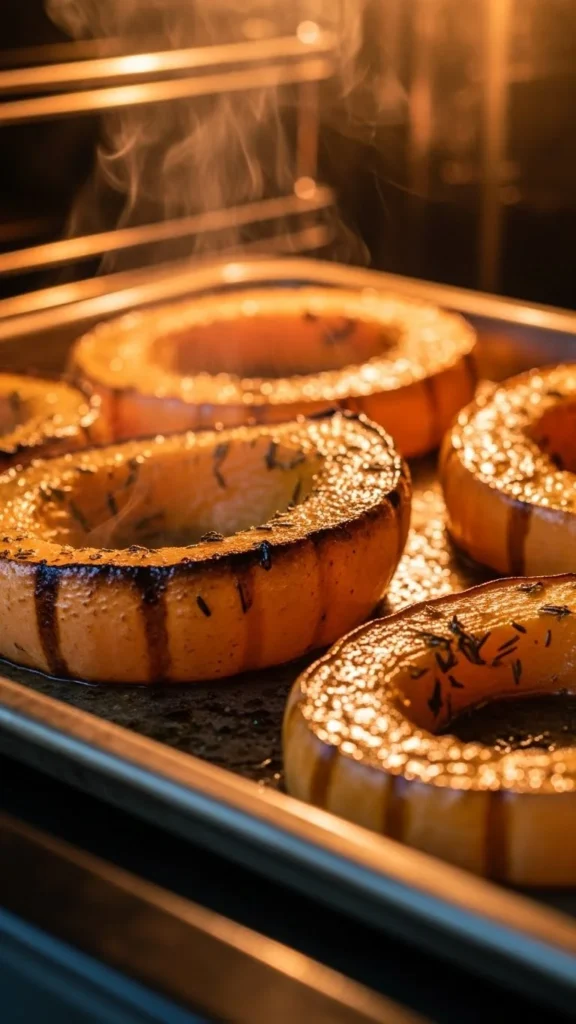
Roast for 25–35 minutes, flipping once halfway through. Look for:
- Golden-brown edges
- Tender centres
- Slight caramelisation
If needed, give it a few extra minutes. Crispness builds near the end.
How to Make Squash Extra Crispy Without Frying
If you want maximum crispiness, try these simple tricks:
- Preheat the baking tray before adding squash
- Use just enough oil to coat, not soak
- Finish under the grill for 2–3 minutes
You can also sprinkle a little grated hard cheese or breadcrumbs near the end for texture, but keep it light.
Easy Flavor Variations for Winter Meals
Roasted squash pairs well with many winter flavours.
Try these combinations:
- Squash + garlic + rosemary
- Squash + cumin + coriander
- Squash + chilli flakes + honey (added after roasting)
- Squash + balsamic drizzle once cooked
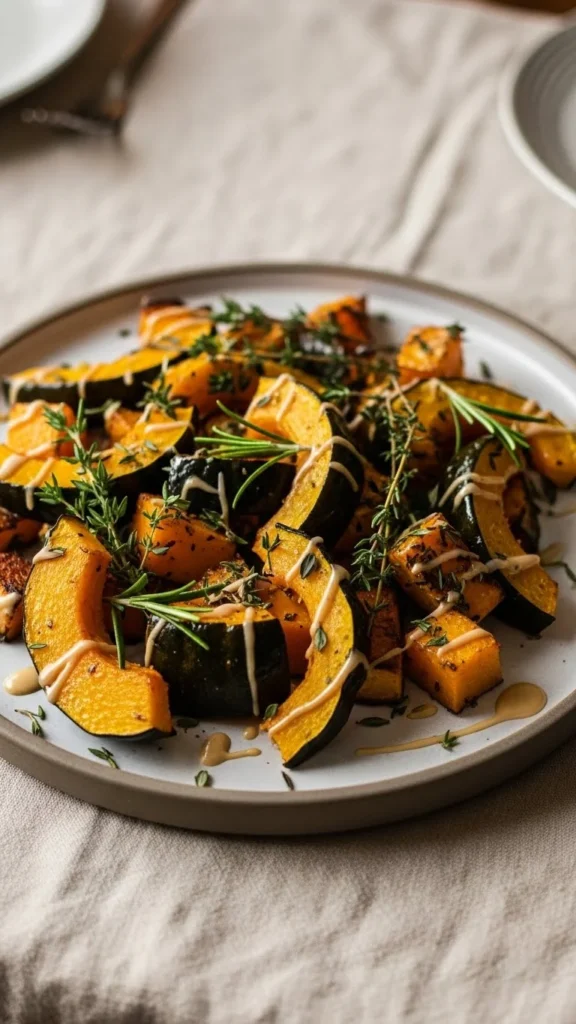
These variations turn roasted squash into a side, salad base, or grain bowl topping.
Storing and Reheating Without Losing Texture
Roasted squash is best fresh, but leftovers can still be good.
To store:
- Cool completely
- Refrigerate in an airtight container
To reheat:
- Use the oven or air fryer
- Avoid the microwave if possible
Dry heat brings back some crispness and keeps the flavour intact.
Final Takeaway
Sweet, crispy winter roasted squash isn’t complicated. It’s about dry prep, high heat, space on the tray, and simple seasoning. Once you get those basics right, squash becomes one of the most reliable and comforting winter dishes you can make.

Save this recipe for later, and let roasted squash bring warmth and comfort to your winter meals.

Hannah Collins is a passionate home cook and food storyteller who believes every recipe tells a little love story. At TastyWriter, she shares simple, delicious recipes made for real kitchens and busy days — from cozy comfort dishes to creative new favorites. When she’s not cooking, you’ll find her photographing food, testing family recipes, or sipping tea while dreaming up her next tasty idea.
Leave a Reply