

When winter hits, nothing beats a hot bowl of soup. But on busy days, chopping, simmering, and building flavour from scratch can feel like too much. That’s where winter soup bases come in. Think of them as your secret shortcut to comforting, homemade soup in minutes instead of hours.
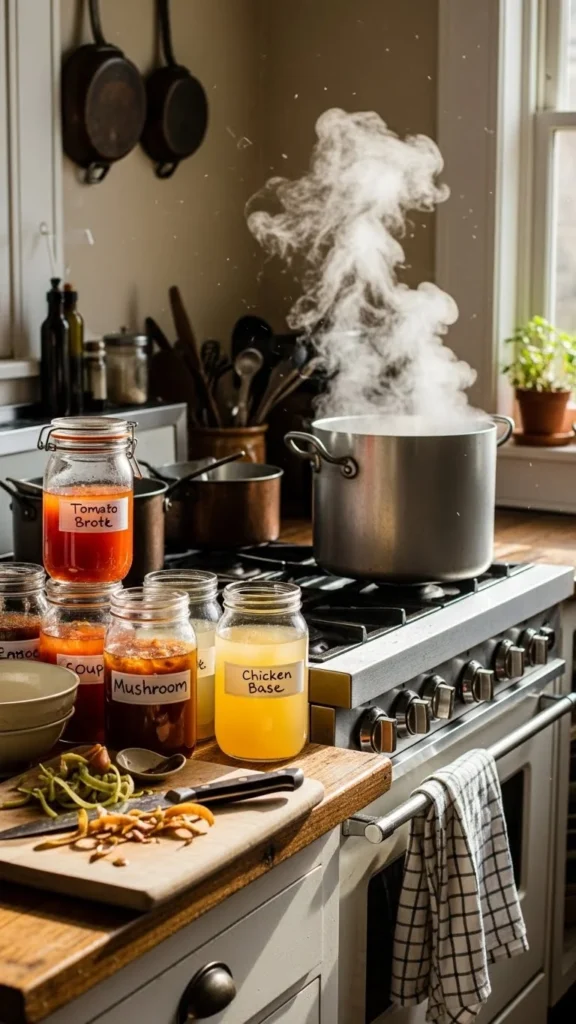
With a few simple prep sessions, you can stock your fridge or freezer with flavour-packed bases that turn weeknight dinners into something warm, fast, and deeply satisfying.
What Is a Soup Base (and Why It Matters in Winter)
A soup base is the foundation of flavour. It’s not a finished soup. It’s the starting point.
A good winter soup base usually includes:
- Aromatics like onion, garlic, or leeks
- Vegetables cooked down for sweetness
- Herbs and spices for warmth
- Fat or stock to carry flavour
In winter, bases matter more because slow, deep flavours are what make soups comforting. When this work is already done, the rest is easy.
Essential Ingredients for Winter Soup Bases
You don’t need special ingredients. You need the right combinations.
Start with these staples:
- Onions or shallots
- Garlic
- Carrots and celery
- Olive oil or butter
- Salt and pepper
Then build warmth with:
- Thyme, rosemary, or bay leaf
- Smoked paprika or cumin
- Ginger or turmeric for healing soups
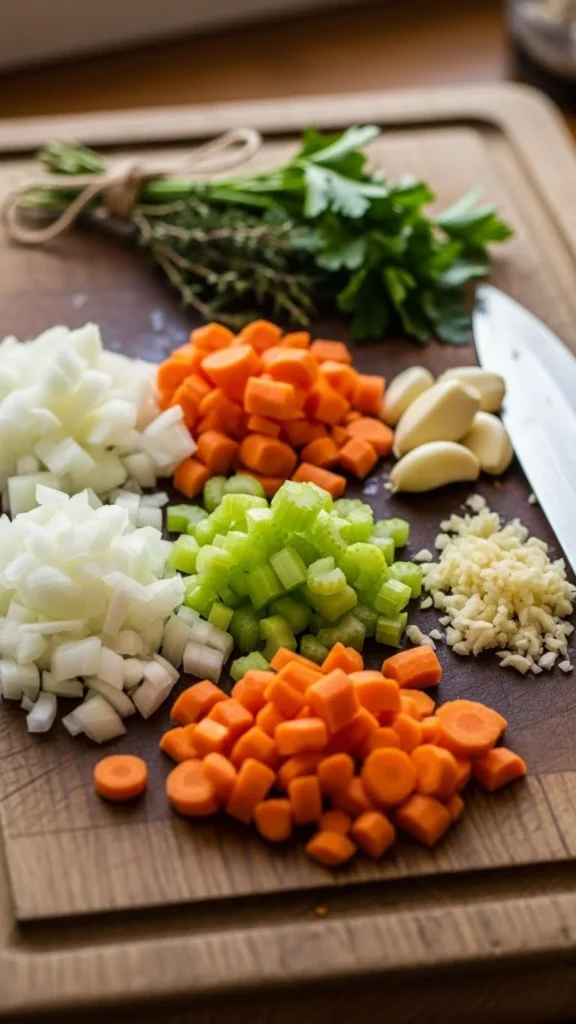
Keep flavours balanced. A base should be rich, but neutral enough to work with different add-ins later.
The Classic Winter Mirepoix Base
This is the most versatile base you can make.
How to prepare it:
- Dice onions, carrots, and celery evenly
- Heat olive oil or butter in a large pot
- Cook slowly until soft and lightly golden
- Season lightly with salt
Do not rush this step. Slow cooking brings out natural sweetness, which is key for winter soups.
Use this base for:
- Chicken soup
- Vegetable soup
- Bean or lentil soups
- Creamy blended soups
Once cooled, store in portions so you can grab exactly what you need.
Roasted Vegetable Soup Bases for Deep Flavor
Roasting adds instant winter comfort.
Great vegetables for roasting:
- Squash
- Sweet potatoes
- Carrots
- Onions
Toss vegetables with oil, salt, and pepper. Roast until caramelised, then blend or mash lightly.

This type of base works beautifully for:
- Creamy squash soup
- Spiced carrot soup
- Hearty vegetable chowders
Roasted bases freeze extremely well and reheat without losing flavour.
Healing Broth-Based Soup Foundations
Winter is also about wellness.
To build a nourishing base:
- Simmer onions, garlic, and ginger
- Add carrots, celery, and herbs
- Pour in water or stock
- Simmer gently for 45–60 minutes
Strain if you want a clear base, or leave vegetables in for heartier soups.
This base is perfect for:
- Immunity soups
- Light noodle soups
- Recovery meals
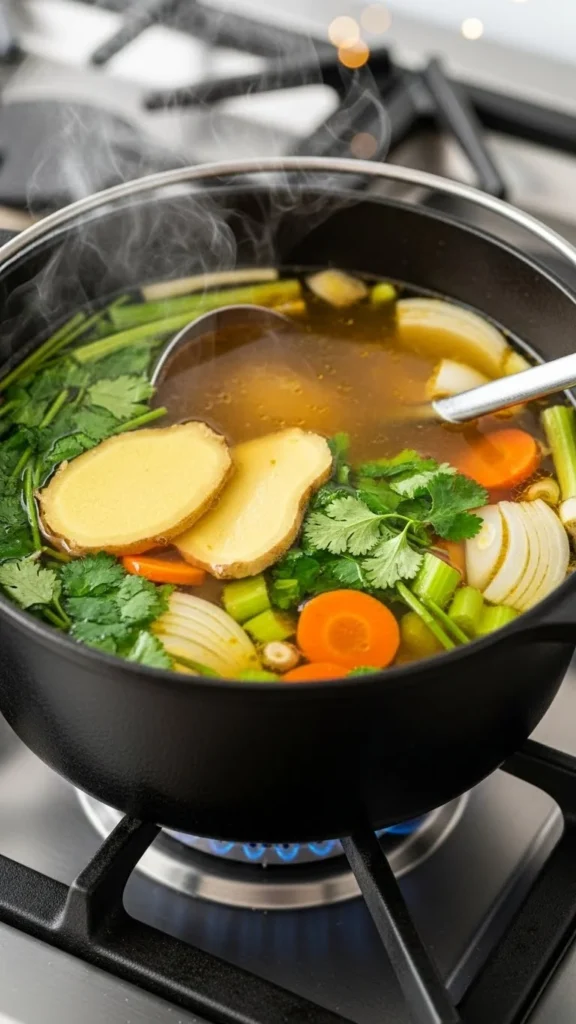
Keep seasoning light so you can adjust later depending on what you add.
Freezing and Storing Soup Bases Properly
Storage makes or breaks convenience.
Best storage methods:
- Glass jars for fridge use (up to 5 days)
- Silicone trays or containers for freezing
- Label with date and flavour
Freeze in small portions. One cup is usually perfect for a single pot of soup.
Tip: Let bases cool completely before freezing to avoid ice crystals and flavour loss.
How to Turn a Soup Base Into Dinner Fast
Once you have a base, soup comes together quickly.
Add any combination of:
- Cooked chicken or beans
- Pasta, rice, or barley
- Leafy greens
- Cream, coconut milk, or yoghurt
Simmer for 10–15 minutes, adjust seasoning, and serve.

This approach keeps winter cooking flexible and stress-free.
Flavour Variations to Keep Things Interesting
Change the base slightly and you get a whole new soup.
Try:
- Adding curry powder for spiced soups
- Tomato paste for richness
- Miso or soy sauce for depth
- Lemon zest for brightness
Small tweaks prevent winter meals from feeling repetitive.
Final Takeaway
Winter soup bases are one of the smartest kitchen habits you can build. They save time, reduce stress, and make homemade soup feel easy even on the coldest, busiest days.
Prep once. Eat well all week.
Save this guide for later, and make winter cooking warmer, faster, and far more comforting.

Hannah Collins is a passionate home cook and food storyteller who believes every recipe tells a little love story. At TastyWriter, she shares simple, delicious recipes made for real kitchens and busy days — from cozy comfort dishes to creative new favorites. When she’s not cooking, you’ll find her photographing food, testing family recipes, or sipping tea while dreaming up her next tasty idea.
Leave a Reply