

There’s a reason mac & cheese feels like the ultimate winter comfort food. It’s warm, rich, familiar, and instantly soothing on cold days. But not all mac & cheese delivers that ultra-creamy, cozy texture we crave in winter. Some turn grainy. Others dry out. And a few lose their magic by the next day.
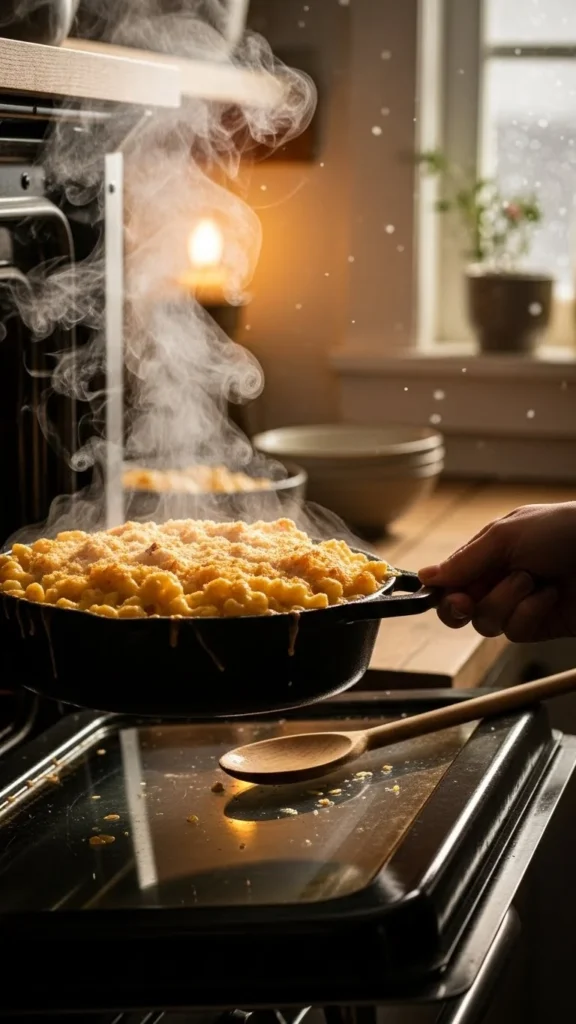
The good news? Extra-creamy winter mac & cheese isn’t about piling on more cheese. It’s about technique, balance, and timing. This guide breaks it down in simple steps so every bite stays smooth, velvety, and comforting.
What Makes Mac & Cheese Creamy (Not Just Cheesy)
Creaminess isn’t the same as heaviness. The goal is a sauce that coats every noodle without clumping or separating.
Creamy mac & cheese depends on:
- Proper fat-to-liquid balance
- Gentle heat
- The right cheese choices
- Well-cooked pasta
When one of these is off, the sauce can break or feel dry.
Winter mac & cheese works best when it’s rich but still soft enough to melt on your fork.
Choose the Right Pasta Shape
Pasta matters more than people think.
Best shapes for creamy mac & cheese:
- Elbow macaroni
- Cavatappi
- Shells
- Fusilli
These shapes trap sauce instead of letting it slide off.
Cook pasta just barely al dente. It should still have a slight bite because it will keep cooking once mixed with the sauce.
Tip: Salt the water generously. Bland pasta makes even the creamiest sauce taste flat.
Build a Smooth, Silky Cheese Sauce
This is where winter mac & cheese either wins or fails.
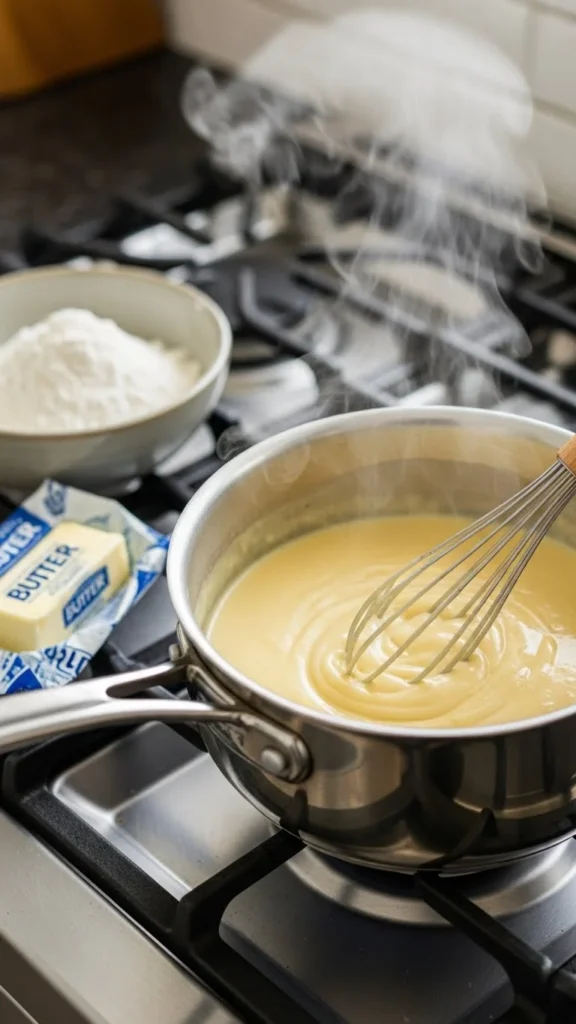
Start with a classic roux:
- Melt butter gently
- Whisk in flour
- Cook until pale and smooth
Then slowly add warm milk. Whisk constantly to avoid lumps.
For extra winter richness:
- Use whole milk
- Add a splash of cream if desired
- Warm the milk before adding
Never rush this step. Gentle heat keeps the sauce smooth.
Pick Cheeses That Melt Well
Not all cheeses behave the same when heated.
Best cheeses for creamy texture:
- Sharp cheddar (for flavour)
- Gruyère (for silkiness)
- Monterey Jack (for smooth melt)
- Fontina (for richness)
Avoid using only hard aged cheeses. They add flavour but can turn grainy.
Grate cheese fresh. Pre-shredded cheese contains anti-caking agents that prevent smooth melting.
Add cheese off the heat. Stir slowly until melted. This prevents separation.
Add Winter Comfort Boosters (Optional but Worth It)
Small additions can make mac & cheese feel more seasonal and satisfying.
Try adding:
- A pinch of nutmeg
- Dijon mustard for depth
- Garlic powder or roasted garlic
- Smoked paprika for warmth
These don’t overpower the dish. They simply make it feel fuller and cozier.
Combine Pasta and Sauce the Right Way
Pour cooked pasta into the sauce, not the other way around.
Stir gently until:
- Every noodle is coated
- Sauce still looks loose
- Nothing feels stiff or sticky
If the sauce thickens too much:
- Add a splash of warm milk
- Stir gently to loosen
Winter mac & cheese should look slightly saucier than you think. It thickens as it rests.
Baked or Stovetop? Both Can Be Creamy
You can keep mac & cheese stovetop-style or bake it lightly.
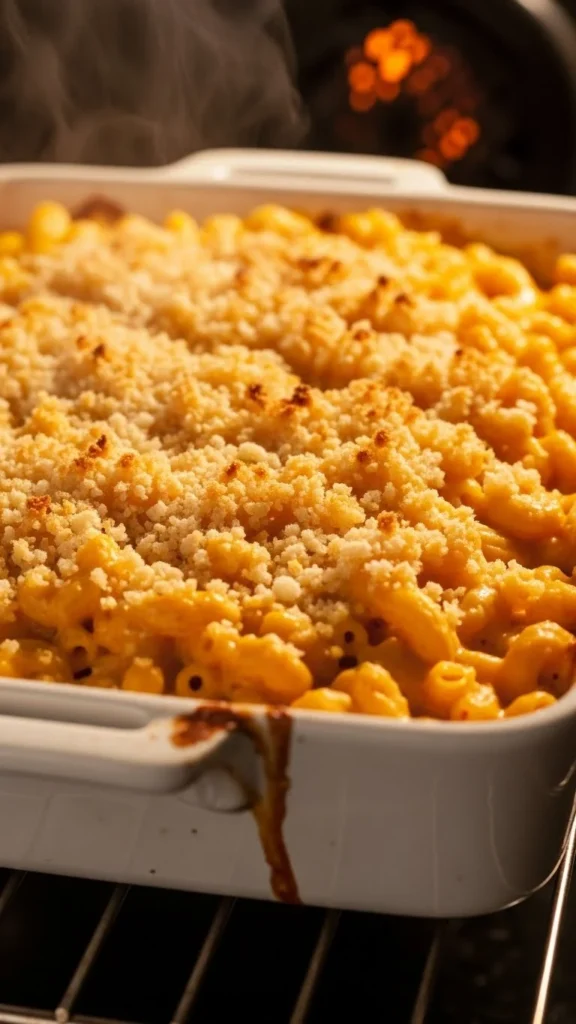
For baked mac & cheese:
- Transfer to a buttered dish
- Add a thin breadcrumb topping (optional)
- Bake briefly, just until bubbly
Overbaking dries it out. The goal is warmth, not crispiness.
If you prefer stovetop, simply keep it covered until serving.
How to Keep Mac & Cheese Creamy After Cooking
Mac & cheese continues to absorb sauce as it sits.
To keep it creamy:
- Cover loosely after cooking
- Stir gently before serving
- Add warm milk if needed
For leftovers:
- Reheat slowly
- Add milk or cream
- Avoid microwaving uncovered

Common Creaminess Mistakes to Avoid
If mac & cheese turns dry or grainy, one of these is usually the cause:
- Cheese added over high heat
- Sauce cooked too long
- Pasta overcooked
- Too much flour
Gentle heat and patience solve most problems.
Final Takeaway
Winter mac & cheese should feel warm, smooth, and comforting, not stiff or heavy. When you focus on sauce technique, cheese balance, and gentle cooking, creaminess comes naturally.
This is the kind of dish meant for slow evenings, shared bowls, and seconds that feel just as good as the first.
Save this recipe for later, and make winter comfort food that always delivers.

Hannah Collins is a passionate home cook and food storyteller who believes every recipe tells a little love story. At TastyWriter, she shares simple, delicious recipes made for real kitchens and busy days — from cozy comfort dishes to creative new favorites. When she’s not cooking, you’ll find her photographing food, testing family recipes, or sipping tea while dreaming up her next tasty idea.
Leave a Reply