

There’s something almost magical about a plate of perfectly scrambled eggs — soft, creamy, and luxuriously silky. They’re simple, yes, but when done right, they feel like something straight off a café brunch menu. Whether you like them rich and custardy or light and fluffy, mastering scrambled eggs is all about technique. Once you know the secrets, you’ll never settle for dry, rubbery eggs again.

Step 1: Start with Quality Ingredients
When your dish only has a few ingredients, every one of them counts.
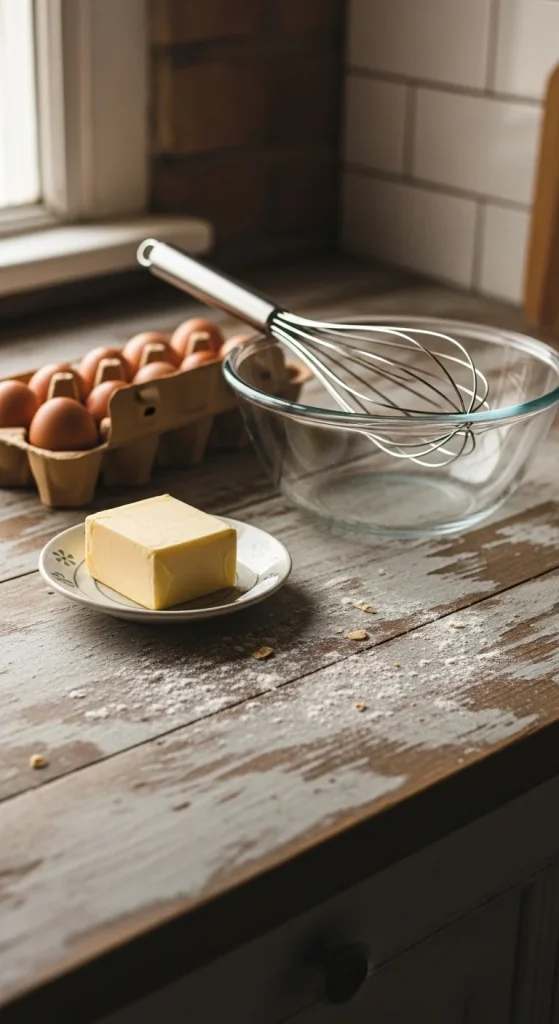
You’ll need:
- 4 large eggs (fresh eggs make a noticeable difference)
- 1 tablespoon butter (unsalted, for flavor and smoothness)
- Salt & pepper to taste
- Optional: 1 tablespoon milk or cream for extra fluffiness
Pro tip: The fresher the eggs, the tighter the whites and richer the flavor. If your eggs have been sitting around a bit, they’ll still work, but nothing beats farm-fresh ones.
Step 2: Whisk for the Right Texture
This step sets the tone for how your eggs will turn out — airy or dense, creamy or clumpy.
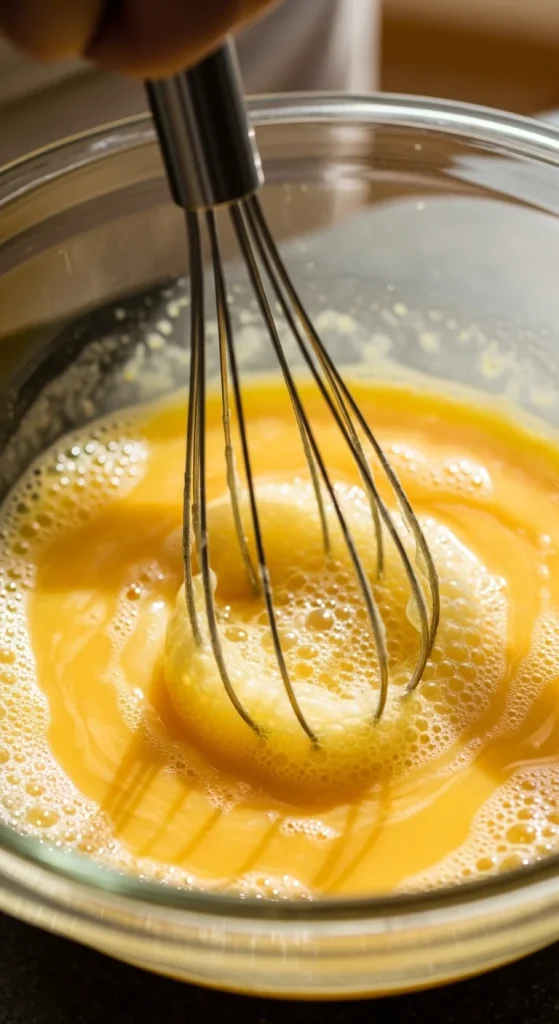
Crack your eggs into a bowl and whisk thoroughly until the yolks and whites are fully combined and the mixture turns pale yellow. The goal is to incorporate air, which makes your eggs fluffier.
Want them creamier? Add a splash (1 tbsp) of milk, cream, or even crème fraîche before whisking.
Pro tip: Don’t over-salt the eggs early — salt breaks down the proteins and can make them watery. Season lightly just before or during cooking.
Step 3: Low Heat Is the Secret
Perfect scrambled eggs don’t like to rush. Medium to low heat gives you control and prevents overcooking.
- Heat a nonstick pan over low to medium-low heat.
- Add the butter and let it melt slowly until it starts to foam — not brown.
- Pour in your egg mixture and let it sit untouched for a few seconds.
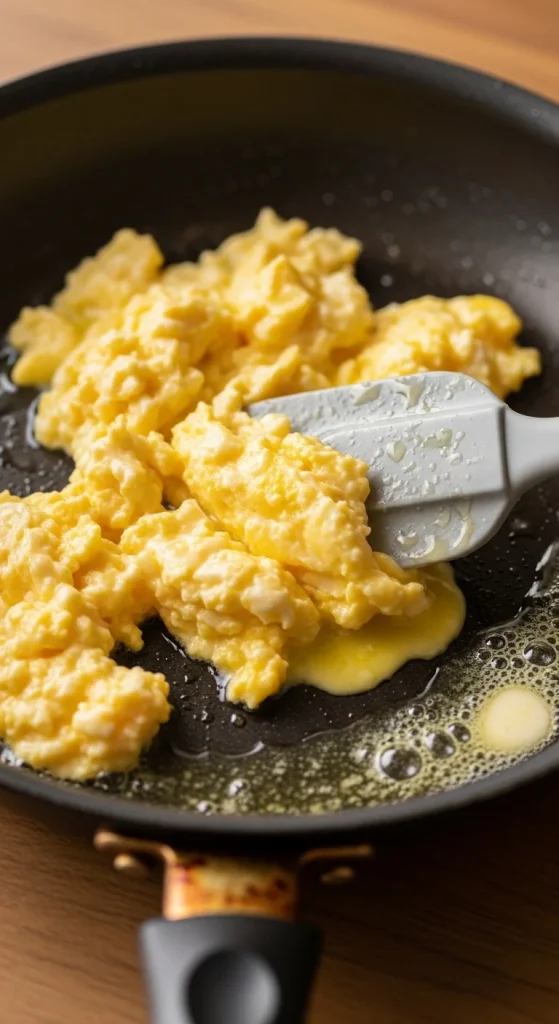
Now, using a silicone spatula or wooden spoon, gently stir from the edges toward the center, forming soft curds. Move slowly and patiently — the eggs should look glossy and slightly runny at first.
Pro tip: Stir less for big, fluffy curds; stir constantly for creamy, custard-like eggs.
Step 4: Know When to Stop Cooking
The biggest mistake people make? Waiting until the eggs look done before taking them off the heat. Scrambled eggs continue to cook from residual heat, so you want to stop just before they’re fully set.
Look for these signs:
- The eggs are mostly set but still look slightly glossy.
- They slide around easily in the pan.
- When you push them gently, they come together softly, not stiffly.
Take them off the stove and let them rest for about 10–15 seconds — they’ll finish cooking perfectly on their own.
Optional upgrade: Stir in a small pat of butter or spoonful of crème fraîche right after removing from the heat for an ultra-creamy finish.
Step 5: Season & Serve
Now’s the time to season properly. Sprinkle with salt and pepper, and add any toppings you like — the possibilities are endless!
Try these delicious add-ons:
- Fresh herbs: Chives, parsley, or dill for brightness
- Cheese: Cheddar, feta, or parmesan for richness
- Veggies: Sautéed mushrooms, spinach, or cherry tomatoes
- Extras: Smoked salmon, avocado, or crispy bacon for something special
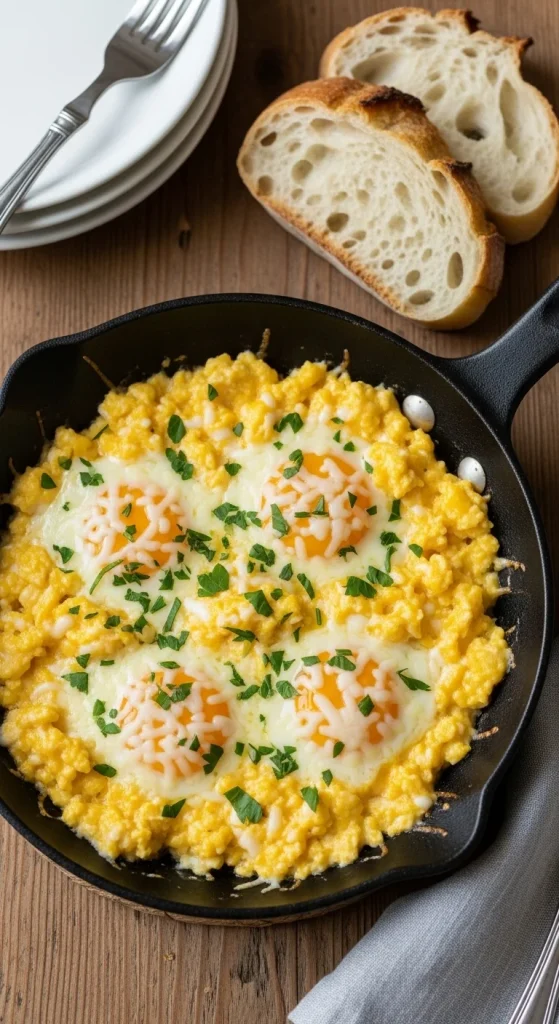
Serve immediately — scrambled eggs wait for no one! Pair them with buttered toast or flaky croissants for the ultimate breakfast experience.

Step 6: Common Mistakes to Avoid
Even the simplest recipes have pitfalls. Here are a few to steer clear of:
- High heat = disaster. It dries out your eggs in seconds.
- Over-salting too early. Salt too soon, and your eggs can turn watery.
- Walking away from the pan. Scrambled eggs need gentle attention.
- Overcooking. Always stop just before they look done — the pan’s heat will finish the job.
If you’ve been guilty of any of these (we’ve all been there!), this new technique will be your redemption.
Step 7: Flavor Variations to Try
Once you’ve mastered the basics, mix things up!
- Garlic Butter Scramble: Melt a little garlic butter before adding the eggs.
- Cheesy Dream: Add shredded cheese right before removing from heat for gooey, melty pockets.
- Mediterranean Style: Mix in olives, sun-dried tomatoes, and feta.
- Truffle Twist: A drizzle of truffle oil or a sprinkle of truffle salt can instantly elevate your breakfast.
Each variation brings something unique — and proves that scrambled eggs can be so much more than “just breakfast.”
The Final Scoop
Cooking perfect scrambled eggs is about patience, low heat, and knowing when to stop. Once you’ve mastered the basics, you’ll find that they’re not just a breakfast staple — they’re a canvas for creativity.
So tomorrow morning, take a little extra time, turn down the heat, and treat yourself to eggs that are truly next-level — silky, fluffy, and unforgettable.
Save this recipe for later — your mornings are about to get a lot more delicious!
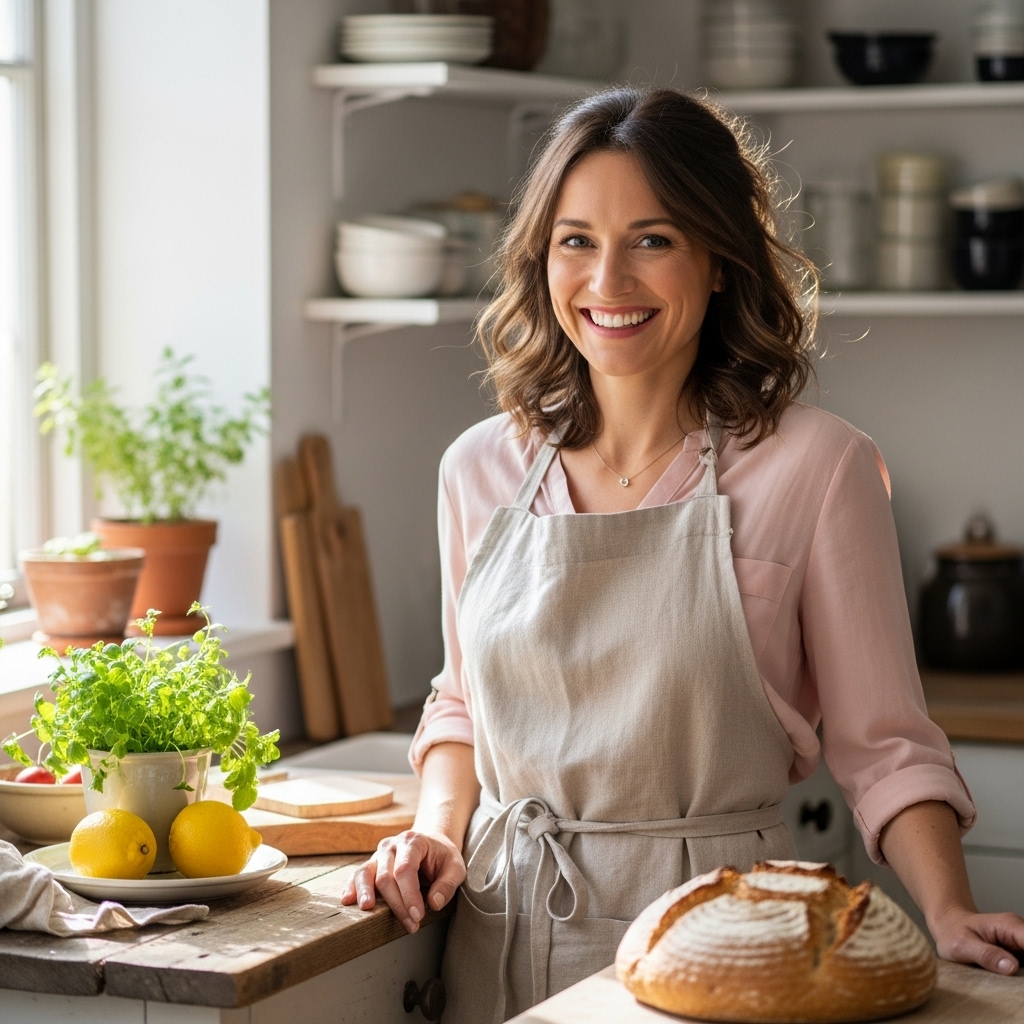
Hannah Collins is a passionate home cook and food storyteller who believes every recipe tells a little love story. At TastyWriter, she shares simple, delicious recipes made for real kitchens and busy days — from cozy comfort dishes to creative new favorites. When she’s not cooking, you’ll find her photographing food, testing family recipes, or sipping tea while dreaming up her next tasty idea.
Leave a Reply