

Spring meal prep feels different from winter. Heavy stews and long cooking sessions lose their appeal. Instead, you want meals that feel light, colourful, and easy to mix and match. The good news is spring ingredients make meal prep simpler, not harder. When you work with what’s in season, food cooks faster, tastes better, and stays interesting all week.
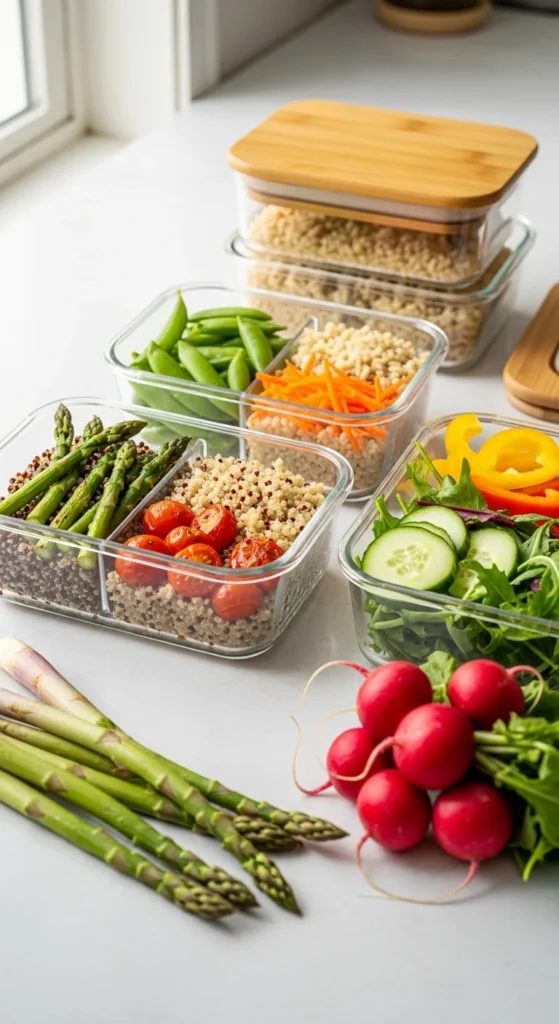
This guide shows you how to meal prep for spring in a way that stays flexible, affordable, and enjoyable—without eating the same boring meal five days in a row.
Start with a Spring-Focused Game Plan
Spring meal prep works best when you stop thinking in full meals and start thinking in components.
Instead of planning:
- Monday meal
- Tuesday meal
- Wednesday meal
Plan:
- A few vegetables
- One or two proteins
- One base
- A couple of sauces or finishes
This lets you mix and match all week.
A simple spring prep structure:
- 2–3 seasonal vegetables
- 1 grain or carb
- 1–2 proteins
- 2 light sauces or dressings
With this setup, you can build bowls, salads, wraps, and quick dinners without extra cooking.
Choose Seasonal Ingredients That Prep Well
Not every spring vegetable loves being stored for days. Focus on ones that hold texture and flavour.
Spring vegetables that meal prep well:
- Asparagus
- Carrots
- Radishes
- Broccoli
- Cabbage
- Spinach (lightly cooked)
Ingredients to prep lightly or fresh:
- Soft herbs
- Delicate lettuces
- Avocados
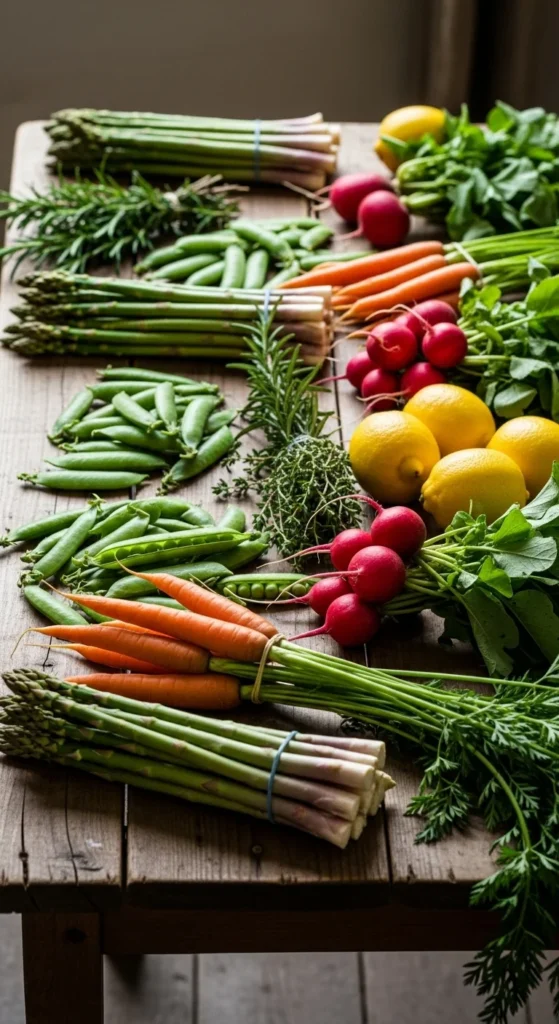
Buying seasonal ingredients usually means better prices and better taste. If it looks good at the shop, it will likely hold up better during the week.
Cook Vegetables Simply and Stop Early
Spring vegetables taste best when they keep some bite. Overcooking makes meal prep feel dull by day three.
Best cooking methods for prep:
- Roasting at high heat
- Quick sautéing
- Blanching followed by cooling
Smart approach:
- Roast vegetables until just tender
- Keep colours bright
- Let them cool fully before storing
Examples:
- Roast carrots and radishes with olive oil and salt
- Sauté asparagus quickly and finish with lemon
- Blanch broccoli or green beans for salads
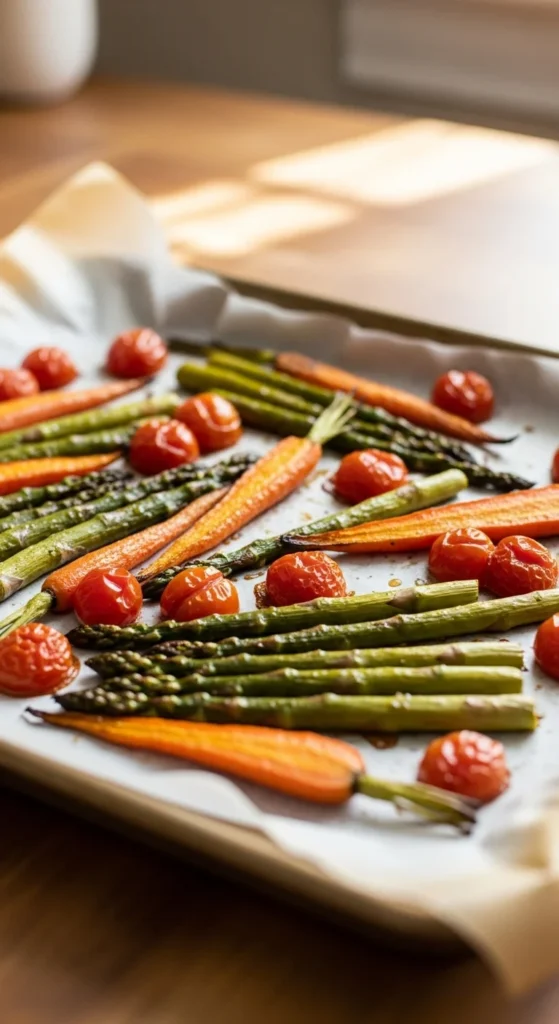
Undercooking slightly is a good thing. You can always reheat or finish cooking later.
Prep One Base That Works Multiple Ways
Your base anchors the week. Choose something neutral and flexible.
Good spring meal prep bases:
- Rice or brown rice
- Quinoa
- Small pasta shapes
- Boiled or roasted potatoes
Cook once. Use many ways.
Examples:
- Rice for bowls, stir-fries, or salads
- Potatoes for warm dinners or cold salads
- Pasta for quick lunches or light dinners
Season lightly. Save bold flavours for sauces and toppings.
Add Protein That Doesn’t Feel Heavy
Spring meals feel better with lighter proteins that still satisfy.
Easy spring-friendly proteins:
- Chickpeas or white beans
- Lentils
- Eggs
- Tofu
- Fish or chicken (if you use them)
Prep protein simply:
- Roast chickpeas with spices
- Simmer lentils with salt and herbs
- Pan-sear tofu until golden
- Hard-boil eggs for grab-and-go meals
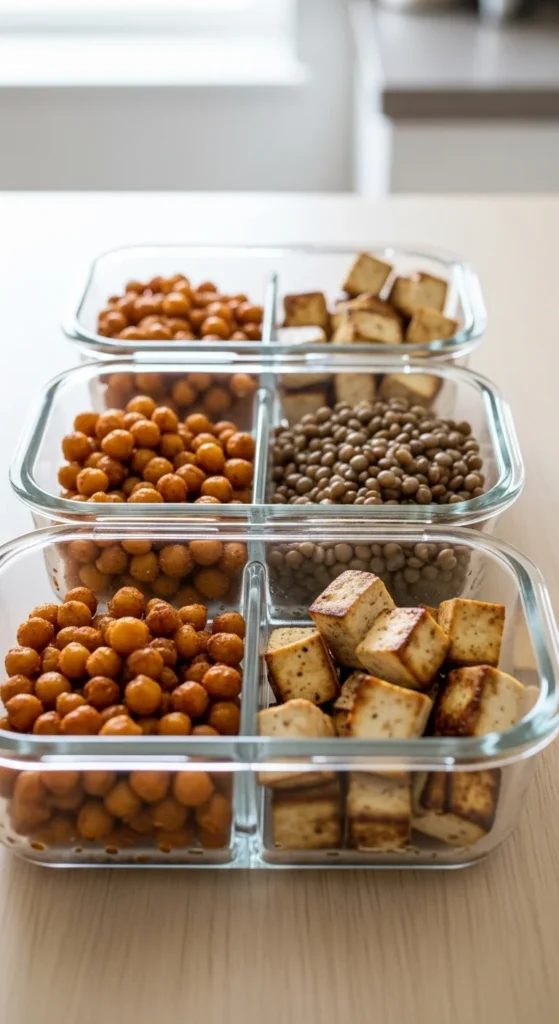
Keep seasoning neutral so proteins fit different meals throughout the week.
Make Two Light Sauces to Change Everything
Sauces are what stop meal prep from tasting repetitive.
You only need two.
Easy spring sauce ideas:
- Lemon vinaigrette (oil, lemon juice, salt)
- Yogurt or plant yogurt sauce with garlic
- Tahini with water and lemon
- Soy sauce with lime and a pinch of sugar
Store sauces separately. Add them right before eating.
This keeps textures fresh and flavours bright.
Assemble, Don’t Over-Pack
Avoid building full meals in containers unless you know you’ll eat them exactly as-is.
Instead:
- Store components separately
- Combine when serving
- Change textures and temperatures
Easy mix-and-match ideas:
- Grain + veg + sauce = bowl
- Greens + protein + veg = salad
- Wrap base + leftovers = quick lunch
- Warm veg over rice = fast dinner
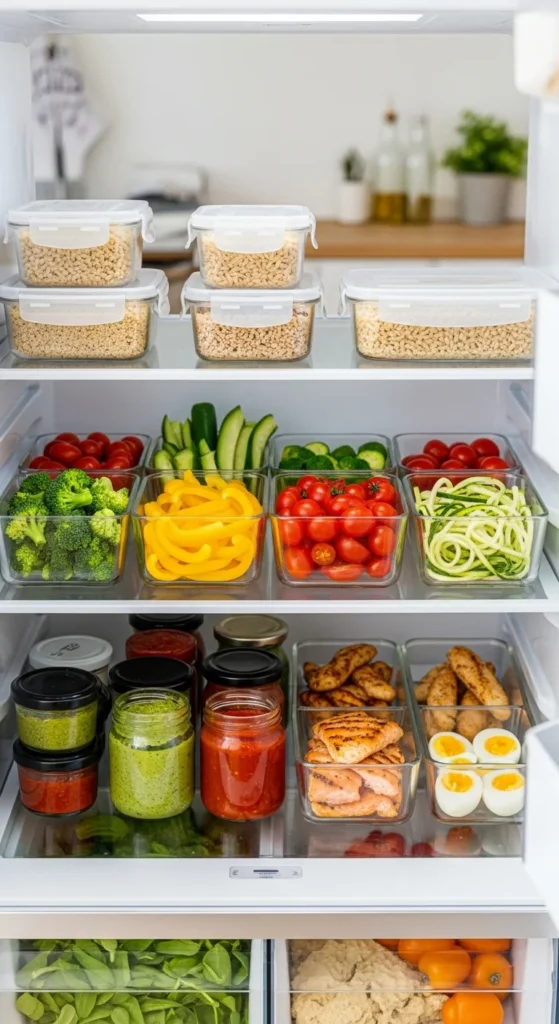
This approach keeps food interesting without more work.
Keep Things Fresh All Week
A few habits help your prep last longer.
Smart storage tips:
- Let food cool before sealing
- Use airtight containers
- Keep greens dry
- Store sauces separately
- Refresh with lemon or herbs before eating
If something tastes flat by day four, it usually needs:
- Salt
- Acid
- Fresh herbs
Small adjustments go a long way.
Final Takeaway
Spring meal prep works best when it stays flexible. Focus on seasonal ingredients, simple cooking, and mix-and-match components. When you prep this way, meals feel lighter, brighter, and far less repetitive.
Save this guide for later, and use it as your spring reset for stress-free, flavourful meal prep.

Hannah Collins is a passionate home cook and food storyteller who believes every recipe tells a little love story. At TastyWriter, she shares simple, delicious recipes made for real kitchens and busy days — from cozy comfort dishes to creative new favorites. When she’s not cooking, you’ll find her photographing food, testing family recipes, or sipping tea while dreaming up her next tasty idea.
Leave a Reply