

Spring salads should feel exciting, not like a side dish you eat out of obligation. If your salads usually end up bland, watery, or forgettable, the problem isn’t the vegetables—it’s the structure. A good spring salad has contrast, balance, and a few smart upgrades that turn simple greens into something you actually look forward to eating.
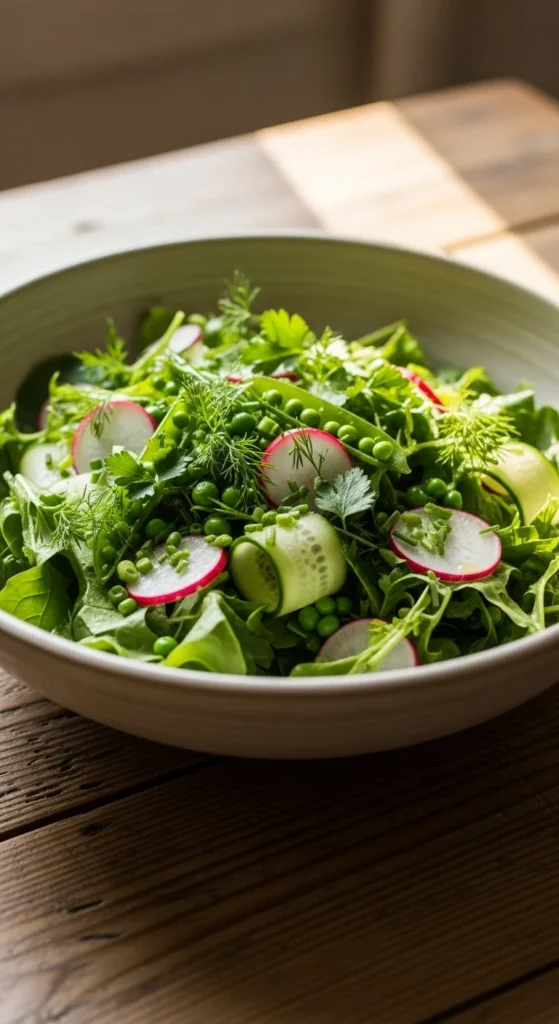
This guide shows you how to build spring salads that stay bright, crunchy, and full of flavor without complicated steps or expensive ingredients.
Start with a Better Base Than Plain Greens
Leafy greens matter, but they should not do all the work. A salad built only on lettuce gets boring fast.
Strong spring bases to mix and match:
- Baby spinach
- Arugula
- Butter lettuce
- Shaved cabbage
- Mixed herbs like parsley and dill
The trick is combining textures. Pair soft leaves with something crisp so every bite feels different.
Try this:
- Spinach + shaved cabbage
- Butter lettuce + sliced fennel
- Arugula + chopped parsley
Budget tip: cabbage is cheap, lasts longer than lettuce, and stays crunchy even with dressing.
Before assembling:
- Wash greens well
- Dry them completely (wet greens kill flavor)
- Tear, don’t chop, delicate leaves
A dry, mixed base sets you up for a salad that actually holds dressing instead of watering it down.
Add One Warm or Roasted Element
Cold salads taste flat if everything is raw. One warm ingredient changes everything.
Easy warm add-ins:
- Roasted carrots
- Pan-seared mushrooms
- Warm potatoes
- Crispy chickpeas
- Grilled asparagus
These add depth and make salads feel like a full meal.
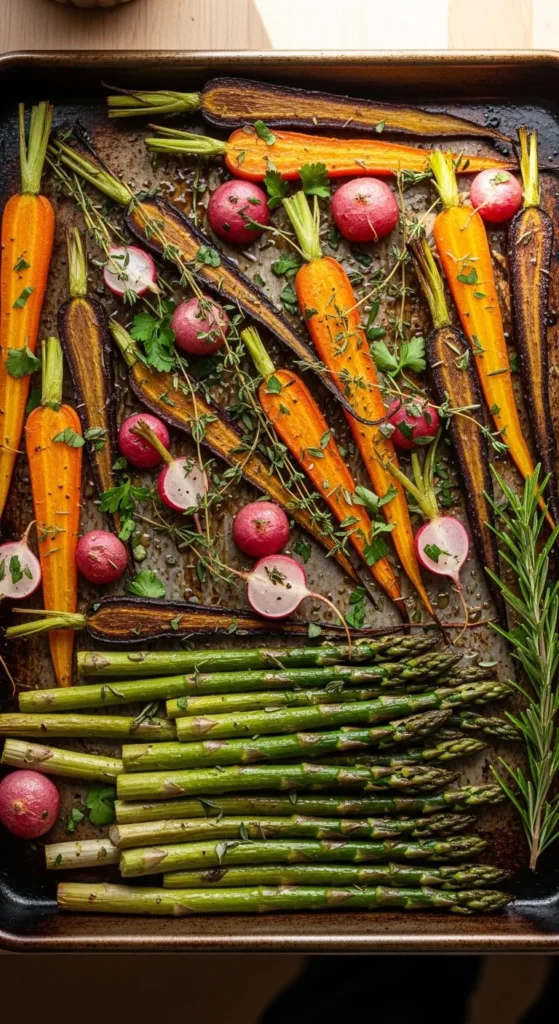
How to do it simply:
- Roast vegetables at high heat
- Use oil and salt only
- Stop cooking while they still have bite
- Let them cool slightly before adding to greens
Warm plus cool creates contrast. That’s where salads stop feeling boring.
Use Crunch on Purpose (Not as an Afterthought)
Crunch keeps salads interesting. Without it, everything feels soft and repetitive.
Reliable crunchy options:
- Toasted nuts or seeds
- Croutons (even store-bought work)
- Raw snap peas
- Sliced radishes
- Fried onions or shallots
You only need one or two.
Budget-friendly crunch ideas:
- Toast sunflower seeds in a dry pan
- Use crushed crackers instead of croutons
- Add thinly sliced cabbage or apples
Add crunchy elements right before serving so they stay crisp.
Build Flavor with Layers, Not Just Dressing
Dressing alone can’t fix a bland salad. Flavor should come from several places.
Think in layers:
- Salt: lightly season vegetables, not just the dressing
- Fat: oil, nuts, avocado
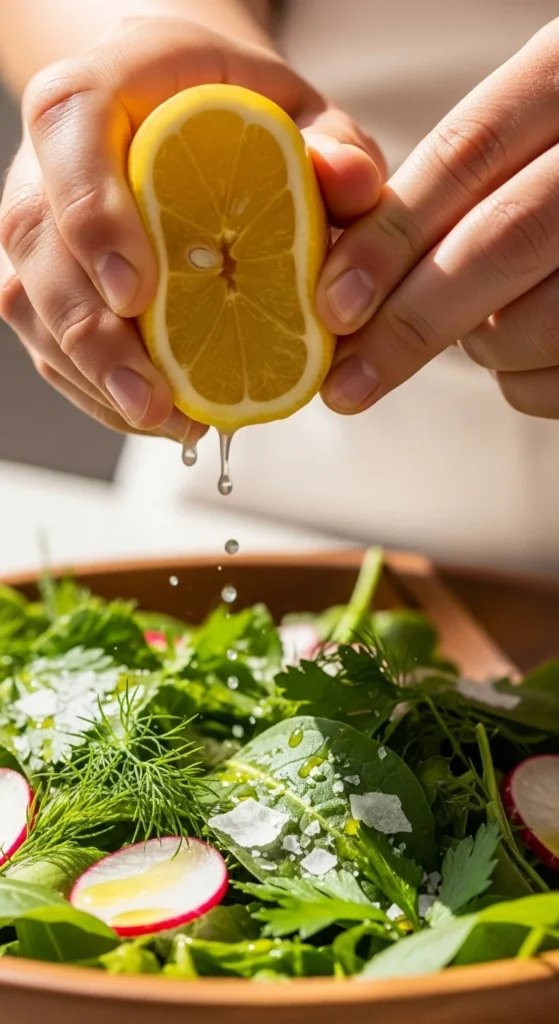
- Acid: lemon juice or vinegar
- Sweet: fruit, roasted veg, or a pinch of sugar
- Savory: olives, pickles, capers, or cheese (if using)
A little from each category keeps things balanced.
Even a basic salad improves when you:
- Salt roasted vegetables before adding them
- Add lemon zest, not just juice
- Use pickled onions or cucumbers for sharpness
Keep Dressings Simple and Bright
Spring dressings should be light and punchy, not heavy or creamy unless balanced well.
Basic spring dressing formula:
- 3 tablespoons oil
- 1 tablespoon acid
- Salt and pepper
- Optional: mustard, honey, or grated garlic
Shake in a jar. Taste. Adjust.
Good spring dressing ideas:
- Lemon + olive oil + mustard
- Vinegar + oil + a pinch of sugar
- Yogurt + lemon + salt (for creamy but light)
Dress salads lightly at first. Add more only if needed.
Too much dressing hides flavor instead of helping it.
Make It Filling Without Making It Heavy
A good spring salad should leave you satisfied, not hungry an hour later.
Add one solid element:
- Beans or lentils
- Grains like quinoa or rice
- Roasted potatoes
- Eggs or tofu
- Pasta (small shapes work best)
Keep portions moderate so the salad still feels light.
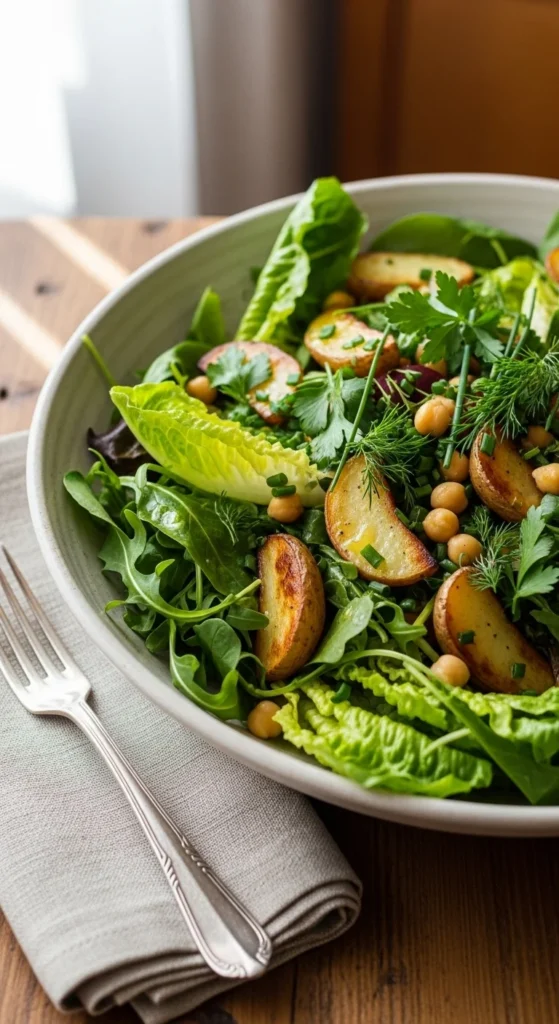
Simple filling combos:
- Lentils + herbs + greens
- Potatoes + mustard dressing + greens
- Chickpeas + roasted veg + lemon
These turn salads into real meals.
Finish with One “Extra” That Makes It Memorable
This is the detail people remember.
Choose one:
- Fresh herbs
- Citrus zest
- Pickled vegetables
- Toasted spices
- A drizzle of something bold
Examples:
- Dill on potato salads
- Lemon zest on bean salads
- Chili oil on greens
- Balsamic glaze on fruit salads
You don’t need many extras. Just one done well.
Conclusion: Build Salads You Actually Want to Eat
Spring salads don’t have to be boring, watery, or forgettable. When you mix textures, add warmth, layer flavor, and finish with something bold, salads become meals you crave.
Next time you make a salad, stop thinking of it as “just greens.” Build it with intention, and it will show.
Save this guide for later, and use it all spring long.

Hannah Collins is a passionate home cook and food storyteller who believes every recipe tells a little love story. At TastyWriter, she shares simple, delicious recipes made for real kitchens and busy days — from cozy comfort dishes to creative new favorites. When she’s not cooking, you’ll find her photographing food, testing family recipes, or sipping tea while dreaming up her next tasty idea.
Leave a Reply