

Spring is the season when cooking should feel lighter, easier, and a little more fun. The produce is fresher, the colors are brighter, and suddenly you don’t need complicated recipes to make food taste good. In fact, spring is the perfect time to simplify your cooking and let seasonal ingredients do most of the work.
If you’ve ever stood in the kitchen wondering what to make that’s fresh, easy, and not overly time-consuming, this guide is for you.
Here’s how to make simple spring recipes using seasonal ingredients—without stress or fancy techniques.
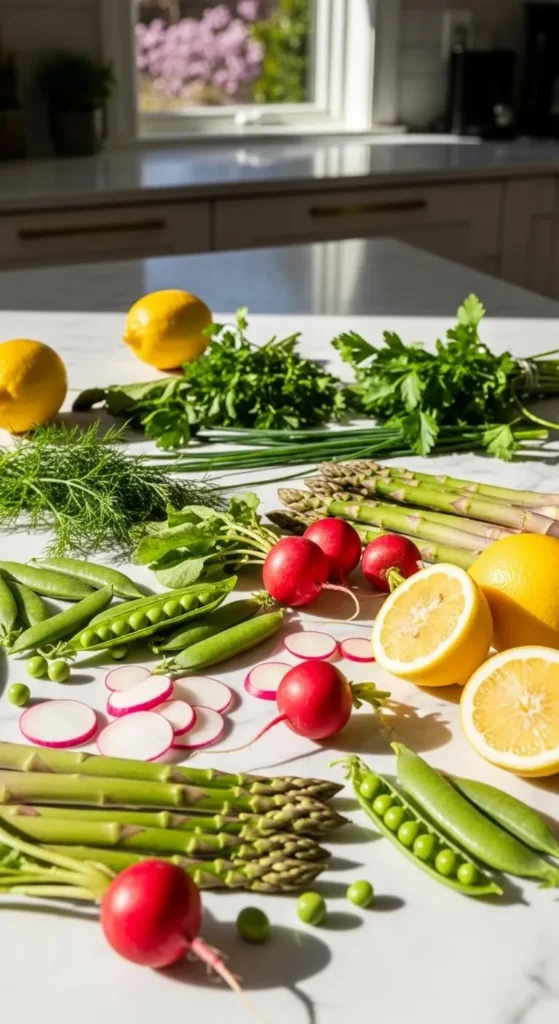
Start With What’s in Season (That’s Your Recipe Base)
The easiest spring recipes start at the produce section. Seasonal ingredients are naturally more flavorful, which means you don’t need much to make them taste amazing.
Common spring ingredients to look for:
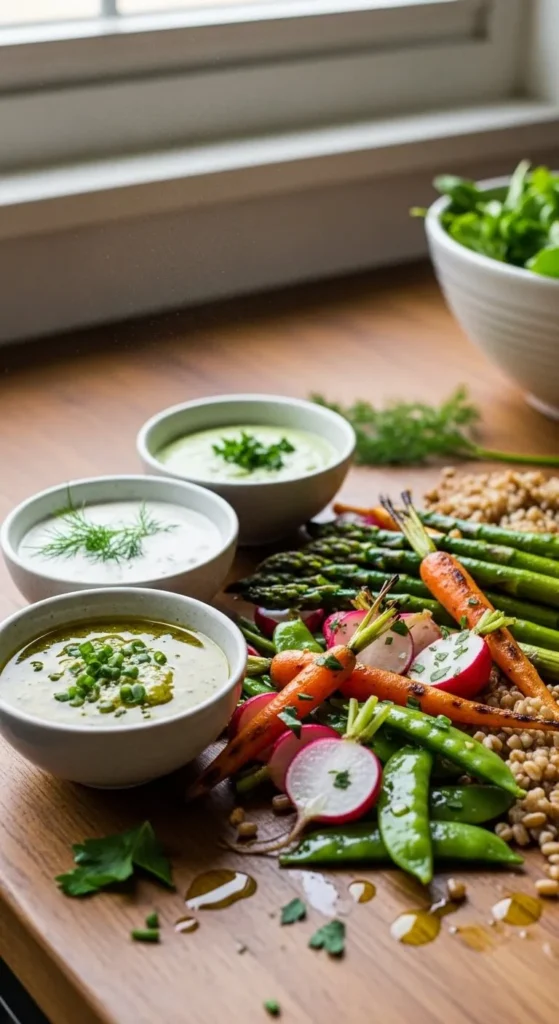
- Asparagus and snap peas
- Spinach, arugula, and baby greens
- Radishes and spring onions
- Carrots and new potatoes
- Strawberries and citrus
- Fresh herbs like parsley, dill, mint, and chives
When you choose ingredients at their peak:
- Cooking times are shorter
- Flavors are brighter
- Recipes stay simple
Instead of planning a dish first, let the produce inspire what you make.
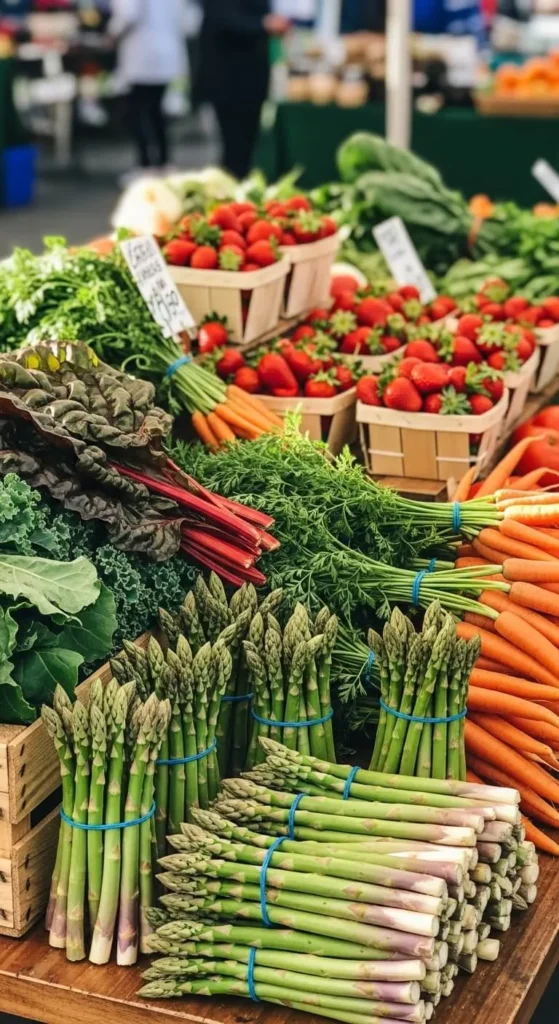
Keep Spring Recipes Short and Flexible
Spring cooking isn’t about long ingredient lists or precise measurements. It’s about easy combinations that can change based on what you have.
A simple spring recipe formula:
- 1–2 seasonal vegetables
- A basic protein (optional)
- Olive oil or butter
- Salt, pepper, and one bright flavor
Bright flavors can be:
- Lemon juice or zest
- Vinegar
- Fresh herbs
- A light cheese
This flexible approach means you’re not locked into a recipe—and you can adapt based on your fridge.
Use Easy Cooking Methods That Don’t Overwhelm Ingredients
Spring vegetables are tender, so simple cooking methods work best.
Go-to methods for spring recipes:
- Roasting: Toss vegetables with olive oil and roast until just tender
- Quick sautéing: Perfect for greens, peas, and asparagus
- Blanching: Keeps vegetables crisp and colorful
- Raw prep: Great for salads and quick sides
Avoid heavy sauces or long cooking times. If vegetables lose their color, they’ve probably cooked too long.
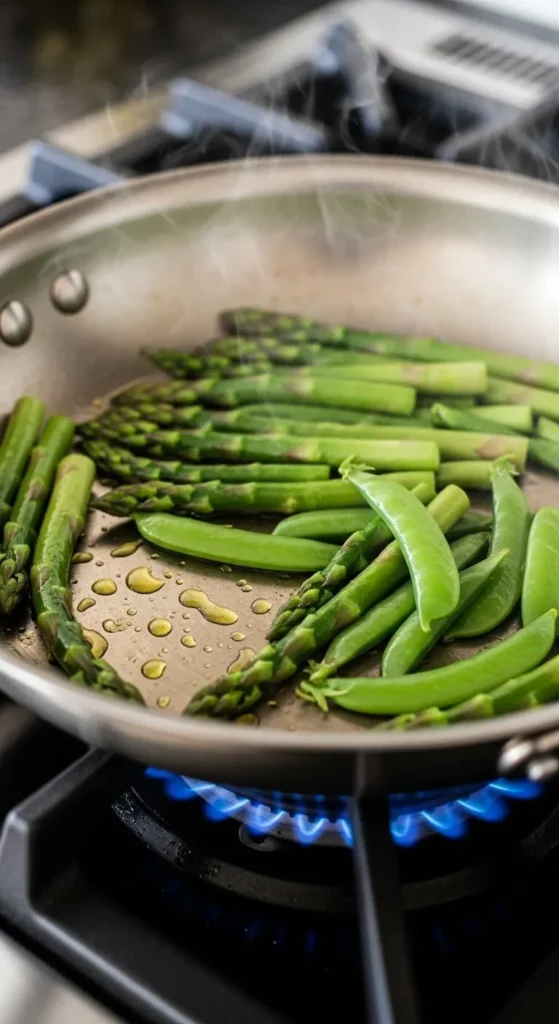
Build Simple Spring Meals Around One Main Ingredient
One of the easiest ways to keep recipes simple is to focus on a single star ingredient and use it in different ways.
Example ideas:
- Asparagus: Roasted as a side, added to pasta, or tossed into a grain bowl
- Spinach: Used in salads, stirred into eggs, or added to soups
- Radishes: Sliced raw for crunch or roasted for mild sweetness
- Strawberries: Added to salads, yogurt bowls, or quick desserts
This approach:
- Saves time
- Reduces food waste
- Makes meal planning easier
You cook smarter by reusing ingredients, not repeating the same dish.
Add Fresh Herbs and Citrus at the End
Spring recipes come alive with the right finishing touches. Fresh herbs and citrus add flavor without extra cooking.
Best finishing touches:
- Chopped parsley, dill, or chives
- Lemon juice or zest
- A drizzle of olive oil
- Flaky sea salt
Add these after cooking to keep flavors fresh and vibrant.
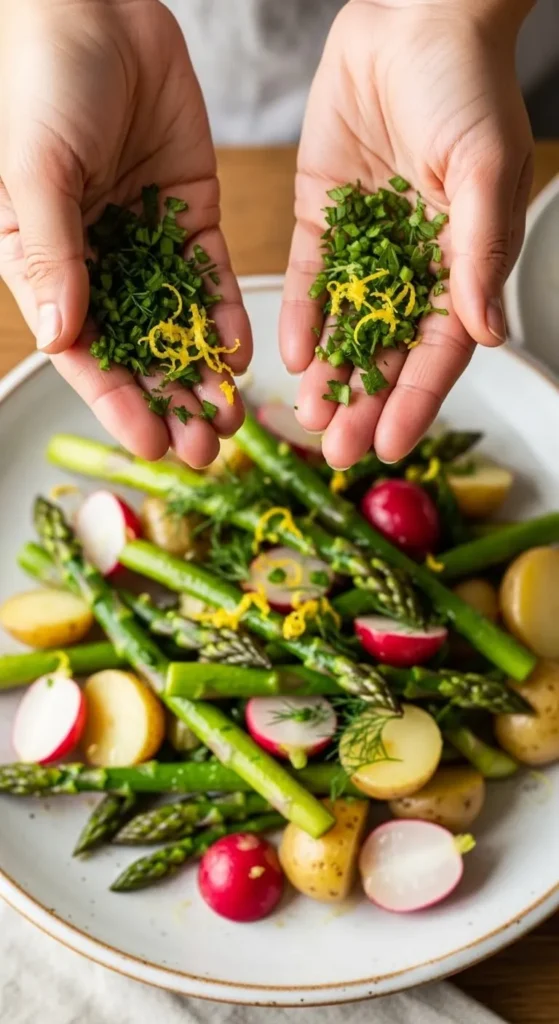
Turn Simple Ingredients Into Complete Meals
You don’t need separate recipes for sides and mains. Many spring dishes can easily become full meals.
Easy ways to make spring recipes more filling:
- Add eggs (fried, poached, or soft-boiled)
- Toss vegetables with grains like quinoa or farro
- Top salads with chicken, fish, beans, or tofu
- Finish dishes with a sprinkle of cheese or nuts
This keeps meals balanced without adding complexity.
Make One Sauce or Dressing and Use It All Week
A simple sauce can transform even the most basic spring ingredients.
Easy spring sauces:
- Olive oil + lemon + garlic
- Yogurt + herbs + salt
- Tahini + lemon + water
- Balsamic vinegar + olive oil
Use one sauce on:
- Roasted vegetables
- Grain bowls
- Salads
- Proteins
This small habit saves time and keeps meals interesting.
Keep It Light, Not Perfect
Spring cooking isn’t about perfection. It’s about freshness, flexibility, and enjoying the process.
- Don’t worry about exact measurements
- Mix ingredients based on taste
- Keep recipes short and adaptable
When cooking feels easy, you’re more likely to do it—and enjoy it.
Final Takeaway: Let Spring Ingredients Lead the Way
Making simple spring recipes doesn’t require advanced skills or complicated plans. Start with seasonal ingredients, cook them gently, finish with fresh flavors, and keep things flexible. The result is food that feels fresh, satisfying, and effortless.
Save this guide for later, pin your favorite ideas, and let spring make cooking simple again 🌷
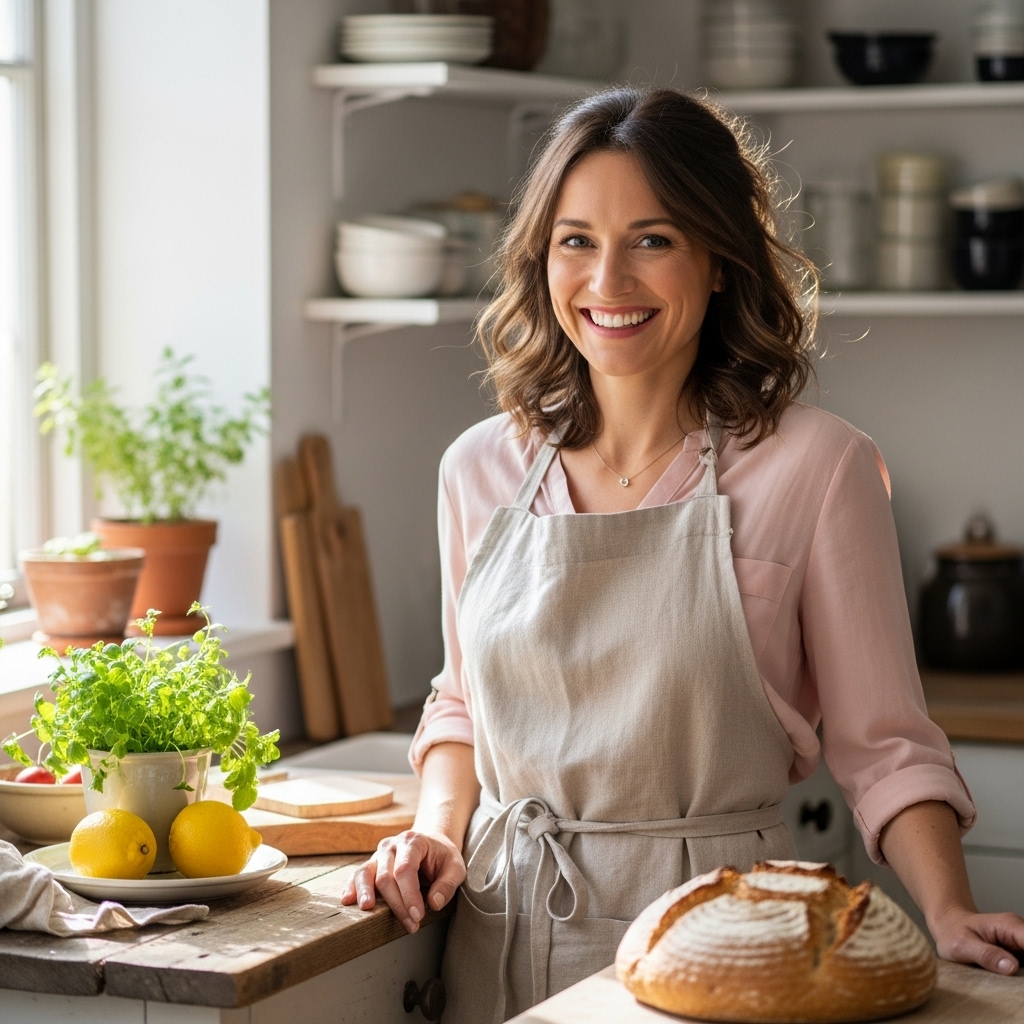
Hannah Collins is a passionate home cook and food storyteller who believes every recipe tells a little love story. At TastyWriter, she shares simple, delicious recipes made for real kitchens and busy days — from cozy comfort dishes to creative new favorites. When she’s not cooking, you’ll find her photographing food, testing family recipes, or sipping tea while dreaming up her next tasty idea.
Leave a Reply