

Spring greens are nature’s reset button. After months of heavy comfort foods, these tender, vibrant leaves show up ready to refresh your plate—and your energy. The trick is knowing how to cook them without losing their nutrients, color, or flavor. Done right, spring greens can be quick, satisfying, and seriously delicious.
Let’s break down exactly how to cook spring greens in a healthy way—no boring salads required.
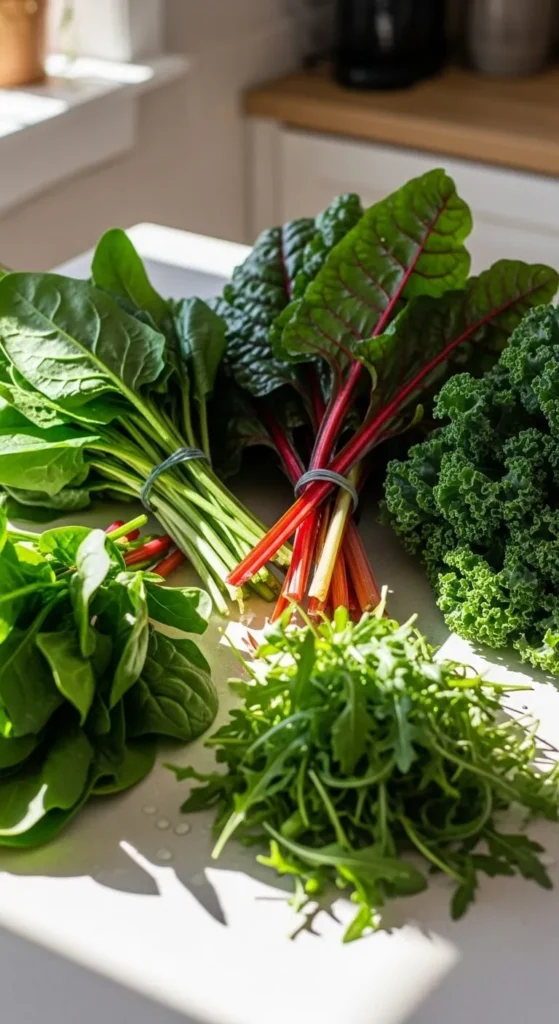
What Counts as Spring Greens?
Spring greens are young, leafy vegetables that thrive in cooler weather. They’re packed with vitamins, minerals, and antioxidants, but they’re also more delicate than heartier greens.
Common spring greens include:
- Spinach
- Arugula
- Swiss chard
- Baby kale
- Mustard greens
- Dandelion greens
Because they’re tender, they cook faster and need a gentler approach than winter greens like collards.
Healthy cooking rule #1:
The less time they spend over heat, the more nutrients—and flavor—they keep.
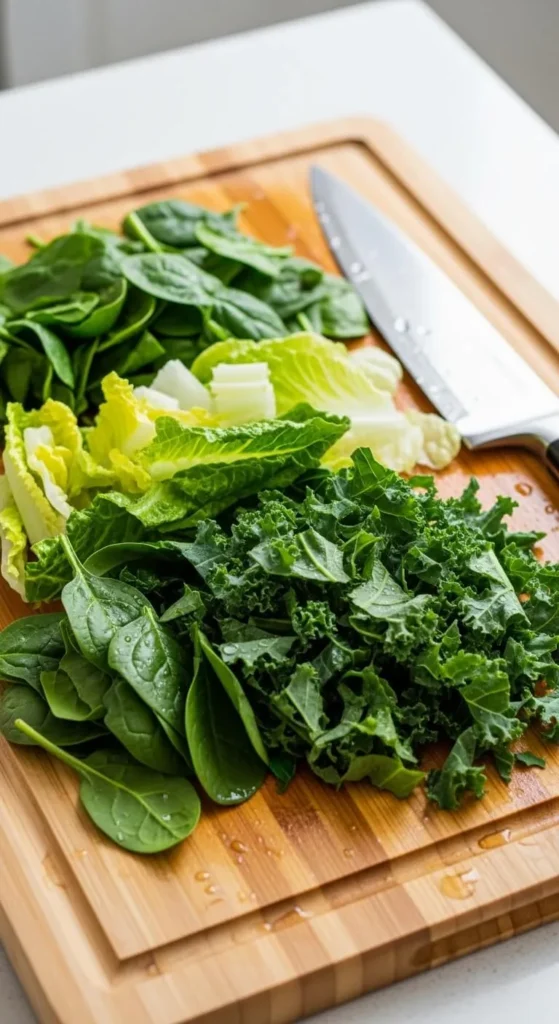
Prep Greens the Right Way (It Matters!)
Healthy cooking starts before the pan hits the stove. Proper prep helps preserve texture and prevents overcooking.
Simple prep steps:
- Wash greens thoroughly to remove grit
- Spin or pat dry (extra water = soggy greens)
- Remove thick stems if needed
- Tear or chop gently—no need to overdo it
Pro tip:
Leave leaves slightly larger than you think. They shrink fast once cooked.
Good prep means you’ll cook faster—and that’s always a win.
Light Sautéing: The Go-To Healthy Method
Sautéing is one of the healthiest and easiest ways to cook spring greens. It uses minimal fat, takes just minutes, and keeps greens vibrant.
How to do it right:
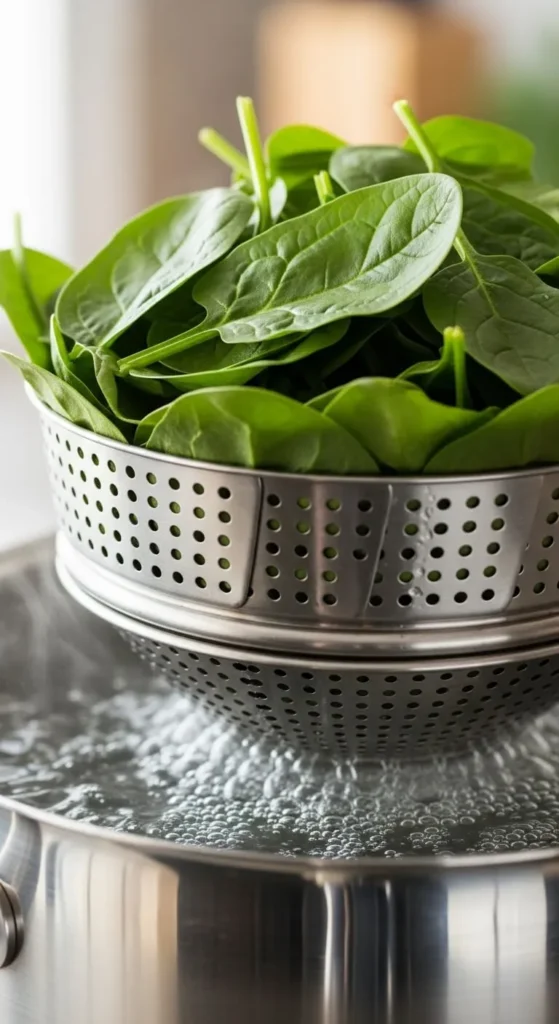
- Heat a pan over medium heat
- Add 1–2 teaspoons olive oil
- Toss in garlic or shallots (optional)
- Add greens and stir until just wilted
This usually takes 2–4 minutes, depending on the green.
Finish with:
- A squeeze of lemon
- A pinch of sea salt
- A sprinkle of chili flakes
That’s it. Simple, healthy, and flavorful.
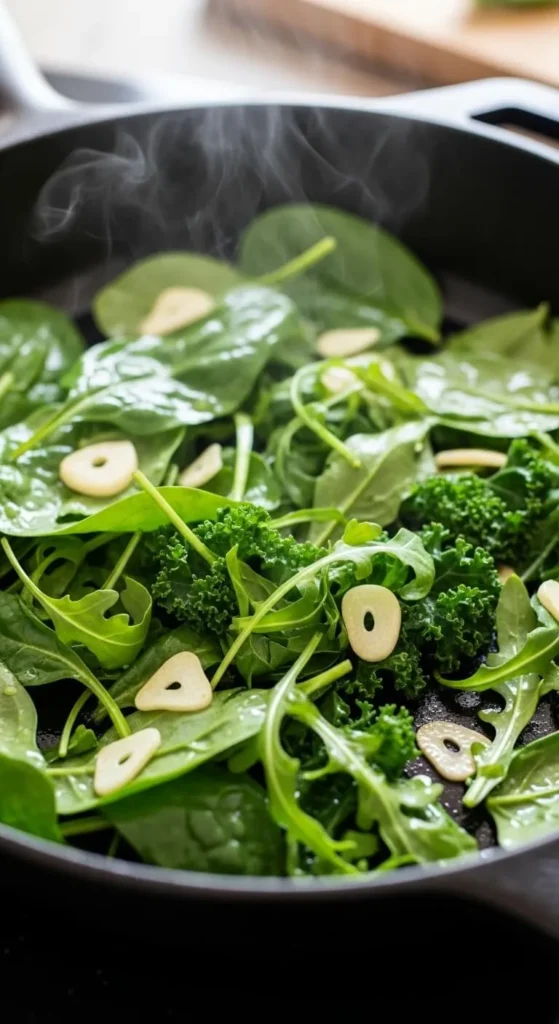
Steaming and Blanching for Maximum Nutrients
If you’re focused on nutrient retention, steaming and blanching are excellent options.
Steaming
- Best for spinach and baby kale
- Keeps vitamins intact
- Results in soft but bright greens
Steam just until wilted—usually 1–3 minutes.
Blanching
- Quick dip in boiling water, then ice bath
- Great for meal prep or freezing
- Preserves color and texture
Important:
Don’t overdo it. Greens should be tender, not mushy.
Once blanched or steamed, toss greens with olive oil, lemon, or herbs for flavor.
Skip Heavy Sauces—Use Bright Finishes Instead
One of the biggest mistakes when cooking greens is drowning them in heavy sauces. Spring greens shine with light, fresh finishes.
Healthy flavor boosters:
- Lemon or lime juice
- Apple cider or balsamic vinegar
- Fresh herbs
- Toasted nuts or seeds
- A drizzle of tahini or yogurt sauce
These add flavor without masking the natural taste of the greens—or adding unnecessary calories.
Quick combo idea:
Sautéed greens + lemon zest + toasted almonds = instant upgrade.
Pair Greens with Protein for Balanced Meals
Greens are nutritious, but they’re even better when paired with protein. This turns a simple side into a complete, satisfying dish.
Easy protein pairings:
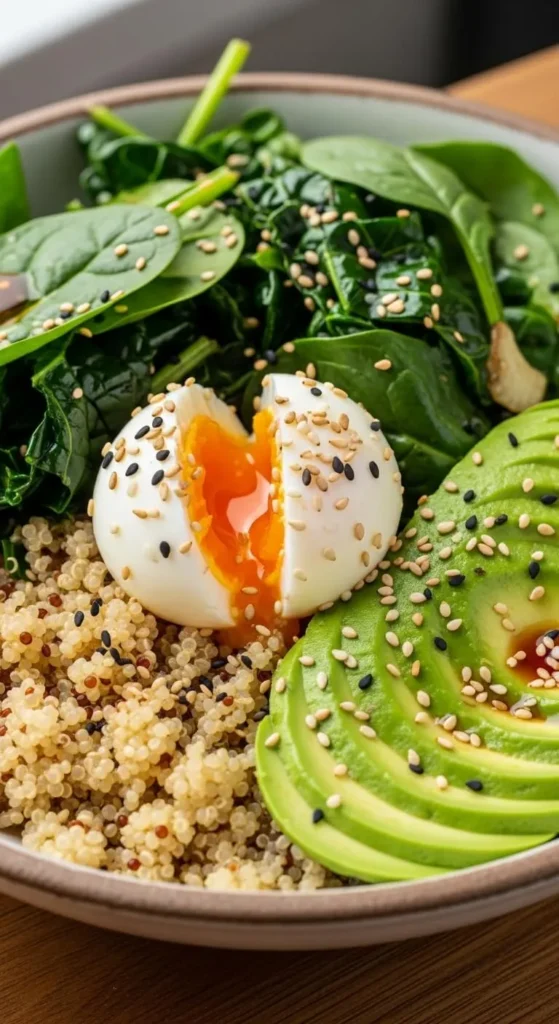
- Eggs (scrambled, poached, or soft-boiled)
- Beans or lentils
- Grilled chicken or fish
- Tofu or tempeh
Toss cooked greens into grain bowls, omelets, or pasta for a healthy, balanced meal.
This approach keeps meals filling without feeling heavy—perfect for spring.
Avoid These Common Mistakes
Even healthy foods can lose their benefits if cooked the wrong way. Watch out for these common pitfalls:
- Overcooking until greens turn dull or slimy
- Using too much oil or butter
- Boiling without seasoning afterward
- Skipping acid (greens need brightness!)
A little attention goes a long way in keeping greens both healthy and tasty.
Final Takeaway
Cooking spring greens in a healthy way doesn’t require fancy techniques or complicated recipes. With quick cooking methods, light seasoning, and fresh finishes, you can enjoy all their benefits—without sacrificing flavor.
Save this guide for later, and the next time spring greens hit your kitchen, you’ll know exactly what to do 🌱

Hannah Collins is a passionate home cook and food storyteller who believes every recipe tells a little love story. At TastyWriter, she shares simple, delicious recipes made for real kitchens and busy days — from cozy comfort dishes to creative new favorites. When she’s not cooking, you’ll find her photographing food, testing family recipes, or sipping tea while dreaming up her next tasty idea.
Leave a Reply