

Spring dinners should feel like a breath of fresh air—lighter, brighter, and full of color. After months of hearty stews and heavy comfort food, this is the season to let fresh ingredients shine. The secret to making spring dinner recipes feel truly seasonal isn’t complicated cooking or fancy techniques. It’s about choosing the right ingredients, cooking them simply, and letting freshness lead the way.
Here’s how to create spring dinners that taste like the season itself.
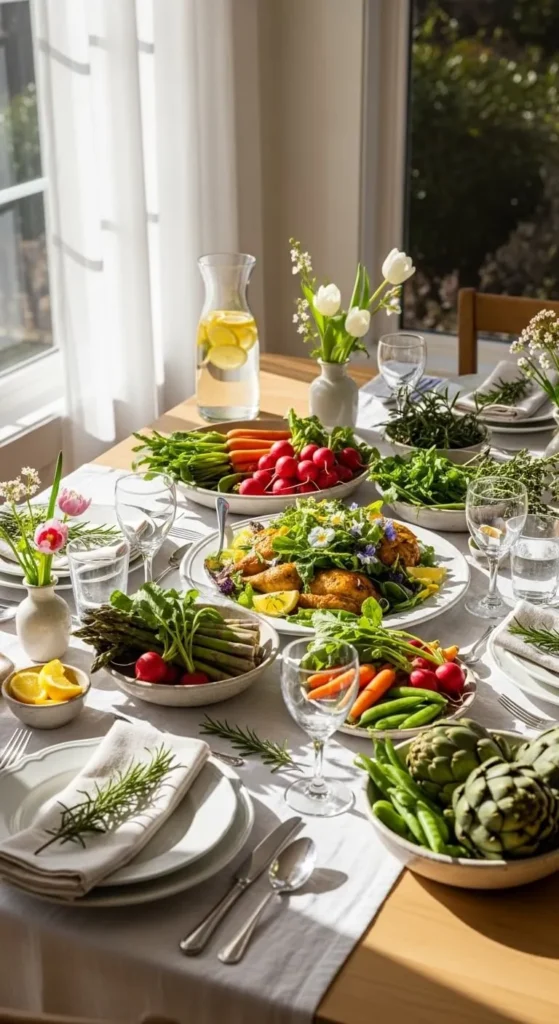
Start with What’s in Season
Seasonal cooking always begins at the grocery store or farmers’ market. Spring produce is tender, flavorful, and perfect for quick cooking.
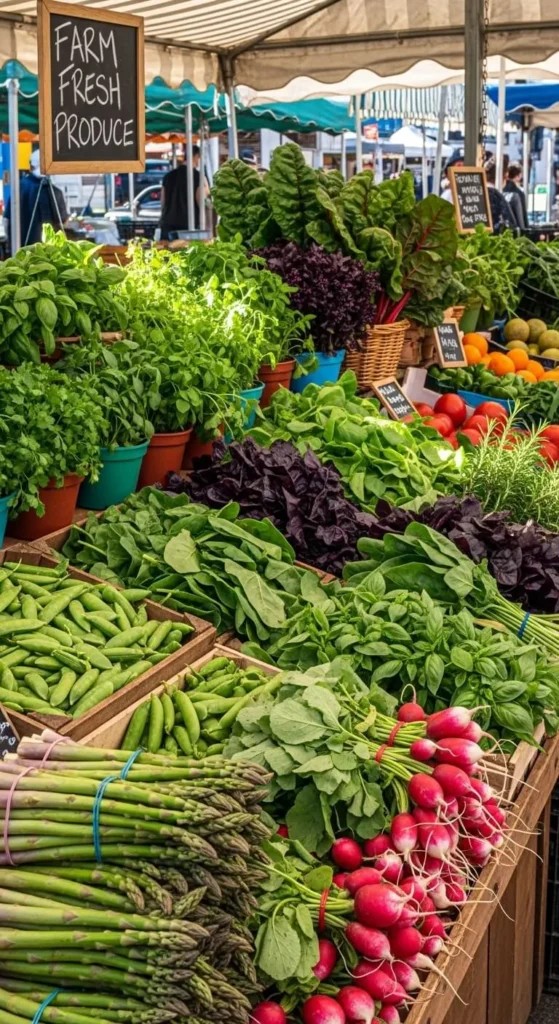
Look for spring favorites like:
- Asparagus
- Peas and snap peas
- Spinach, arugula, and baby kale
- Radishes
- Spring onions and leeks
- Fresh herbs like parsley, dill, and mint
These ingredients don’t need much help. In fact, the more you do to them, the less “springy” they feel.
Seasonal tip:
If it looks bright, young, and fresh—it probably belongs in a spring dinner.
Keep Cooking Methods Light and Quick
Spring dinners should never feel heavy. The best cooking methods preserve texture, color, and nutrients.
Great spring-friendly techniques include:
- Light sautéing
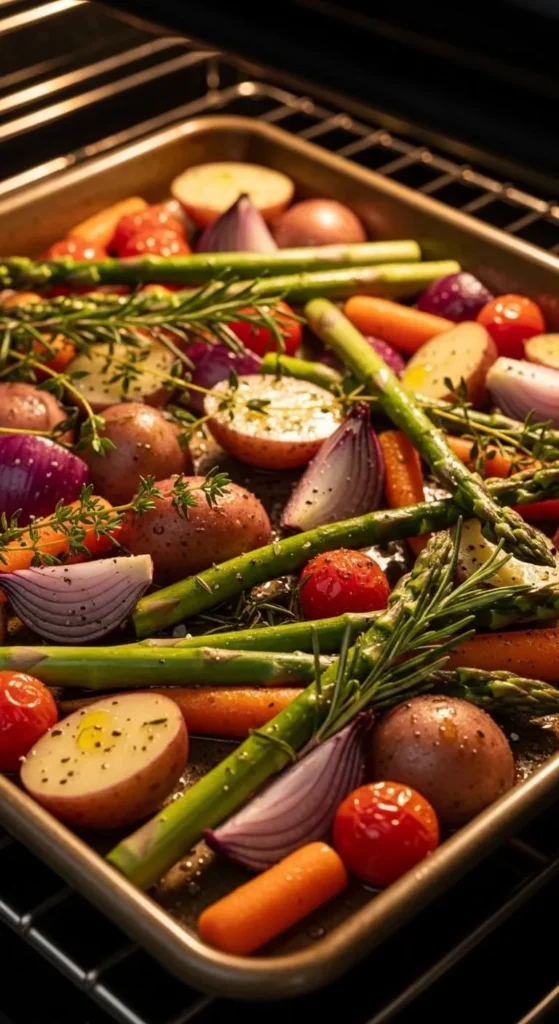
- Roasting at high heat
- Grilling
- Steaming or blanching
Avoid long simmering or heavy braising unless you’re balancing it with something fresh.
Example:
Roast asparagus for 10 minutes instead of boiling it for 30. Finish with lemon and olive oil, and you’re done.
Quick cooking keeps flavors clean and dinners stress-free.
Build Dinners Around Simple Flavor Pairings
Spring recipes shine when flavors stay uncomplicated. Think fresh, tangy, and herb-forward.
Classic spring pairings:
- Lemon + olive oil
- Peas + mint
- Asparagus + parmesan
- Greens + garlic
- Radishes + butter or yogurt
Instead of complex sauces, use:
- Citrus zest and juice
- Vinegars (balsamic, apple cider, champagne)
- Fresh herbs
- Light cheeses
Easy upgrade:
Finish dishes with lemon zest or fresh herbs right before serving—it instantly makes them feel seasonal.
Add Protein Without Weighing Things Down
Spring dinners should feel satisfying, not sleepy. Choose proteins that are lighter but still filling.
Great options:
- Chicken breasts or thighs
- Salmon or white fish
- Shrimp
- Eggs
- Beans, lentils, or tofu
Grill, roast, or quickly pan-sear proteins instead of breading or frying them.
Pairing protein with lots of vegetables keeps dinners balanced and fresh.
Think in Components, Not Complicated Recipes
One of the easiest ways to make spring dinners feel effortless is to cook in components rather than full recipes.
Build your plate with:
- One vegetable (roasted, sautéed, or raw)
- One protein
- One carb (rice, potatoes, pasta, or bread)
- One bright finishing touch
This approach:
- Saves time
- Reduces stress
- Makes leftovers easier to use
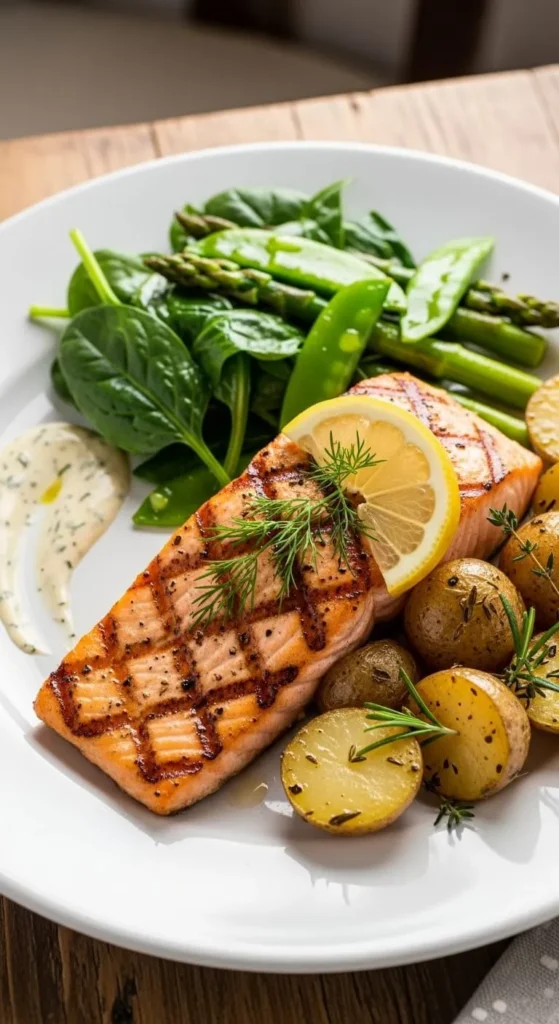
Example plate:
Roasted chicken + lemony greens + baby potatoes + herb yogurt sauce.
It feels intentional without being overwhelming.
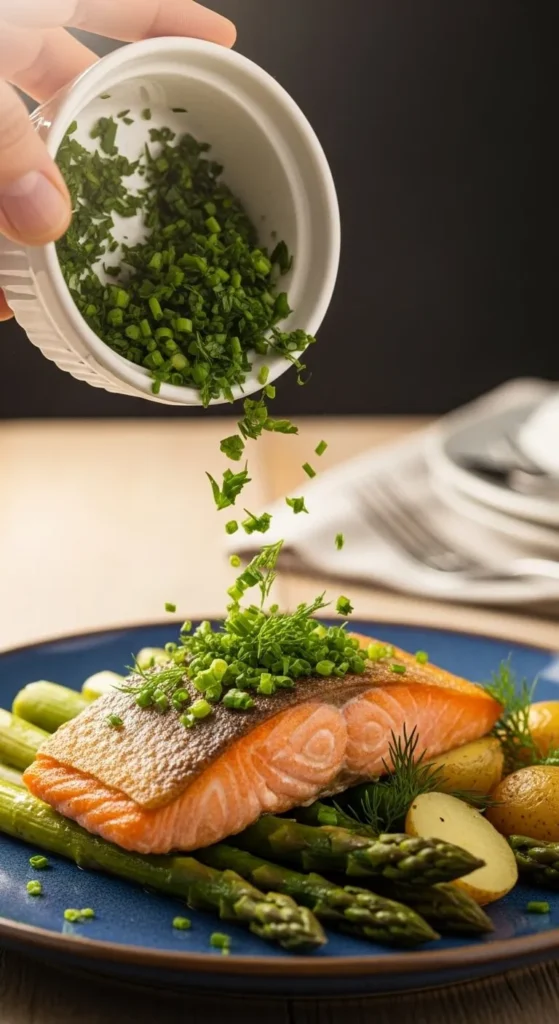
Use Fresh Herbs Like a Main Ingredient
If winter is about spices, spring is all about herbs. They’re one of the fastest ways to make dinner taste seasonal.
Spring herbs to use generously:
- Parsley
- Dill
- Chives
- Basil
- Mint
Ways to use them:
- Toss into salads
- Sprinkle over roasted vegetables
- Blend into sauces
- Finish proteins right before serving
Don’t treat herbs like decoration—use them like an ingredient.
Keep Portions Lighter, Not Smaller
Spring dinners don’t need to be tiny; they just need balance.
Focus on:
- More vegetables
- Lean proteins
- Moderate carbs
- Fresh flavors
This keeps meals satisfying without feeling heavy. You’ll leave the table energized instead of stuffed.
Don’t Forget the Power of Presentation
Spring meals should look as good as they taste.
Easy presentation tips:
- Use white or light-colored plates
- Add a pop of green or pink (herbs, radishes, peas)
- Finish with a drizzle of olive oil or sauce
Even a simple meal feels special when it looks fresh and colorful.
Final Takeaway
Making spring dinner recipes that feel seasonal is all about simplicity, freshness, and letting ingredients shine. Choose what’s in season, cook it lightly, finish with bright flavors, and don’t overthink it.
Save this guide for later, and let spring inspire your dinner table—one fresh, colorful meal at a time 🌷
Hannah Collins is a passionate home cook and food storyteller who believes every recipe tells a little love story. At TastyWriter, she shares simple, delicious recipes made for real kitchens and busy days — from cozy comfort dishes to creative new favorites. When she’s not cooking, you’ll find her photographing food, testing family recipes, or sipping tea while dreaming up her next tasty idea.
Leave a Reply