

Spring vegetables are one of the best parts of the season—crisp, colorful, and bursting with fresh flavor. But they can be surprisingly easy to mess up. Overcook them, and they turn dull and mushy. Undercook them, and they can taste grassy or raw. The good news? Once you understand a few simple rules, you can cook spring vegetables perfectly every single time.
Let’s walk through exactly how to make spring vegetables shine—without stress or guesswork.
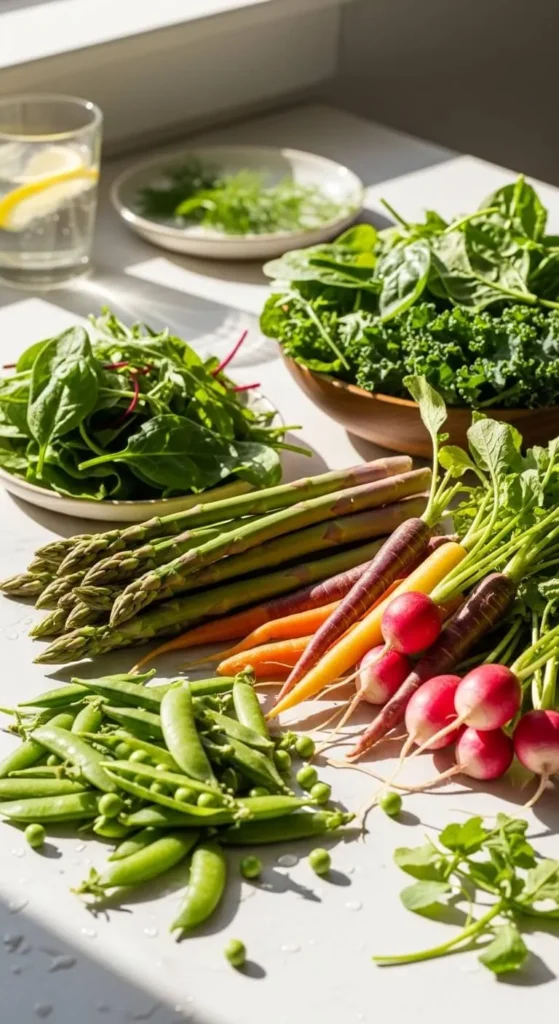
Know Your Spring Vegetables (and Their Personalities)
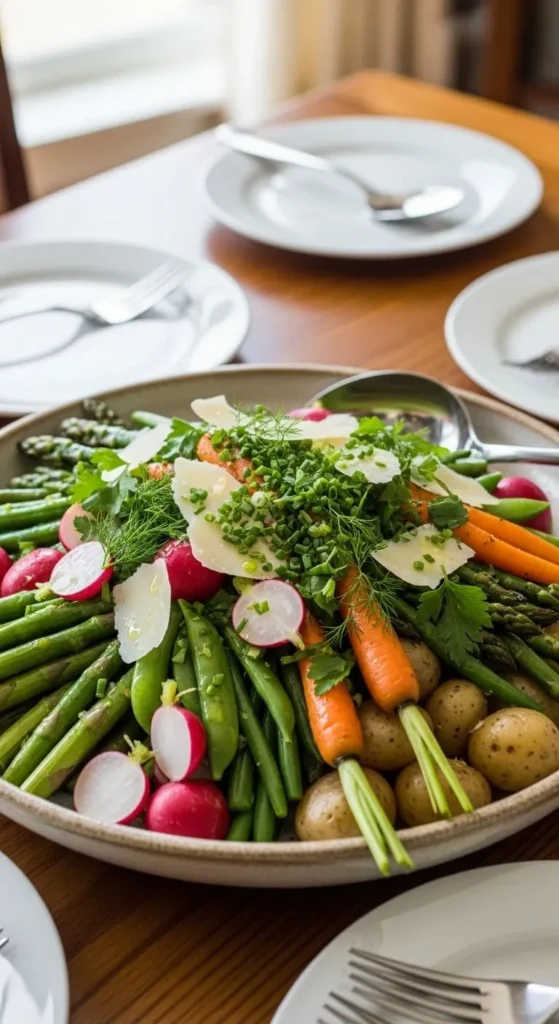
Not all spring vegetables behave the same way. Some are tender and delicate, while others can handle more heat.
Tender spring vegetables (cook fast):
- Asparagus
- Spinach
- Arugula
- Snap peas
- Baby kale
Slightly heartier spring vegetables (need a bit more time):
- Carrots
- Radishes
- Spring onions
- Leeks
Why this matters: tender veggies need quick cooking, while heartier ones benefit from roasting or sautéing a little longer. Treating them the same is how things go wrong.
Once you know what you’re working with, everything else gets easier.
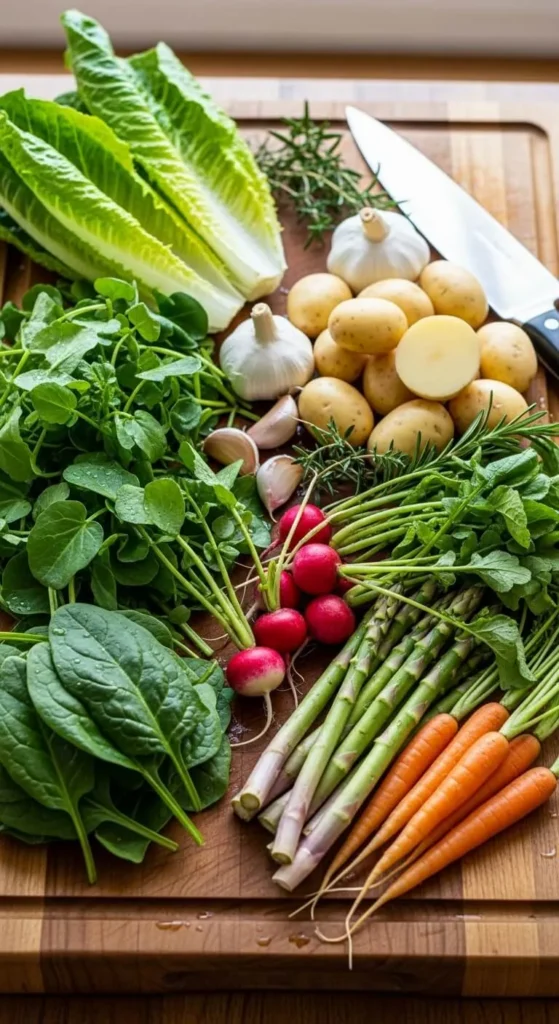
Prep Smart for Better Results
Perfect cooking starts before heat is involved. Proper prep helps vegetables cook evenly and taste better.
Simple prep tips:
- Wash thoroughly to remove dirt or grit
- Dry well—extra water causes steaming instead of browning
- Trim woody ends (especially asparagus)
- Cut vegetables into similar sizes
Pro tip:
Leave vegetables slightly larger than you think. Spring veggies shrink quickly once cooked.
Good prep = better texture, better flavor, and less overcooking.
Choose the Right Cooking Method
The biggest secret to cooking spring vegetables properly is matching the method to the vegetable.
Sautéing (Best for Tender Veggies)
- Medium heat
- Small amount of olive oil
- 2–5 minutes max
This works beautifully for spinach, asparagus, and snap peas.
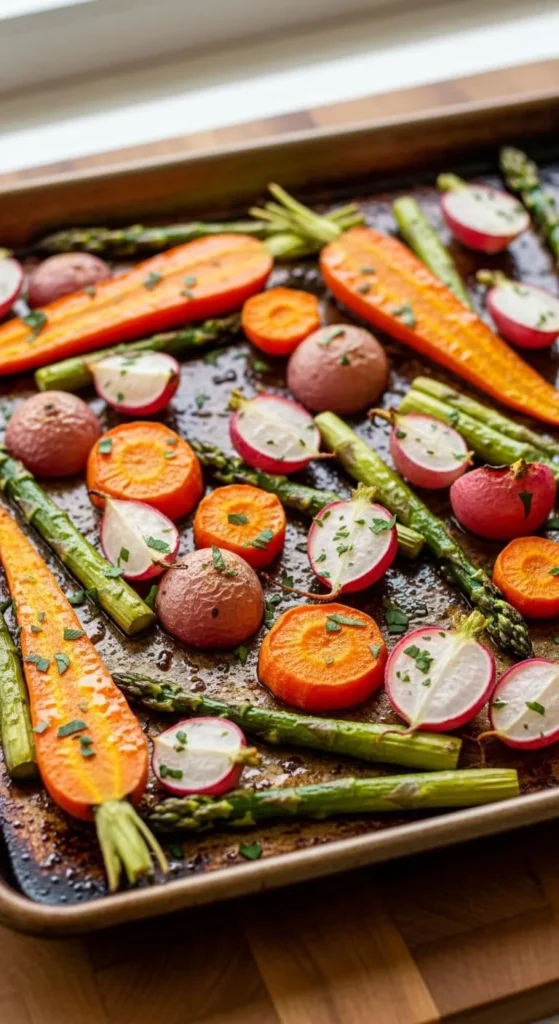
Roasting (Great for Carrots & Radishes)
- High heat (400–425°F / 200–220°C)
- Toss with olive oil and salt
- Roast until lightly caramelized
Roasting brings out natural sweetness without making vegetables heavy.
Steaming or Blanching (For Maximum Freshness)
- Best for greens and peas
- Keeps color vibrant
- Preserves nutrients
Just don’t walk away—seconds matter here.
Season at the Right Time
Seasoning can make or break spring vegetables.
Before cooking:
- Salt lightly to draw out moisture
- Add oil to help browning
After cooking (this is key):
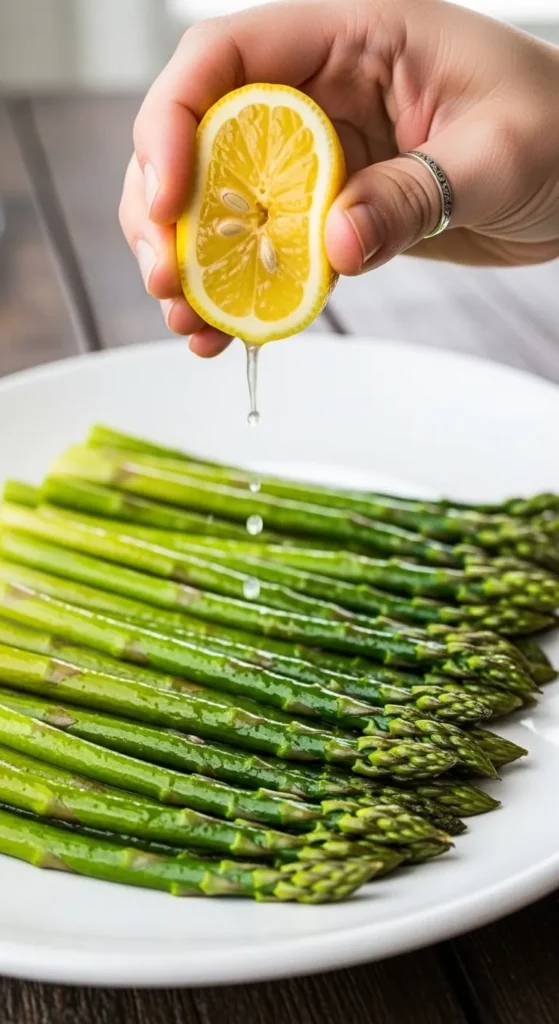
- Lemon juice or zest
- Vinegar
- Fresh herbs
- A drizzle of olive oil
Spring vegetables crave brightness. Acid wakes them up and keeps flavors clean.
If your vegetables taste flat, they probably need acid—not more salt.
Don’t Overcook—Watch the Color
One of the easiest ways to tell if spring vegetables are done? Look at them.
Perfectly cooked spring vegetables should be:
- Bright green or vibrant in color
- Tender but not limp
- Slightly crisp when bitten
If greens turn dark or olive-colored, they’ve gone too far. When in doubt, pull them early—residual heat will finish the job.
Quick test:
Taste one piece. If it’s tender and flavorful, you’re done.
Add Flavor Without Overpowering
Spring vegetables taste best when they’re not buried under heavy sauces.
Healthy, spring-friendly add-ins:
- Garlic or shallots
- Fresh herbs (parsley, dill, chives, mint)
- Parmesan or feta (a little goes a long way)
- Toasted nuts or seeds
Think “enhance,” not “cover up.”
Pair Vegetables with Simple Proteins
Spring vegetables work beautifully as part of a balanced plate.
Easy pairings:
- Grilled chicken or fish
- Eggs
- Beans or lentils
- Tofu
Serve vegetables warm or at room temperature—they’re flexible and forgiving, which makes spring cooking feel effortless.
Common Mistakes to Avoid
Even experienced cooks slip up sometimes. Watch out for these:
- Cooking everything too long “just in case”
- Using too much oil or butter
- Skipping seasoning after cooking
- Overcrowding the pan
Giving vegetables space and attention makes all the difference.
Final Takeaway
Cooking spring vegetables properly isn’t about fancy techniques—it’s about timing, simplicity, and letting freshness lead. Use quick cooking methods, season thoughtfully, and trust your eyes (and taste buds).
Save this guide for later, and the next time spring vegetables hit your kitchen, you’ll know exactly how to cook them—perfectly, every time 🌱
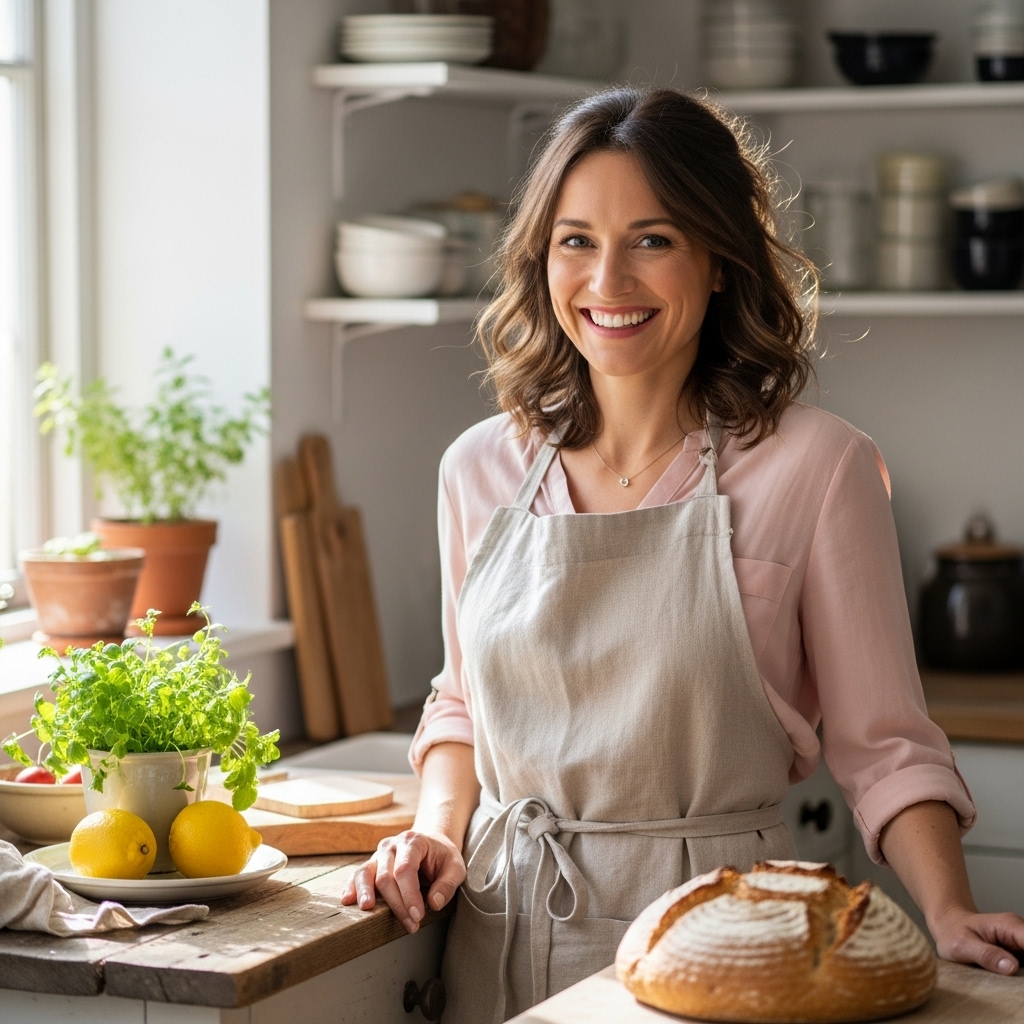
Hannah Collins is a passionate home cook and food storyteller who believes every recipe tells a little love story. At TastyWriter, she shares simple, delicious recipes made for real kitchens and busy days — from cozy comfort dishes to creative new favorites. When she’s not cooking, you’ll find her photographing food, testing family recipes, or sipping tea while dreaming up her next tasty idea.
Leave a Reply