

Spring bowls are popular for a reason. They look good, feel light, and still manage to be filling. But many fall flat because everything tastes muted or repetitive. A great spring bowl does not rely on heavy sauces or complicated steps. It relies on contrast, timing, and a few smart choices that wake everything up.
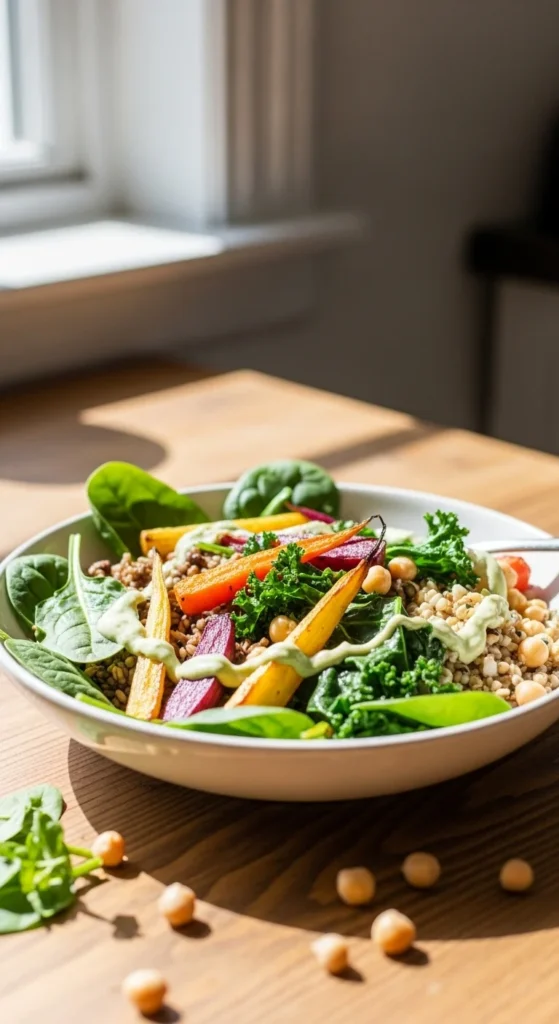
This guide breaks down how to build spring bowls that taste lively and satisfying without turning into a long cooking project. These ideas work for lunch, dinner, and meal prep.
Start With a Solid Base That Does Not Steal the Show
The base supports the bowl. It should never overpower it.
Good base options:
- Rice
- Quinoa
- Couscous
- Farro
- Roasted potatoes
Cook the base simply. Salt the water well. Stop there. No heavy seasoning. The base should absorb flavor from toppings and sauces later.
If you are short on time, cook a large batch once and use it for several meals. Cold grains reheat quickly and hold texture well.
Mix Cooked and Raw Ingredients for Contrast
One reason bowls feel dull is when everything is cooked the same way. Texture contrast brings energy to every bite.
Aim for:
- One warm element
- One crisp element
- One creamy element
Examples:
- Roasted sweet potatoes + raw cucumber + yogurt sauce
- Sautéed chicken + shredded cabbage + avocado
- Warm grains + fresh herbs + soft cheese
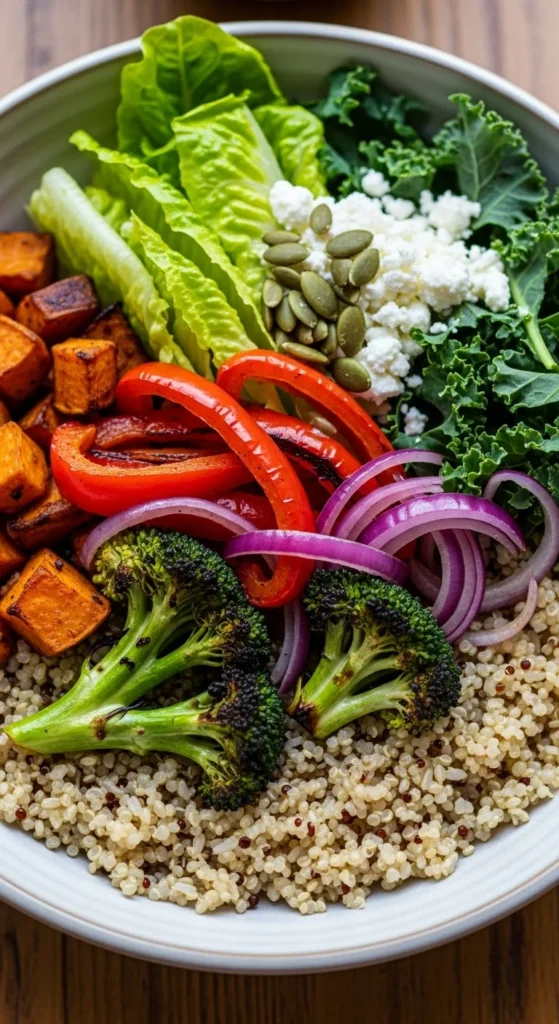
Raw vegetables add snap and brightness. Cooked ones add depth. Together, they balance each other.
Season in Layers, Not All at Once
Dumping seasoning at the end flattens flavor. Layering it builds interest.
Simple layering approach:
- Salt grains while cooking
- Season vegetables as they cook
- Finish with acid or herbs
A squeeze of lemon or splash of vinegar at the end changes everything. Add it just before serving so flavors stay sharp.
Choose One Protein and Keep It Simple
Bowls do not need multiple proteins. One well-cooked option is enough.
Easy bowl-friendly proteins:
- Grilled or pan-cooked chicken
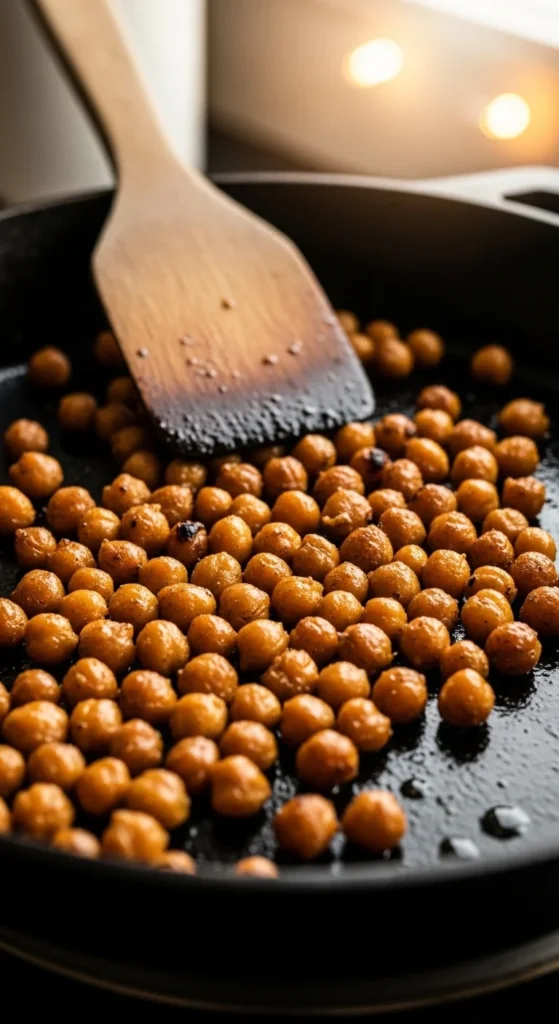
- Roasted chickpeas
- Lentils
- Shrimp
- Eggs
- Tofu
Cook protein plainly with salt and oil. Let sauces and toppings handle the rest. This keeps the bowl flexible and avoids overpowering other ingredients.
Sauces Should Tie Things Together, Not Drown Them
A good sauce connects ingredients. Too much hides them.
Keep sauces:
- Thick enough to cling
- Bright rather than heavy
- Used sparingly
Easy bowl sauces:
- Yogurt with lemon and garlic
- Tahini with water and citrus
- Olive oil with vinegar
- Store-bought pesto thinned with water
Drizzle lightly. You can always add more, but you cannot take it away.
Use Herbs and Crunch to Finish the Bowl
This is where bowls come alive.
Great finishing touches:
- Chopped herbs
- Toasted seeds
- Nuts
- Crumbled cheese
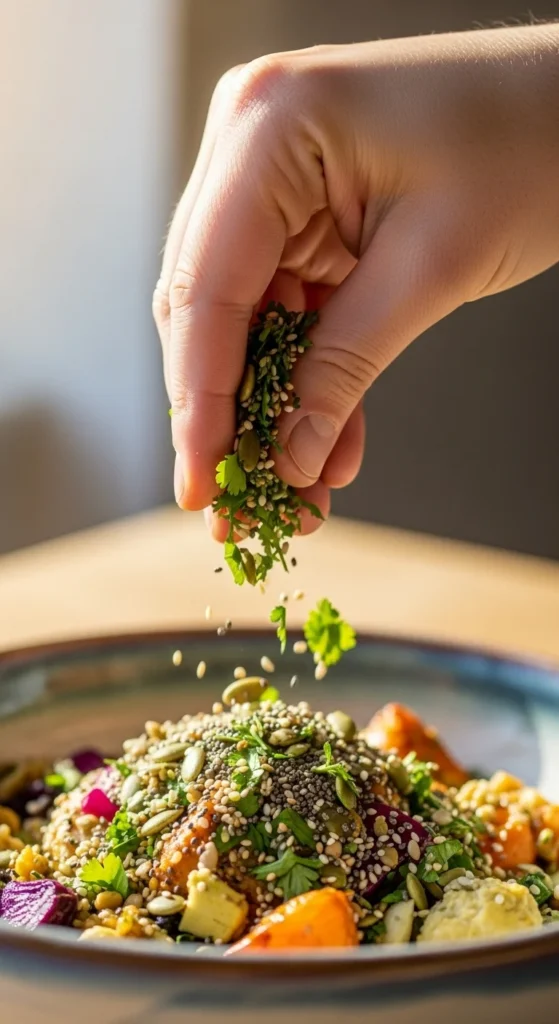
These additions add aroma, texture, and interest without extra cooking.
Build Bowls That Work for Meal Prep
Spring bowls are perfect for prep if assembled thoughtfully.
Prep components separately:
- Grains
- Proteins
- Vegetables
- Sauces
Store greens and crunchy toppings apart. Assemble just before eating. This keeps everything crisp and balanced.
If packing ahead, place grains at the bottom and greens at the top. Add sauce last.
Common Mistakes That Flatten Flavor
Avoid these habits:
- Overcooking vegetables
- Using too many similar textures
- Skipping acid
- Adding sauce too early
Bowls shine when each element keeps its identity.
A Simple Spring Bowl Formula
Use this when inspiration runs low:
- 1 grain or potato base
- 1 protein
- 2 vegetables (one cooked, one raw)
- 1 sauce
- 1 crunchy topping
This structure works every time and adapts easily to what you have on hand.
Final Takeaway
Great spring bowls rely on balance, contrast, and restraint. When ingredients are cooked simply and finished thoughtfully, every bite feels lively and satisfying. You do not need complex recipes or long prep sessions. Just a few smart choices layered together.
Save this guide for later and keep your spring bowls exciting all season long.
Hannah Collins is a passionate home cook and food storyteller who believes every recipe tells a little love story. At TastyWriter, she shares simple, delicious recipes made for real kitchens and busy days — from cozy comfort dishes to creative new favorites. When she’s not cooking, you’ll find her photographing food, testing family recipes, or sipping tea while dreaming up her next tasty idea.
Leave a Reply