

Spring picnics sound dreamy—until the food arrives soggy, smashed, or lukewarm. The trick isn’t fancy recipes. It’s choosing foods that hold their texture, taste good at room temperature, and survive a bumpy ride without falling apart.
Great picnic food should feel fresh and light, just like the season, while still being practical to pack and eat outdoors. This guide breaks down exactly how to plan, prep, and pack spring picnic food that stays delicious from kitchen to picnic blanket.
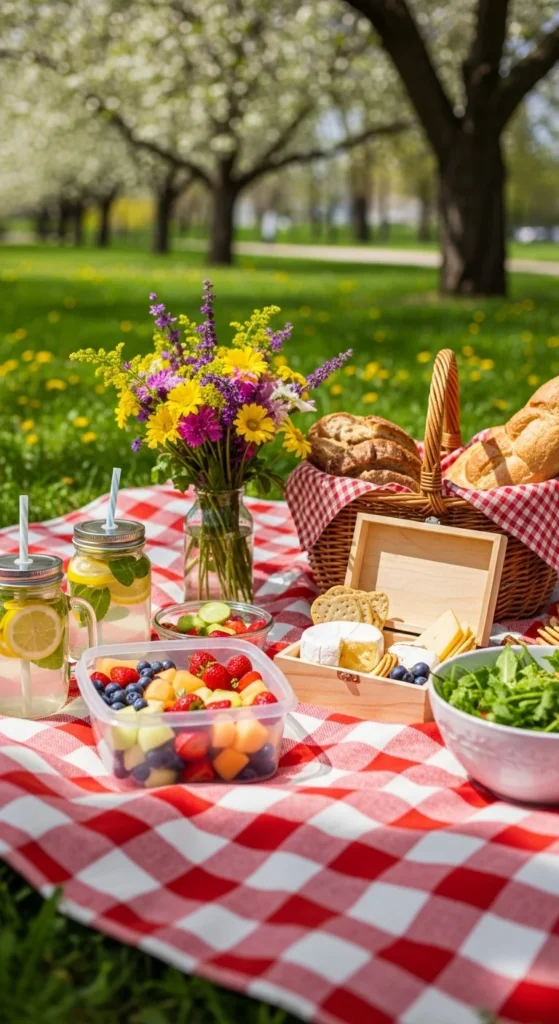
What Makes Food Travel Well for Picnics?
Not all foods are picnic-friendly. Some wilt, some leak, and some need reheating. The best spring picnic foods share a few key traits.
Travel-Friendly Food Qualities
- Taste good cold or at room temperature
- Hold shape without sauces sliding off
- Don’t release excess moisture
- Easy to eat without utensils
If you wouldn’t want it in a lunchbox, it probably doesn’t belong at a picnic.
Start With Smart Menu Planning
Before cooking anything, plan with transport in mind.
Picnic Menu Guidelines
- Mix fresh items with sturdy ones
- Avoid foods that rely on heat
- Limit messy sauces
- Choose items that can be pre-cut
This keeps packing simple and reduces stress once you arrive.
Choose Ingredients That Hold Their Texture
Spring ingredients are fresh, but not all of them travel equally well.
Best Picnic-Friendly Ingredients
- Roasted vegetables
- Cooked grains like couscous or quinoa
- Firm cheeses
- Hard-boiled eggs
- Fresh herbs
Soft greens and watery vegetables should be used carefully or packed separately.
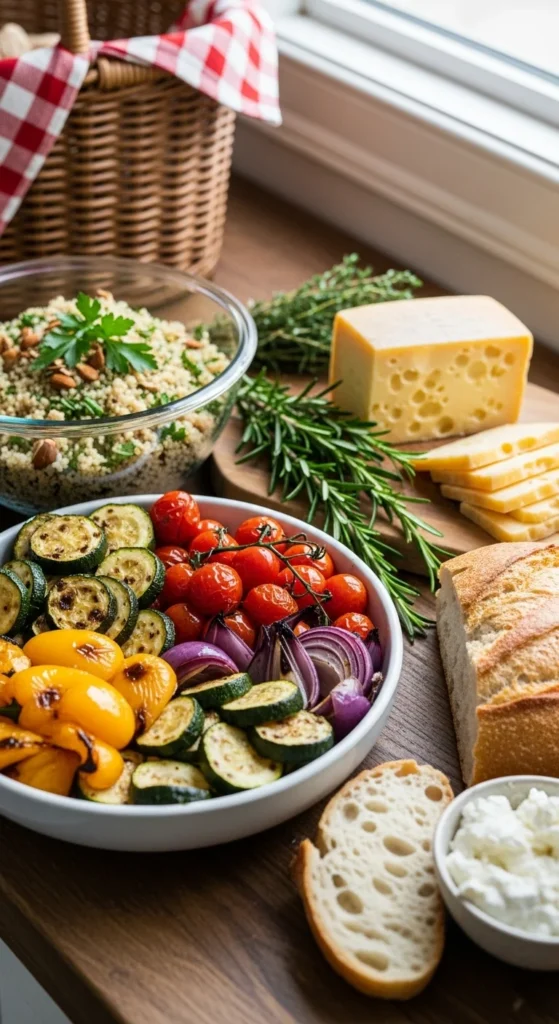
Build Dishes That Taste Better After Resting
Some foods actually improve after sitting for a bit.
Foods That Travel Well
- Grain salads
- Pasta salads without creamy sauces
- Marinated vegetables
- Savoury muffins
Letting flavours meld before the picnic makes everything taste more balanced.
Keep Dressings and Sauces Separate
This one rule saves most picnic disasters.
Why It Matters
- Prevents sogginess
- Keeps flavours fresh
- Allows guests to adjust taste
Pack dressings in small sealed containers and add just before eating.
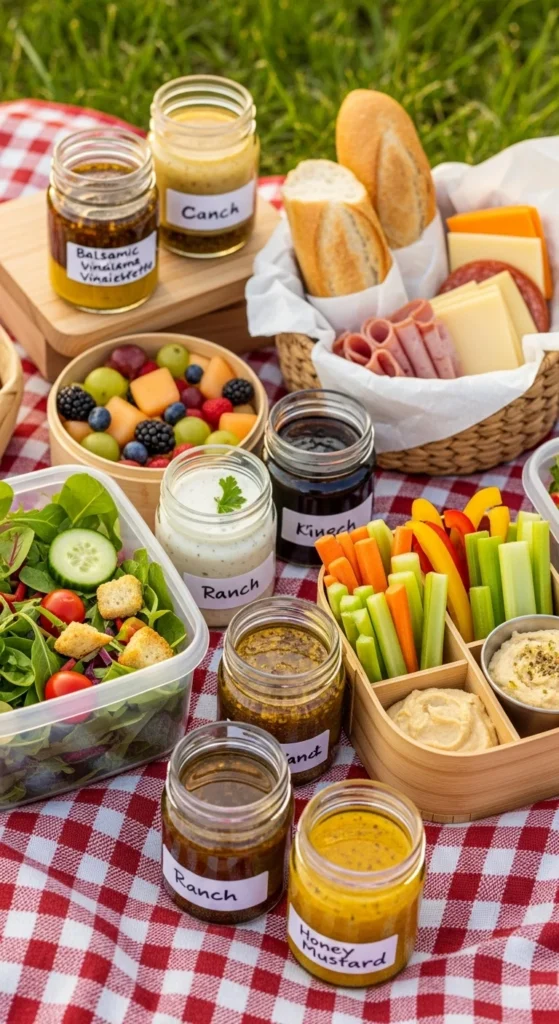
Think Handheld and Bite-Sized
Picnic food should be easy to eat on a blanket or bench.
Easy-to-Eat Picnic Ideas
- Wraps cut into pieces
- Stuffed flatbreads
- Mini sandwiches
- Vegetable skewers
Bite-sized food keeps things tidy and relaxed.
Use Simple Cooling Strategies
Spring weather can be unpredictable. Some foods need a little help staying fresh.
Simple Cooling Tips
- Freeze water bottles overnight
- Use insulated bags
- Pack cold items together
- Keep food shaded
These small steps make a big difference, especially for dairy or eggs.
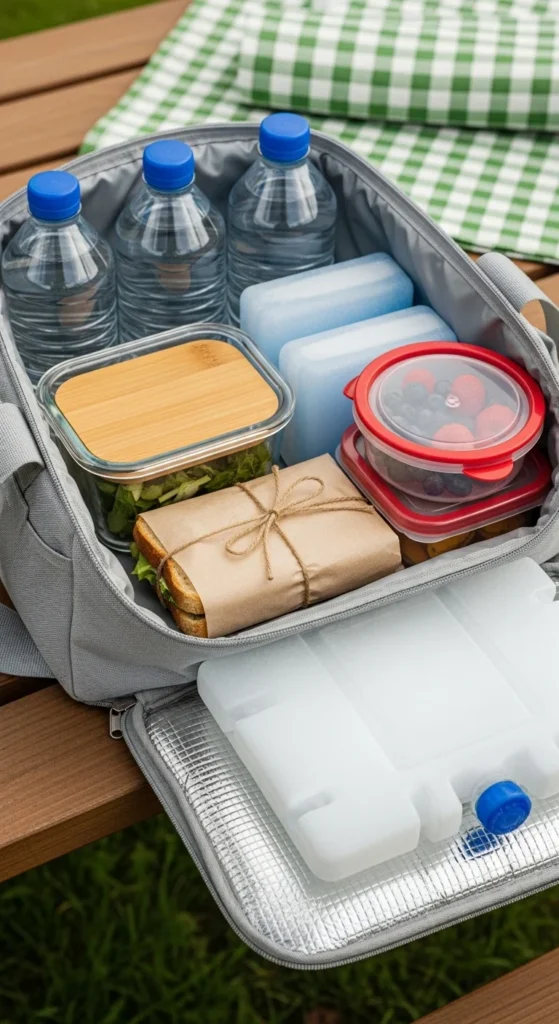
Pack With Structure in Mind
How you pack matters just as much as what you pack.
Packing Order Tips
- Heavy items at the bottom
- Soft foods on top
- Liquids upright
- Separate sweet and savoury items
Use firm containers to prevent crushing and leaks.
Avoid These Common Picnic Food Mistakes
Even well-planned picnics can go wrong.
Try to avoid:
- Overdressed salads
- Foods that need reheating
- Fragile pastries
- Excessively creamy dishes
If it melts, wilts, or collapses easily, rethink it.
Add a Few Fresh Elements at the End
To keep things feeling spring-like, add a few last-minute touches.
Fresh Finishing Touches
- Whole fruit
- Fresh herbs
- Lemon wedges
- Crisp crackers
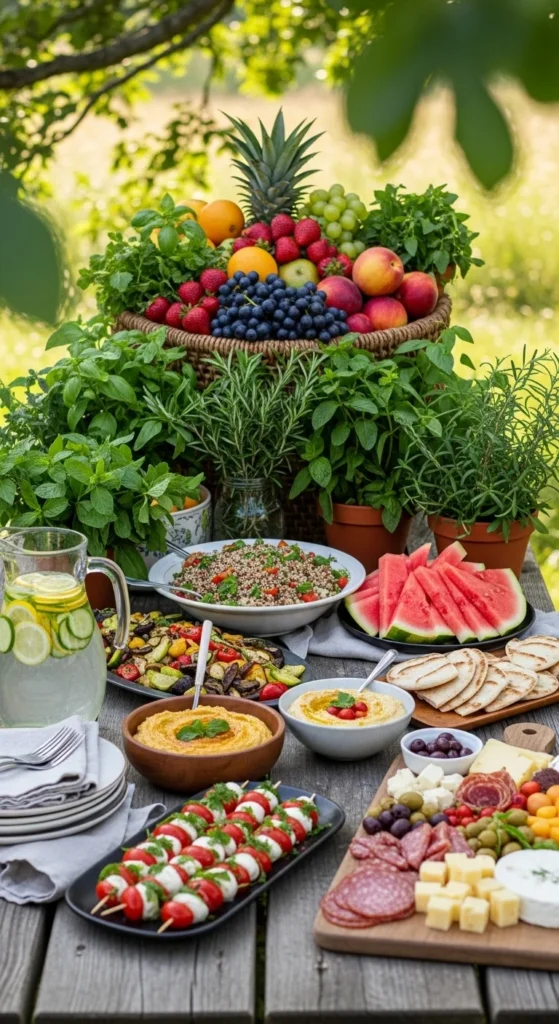
These add brightness without risking spoilage.
Final Takeaway
Spring picnic food should feel effortless, fresh, and dependable. Focus on dishes that travel well, hold their shape, and taste great without heat. With smart planning, sturdy ingredients, and thoughtful packing, your picnic food will arrive just as good as when it left the kitchen.
A little preparation goes a long way outdoors.
Save this guide for later and enjoy stress-free spring picnics all season long!
Hannah Collins is a passionate home cook and food storyteller who believes every recipe tells a little love story. At TastyWriter, she shares simple, delicious recipes made for real kitchens and busy days — from cozy comfort dishes to creative new favorites. When she’s not cooking, you’ll find her photographing food, testing family recipes, or sipping tea while dreaming up her next tasty idea.
Leave a Reply