

As soon as asparagus shows up at the market, spring officially begins. Those bright green stalks are one of the easiest ways to turn an ordinary dinner into something fresh, seasonal, and satisfying—without spending hours in the kitchen.
Whether you’re cooking for yourself, your family, or last-minute guests, asparagus is your secret weapon. It cooks quickly, pairs with almost anything, and tastes incredible with just a few simple ingredients. Here’s how to cook asparagus in a way that feels effortless and dinner-worthy.
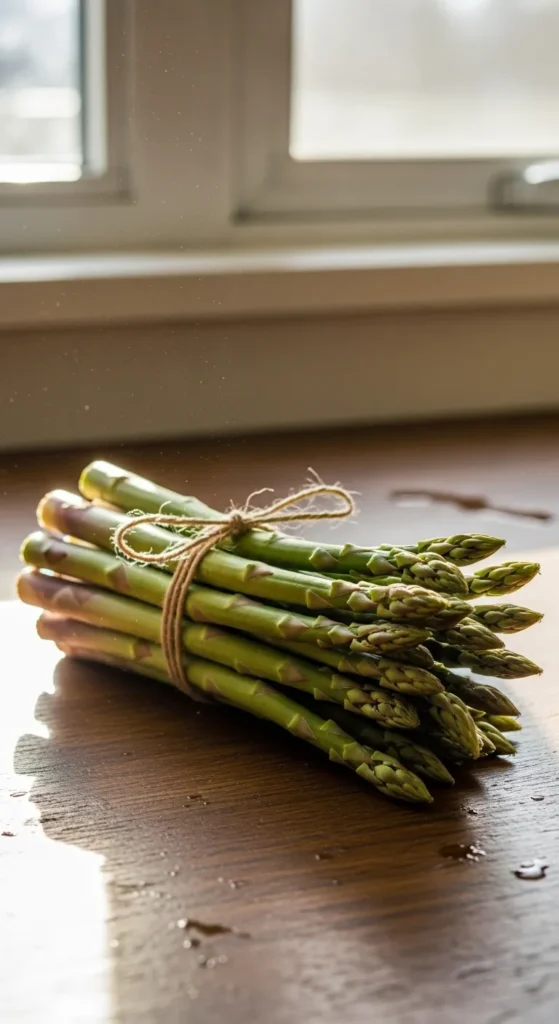
Start With Fresh, High-Quality Asparagus
Simple cooking only works if the ingredient is good to begin with. Fresh asparagus should look vibrant and feel firm.
When shopping, look for:
- Bright green stalks (avoid dull or wrinkled ones)
- Tight, closed tips
- Stems that snap easily when bent
Thicker stalks are great for roasting or grilling, while thinner ones shine in quick sautés. Both are delicious—you just adjust the cooking time.
Before cooking:
- Rinse well under cold water
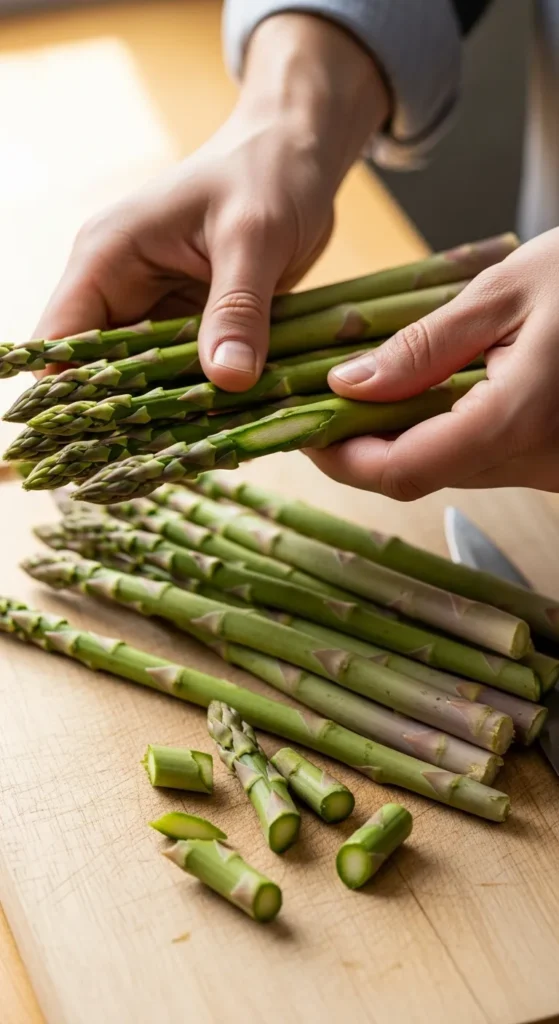
- Snap off the woody ends (they naturally break where tender meets tough)
That’s it. No peeling, no fuss.
Choose One Easy Cooking Method
Asparagus doesn’t need complicated techniques. Pick one method based on how much time and effort you want to spend.
Roasting (Best for Hands-Off Cooking)
- Toss asparagus with olive oil and salt
- Roast at 400–425°F (200–220°C)
- Cook for 12–15 minutes, turning once
Roasting brings out a slightly nutty flavor and works well if you’re cooking other things in the oven.
Sautéing (Best for Speed)
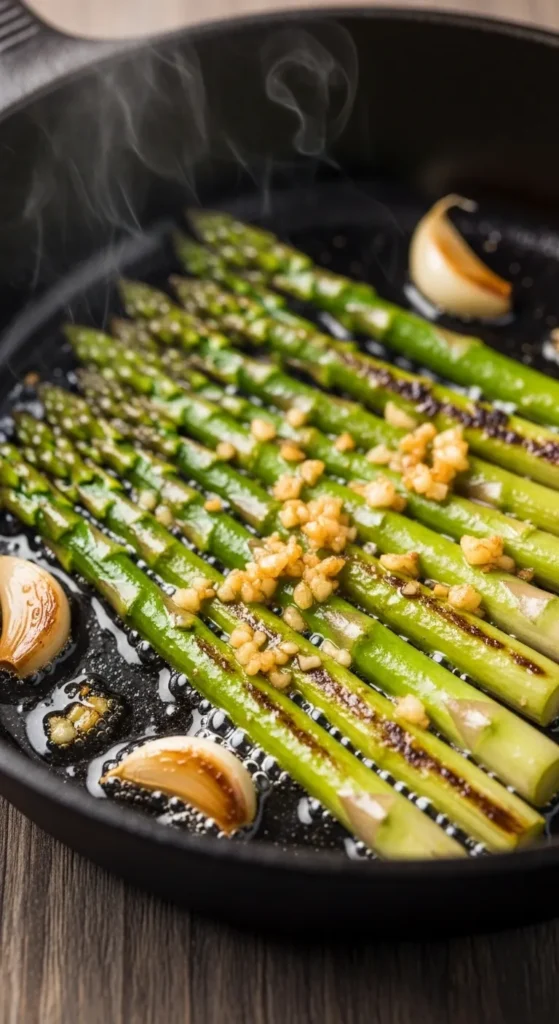
- Heat olive oil or butter in a skillet
- Add asparagus in a single layer
- Cook 5–7 minutes, turning occasionally
This is perfect for weeknights when dinner needs to happen now.
Steaming or Blanching (Best for Brightness)
- Steam until just tender (about 4–5 minutes)
- Or blanch briefly, then drain well
These methods keep asparagus vibrant and light.
Season Simply to Let Flavor Shine
Asparagus has a naturally fresh, slightly sweet flavor. Heavy sauces aren’t necessary—and often get in the way.
Start with:
- Olive oil or butter
- Salt
- Freshly ground pepper
Then finish with one or two of these:
- Lemon juice or zest
- Garlic (sliced or grated)
- Parmesan or pecorino
- Red pepper flakes
Add finishing touches after cooking so they stay bright and aromatic.
A squeeze of lemon right before serving makes everything taste more alive.
Build a Simple Spring Dinner Around It
Asparagus can be the star or the perfect supporting player. Either way, it fits easily into a simple dinner.
Easy pairings:
- Roasted chicken or salmon
- Pan-seared tofu or eggs
- Pasta with olive oil and herbs
- Risotto or grain bowls
Turn asparagus into a complete plate by:
- Tossing it with pasta and cheese
- Serving it over toasted bread with a soft egg
- Adding it to a warm salad with grains
Because asparagus cooks so quickly, it’s ideal when the rest of the meal needs minimal effort too.
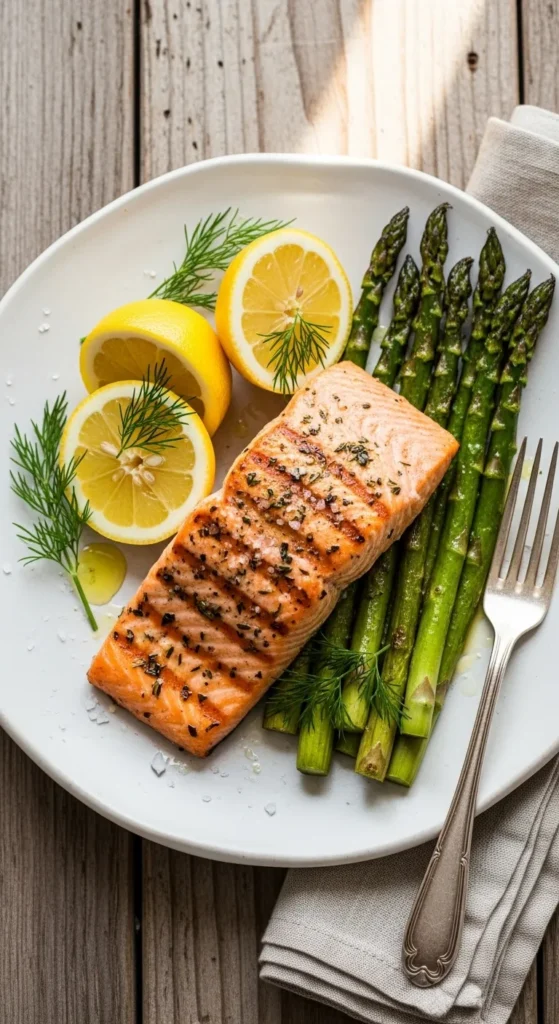
Don’t Overcook—Timing Is Everything
The biggest asparagus mistake? Cooking it too long.
Perfectly cooked asparagus should be:
- Bright green
- Tender but still slightly crisp
- Not limp or mushy
Signs it’s done:
- A knife slides in easily
- The stalk bends slightly but doesn’t collapse
If you’re unsure, err on the side of undercooking. You can always add another minute—but you can’t undo mushy asparagus.
Add a Simple Upgrade When You Want More
When you want asparagus to feel a little more special (without extra work), small upgrades go a long way.
Try:
- Toasted almonds or pine nuts
- A drizzle of balsamic or honey
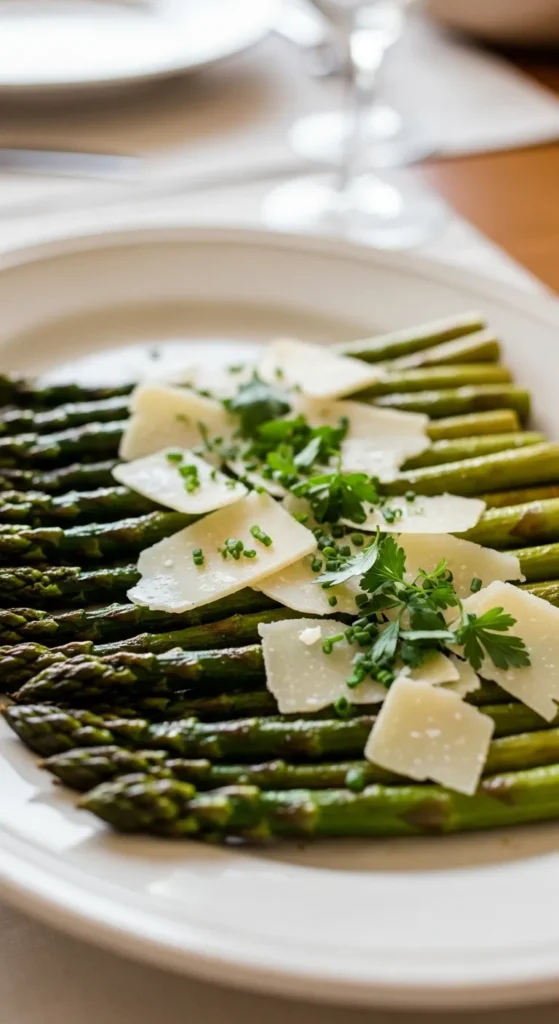
- Shaved cheese
- Fresh herbs like parsley, dill, or chives
These additions add texture and interest while keeping the dish simple and spring-focused.
Make It Ahead (Yes, You Can)
Asparagus is best fresh, but it can be prepped ahead if needed.
To prep in advance:
- Cook asparagus until just tender
- Cool completely
- Store in an airtight container
To refresh before serving:
- Reheat quickly in a hot pan
- Add lemon, oil, or herbs
This works especially well for busy evenings or casual dinners with friends.
Final Takeaway
Cooking asparagus for a simple spring dinner doesn’t require fancy recipes or special skills. With fresh ingredients, gentle cooking, and light seasoning, asparagus becomes one of the easiest—and most satisfying—vegetables on your plate.
Once you master the basics, you’ll find yourself reaching for it again and again all season long.

Hannah Collins is a passionate home cook and food storyteller who believes every recipe tells a little love story. At TastyWriter, she shares simple, delicious recipes made for real kitchens and busy days — from cozy comfort dishes to creative new favorites. When she’s not cooking, you’ll find her photographing food, testing family recipes, or sipping tea while dreaming up her next tasty idea.
Leave a Reply