

Spring vegetables are at their best when they taste clean, fresh, and naturally sweet. But many people assume that good flavor always comes from generous amounts of oil. The truth is, spring produce already has what it needs. With the right techniques, you can cook vegetables that are tender, flavorful, and satisfying without relying on heavy oil.
This guide walks you through simple, practical ways to cook spring vegetables using very little oil while keeping texture and flavor front and center.
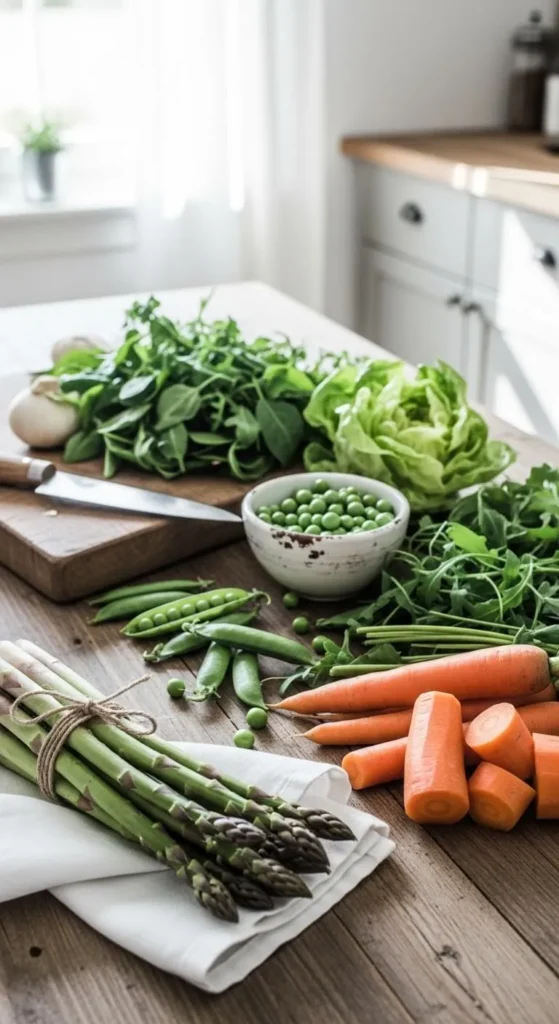
Choose Vegetables That Shine With Minimal Fat
Some vegetables naturally cook well with little oil because of their water content and tender texture.
Great spring vegetables for low-oil cooking:
- Asparagus
- Zucchini
- Spinach
- Green beans
- Peas
- Radishes
- Spring carrots
These vegetables soften quickly and release natural moisture as they cook, which helps prevent sticking and dryness.
Tip: Fresh vegetables work better than older ones. The fresher they are, the less fat they need.
Master Moist-Heat Cooking Methods
Moist heat helps vegetables cook evenly without requiring much oil.
Best options include:
- Steaming
- Blanching
- Braising with a splash of liquid
- Gentle simmering
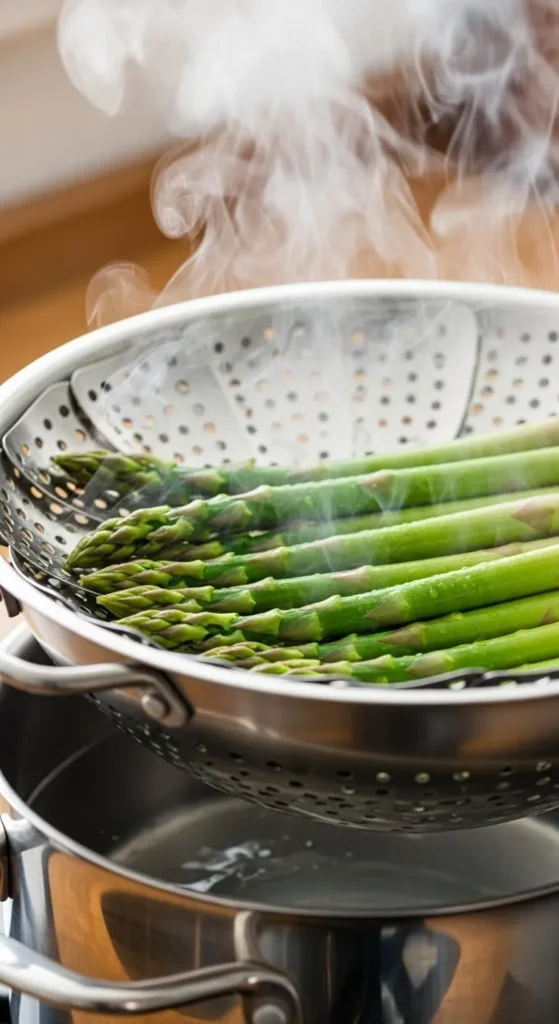
Steaming for Clean Flavor
Steaming keeps vegetables bright and tender.
How to steam:
- Bring a small amount of water to a simmer
- Add vegetables to a steamer basket
- Cover and cook until just tender
Season vegetables after steaming with salt, lemon juice, or herbs instead of oil-heavy sauces.
Use Nonstick and Well-Heated Pans
A hot pan reduces the need for oil. When vegetables hit a properly heated surface, they cook quickly and release naturally.
How to do it:
- Preheat the pan before adding vegetables
- Use nonstick or well-seasoned cookware
- Add vegetables dry or with a splash of water
If sticking starts, add:
- A tablespoon of water
- A squeeze of lemon juice
- A spoon of vegetable broth
This technique works especially well for zucchini, mushrooms, and greens.
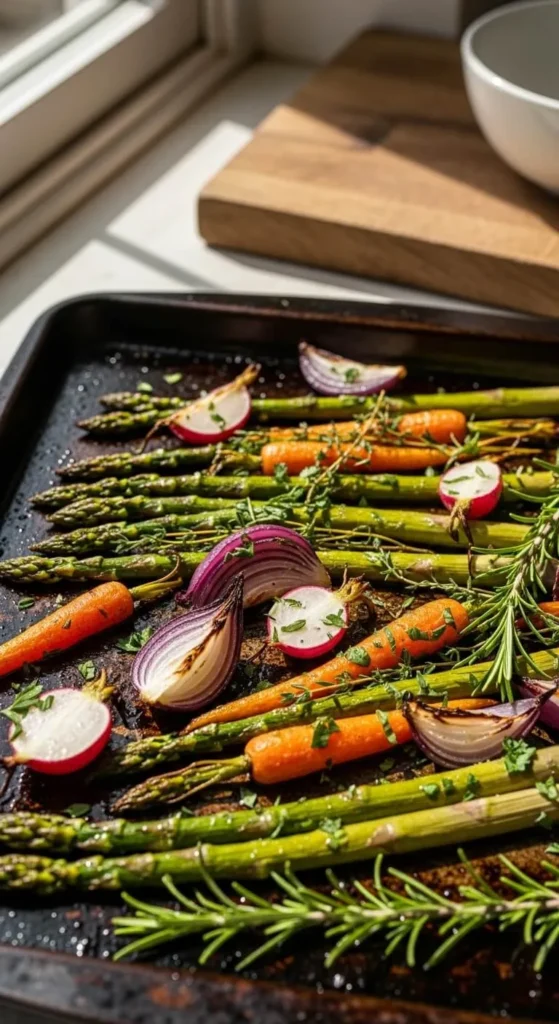
Roast Vegetables With Smart Oil Control
Roasting usually uses oil, but you only need a small amount if you use the right approach.
Tips for low-oil roasting:
- Toss vegetables lightly with 1–2 teaspoons of oil
- Spread them in a single layer
- Roast at 200°C for good browning
- Flip halfway through cooking
You can also line trays with parchment paper to reduce sticking even further.
Boost Flavor Without Adding Fat
Oil is often used for flavor, not function. Replace it with ingredients that add brightness and depth.
Flavor boosters that work well:
- Lemon juice or zest
- Vinegar
- Fresh herbs
- Garlic and onions cooked gently
- Spices like paprika or cumin
Add these:
- During the last minute of cooking
- Right after vegetables come off the heat
This keeps flavors fresh and avoids the flat taste that can come from overcooking.
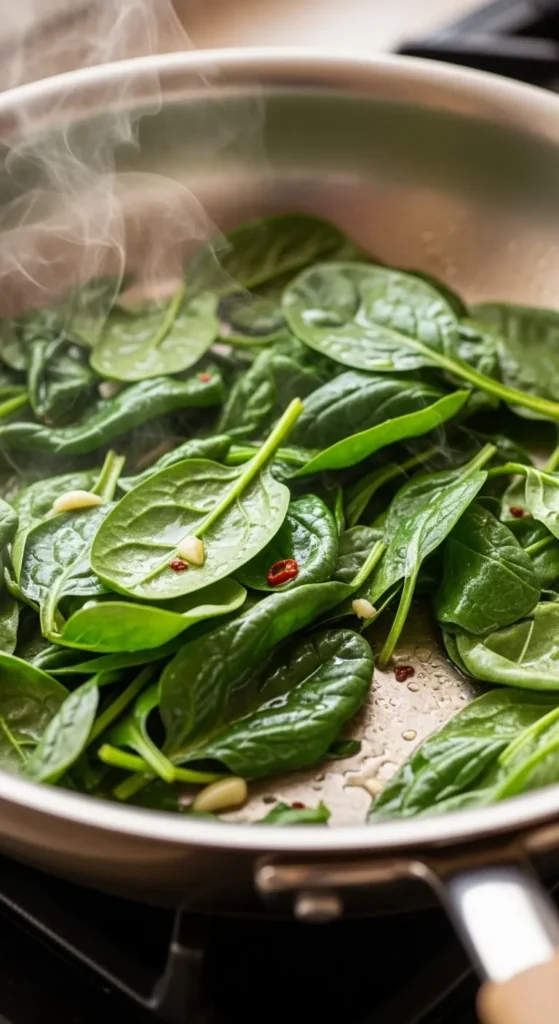
Try Water Sautéing for Tender Greens
Water sautéing works especially well for leafy spring greens.
How it works:
- Heat pan over medium heat
- Add a few tablespoons of water or broth
- Add greens and stir
- Cook until just wilted
Finish with salt, pepper, and lemon. This method keeps greens soft and vibrant without oil.
Pair Vegetables With Light Sauces After Cooking
Instead of cooking vegetables in oil, add flavor after they are done.
Light finishing options:
- Yogurt with herbs
- Tahini diluted with lemon and water
- Mustard vinaigrette with minimal oil
- Simple tomato-based sauces
Adding sauces after cooking lets you control quantity while still getting flavor.
Avoid Common Low-Oil Cooking Mistakes
Cooking with less oil is simple, but a few mistakes can get in the way.
Avoid:
- Crowding the pan
- Cooking at low heat for too long
- Skipping seasoning
- Using cold pans
Vegetables should cook quickly and evenly. Short cooking times help preserve both texture and taste.
Easy Low-Oil Spring Vegetable Ideas
Once you understand the basics, meals come together easily.
Try:
- Steamed asparagus with lemon and herbs
- Roasted carrots with spices and vinegar
- Water-sautéed greens with garlic
- Blanched green beans tossed with mustard dressing
These dishes work as sides or as part of simple bowls.
Final Takeaway
Cooking spring vegetables without much oil is about technique, not sacrifice. With fresh produce, proper heat, and smart seasoning, you can create light, flavorful dishes that let the vegetables shine.
Save this guide for later and enjoy spring vegetables at their freshest 🥕🌱
Hannah Collins is a passionate home cook and food storyteller who believes every recipe tells a little love story. At TastyWriter, she shares simple, delicious recipes made for real kitchens and busy days — from cozy comfort dishes to creative new favorites. When she’s not cooking, you’ll find her photographing food, testing family recipes, or sipping tea while dreaming up her next tasty idea.
Leave a Reply