

Spring is the season when food starts to feel lighter, fresher, and more colorful. But if “healthy dinners” make you think of bland plates, tiny portions, or rules you’ll quit in a week—you’re not alone. The secret to healthy spring dinners isn’t cutting everything out. It’s building meals that feel satisfying, flexible, and genuinely enjoyable.
This guide shows you how to eat well in spring without feeling restricted or bored.
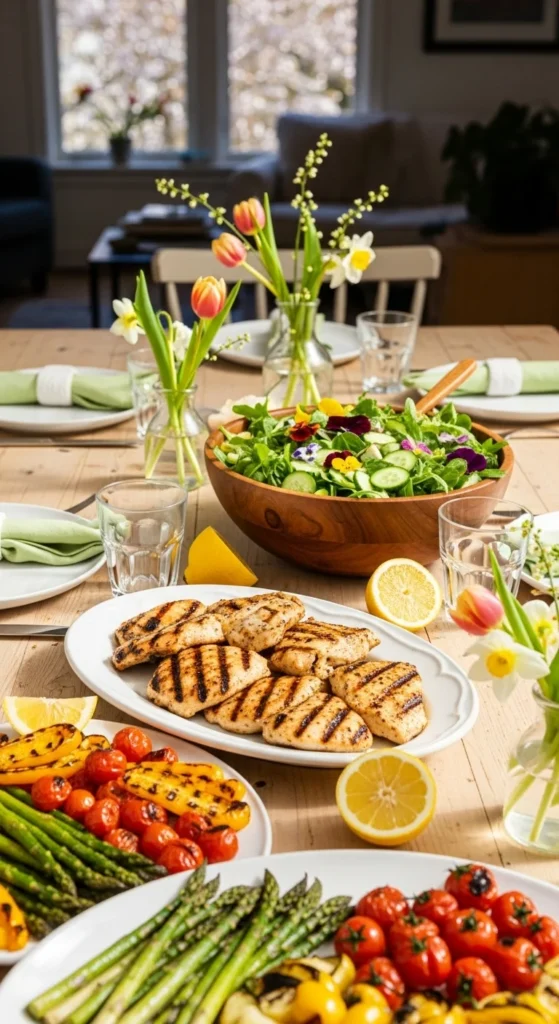
Focus on Adding, Not Removing
The fastest way to feel restricted is to think in terms of “I can’t eat that.” A better approach? Start with what you can add.
Spring makes this easy because produce is fresh and naturally flavorful.
Add more:
- Seasonal vegetables (asparagus, peas, spinach, zucchini)
- Fresh herbs like basil, parsley, and dill
- Light proteins such as chicken, fish, eggs, or beans
- Bright flavors like lemon, garlic, and olive oil
When your plate feels full and colorful, there’s less room for frustration.
Mindset shift: You’re building better meals, not punishing yourself.
Build Dinners Around Simple Formulas
You don’t need complicated recipes to eat well. Use a simple dinner formula and rotate ingredients to keep things interesting.
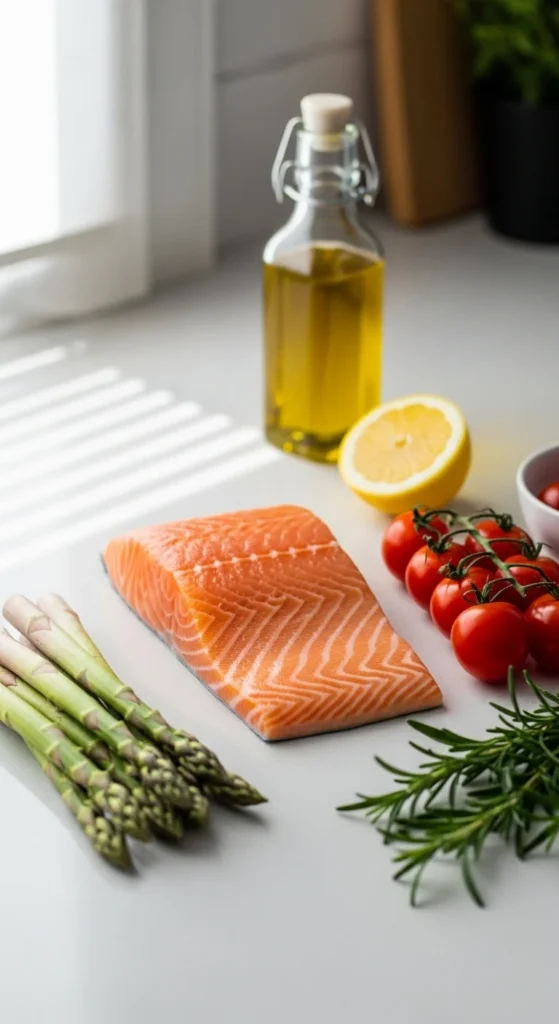
A no-fail spring dinner formula:
- Protein: grilled chicken, salmon, tofu, eggs
- Vegetables: roasted or sautéed seasonal veggies
- Carbs: rice, potatoes, pasta, or bread (yes, still allowed)
- Flavor boost: sauce, dressing, or fresh herbs
This keeps meals balanced and flexible—no measuring, no stress.
Use Lighter Cooking Methods That Still Taste Good
“Healthy” doesn’t mean raw or boring. The way you cook matters more than strict rules.
Great spring-friendly cooking methods:
- Grilling
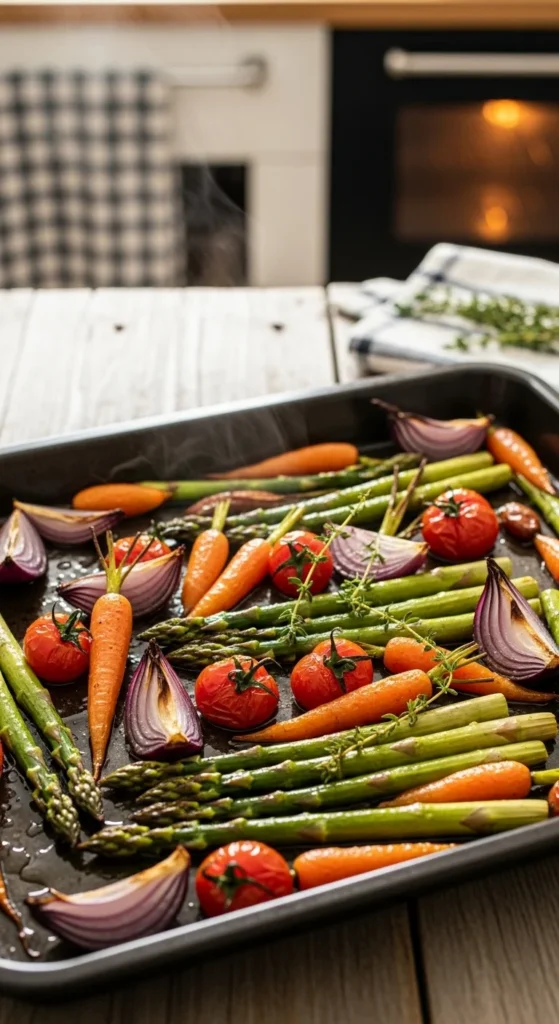
- Roasting
- Sautéing with olive oil
- Quick stir-frying
These methods bring out natural flavors and textures without heavy sauces or deep frying.
Example: Roasted spring vegetables with olive oil and sea salt taste indulgent—but they’re simple and nourishing.
Keep Carbs, Just Make Them Smarter
Cutting carbs completely is one of the biggest reasons people feel restricted. Instead, keep them—but be intentional.
Spring-friendly carb ideas:
- New potatoes with herbs
- Rice or quinoa bowls
- Fresh pasta with vegetables
- Crusty bread on the side
The goal isn’t elimination. It’s balance.
Tip: Fill half your plate with vegetables, then enjoy carbs without guilt. That alone makes meals feel lighter.
Make Sauces and Dressings Do the Heavy Lifting
A good sauce can turn a simple meal into something you crave. You don’t need heavy cream or sugar to make it work.
Easy, feel-good flavor boosters:
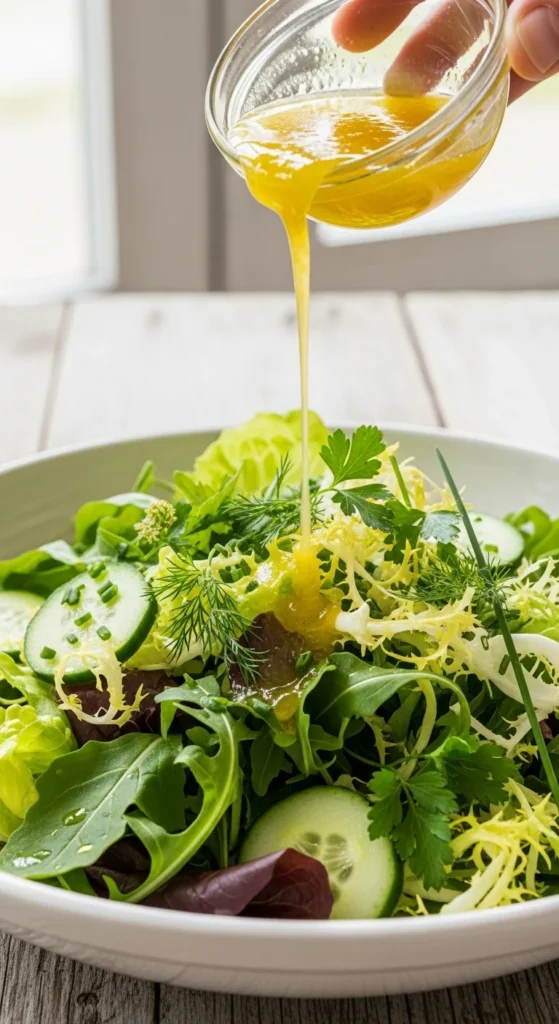
- Lemon and olive oil vinaigrette
- Yogurt-based sauces with herbs
- Tahini and lemon
- Garlic butter (a little goes a long way)
When food tastes good, you don’t feel like you’re “on a diet.”
Don’t Aim for Perfect—Aim for Repeatable
Healthy eating that works is boring in the best way. Not every dinner needs to be Instagram-worthy.
Ask yourself:
- Is this easy to make again?
- Does it fill me up?
- Do I actually enjoy it?
If the answer is yes, you’re doing it right.
Repeating meals you love reduces decision fatigue and keeps healthy habits sustainable.
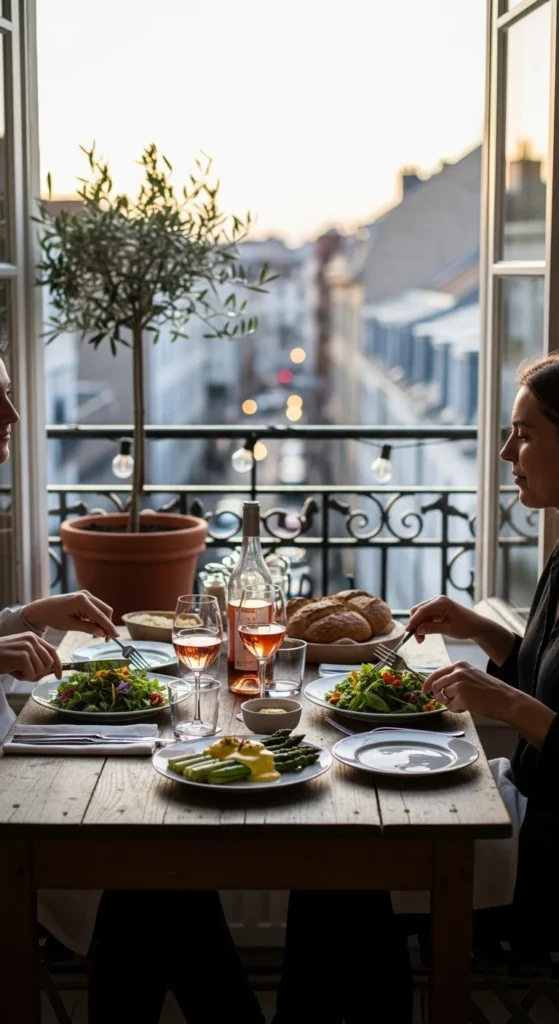
Make Spring Dinners Feel Like a Treat
One reason “healthy eating” feels restrictive is the loss of pleasure. Spring dinners should feel relaxed and enjoyable.
Ways to make meals feel special:
- Eat outside or near a window
- Use a real plate instead of eating from the pan
- Add fresh herbs or lemon at the end
- Share the meal with someone
Healthy food doesn’t need to feel clinical. It should feel like life.
Leave Room for Flexibility
Restriction usually sneaks in when rules get too tight. Build flexibility into your week.
That might look like:
- One “whatever you want” dinner
- Dessert a few nights a week
- Mixing healthy meals with comfort food
Consistency beats perfection every time.
When you stop labeling foods as “good” or “bad,” healthy eating becomes much easier to maintain.
Final Takeaway
Healthy spring dinners don’t come from strict rules. They come from fresh ingredients, simple cooking, and meals that actually satisfy you. Focus on balance, flavor, and flexibility—and you’ll eat well without feeling trapped.
Save this guide for later and make spring dinners something you look forward to.
Hannah Collins is a passionate home cook and food storyteller who believes every recipe tells a little love story. At TastyWriter, she shares simple, delicious recipes made for real kitchens and busy days — from cozy comfort dishes to creative new favorites. When she’s not cooking, you’ll find her photographing food, testing family recipes, or sipping tea while dreaming up her next tasty idea.
Leave a Reply