

Spring herbs are like a reset button for your cooking. After months of heavy, slow-cooked meals, fresh herbs bring brightness, aroma, and instant flavor—without needing extra salt, sugar, or sauces. The best part? You don’t need fancy techniques to use them well. A few simple habits can completely change how your food tastes.
This guide shows you how to cook with spring herbs in a way that feels easy, natural, and delicious.
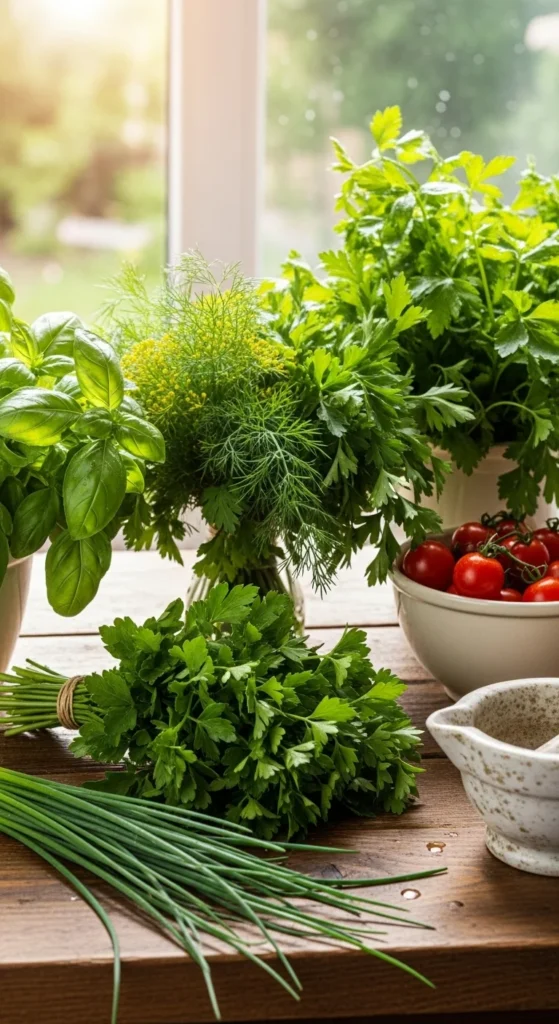
Get to Know the Most Popular Spring Herbs
Before cooking, it helps to understand what each herb does best. Spring herbs are generally fresh, soft, and aromatic—very different from dried herbs.
Common spring herbs and how they taste:
- Basil: sweet, slightly peppery, fresh
- Parsley: clean, mild, slightly grassy
- Dill: light, tangy, slightly sweet
- Mint: cool, refreshing, bright
- Chives: mild onion flavor
These herbs work best when they’re allowed to shine instead of being buried under heavy spices.
Quick tip: If it smells amazing raw, it will probably taste great in your dish.
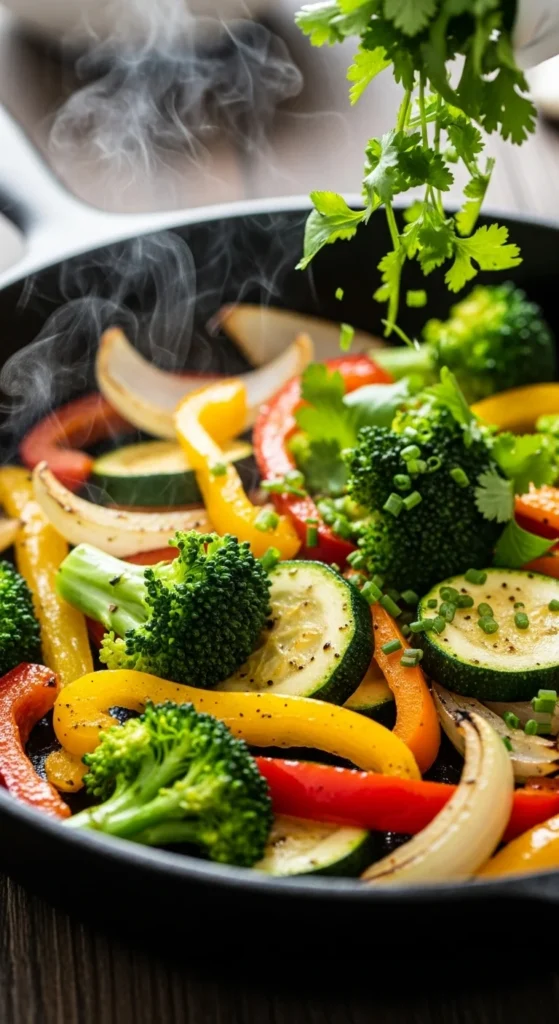
Add Herbs at the Right Time
Timing is everything when it comes to herbs. One of the biggest mistakes is cooking them too long.
General rule:
- Soft spring herbs should be added at the end or just before serving
- Long cooking dulls their flavor and color
When to add them:
- Sprinkle fresh herbs over finished dishes
- Stir them in right after turning off the heat
- Use them as a garnish instead of an ingredient
This keeps their flavor fresh and vibrant.
Chop Herbs the Right Way
How you cut herbs affects both taste and texture. Bruised herbs can turn bitter, especially basil and mint.
Best practices:
- Use a sharp knife, not a dull one
- Chop gently instead of crushing
- Avoid over-chopping into a paste
For delicate herbs like basil or mint:
- Stack the leaves
- Roll them gently
- Slice into thin ribbons
This keeps the flavor clean and bright.
Pair Herbs With the Right Foods
Herbs taste best when paired thoughtfully. Some combinations just work naturally.
Easy herb pairings:
- Basil: tomatoes, pasta, eggs, chicken
- Dill: fish, potatoes, yogurt sauces
- Parsley: roasted vegetables, rice, salads
- Mint: peas, lamb, salads, fruit
You don’t need many herbs at once. Often, one or two are enough.
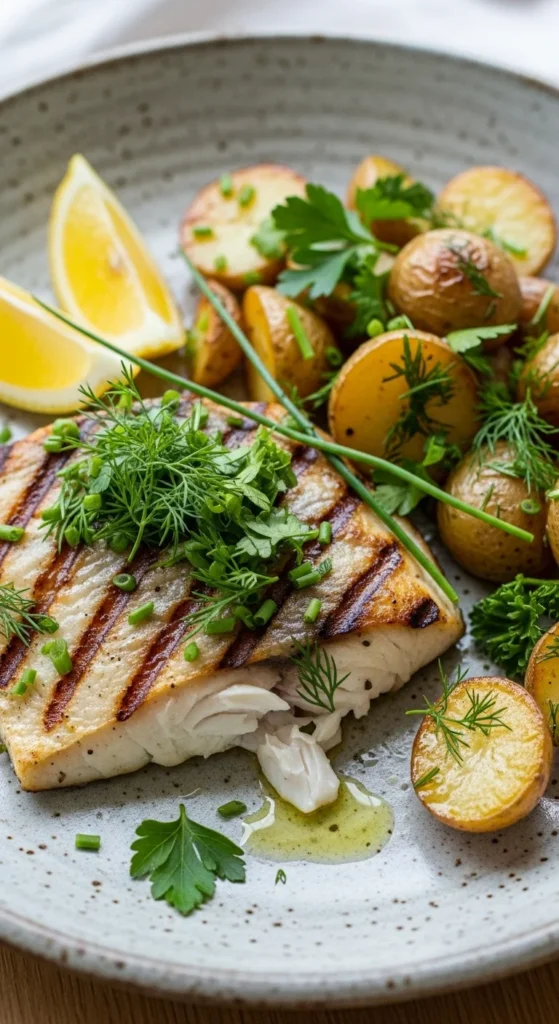
Use Herbs to Build Flavor Without Heaviness
Spring herbs are perfect when you want food to taste bold but still feel light.
Ways to use herbs for flavor:
- Mix chopped herbs into olive oil and drizzle over food
- Add herbs to yogurt or sour cream for quick sauces
- Toss herbs into warm grains like rice or quinoa
- Finish soups with herbs instead of cream
This gives depth without weighing the dish down.
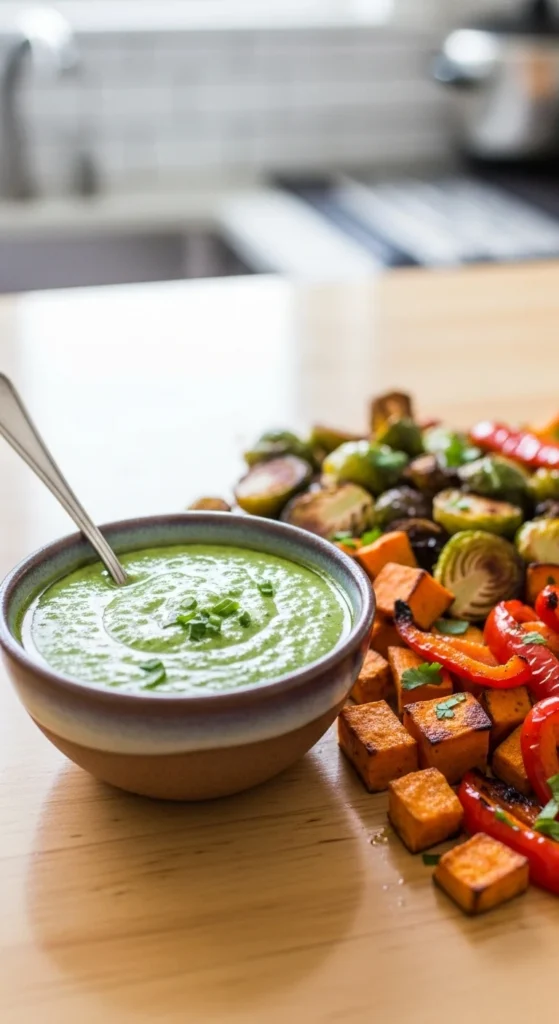
Make Simple Herb-Based Sauces
You don’t need a recipe book to make a great herb sauce. A few basic ingredients go a long way.
Quick herb sauce formula:
- Fresh herbs
- Olive oil
- Lemon juice or vinegar
- Salt
Blend or finely chop everything together. That’s it.
Uses:
- Drizzle over vegetables
- Spoon onto grilled meat or fish
- Stir into pasta or grains
Store Spring Herbs So They Last Longer
Fresh herbs can wilt fast if stored the wrong way. A little care makes them last much longer.
Storage tips:
- Trim the stems
- Place herbs in a glass with water like flowers
- Cover loosely with a plastic bag
- Keep in the fridge
For basil:
- Store at room temperature instead of the fridge
Fresh herbs that last longer mean you’ll use them more often.
Let Herbs Be the Star, Not the Afterthought
Instead of adding herbs just because a recipe says so, let them lead the dish.
Try this:
- Start with herbs as the main flavor
- Build the dish around them
- Keep the rest simple
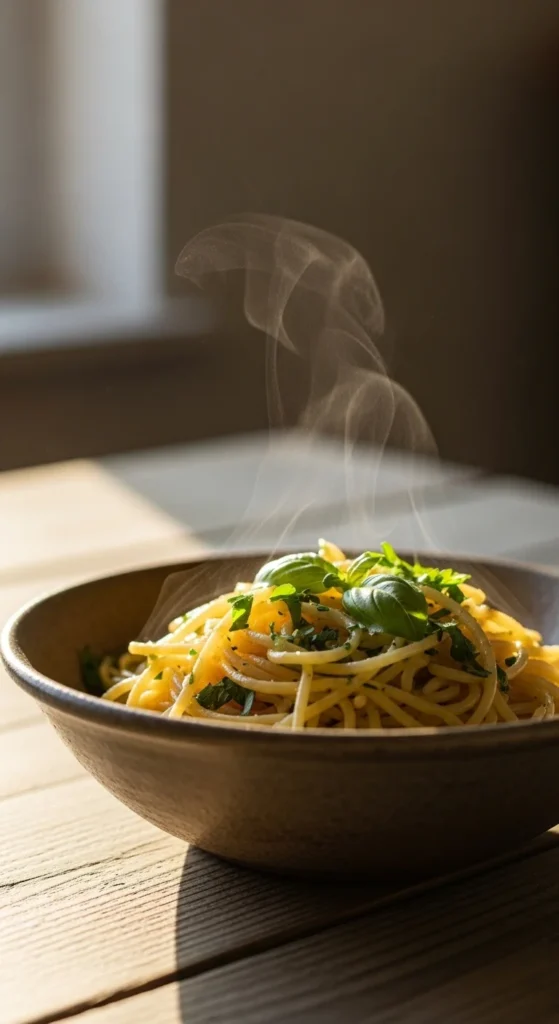
A pasta with olive oil, garlic, and lots of fresh herbs can taste better than a complicated sauce.
Final Takeaway
Cooking with spring herbs doesn’t require skill—it requires attention. Add them at the right time. Pair them thoughtfully. Keep things simple. When you let fresh herbs do what they’re meant to do, your food instantly tastes brighter, fresher, and more alive.
Save this guide for later and let spring herbs transform your everyday cooking.
Hannah Collins is a passionate home cook and food storyteller who believes every recipe tells a little love story. At TastyWriter, she shares simple, delicious recipes made for real kitchens and busy days — from cozy comfort dishes to creative new favorites. When she’s not cooking, you’ll find her photographing food, testing family recipes, or sipping tea while dreaming up her next tasty idea.
Leave a Reply