

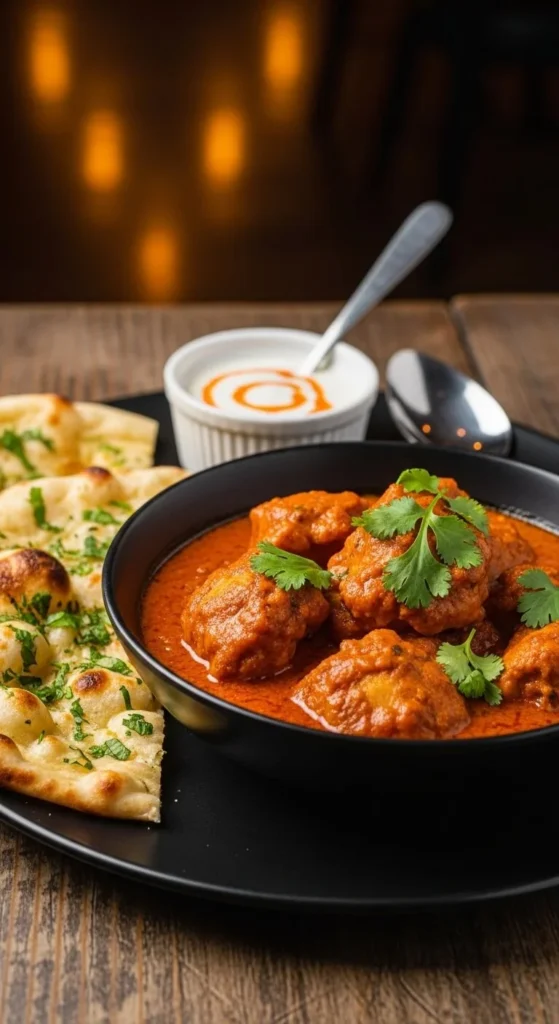
There’s something irresistible about restaurant-style chicken curry. The deep aroma hits you first — warm spices, rich gravy, and tender chicken simmered to perfection. The sauce is silky, flavorful, and perfectly balanced. It clings to every bite, whether you scoop it with naan or pour it over steaming rice. The best part? You don’t need a professional kitchen to recreate it. With the right ingredients and a few smart techniques, you can make restaurant-style chicken curry right at home.
Imagine a bowl of vibrant curry, glossy with oil on top, garnished with fresh herbs, and releasing waves of irresistible aroma. That’s exactly what you’re about to create.
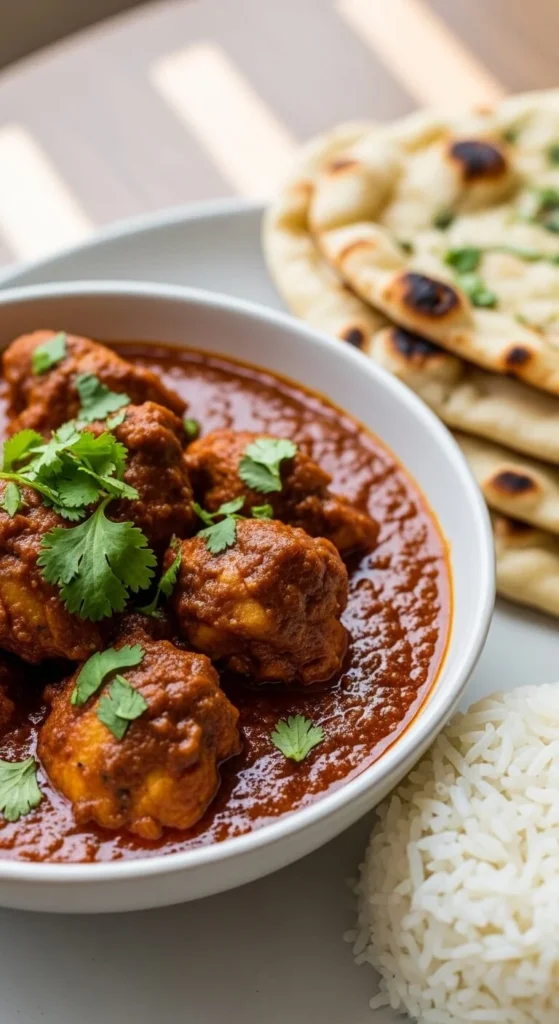
Let’s break it down step by step so your curry tastes just like your favorite restaurant version.
Choose the Right Chicken
Restaurant curries use tender, juicy chicken that absorbs flavor well. The best cuts are:
- Boneless chicken thighs (most flavorful and tender)
- Bone-in chicken pieces (for deeper flavor)
- Boneless chicken breast (leaner but still good)
Cut chicken into medium-sized pieces so they cook evenly and stay juicy. Avoid very small pieces, which can dry out.
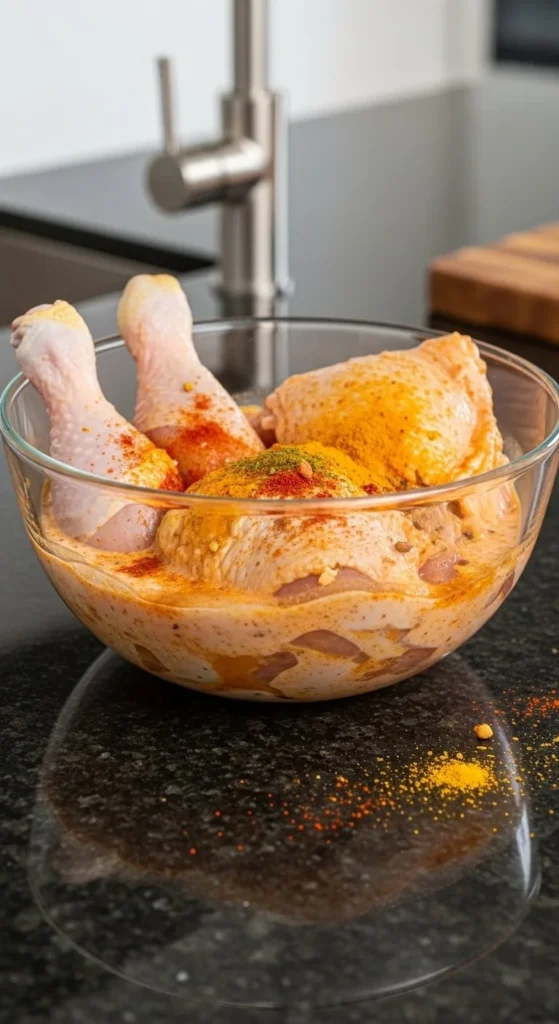
For extra tenderness, you can marinate the chicken with:
- ½ cup yogurt
- 1 teaspoon ginger garlic paste
- ½ teaspoon salt
- ½ teaspoon chili powder
Let it rest for at least 30 minutes. This makes the chicken soft and flavorful.
Build Flavor with the Right Base
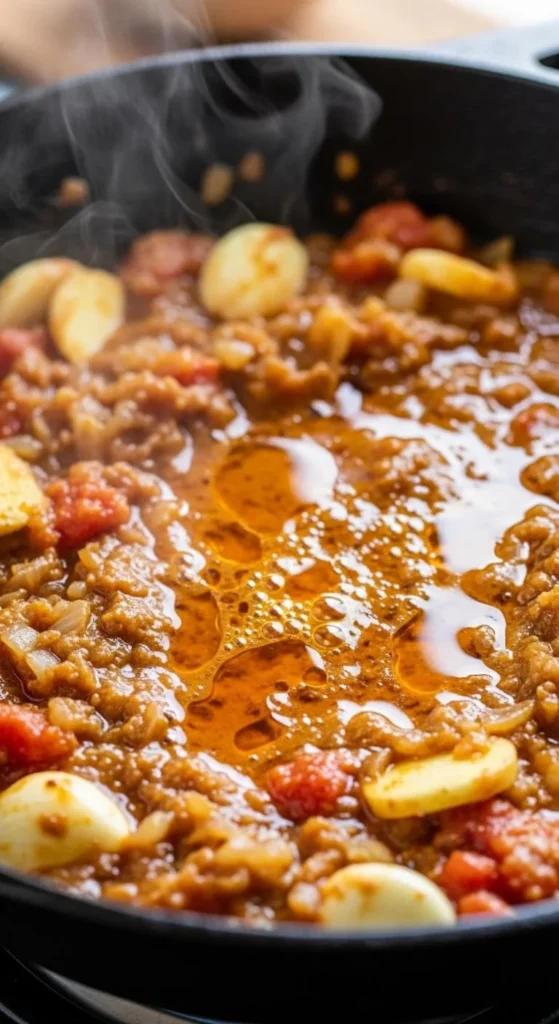
The secret to restaurant-style curry is the base — onions, ginger, garlic, and tomatoes cooked properly.
Start by heating oil in a pan. Add finely chopped onions and cook until golden brown. This step is critical. Properly browned onions create sweetness and depth.
Then add:
- Ginger garlic paste
- Cook until fragrant and slightly golden
Next, add pureed or finely chopped tomatoes. Cook until the mixture thickens and oil begins separating at the edges.
This stage develops the rich, deep flavor restaurants are known for.
Add Spices the Right Way
Restaurant curries use layered spices, not everything at once. Add these spices to your cooked base:
- Turmeric powder
- Chili powder
- Coriander powder
- Cumin powder
- Garam masala
Cook spices briefly in oil. This releases their aroma and removes raw taste.
You’ll notice the color deepen and the smell intensify — this is when real curry flavor develops.
Avoid adding water too early. Let spices cook in oil first.
Cook the Chicken Slowly in the Gravy
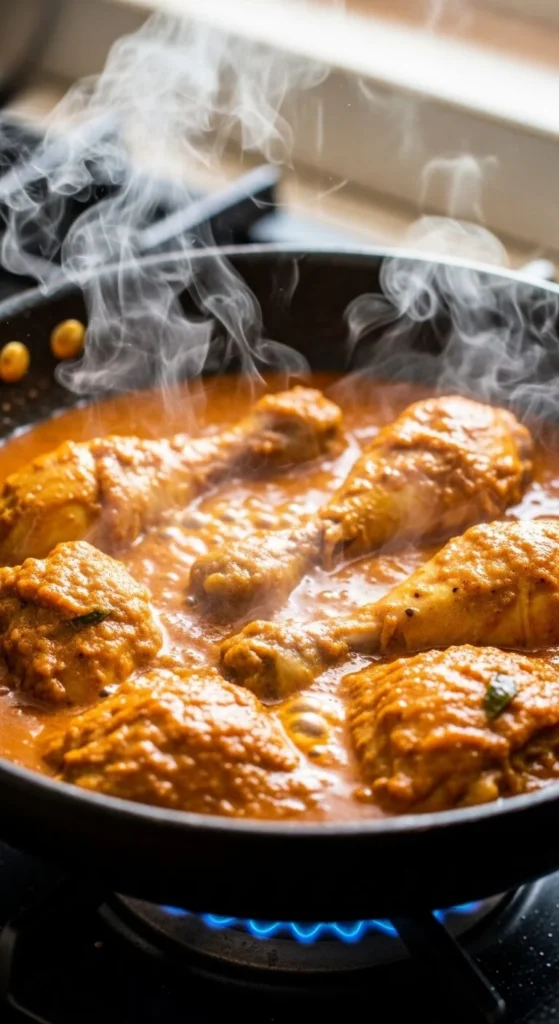
Add your marinated or raw chicken to the spice base. Mix well so every piece is coated.
Cook for a few minutes until the chicken changes color. Then add a small amount of water and let it simmer.
Cover and cook on medium-low heat for 15–20 minutes.
Slow cooking allows the chicken to:
- Become tender
- Absorb spice flavors
- Blend perfectly into the gravy
Stir occasionally so nothing sticks.
Add the Restaurant-Style Finish
This is where restaurant curry becomes special. Add finishing touches like:
- A splash of cream or yogurt for richness
- A pinch of garam masala for aroma
- Fresh chopped coriander
For extra depth, you can also add:
- A small knob of butter
- Or a drizzle of oil on top
These finishing touches create that glossy, luxurious restaurant look and taste.
Adjust the Gravy Consistency
Restaurant curry usually has smooth, medium-thick gravy.
If too thick:
- Add a little hot water
If too thin:
- Simmer uncovered to reduce
Stir gently and let it settle. The gravy should coat the back of a spoon without being watery.
Let the Curry Rest Before Serving
This is a small but powerful trick. Turn off the heat and let the curry rest for 5–10 minutes.
Resting allows flavors to settle and deepen. The gravy becomes richer and more balanced.
Restaurants often prepare curry in advance for this reason.
Serve It Like a Restaurant
Presentation makes a big difference. Serve your curry in a deep bowl and garnish with fresh coriander.
Pair with:
- Steamed rice
- Naan bread
- Roti
- Or jeera rice
The contrast between soft bread or rice and rich curry makes every bite satisfying.
Tips That Make a Huge Difference
These small tips separate average curry from restaurant-quality curry:
- Cook onions until truly golden, not pale
- Use fresh spices for stronger flavor
- Don’t rush the cooking process
- Let oil separate from the gravy
- Simmer slowly instead of boiling rapidly
Patience creates depth of flavor.
Common Mistakes to Avoid
Curry tastes flat:
- Base wasn’t cooked long enough
Chicken is tough:
- Cooked too fast or overcooked
Gravy is watery:
- Too much water added early
Flavor isn’t rich:
- Skipped finishing touches like cream or garam masala
Fix these, and your curry improves instantly.
Customize Your Curry
You can easily adjust this recipe:
For mild curry:
- Reduce chili powder
For richer curry:
- Add cream or butter
For spicier curry:
- Add green chilies
For thicker gravy:
- Use less water
This flexibility lets you match your personal taste.
Final Takeaway
Restaurant-style chicken curry is all about building flavor step by step — browning onions properly, cooking spices in oil, simmering chicken slowly, and finishing with richness and aroma. Once you master these techniques, you’ll be able to create curry that tastes just as good — or even better — than your favorite restaurant.
Save this recipe for later and enjoy homemade chicken curry that feels truly restaurant-quality every time.

Hannah Collins is a passionate home cook and food storyteller who believes every recipe tells a little love story. At TastyWriter, she shares simple, delicious recipes made for real kitchens and busy days — from cozy comfort dishes to creative new favorites. When she’s not cooking, you’ll find her photographing food, testing family recipes, or sipping tea while dreaming up her next tasty idea.
Leave a Reply