

There’s nothing better than breaking open a warm cookie and seeing that perfectly soft, gooey center. The edges are lightly golden, but the middle stays tender, rich, and melt-in-your-mouth delicious. That bakery-style softness isn’t random — it’s the result of simple techniques that anyone can learn. Once you understand how ingredients, mixing, and baking time work together, you’ll never bake dry cookies again.
Imagine pulling a tray from the oven, the cookies slightly puffed, centers still soft, and chocolate gently melting inside. That’s exactly the texture you’re about to master.

Let’s break down the secrets that guarantee soft cookies every single time.
Use More Brown Sugar Than White Sugar
Brown sugar is the key to softness. It contains molasses, which adds moisture and creates a tender texture.
For soft cookies, use this ratio:
- ¾ cup brown sugar
- ¼ cup white sugar
Brown sugar keeps cookies moist even after they cool. White sugar, on the other hand, makes cookies crispier.
If you want extra softness, you can even use all brown sugar.
Don’t Skip the Fat (Butter Matters)
Butter creates richness and softness in cookies. Always use real butter instead of margarine for the best texture.
Use butter that is:
- Softened, not melted
- Room temperature
- Easy to press but not greasy
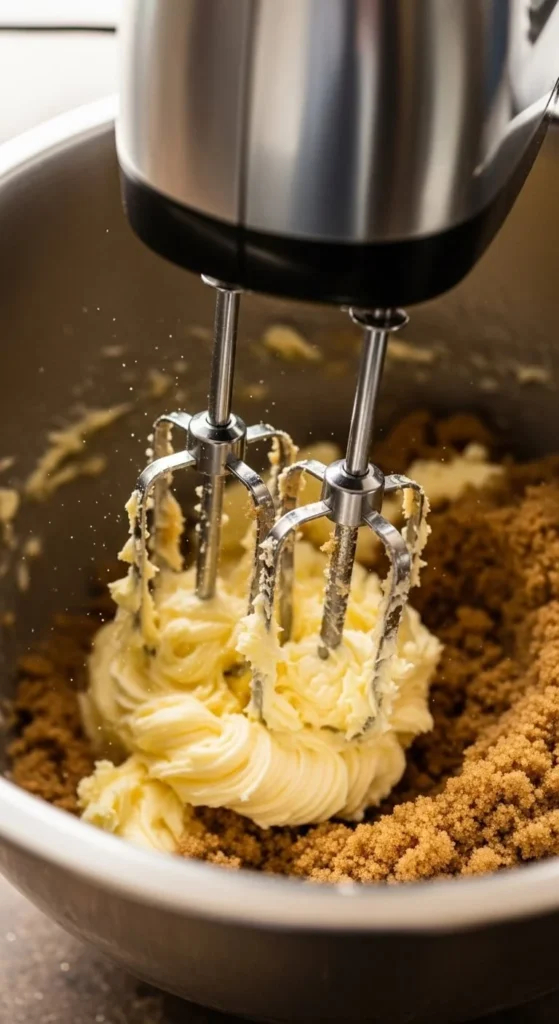
Soft butter blends smoothly and traps air, helping cookies stay tender.
Cream butter and sugar together until light and fluffy. This step builds structure for soft centers.
Add an Extra Egg Yolk
This is a powerful trick used by bakeries. Egg yolks add fat and richness, which keeps cookies soft.
Instead of using only one whole egg, try:
- 1 whole egg
- 1 extra egg yolk
The extra yolk makes cookies softer and more tender without making them dense.
Measure Flour Correctly
Too much flour is the most common reason cookies turn dry.
Use this method:
- Spoon flour into the measuring cup
- Level it gently with a knife
Never scoop flour directly from the bag — it packs too much flour into the cup.
Correct flour measurement keeps cookies soft and balanced.
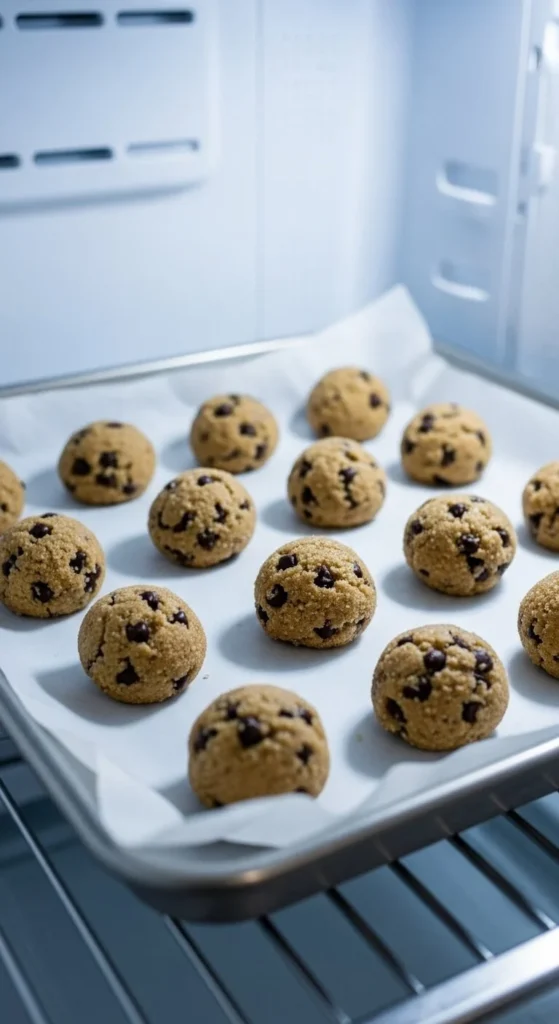
Chill the Dough Before Baking
Chilling dough improves both texture and flavor.
Refrigerate the dough for at least:
- 30 minutes
- Or up to 24 hours
Chilled dough spreads less in the oven, which keeps the centers thick and soft.
This also enhances flavor and creates better structure.
Bake at the Right Temperature
Preheat your oven to 175°C / 350°F.
Avoid baking at higher temperatures, which can dry out cookies quickly.
Bake cookies for:
- 9–12 minutes
The edges should look set, but the center should still look slightly soft.
This is the perfect moment to remove them.
Cookies continue cooking from residual heat even after leaving the oven.
Don’t Overbake (This Is Critical)
This is the biggest secret to soft cookies.
Remove cookies when:
- Edges are lightly golden
- Centers look slightly underbaked
They will firm up slightly as they cool, but stay soft inside.
If you wait until cookies look fully done in the oven, they will become dry.

Use the Right Baking Surface
Bake cookies on:
- Parchment paper
- Or silicone baking mats
Avoid placing cookies directly on metal trays without lining.
Lined trays prevent overbrowning and help cookies bake evenly.
Make Cookies Thick Instead of Flat
Thicker cookies stay softer.
To do this:
- Roll dough into tall balls instead of flattening
- Don’t press them down before baking
Tall dough balls create thicker, softer centers.
This is how bakeries get that signature soft texture.
Add Ingredients That Boost Softness
Certain mix-ins help keep cookies moist longer.
Try adding:
- Chocolate chips
- White chocolate
- Chopped nuts
- A small amount of honey
- Or a tablespoon of milk
These ingredients improve moisture and flavor.
Let Cookies Rest After Baking
Let cookies cool on the tray for 5 minutes before moving them.
This allows them to:
- Set properly
- Stay soft in the center
Moving cookies too early can break their structure.
Afterward, transfer to a cooling rack.
Store Cookies Properly to Keep Them Soft
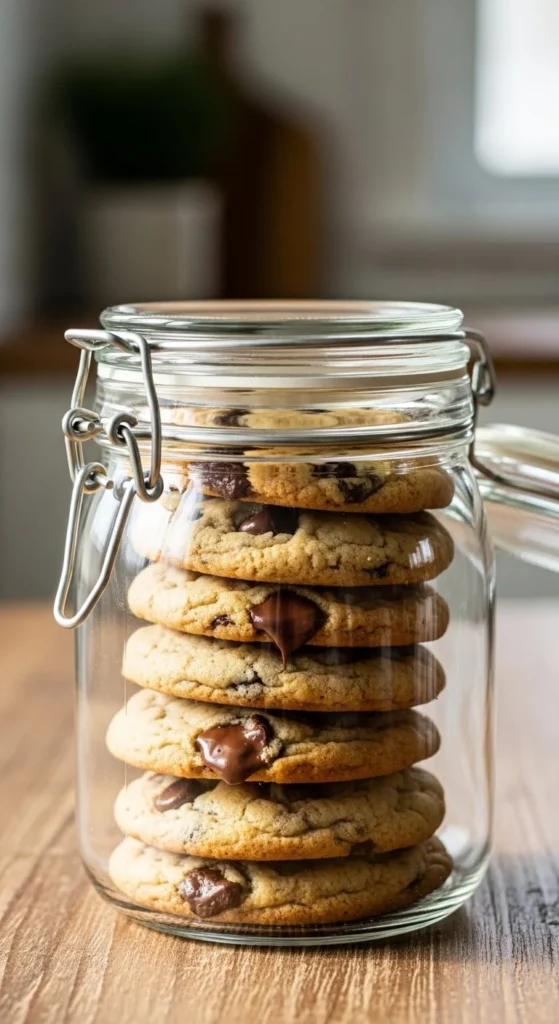
Store cookies in an airtight container.
For extra softness, add:
- A slice of bread in the container
The bread helps maintain moisture and keeps cookies soft longer.
Cookies can stay soft for up to 5 days this way.
Common Mistakes That Cause Hard Cookies
Avoid these errors:
- Using too much flour
- Overbaking
- Not enough brown sugar
- Skipping egg yolk
- Baking at too high temperature
Fix these, and your cookies will stay soft.
Simple Soft Cookie Recipe Formula
Use this base formula:
- ½ cup butter
- ¾ cup brown sugar
- ¼ cup white sugar
- 1 egg + 1 yolk
- 1½ cups flour
- ½ teaspoon baking soda
- ½ teaspoon salt
- 1 cup chocolate chips
Follow the techniques above for perfect results.
Final Takeaway
Soft cookies come down to the right balance of moisture, fat, and baking time. Use more brown sugar, avoid overbaking, chill the dough, and remove cookies while centers are still soft. These simple techniques create cookies that stay tender, rich, and irresistible.
Save this guide for later and enjoy bakery-style soft cookies anytime you want.

Hannah Collins is a passionate home cook and food storyteller who believes every recipe tells a little love story. At TastyWriter, she shares simple, delicious recipes made for real kitchens and busy days — from cozy comfort dishes to creative new favorites. When she’s not cooking, you’ll find her photographing food, testing family recipes, or sipping tea while dreaming up her next tasty idea.
Leave a Reply