

There’s something deeply satisfying about making your own pickles — that first crunch, the perfect tang, and the joy of seeing jars lined up, gleaming with flavor and freshness. Homemade pickles aren’t just tastier than store-bought — they’re customizable, easy to make, and full of life. Whether you love them garlicky, spicy, or sweet, once you’ve made your own batch, there’s no going back.
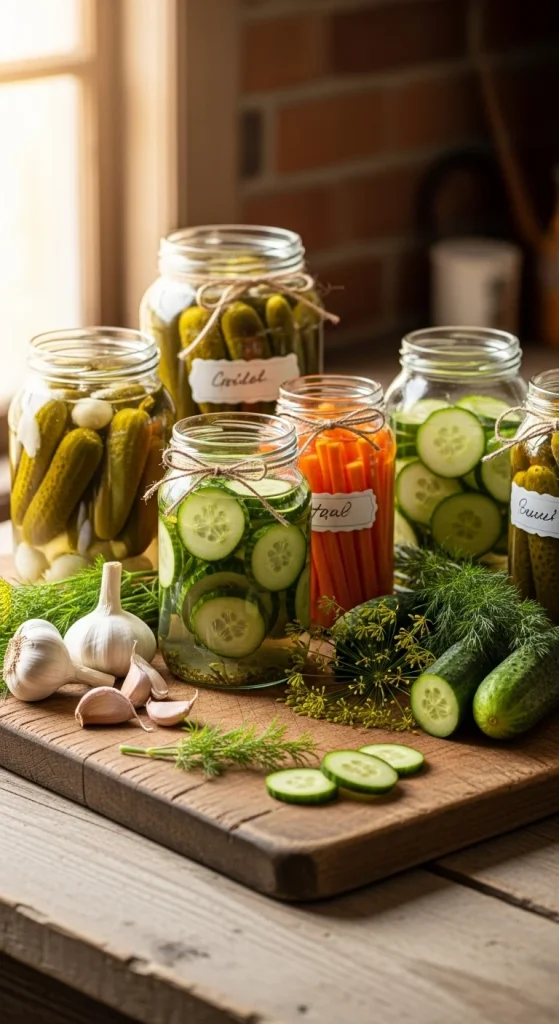
Step 1: Gather the Essentials
Pickling doesn’t need fancy equipment — just good ingredients and a clean jar.
You’ll need:
- 4–6 small cucumbers (Kirby or Persian cucumbers are best)
- 2 cups water
- 1 cup white vinegar (or apple cider vinegar for a milder tang)
- 1 tablespoon salt (pickling or kosher salt, not iodized)
- 1 tablespoon sugar (optional, balances acidity)
- 3–4 garlic cloves, peeled
- 1 teaspoon whole black peppercorns
- 1 teaspoon mustard seeds
- 1 teaspoon chili flakes (optional, for spice)
- Fresh dill sprigs
Pro tip: Always use firm, fresh cucumbers — soft or overripe ones make mushy pickles.
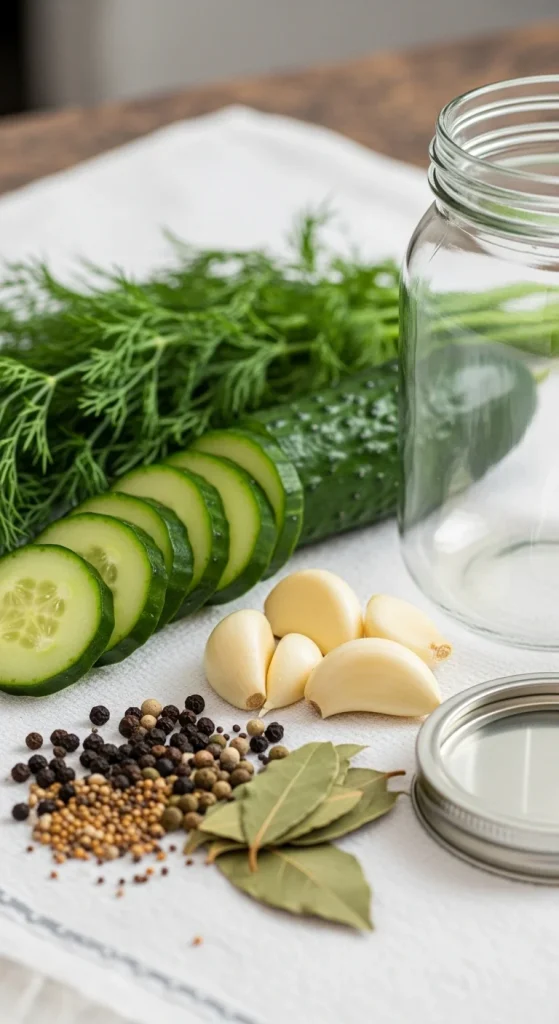
Step 2: Prepare the Cucumbers
How you cut your cucumbers depends on the kind of pickle you want.
- For spears: Slice cucumbers lengthwise into quarters.
- For chips: Slice thin rounds for sandwich-friendly pickles.
- For whole pickles: Leave small cucumbers intact but trim the blossom ends — they contain enzymes that soften the pickles over time.
Rinse your slices or spears well, then pat them dry before packing.
Pro tip: Soak cucumbers in an ice water bath for 30 minutes before pickling — it keeps them extra crunchy!
Step 3: Make the Brine
This is where the magic happens — the brine gives pickles their signature tang and preserves them.
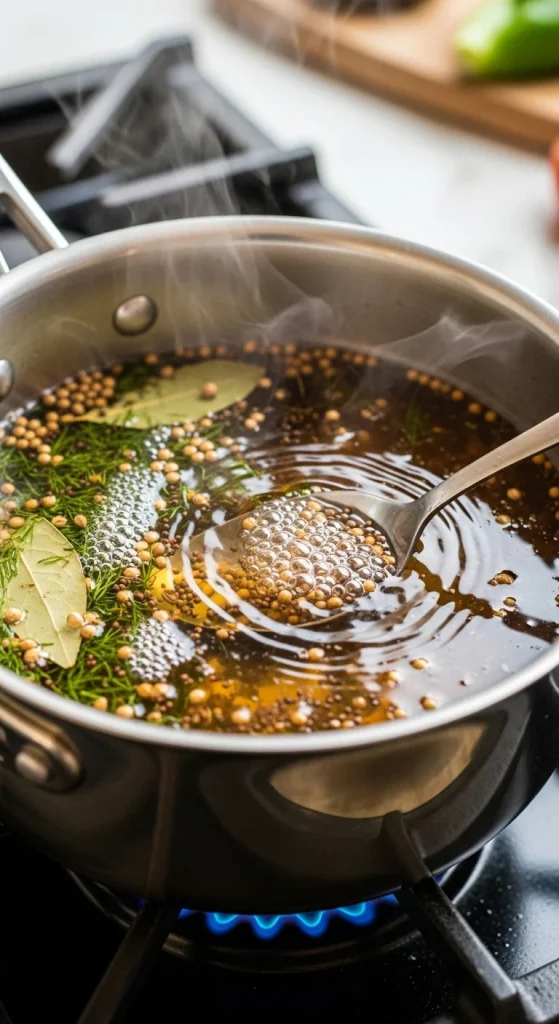
- In a small saucepan, combine water, vinegar, salt, and sugar.
- Bring to a gentle boil, stirring until the salt and sugar dissolve.
- Remove from heat and let it cool for about 5 minutes.
Pro tip: Don’t skip the vinegar-to-water ratio — it’s key to safe, flavorful pickles. You can experiment with spices later, but the base must stay balanced.
Step 4: Pack the Jars
This part feels almost meditative — layering flavors that will transform over time.
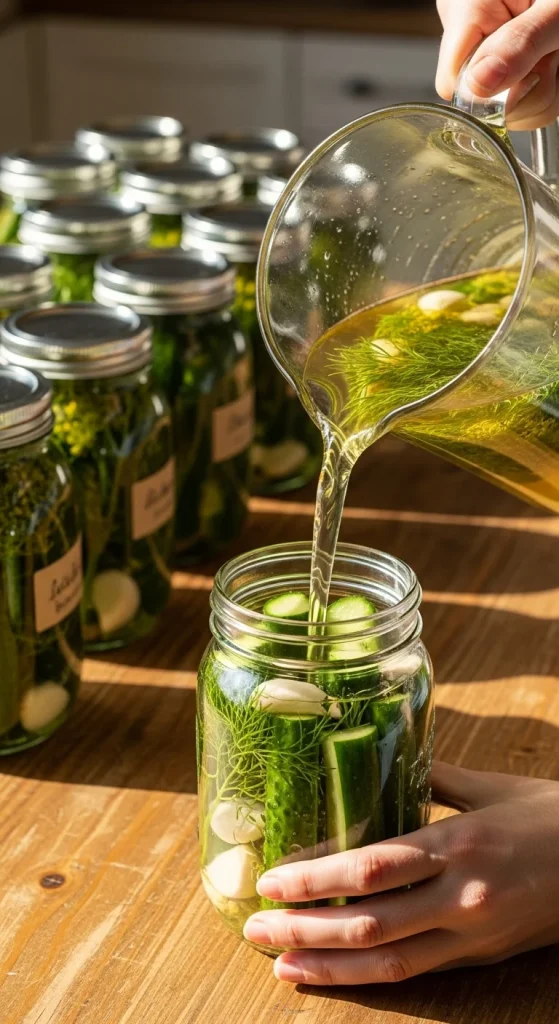
- In clean glass jars, layer the garlic, dill, and spices at the bottom.
- Add the cucumbers, packing them tightly but not crushing.
- Pour the warm brine over the cucumbers until fully submerged.
- Tap the jar gently to remove air bubbles, then seal with a tight-fitting lid.
Pro tip: Leave a little space at the top (about ½ inch) — it helps with expansion during pickling.
Step 5: Let the Flavor Develop
Now comes the hard part — waiting!
Quick pickles:
- Let the jars sit at room temperature for 1 hour, then refrigerate.
- They’ll be ready to eat in 24 hours, and taste best after 2–3 days.
Traditional fermented pickles:
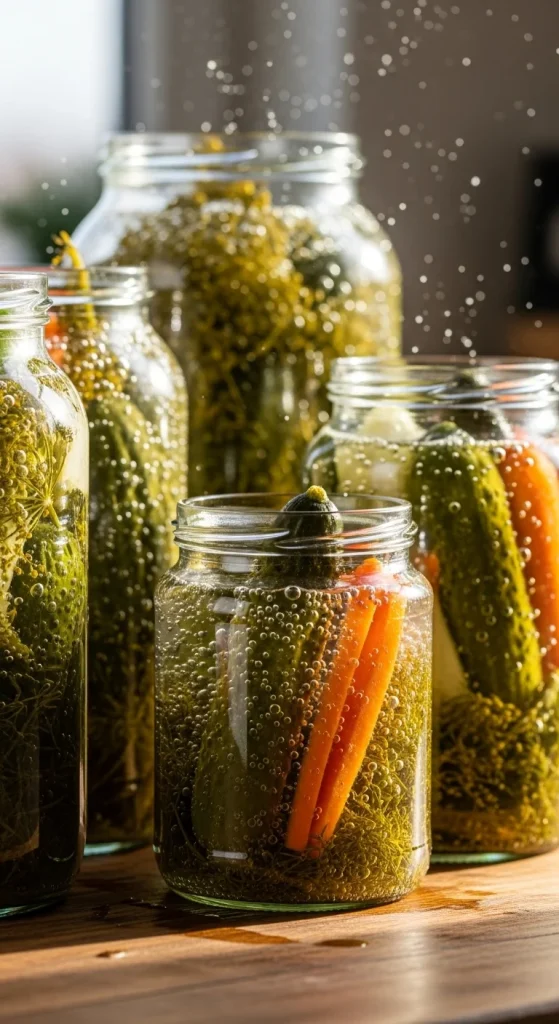
- Leave the jar loosely covered at room temperature for 3–5 days, burping daily to release gas.
- Once fermented to your liking, tighten the lid and store in the fridge.
Pro tip: The longer they sit, the stronger and more complex the flavor becomes.
Step 6: Customize Your Pickles
One of the best things about homemade pickles is how easily you can personalize them.
Flavor variations to try:
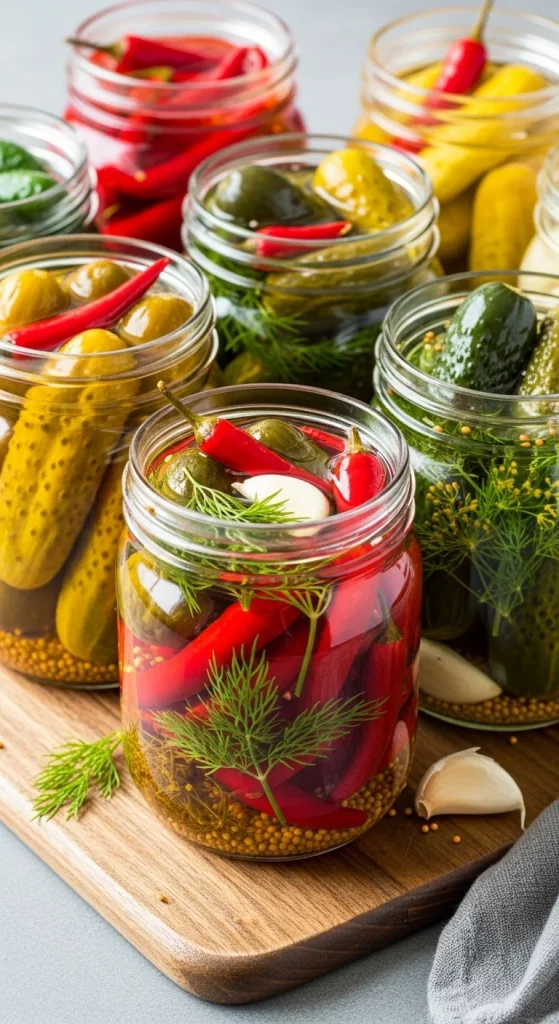
- Spicy pickles: Add sliced jalapeños, red pepper flakes, or a dash of hot sauce.
- Sweet pickles: Add 2 tablespoons of sugar and a few mustard seeds.
- Garlic-dill classic: Use extra garlic and lots of fresh dill.
- Asian-inspired: Add ginger slices, rice vinegar, and sesame seeds.
Pro tip: Mix up small batches with different seasonings so you can discover your favorite flavor combo!
Step 7: Store & Enjoy
Once your pickles are ready, store them in the fridge. They’ll last up to 2 months for quick pickles and 3–6 months for fermented ones.
- Keep them submerged in brine to prevent spoilage.
- Always use a clean fork or tongs to remove pickles — no fingers!
Enjoy them on sandwiches, burgers, charcuterie boards, or straight from the jar. There’s no wrong way to enjoy a good homemade pickle.
The Final Crunch
Making pickles from scratch is surprisingly easy — and incredibly satisfying. With a handful of ingredients, a bit of patience, and your own creative twist, you can craft pickles that are fresher, crunchier, and more flavorful than anything you’ll buy in a store.
So grab those cucumbers, heat up the brine, and start your pickle-making adventure today.
Hannah Collins is a passionate home cook and food storyteller who believes every recipe tells a little love story. At TastyWriter, she shares simple, delicious recipes made for real kitchens and busy days — from cozy comfort dishes to creative new favorites. When she’s not cooking, you’ll find her photographing food, testing family recipes, or sipping tea while dreaming up her next tasty idea.
Leave a Reply