

Shrimp is one of the fastest proteins you can cook — but it’s also one of the easiest to ruin. Just a minute too long, and those juicy, tender bites turn rubbery and dry. The good news? Perfect shrimp doesn’t require complicated techniques. Once you understand timing, heat, and a few simple tricks, you can cook shrimp in minutes while keeping it soft, juicy, and full of flavor.
Imagine shrimp that’s lightly golden on the outside, tender and juicy inside, with a delicate snap when you bite into it. No toughness. No dryness. Just perfect texture every time.
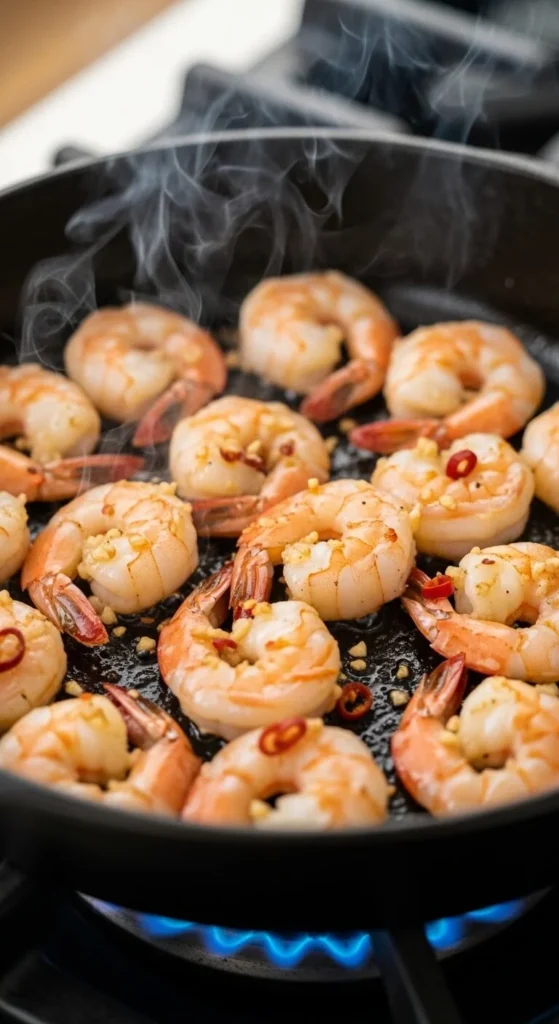
Let’s break down exactly how to cook shrimp quickly — and keep it perfectly tender.
Start With the Right Shrimp
The quality and size of shrimp affect how it cooks. Larger shrimp are easier to cook without overcooking.
Choose shrimp that are:
- Medium to large size
- Peeled and deveined
- Fresh or properly thawed
If using frozen shrimp, thaw completely before cooking. Place shrimp in cold water for 10–15 minutes to thaw quickly.
Never cook shrimp straight from frozen — uneven cooking makes them tough.
Dry Shrimp Before Cooking
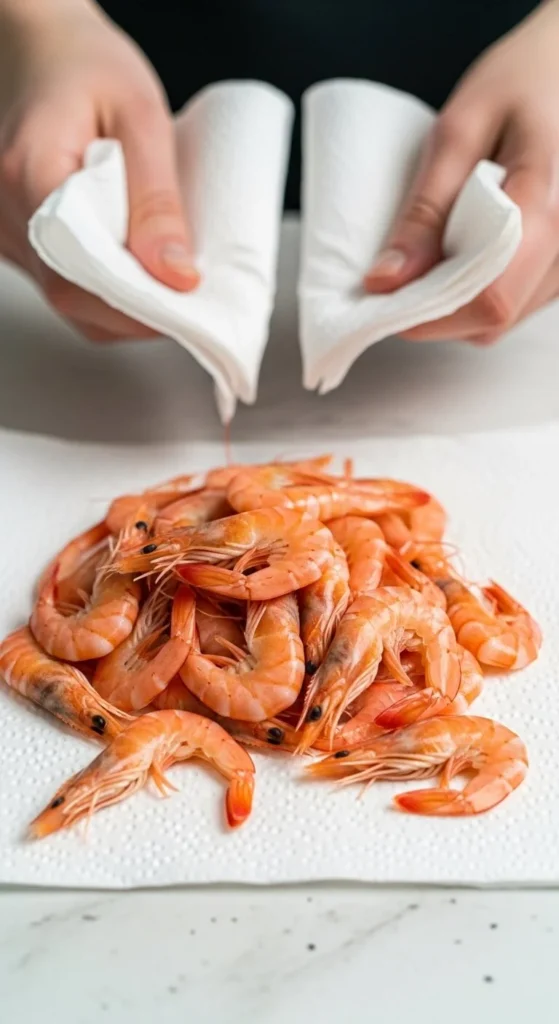
Moisture prevents proper searing. After thawing or rinsing shrimp, pat them dry using paper towels.
Dry shrimp:
- Cook more evenly
- Develop better flavor
- Get light golden edges
Wet shrimp will steam instead of sear.
Use High Heat and Cook Quickly
Shrimp cook best with high heat and short cooking time.
Heat a pan over medium-high heat and add:
- 1 tablespoon oil
- Optional: minced garlic for flavor
Once the pan is hot, add shrimp in a single layer.
Cook for:
- 1–2 minutes on the first side
- Flip and cook 1 more minute
That’s it. Most shrimp cook fully in 2–3 minutes total.
Avoid overcrowding the pan. Crowding lowers heat and affects texture.
Watch for Color and Shape Changes
Shrimp give clear signs when done.
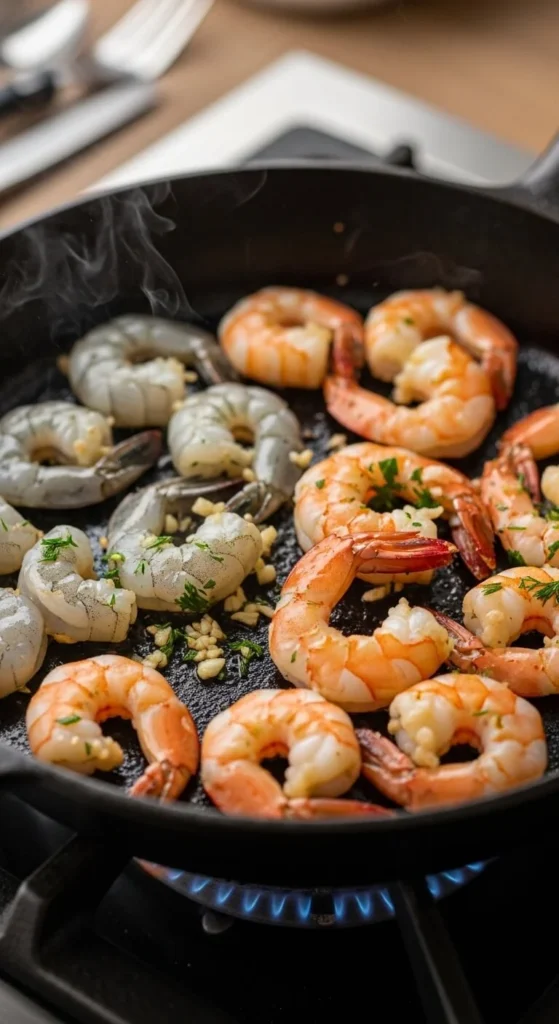
Raw shrimp:
- Gray and translucent
Cooked shrimp:
- Pink and opaque
- Slightly curled
Perfect shrimp form a loose “C” shape.
Overcooked shrimp curl tightly into an “O” shape and become rubbery.
Remove Shrimp Immediately When Done
Shrimp continue cooking from residual heat even after leaving the pan.
As soon as shrimp turn pink and opaque, remove them from heat.
Leaving shrimp in the hot pan too long causes overcooking.
Transfer shrimp to a plate immediately.
This simple step keeps them tender.
Add Flavor Without Overcooking
Season shrimp quickly so flavor enhances without extra cooking time.
Add:
- Salt
- Pepper
- Garlic
- Lemon juice
- Butter
Add delicate ingredients like lemon juice after cooking to preserve freshness.
Avoid long cooking after seasoning.
Best Methods for Fast Shrimp Cooking
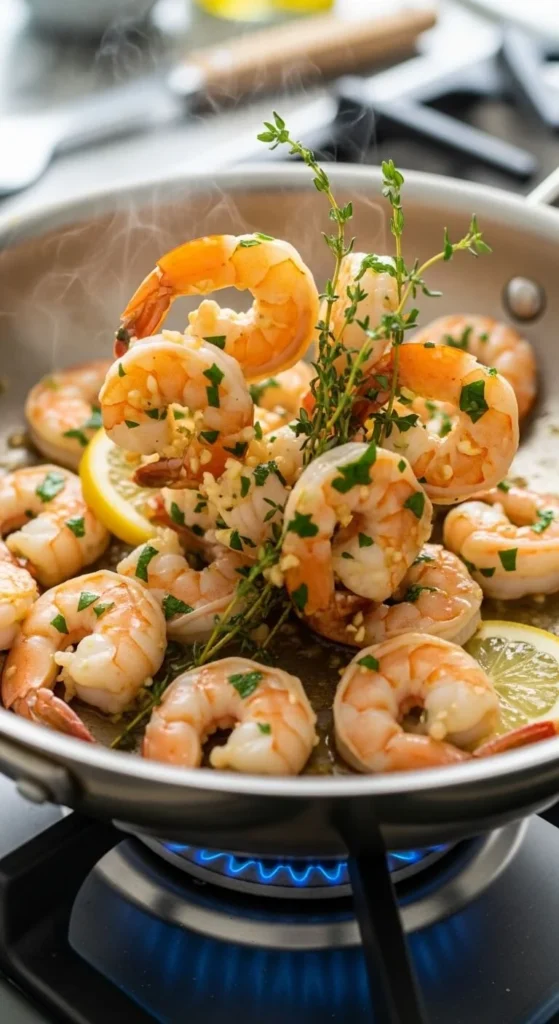
Pan Searing (Fastest and Best)
- High heat
- 2–3 minutes total
- Best texture and flavor
Boiling
- Boil water first
- Add shrimp for 2–3 minutes
- Remove immediately
Air Fryer
- 200°C / 400°F
- Cook 5–6 minutes
Pan searing gives the best balance of speed and flavor.
Use Butter Carefully
Butter adds flavor but burns quickly.
For best results:
- Cook shrimp in oil first
- Add butter near the end
This prevents burning while keeping rich flavor.
Common Mistakes That Cause Rubbery Shrimp
Avoid these errors:
Cooking too long:
- Most common mistake
Low heat:
- Causes slow cooking and toughness
Cooking frozen shrimp:
- Uneven cooking
Crowding the pan:
- Reduces heat
Fixing these instantly improves texture.
Easy Flavor Variations
Once you master the technique, try simple flavor variations:
Garlic butter shrimp:
- Add butter and garlic
Lemon shrimp:
- Add fresh lemon juice
Spicy shrimp:
- Add chili flakes
Herb shrimp:
- Add parsley or herbs
Flavor variations take seconds.
Serve Shrimp Immediately
Shrimp taste best when fresh and hot.
Serve with:
- Rice
- Pasta
- Salad
- Vegetables
Or enjoy them alone as a quick meal.
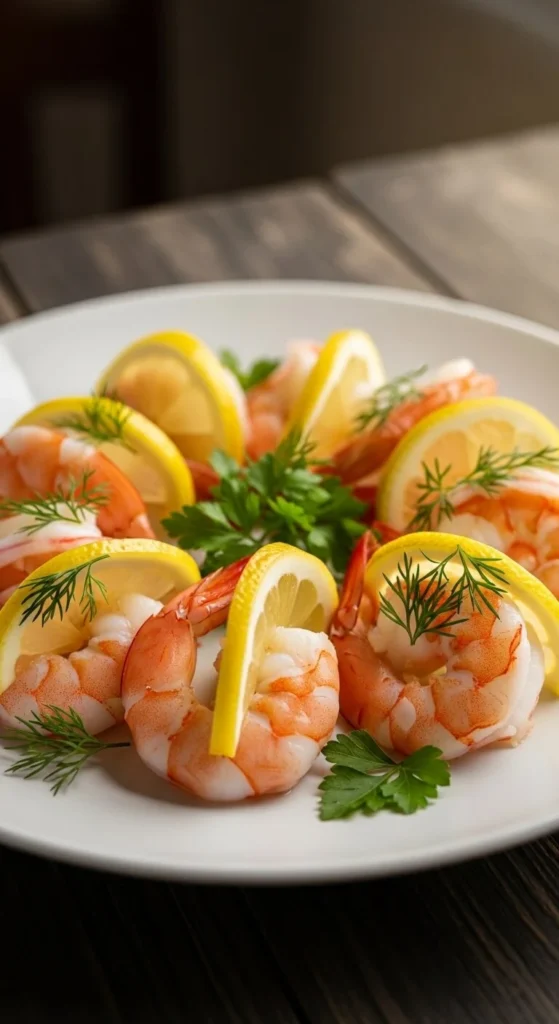
Quick Timing Guide
Use this simple timing rule:
Small shrimp: 1–2 minutes
Medium shrimp: 2–3 minutes
Large shrimp: 3–4 minutes
Never exceed this range.
Final Takeaway
Perfect shrimp comes down to high heat, short cooking time, and careful attention. Cook shrimp just until pink and opaque, then remove immediately. With the right timing and technique, you’ll get tender, juicy shrimp every single time — without overcooking.
Save this guide for later and enjoy perfectly cooked shrimp whenever you want a fast, delicious meal.
Hannah Collins is a passionate home cook and food storyteller who believes every recipe tells a little love story. At TastyWriter, she shares simple, delicious recipes made for real kitchens and busy days — from cozy comfort dishes to creative new favorites. When she’s not cooking, you’ll find her photographing food, testing family recipes, or sipping tea while dreaming up her next tasty idea.
Leave a Reply