

Chicken breast is one of the most popular and healthy proteins you can cook. But it’s also one of the easiest to get wrong. Cook it too long, and it becomes dry, tough, and disappointing. Cook it properly, and it’s juicy, tender, and incredibly satisfying. The difference comes down to a few simple techniques that anyone can learn.
Imagine slicing into a perfectly cooked chicken breast and seeing juicy, tender meat inside instead of dry fibers. That’s exactly what you’ll achieve with the right approach.
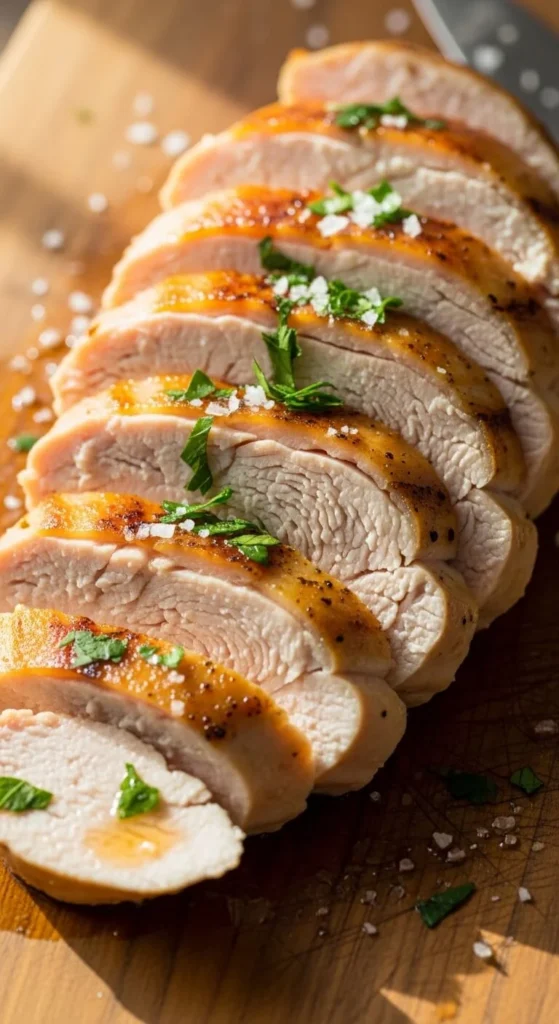
Let’s break down the simple steps that guarantee juicy chicken breast every time.
Start With Even-Sized Chicken Breasts
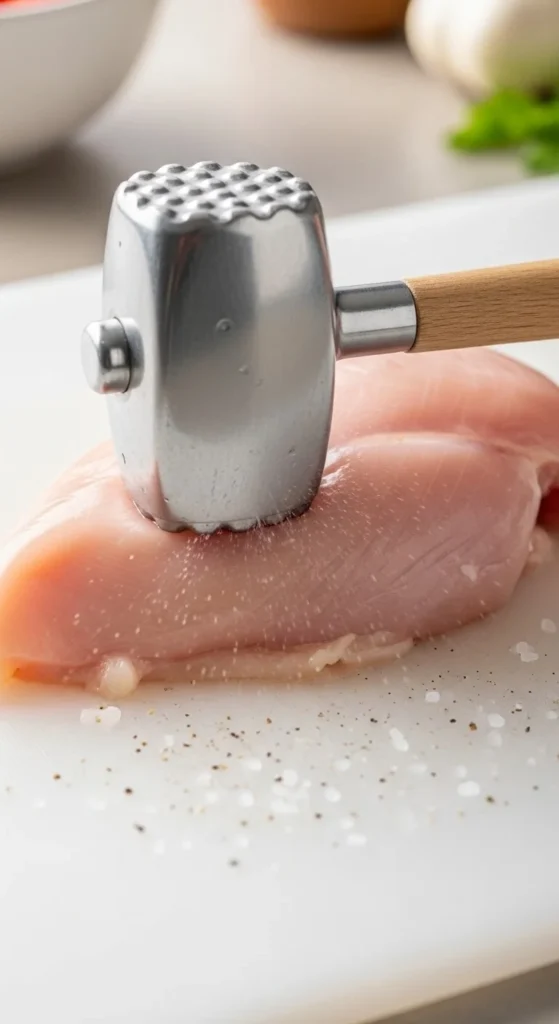
Thickness matters more than you might think. Uneven chicken cooks unevenly. Thin parts dry out while thicker parts finish cooking.
To fix this, gently pound thicker areas until the chicken breast has even thickness.
This helps the chicken cook evenly and stay juicy throughout.
You don’t need to flatten it too much. Just create uniform thickness.
Season Properly Before Cooking
Seasoning improves both flavor and moisture.
Simple seasoning works best:
- Salt
- Black pepper
- Olive oil
- Optional herbs or spices
Salt helps retain moisture inside the chicken.
Apply seasoning evenly across both sides.
Let the chicken rest for 10–15 minutes before cooking. This allows seasoning to absorb.
Use Medium Heat Instead of High Heat
High heat cooks the outside too fast and dries the inside.
Medium heat allows the chicken to cook evenly.
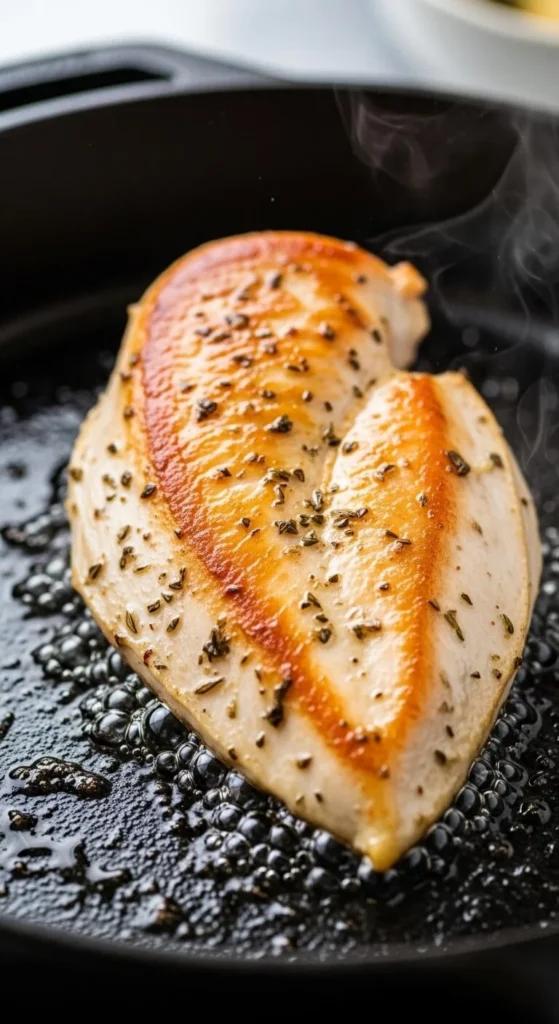
Heat your pan first, then add a small amount of oil.
Once oil is warm, place the chicken gently into the pan.
You should hear a soft sizzling sound, not aggressive frying.
Avoid Overcooking the Chicken
Overcooking is the main reason chicken becomes dry.
Chicken breast cooks quickly, usually in:
- 5–7 minutes per side
Cooking time depends on thickness.
The chicken should turn golden on the outside.
Avoid constantly flipping. Let it cook undisturbed before turning.
Use a Lid to Trap Moisture
Covering the pan helps retain moisture.
This creates gentle steam that keeps the chicken juicy.
Cover the pan during part of the cooking process.
This helps cook the inside without drying the outside.
This method improves tenderness significantly.
Let the Chicken Rest After Cooking
Resting is one of the most important steps.
Once cooked, remove chicken from heat and let it rest for:
- 5 minutes
This allows juices to redistribute inside the meat.
Cutting too early releases those juices and dries the chicken.
Resting keeps the meat moist.
Check Doneness Properly
The safest internal temperature is:
- 75°C (165°F)
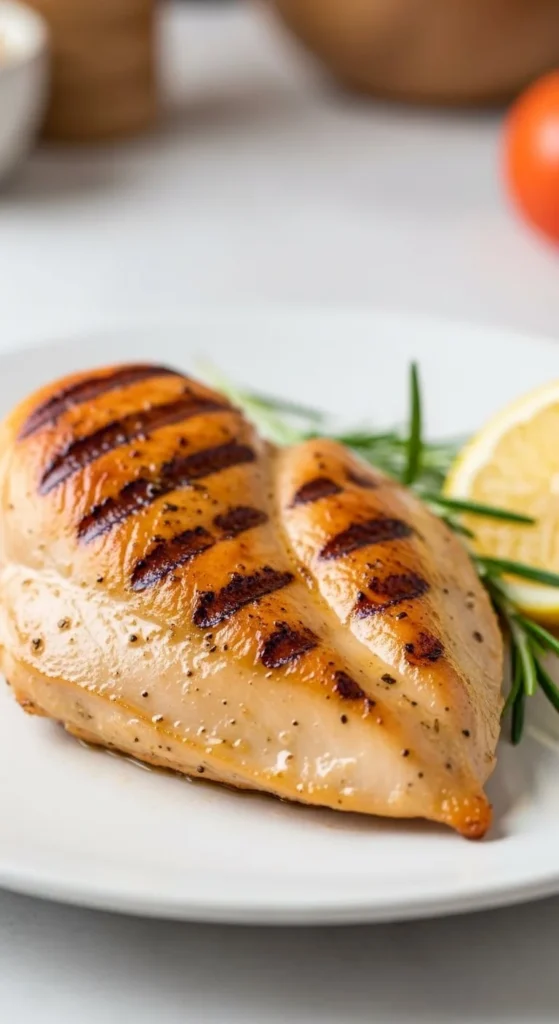
If you don’t have a thermometer, look for:
- White interior
- Clear juices
- Firm but tender texture
Avoid guessing too early. Undercooking is unsafe, but overcooking ruins texture.
Finding the balance is key.
Add Moisture With Simple Techniques
You can improve moisture using:
- Marinating before cooking
- Cooking with oil or butter
- Covering during cooking
These techniques protect the chicken from drying out.
Even simple oil improves results.
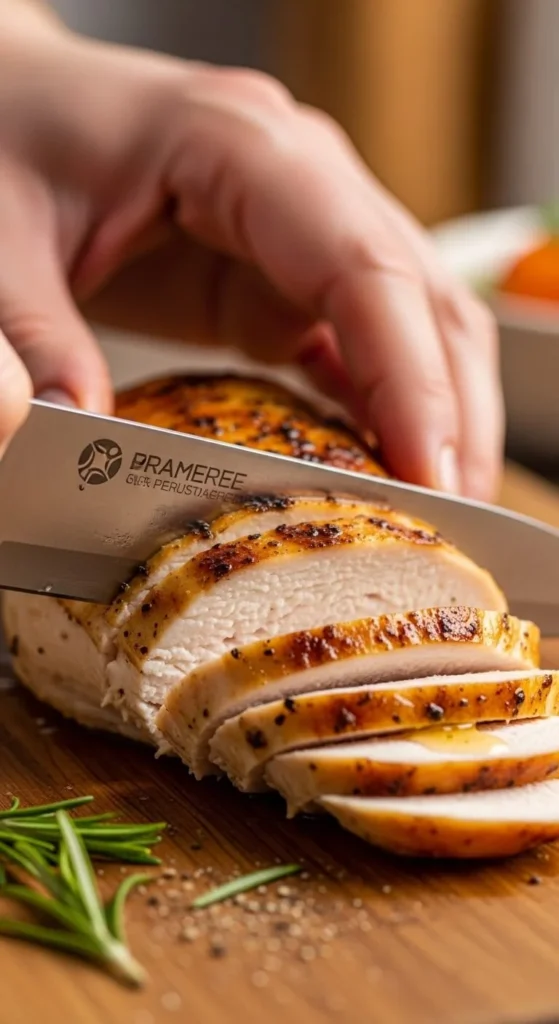
Slice Chicken Properly
Cut chicken against the grain.
This makes it easier to chew and improves tenderness.
Cutting properly enhances texture significantly.
Poor slicing can make chicken feel tougher than it is.
Try Different Cooking Methods
Pan cooking is popular, but other methods work well too:
Oven baking
- Gentle and even cooking
Grilling
- Adds flavor and texture
Poaching
- Excellent moisture retention
Each method can produce juicy chicken when done properly.
Avoid Common Mistakes
Avoid these errors:
Cooking on very high heat
- Dries the outside
Skipping resting time
- Releases juices
Overcooking
- Makes meat tough
Not seasoning
- Reduces flavor
Small changes make a big difference.
Why Proper Cooking Matters
Juicy chicken breast offers:
- Better flavor
- Better texture
- More enjoyable eating experience
Proper technique turns simple chicken into a delicious meal.
It also improves confidence in cooking.
Final Takeaway
Cooking chicken breast without drying it is simple once you understand the key steps. Use even thickness, cook on medium heat, avoid overcooking, and always let the chicken rest before slicing. These small techniques ensure juicy, tender chicken every time.
Save this guide for later and enjoy perfectly cooked chicken breast whenever you want a healthy and satisfying meal.

Hannah Collins is a passionate home cook and food storyteller who believes every recipe tells a little love story. At TastyWriter, she shares simple, delicious recipes made for real kitchens and busy days — from cozy comfort dishes to creative new favorites. When she’s not cooking, you’ll find her photographing food, testing family recipes, or sipping tea while dreaming up her next tasty idea.
Leave a Reply