

Nothing compares to the taste of tomato sauce made from fresh tomatoes. It’s brighter, richer, and far more flavorful than most store-bought sauces. When tomatoes are ripe and juicy, they transform into a beautifully balanced sauce with natural sweetness and deep color.
The best part? Homemade tomato sauce is surprisingly simple. With just a few ingredients and a little patience, you can create a sauce that elevates pasta, pizza, soups, and many other dishes.
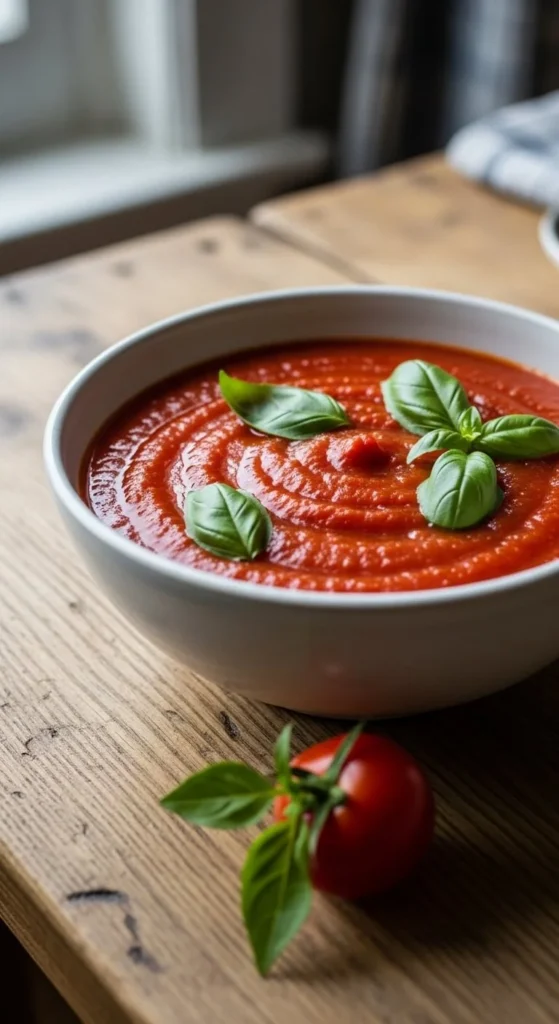
Let’s explore how to turn fresh tomatoes into a delicious homemade sauce.
Choose the Right Tomatoes
The flavor of your sauce begins with the tomatoes you choose.
Some varieties naturally make better sauce because they contain less water and more pulp.
Great options include:
- Roma tomatoes – thick flesh and fewer seeds
- San Marzano tomatoes – naturally sweet and rich
- Plum tomatoes – balanced acidity and texture
If you’re using garden tomatoes, just make sure they are fully ripe.
Ripe tomatoes should feel slightly soft and smell fragrant near the stem.
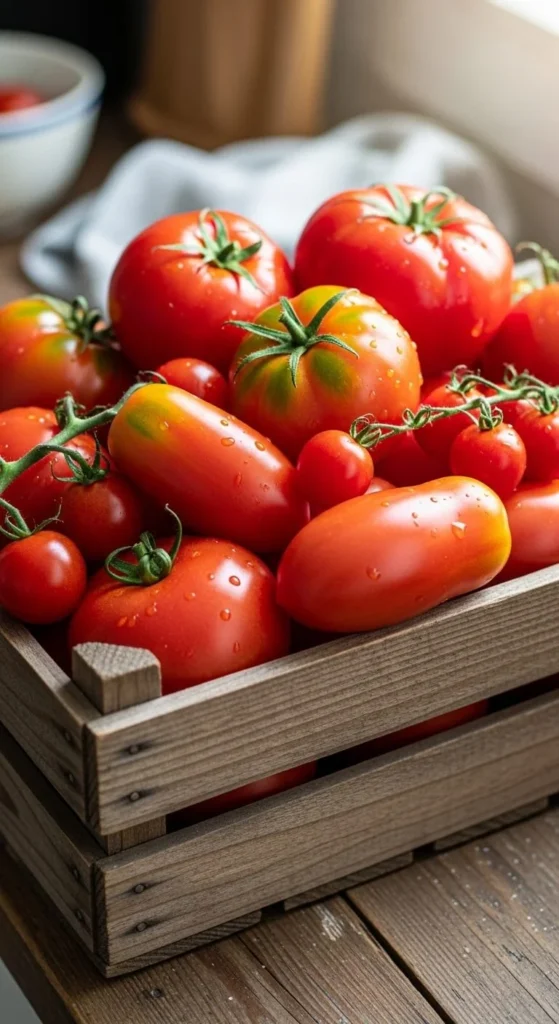
Fresh, high-quality tomatoes create the foundation for a flavorful sauce.
Prepare the Tomatoes Properly
Before cooking, tomatoes need a little preparation.
This helps create a smoother sauce.
Follow these steps:
- Wash tomatoes thoroughly
- Remove stems
- Score a small “X” on the bottom of each tomato
Next, blanch them.
Place tomatoes in boiling water for about 30–45 seconds, then transfer them to ice water.
The skins will loosen and peel off easily.
Removing the skins prevents the sauce from becoming tough or bitter.
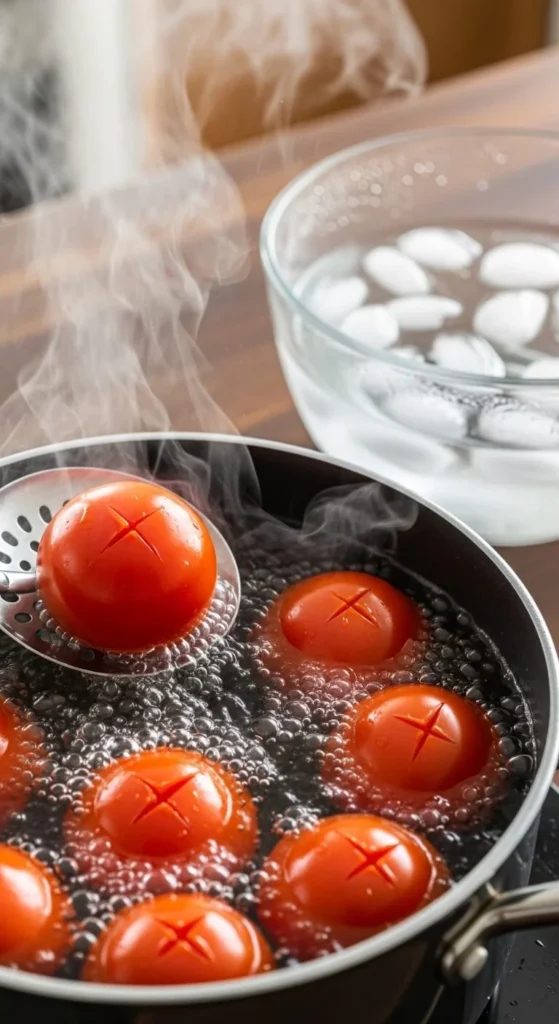
Once peeled, roughly chop the tomatoes and remove excess seeds if desired.
Build Flavor With Simple Ingredients
A great tomato sauce doesn’t need many ingredients.
In fact, simplicity often produces the best flavor.
Classic ingredients include:
- Olive oil
- Garlic
- Onion
- Fresh tomatoes
- Salt
- Fresh basil
Start by heating olive oil in a large pot.
Add chopped onion and cook until soft.
Then add minced garlic and cook briefly until fragrant.
This base layer of flavor makes the sauce taste rich and balanced.
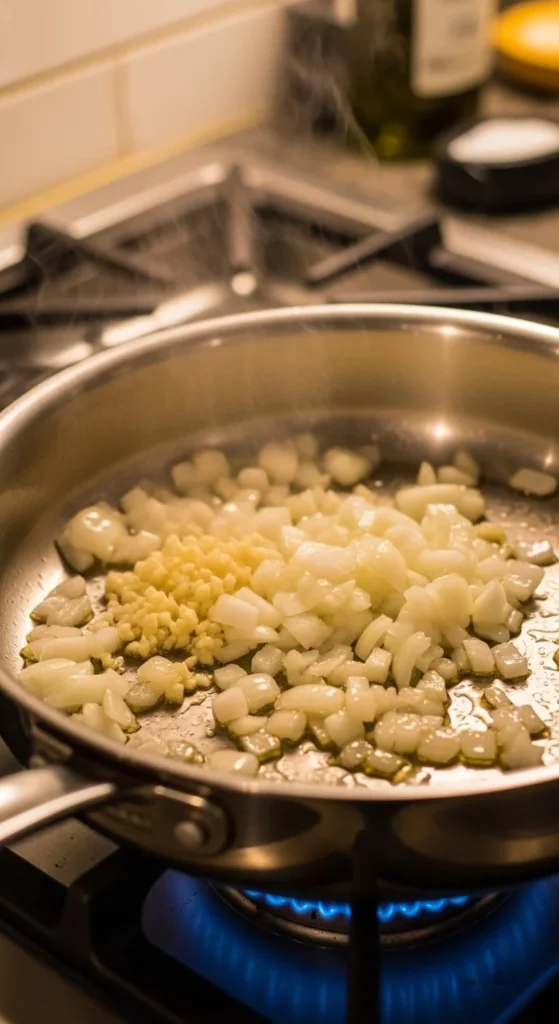
Once the aromatics are soft, add the chopped tomatoes.
Let the Sauce Simmer Slowly
After adding tomatoes, bring the mixture to a gentle simmer.
Simmering helps concentrate flavor and thicken the sauce naturally.
Tips for best results:
- Keep heat at low to medium
- Stir occasionally
- Allow sauce to cook for 30–45 minutes
During this time, tomatoes break down and release natural sweetness.
If the sauce seems too watery, simply let it cook longer.
Slow simmering is the secret to rich tomato flavor.
Adjust Texture to Your Preference
Different dishes require different sauce textures.
You can easily customize your sauce.
Options include:
Chunky sauce
- Leave tomatoes as they cook
- Lightly mash with a spoon
Smooth sauce
- Use an immersion blender
- Blend in a regular blender once cooled slightly
Rustic sauce
- Blend only part of the sauce
- Keep some tomato pieces intact
Choose the texture based on how you plan to use the sauce.
Finish With Fresh Herbs
Fresh herbs bring the sauce to life.
Add herbs near the end of cooking so their flavor stays bright.
Popular choices include:
- Fresh basil
- Oregano
- Thyme
Tear basil leaves by hand instead of chopping.
This releases more aroma and keeps the sauce fresh tasting.
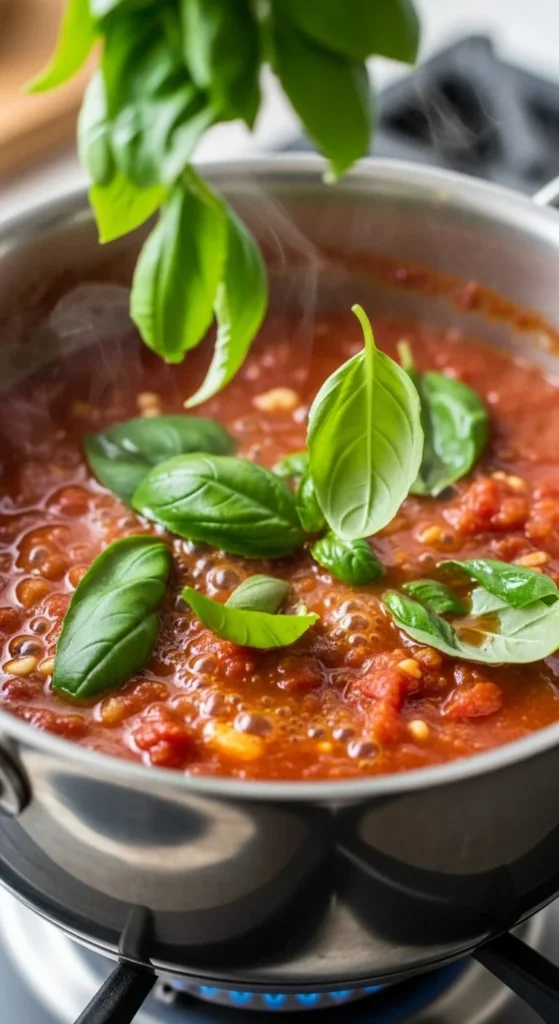
Taste and adjust seasoning with salt if needed.
How to Use Your Homemade Tomato Sauce
Fresh tomato sauce is incredibly versatile.
You can use it in many dishes:
- Pasta sauces
- Pizza base
- Lasagna layers
- Shakshuka
- Tomato soups
The flavor is naturally vibrant, so it works well even in simple meals.
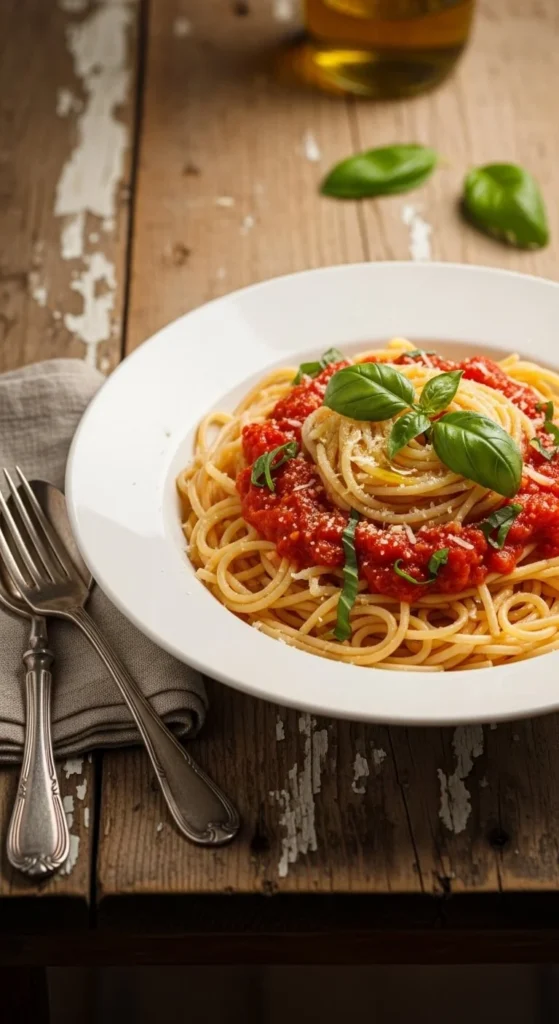
Homemade sauce instantly upgrades everyday cooking.
Store or Freeze for Later
If you make a large batch, storing tomato sauce is easy.
Refrigerator
- Store in airtight containers
- Keeps fresh for up to 4–5 days
Freezer
- Freeze in portion-sized containers
- Keeps for 3 months or longer
Freezing is a great way to preserve fresh tomato flavor for future meals.
Why Fresh Tomato Sauce Tastes Better
Fresh tomatoes contain natural sugars and acidity that canned sauces often lack.
Homemade sauce allows you to control:
- Salt levels
- Texture
- Fresh herbs
- Cooking time
It’s cleaner, brighter, and more customizable.
Plus, the aroma filling your kitchen while the sauce simmers is hard to beat.
Final Thoughts
Making tomato sauce from fresh tomatoes is one of the most satisfying kitchen skills to learn. With just a handful of ingredients and a slow simmer, you can create a sauce that tastes vibrant and authentic.
Choose ripe tomatoes, build flavor with garlic and onion, simmer patiently, and finish with fresh herbs.
The result is a rich, homemade sauce that transforms simple meals into something special.
Save this recipe for later and enjoy the flavor of fresh homemade tomato sauce anytime.

Hannah Collins is a passionate home cook and food storyteller who believes every recipe tells a little love story. At TastyWriter, she shares simple, delicious recipes made for real kitchens and busy days — from cozy comfort dishes to creative new favorites. When she’s not cooking, you’ll find her photographing food, testing family recipes, or sipping tea while dreaming up her next tasty idea.
Leave a Reply