

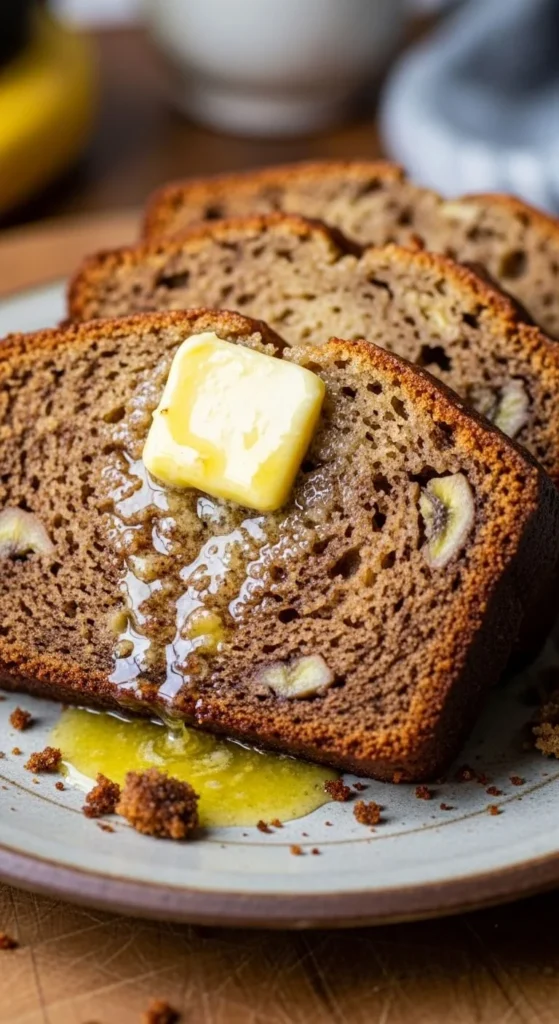
There is something magical about cutting into a warm loaf of banana bread and seeing a tender, pillowy crumb that almost melts in your mouth. The top is golden, the inside is moist, and the smell fills your whole kitchen with cozy sweetness. Yet so many people end up with banana bread that is dense, dry, or crumbly instead of soft and fluffy. The secret isn’t luck — it’s technique, ripe bananas, and a few simple baking tricks.
Imagine lifting a slice of banana bread that bends gently instead of breaking, with shiny moist crumbs and deep banana flavor in every bite. That’s the texture we’re aiming for.
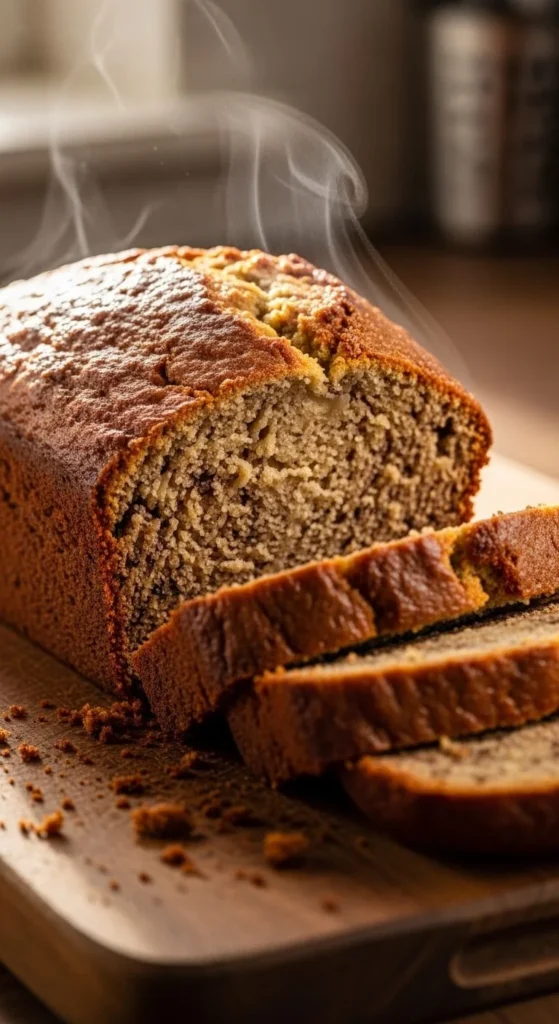
If you want banana bread that stays super soft for days, follow these steps carefully — and you’ll never go back to dry loaves again.
Start With Extra Ripe Bananas
Soft banana bread begins with the right bananas. The more spotted and brown they are, the better.
Look for bananas that are:
- Deep yellow with dark brown spots
- Soft to the touch
- Sweet and fragrant
Avoid green or just-yellow bananas — they don’t add enough moisture or natural sweetness.
Use 3 very ripe bananas for one loaf. Mash them well until smooth with only small lumps left. This is your main source of softness and flavor.
Use Oil Instead of Butter
Many recipes use butter, but if your goal is super soft texture, oil works better.
Why?
- Oil keeps baked goods moist even after cooling
- Butter can make banana bread slightly firmer when chilled
Use neutral oil like:
- Vegetable oil
- Sunflower oil
- Canola oil
If you love buttery flavor, you can still add 1 tablespoon melted butter for taste — but keep oil as your main fat.
Add a Moisture Booster
This is one of the best tricks for ultra-soft banana bread. Add one of these to your batter:
- ¼ cup yogurt
- ¼ cup sour cream
- Or ¼ cup buttermilk
These ingredients add creaminess, tenderness, and slight acidity, which makes the crumb light and soft. You won’t taste them — you’ll just feel the difference in texture.
Mix Gently — Don’t Overmix
In one bowl, whisk together your dry ingredients:
- All-purpose flour
- Baking soda
- A pinch of salt
- Cinnamon (optional but delicious)
In another bowl, mix:
- Mashed bananas
- Oil
- Sugar (brown sugar is best for moisture)
- Eggs
- Vanilla
- Yogurt or sour cream
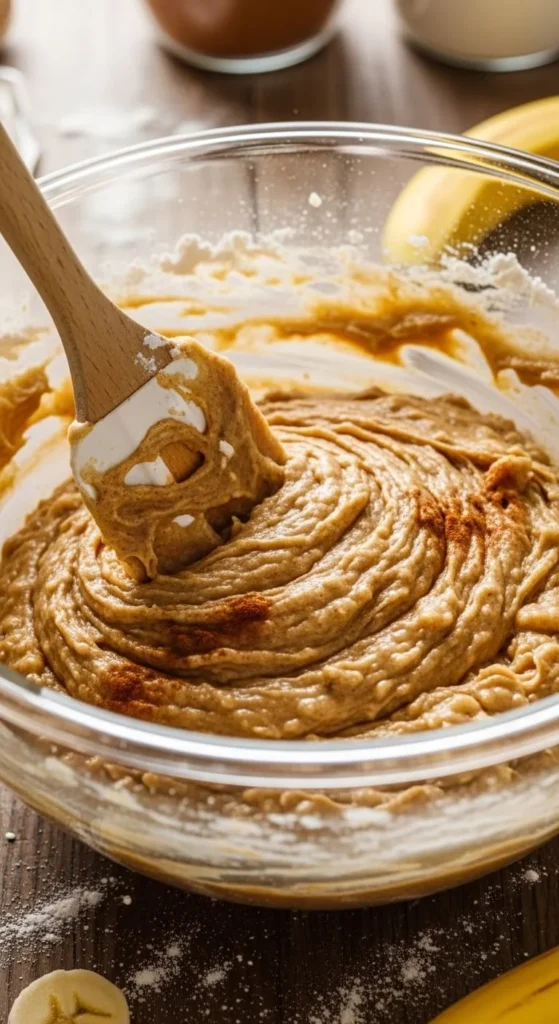
Now combine wet and dry ingredients gently with a spatula. Stir just until mixed — no more.
Overmixing develops too much gluten, which makes banana bread tough instead of tender. A few lumps are completely fine.
Sweeten the Right Way
For the softest texture, use mostly brown sugar instead of white sugar. Brown sugar contains molasses, which keeps baked goods moist and tender.
A good balance:
- ¾ cup brown sugar
- ¼ cup white sugar (optional, for lightness)
If you want a healthier option, you can use:
- Coconut sugar
- Or a mix of honey and sugar
But avoid using only honey — it can make the bread too dense.
Bake Low and Slow
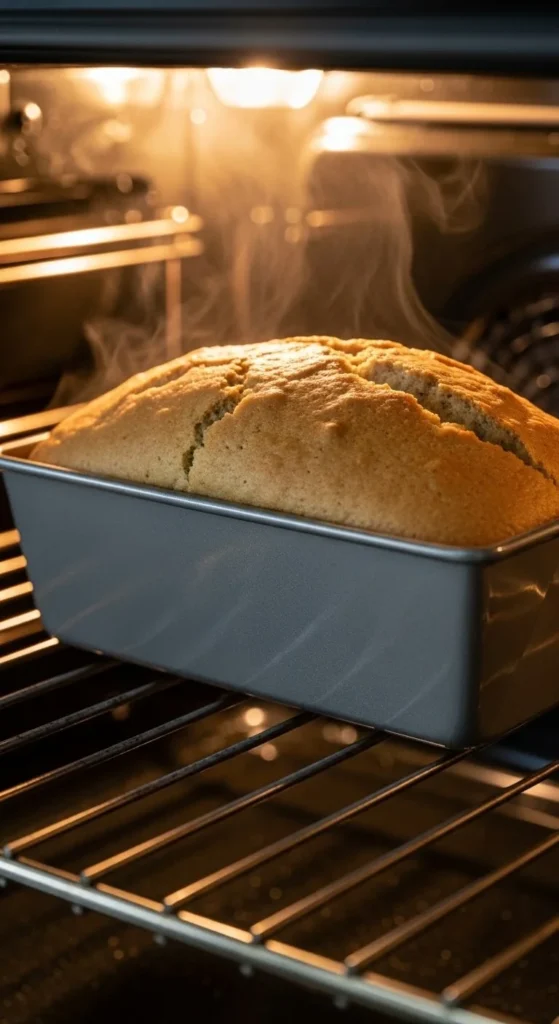
Preheat your oven to 170°C / 340°F.
Grease your loaf pan and line it with parchment paper for easy removal. Pour in the batter and smooth the top gently.
Bake for 50–60 minutes, depending on your oven. Don’t rush it with higher heat — that dries out the inside before it fully cooks.
Check doneness by inserting a toothpick in the center:
- It should come out with a few moist crumbs, not wet batter.
If the top browns too quickly, loosely cover with foil for the last 10 minutes.
Let It Cool Before Slicing
This step is hard — but crucial.
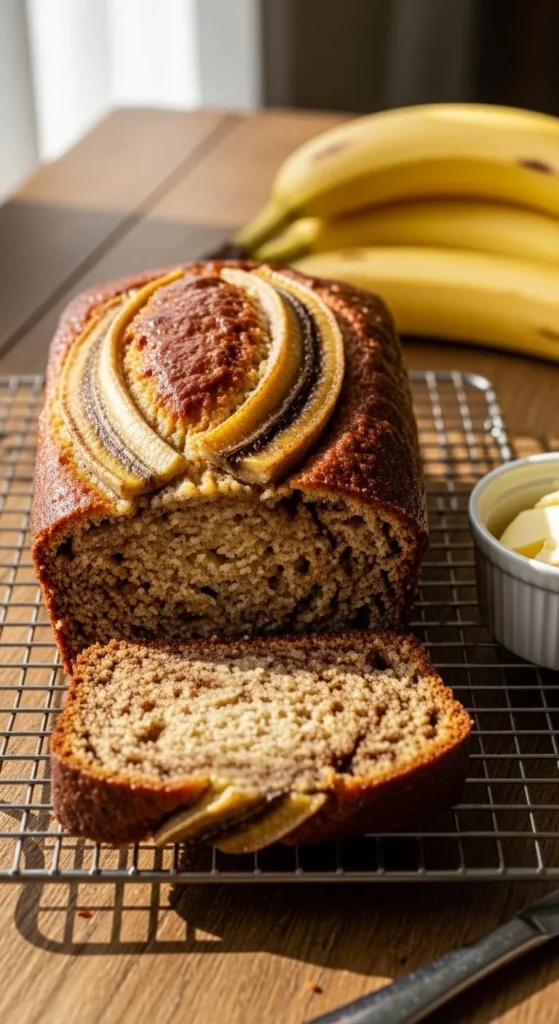
Let the banana bread rest in the pan for 10 minutes, then transfer to a wire rack to cool completely.
Cutting too early releases steam and dries out the crumb. Cooling locks in moisture and makes slicing cleaner.
If you want it extra soft, wrap the cooled loaf tightly in plastic wrap and let it sit for a few hours or overnight. The flavors deepen and the texture becomes even more tender.
Make It Even Softer: Simple Syrup Trick
For bakery-style moisture, brush the warm loaf lightly with simple syrup:
Mix:
- ¼ cup sugar
- ¼ cup water
Heat until dissolved, cool slightly, and brush over the top.
This adds shine and keeps the bread soft for longer without making it soggy.
Add Mix-Ins Without Losing Softness
You can customize your banana bread while keeping it tender:
Try adding:
- ½ cup chocolate chips
- ½ cup chopped walnuts
- ½ cup shredded coconut
- 1 teaspoon instant coffee powder for deeper flavor
Fold these in gently at the very end. Don’t overmix.
Storage Tips to Keep It Soft
- Store banana bread in an airtight container at room temperature for 3–4 days.
- For longer storage, wrap tightly and refrigerate for up to 7 days. Bring to room temperature before serving.
- You can freeze slices for up to 2 months — just wrap each piece individually.
Never leave banana bread uncovered — air dries it out quickly.
Common Mistakes (And How to Fix Them)
Bread is dry:
- You overbaked it. Check earlier next time.
- You used too little banana or oil.
Bread is dense:
- You overmixed the batter. Stir gently.
- Your bananas weren’t ripe enough.
Top is burnt, inside raw:
- Oven too hot. Lower temperature and bake longer.
Crumb is crumbly:
- Add yogurt or sour cream next time for extra moisture.
Serve It Like a Dream
Slice your banana bread thick and enjoy it:
- Warm with butter
- With honey or peanut butter
- Alongside a cup of coffee or tea
You can even toast slices lightly for crispy edges and a soft center.
Final Takeaway
Super soft banana bread comes down to three key things: very ripe bananas, oil instead of butter, and gentle mixing. Add a little yogurt, bake at a lower temperature, and cool properly — and your loaf will be tender, moist, and irresistible every time.
Love this method? Save this recipe for later and bake the softest banana bread you’ve ever made.

Hannah Collins is a passionate home cook and food storyteller who believes every recipe tells a little love story. At TastyWriter, she shares simple, delicious recipes made for real kitchens and busy days — from cozy comfort dishes to creative new favorites. When she’s not cooking, you’ll find her photographing food, testing family recipes, or sipping tea while dreaming up her next tasty idea.
Leave a Reply