

Few things feel as satisfying as baking your own bread, especially when it’s focaccia. The moment it comes out of the oven, golden and glistening with olive oil, your kitchen fills with a warm, comforting aroma. The crust is lightly crisp. The inside is soft and airy. And every bite tastes rich, simple, and homemade. Focaccia isn’t just bread. It’s an experience you create with your hands.
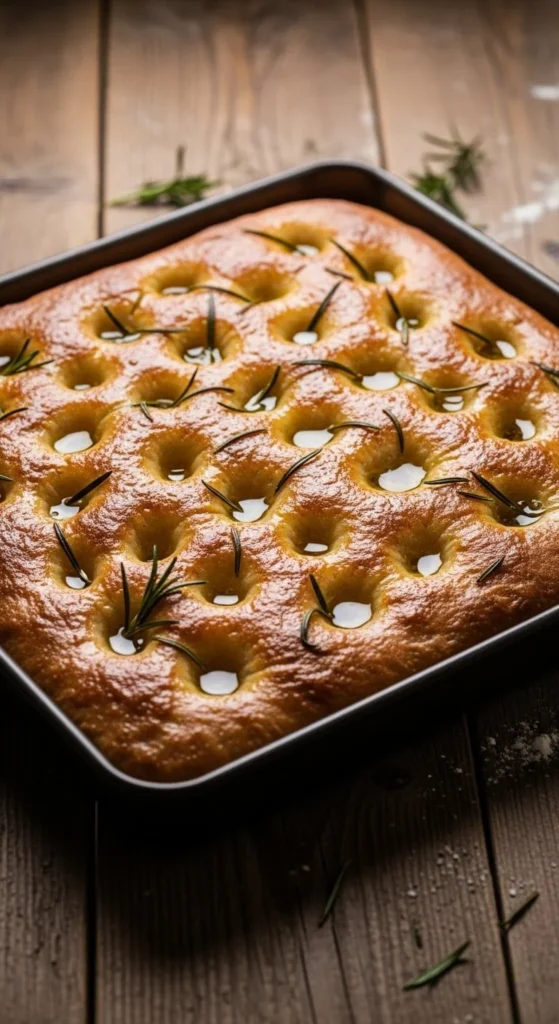
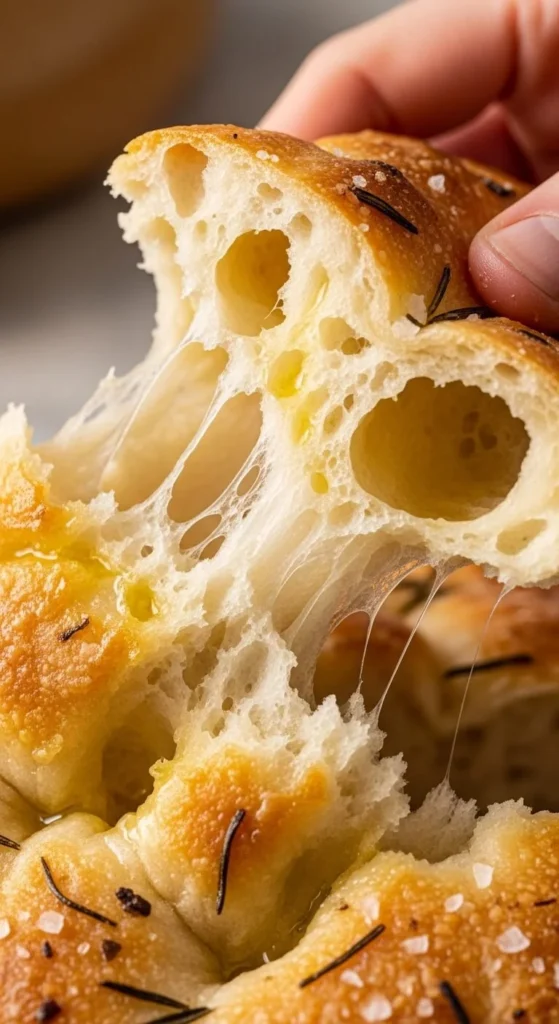
What makes focaccia so special is its balance of texture and flavor. Unlike regular bread, focaccia uses more olive oil, which gives it a soft interior and slightly crisp edges. Its signature dimples hold tiny pools of oil and seasoning, creating flavor in every bite. The beauty of focaccia is that it looks rustic. It doesn’t need perfect shaping. That natural look is part of its charm.
The Simple Ingredients That Make It Perfect
Focaccia bread uses basic pantry ingredients, but each one plays an important role in creating the final texture and flavor.
You’ll need:
- Flour
- Warm water
- Yeast
- Olive oil
- Salt
Olive oil is the heart of focaccia. It adds richness, softness, and flavor. Using good quality olive oil makes a noticeable difference. Flour gives structure. Yeast creates air pockets. Salt enhances flavor. And water brings everything together.
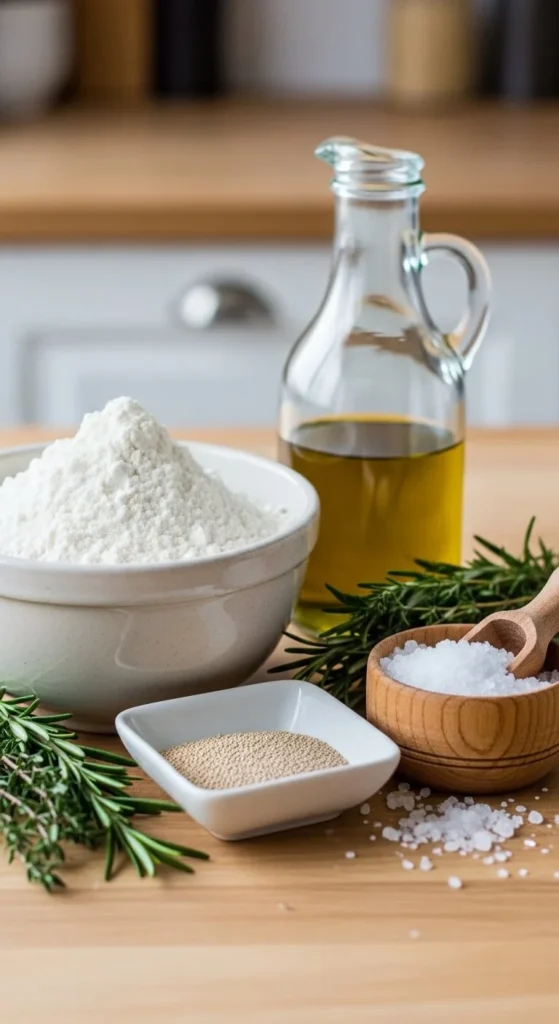
When combined, these simple ingredients create something far greater than their parts.
The Secret Is in the Dough Texture
Focaccia dough is softer and stickier than most bread dough. This is exactly what you want. A wetter dough creates the light, airy texture focaccia is known for.
At first, the dough may feel sticky and uneven. That’s normal. As it rests, it becomes smoother and easier to handle. Time does most of the work. The yeast slowly creates air bubbles, which give focaccia its soft structure.
Patience is more important than effort here.
Why Rising Time Changes Everything
One of the most important parts of making focaccia is letting the dough rest. During this time, the yeast creates air pockets inside the dough. These pockets make the bread soft instead of dense.
As the dough rises, it becomes fuller and lighter. You’ll notice bubbles forming. This is a sign that the dough is developing properly.
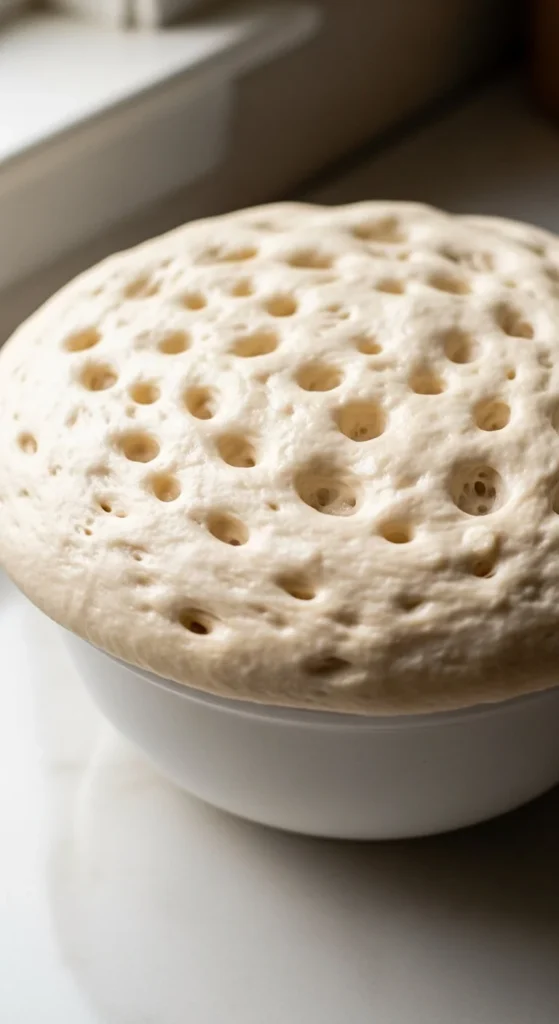
This resting time also improves flavor. Slow rising creates deeper, richer taste.
Skipping this process leads to flat, dense bread. Giving the dough time creates bakery-quality results.
Olive Oil Gives Focaccia Its Signature Flavor
Focaccia isn’t shy about olive oil. It’s used in the dough, on the pan, and on top of the bread. This creates its signature golden crust and rich taste.
Olive oil serves several purposes:
- Keeps the bread soft
- Prevents sticking
- Adds flavor
- Creates crisp edges
Before baking, more olive oil is drizzled over the surface. This helps create that beautiful golden finish.
It also gives focaccia its slightly crisp outside and soft inside.
The Signature Dimples Create Texture and Character
One of the most recognizable features of focaccia is its dimpled surface. These dimples aren’t just decorative. They help hold olive oil and seasoning.
Pressing your fingers into the dough creates these small pockets. When baked, they give focaccia its unique look and texture.
This step also ensures even baking and flavor distribution.
Each dimple becomes a small pocket of flavor.
Baking Transforms It Into Golden Perfection
As focaccia bakes, the dough rises slightly more and develops its golden crust. The olive oil on top helps it brown evenly. The edges become lightly crisp, while the inside stays soft and airy.
The aroma that fills your kitchen is rich and inviting. It smells warm, savory, and comforting.
Once out of the oven, focaccia looks beautifully rustic. Its golden color and textured surface make it as appealing to the eyes as it is to the taste.
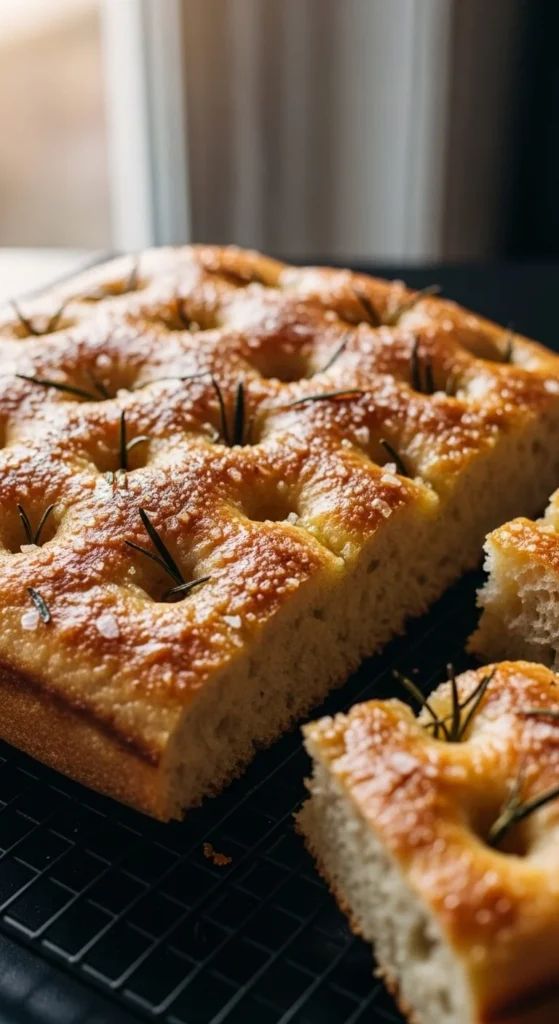
Letting it cool slightly allows the texture to settle while keeping it soft inside.
Toppings Add Flavor and Personality
Focaccia is incredibly versatile. While it’s delicious on its own, toppings can enhance its flavor even more.
Popular options include:
- Fresh rosemary
- Sea salt
- Garlic
- Cherry tomatoes
- Olives
Each topping adds character. You can keep it simple or experiment based on your taste.
Even plain focaccia with olive oil and salt tastes incredible.
Why Homemade Focaccia Feels Different
Baking focaccia at home is more than just making bread. It’s about creating something warm, fresh, and satisfying. The process itself is calming. Mixing, resting, and baking allow you to slow down and enjoy the experience.
Homemade focaccia tastes fresher because it hasn’t been sitting on shelves. The texture is softer. The flavor is richer. And you know exactly what went into it.
It also fills your home with the comforting smell of fresh bread.
Final Thoughts
Focaccia bread proves that simple ingredients can create something truly special. With flour, olive oil, yeast, and time, you can bake bread that feels comforting and homemade.
You don’t need advanced skills. You just need patience and good ingredients.
Once you bake focaccia at home, it becomes more than a recipe. It becomes a tradition.
Save this guide for later and enjoy fresh, homemade focaccia whenever you want.

Hannah Collins is a passionate home cook and food storyteller who believes every recipe tells a little love story. At TastyWriter, she shares simple, delicious recipes made for real kitchens and busy days — from cozy comfort dishes to creative new favorites. When she’s not cooking, you’ll find her photographing food, testing family recipes, or sipping tea while dreaming up her next tasty idea.
Leave a Reply