

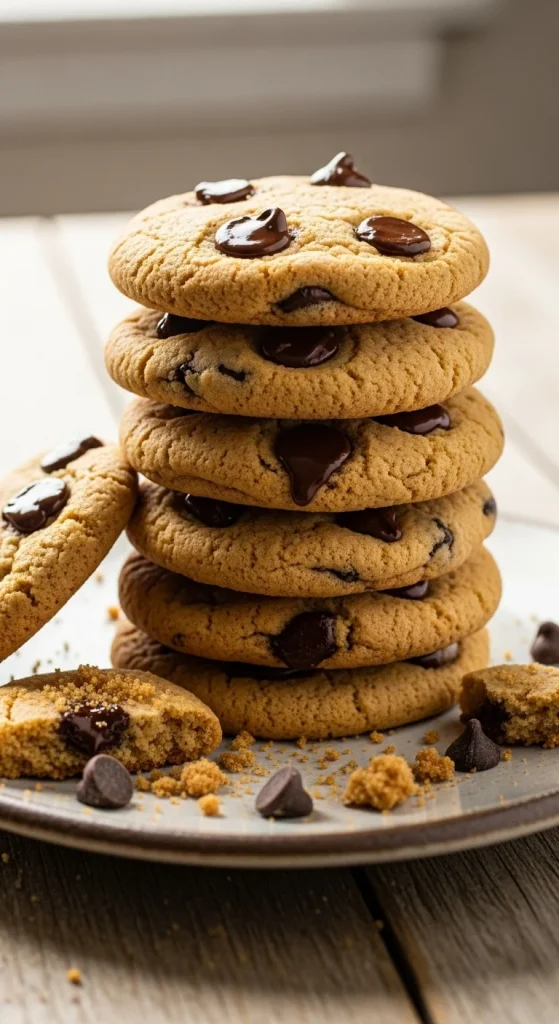
Going gluten-free doesn’t mean giving up the joy of chewy, buttery, melt-in-your-mouth cookies. The secret lies in the right mix of flours, fats, and baking techniques that create texture and flavor so good, no one will guess they’re gluten-free. Whether you’re baking for dietary reasons or simply exploring new ingredients, these cookies will win over everyone — even the gluten lovers in the room.
Step 1: Choose the Right Gluten-Free Flour
Not all gluten-free flours are created equal. The flour you choose can make or break your cookies — literally!
Here’s what works best:
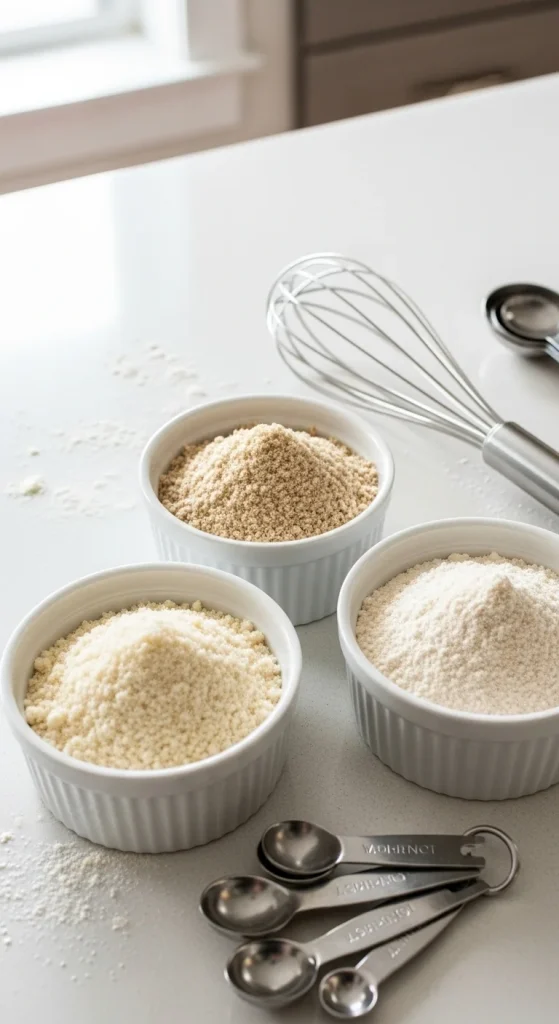
- Gluten-free all-purpose blend: A ready-made mix (like Bob’s Red Mill or King Arthur) is the easiest option. Look for blends that include rice flour, tapioca starch, and xanthan gum for structure and elasticity.
- Almond flour: Adds richness and a slightly nutty flavor. Great for chewy cookies.
- Oat flour: Offers a soft, homey texture and mild sweetness.
- Coconut flour: Highly absorbent, so use sparingly and pair with wetter ingredients.
Pro tip: Avoid using a single flour like rice flour alone — it can make cookies gritty or dry. A blend is your best friend for perfect texture.
Step 2: Use a Binder for the Perfect Texture
Since gluten gives traditional cookies their chewiness, you’ll need a substitute that helps hold everything together.
Best gluten-free binders:
- Xanthan gum: Just ½ teaspoon per cup of flour does the trick.
- Psyllium husk or ground flaxseed: Great for adding chew and fiber. Mix 1 tablespoon with 3 tablespoons of water (let sit for 5 minutes).
- Eggs: Provide structure and moisture, especially in drop cookies.
Pro tip: If your flour blend already includes xanthan gum, skip adding extra — too much can make cookies gummy.
Step 3: Balance Moisture & Fat
Gluten-free doughs tend to be thirstier, soaking up more liquid and fat than regular ones. To keep your cookies from turning dry or crumbly, use slightly more moisture than you would in a traditional recipe.
Ingredients that help:
- Butter: Adds richness and flavor — use room temperature for the perfect cream.
- Brown sugar or honey: Draws moisture into the dough for softness.
- Nut butter or coconut oil: For extra chew and a hint of nuttiness.
If your dough feels too stiff, add 1–2 tablespoons of milk (or dairy-free alternative).
Step 4: Mix Smart — Don’t Overdo It
Here’s where gluten-free baking is actually easier: you can’t overmix! Without gluten, there’s no risk of tough cookies. But you still want to mix just enough to evenly distribute ingredients.
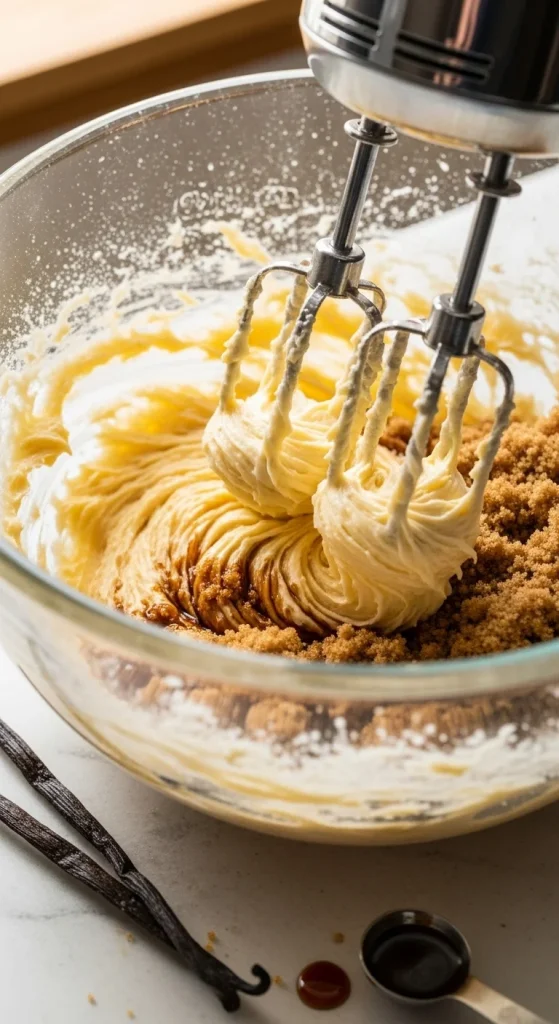
- Cream butter and sugar together until fluffy.
- Add eggs and vanilla.
- Mix in dry ingredients gradually.
- Stir in chocolate chips, nuts, or other mix-ins by hand.
Pro tip: Let the dough rest for 15–30 minutes before baking. This allows the flour to hydrate fully and prevents spreading.
Step 5: Bake Like a Pro
Set your oven to 350°F (175°C) and line your baking sheet with parchment paper. Scoop cookie dough balls using a spoon or cookie scoop, spacing them 2 inches apart.
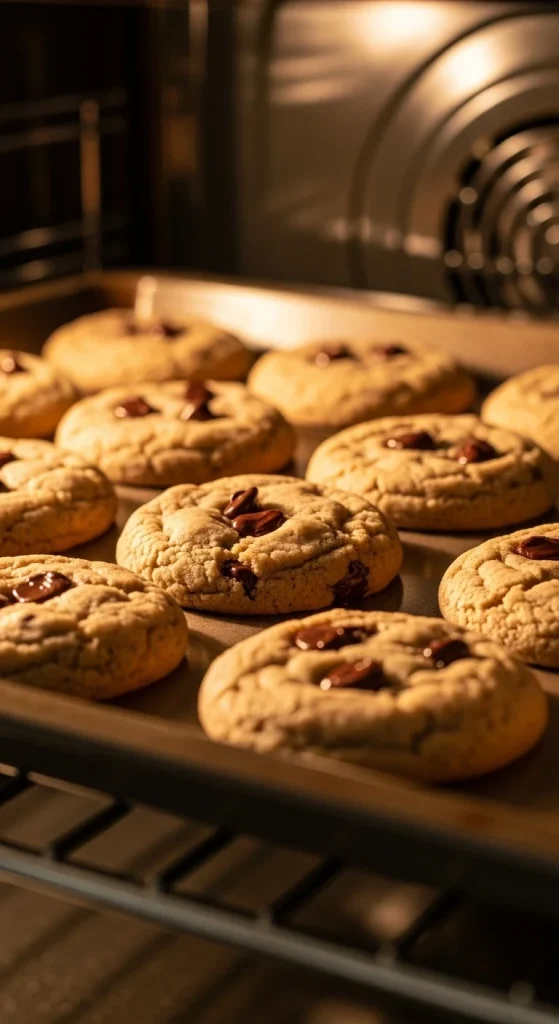
Bake for 10–12 minutes, or until the edges turn golden while the centers remain soft. Remember — cookies continue to firm up as they cool, so don’t overbake!
For chewy cookies:
- Use more brown sugar and slightly underbake.
For crisp cookies:
- Use white sugar and bake 1–2 minutes longer.
Step 6: Add Flavors That Shine
Gluten-free cookies are a blank canvas for creativity. Once you’ve mastered the base dough, try mixing up your flavors and textures:
Delicious combos to try:
- Chocolate chip + sea salt — classic and irresistible.
- Oatmeal + cranberry + white chocolate — soft and chewy perfection.
- Peanut butter + dark chocolate chunks — nutty and rich.
- Lemon + almond flour — light and bright with a hint of citrus.
Pro tip: A sprinkle of flaky salt right after baking takes your cookies from good to bakery-level.
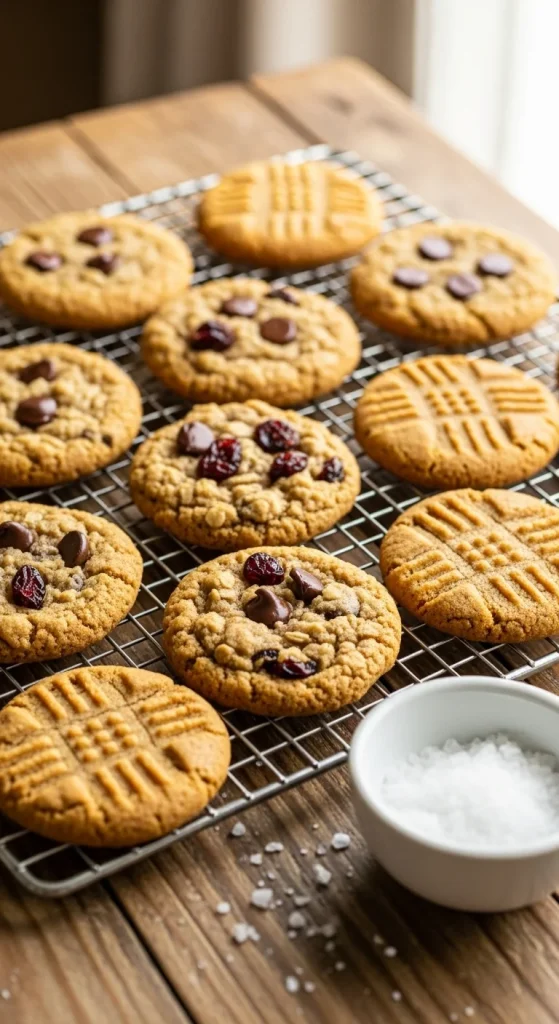
Step 7: Cool & Store Properly
Gluten-free cookies are most fragile when warm, so let them cool on the baking sheet for 5 minutes before transferring to a wire rack.
To keep them soft and fresh:
- Store in an airtight container with a piece of bread or slice of apple (it keeps them moist).
- Freeze dough balls for up to 2 months — bake straight from frozen when you need a quick treat.
Step 8: Troubleshooting Common Issues
- Too dry? Add a bit more fat (1 tbsp butter or oil).
- Too crumbly? Try an extra egg or flaxseed “egg.”
- Too gritty? Use a finer flour blend or add a tablespoon of cornstarch.
- Too flat? Chill dough before baking or use parchment instead of greased pans.
The Final Bite
Gluten-free cookies don’t have to feel like a compromise — in fact, with the right balance of flours, fats, and flavors, they can be even better than traditional ones. Crispy edges, soft centers, and that buttery, melt-in-your-mouth goodness are all completely possible without gluten.
So go ahead, preheat your oven, grab your mixing bowl, and start baking the cookies everyone will be asking you the recipe for.
Save this recipe for later — your next gluten-free bake day is about to get delicious!

Hannah Collins is a passionate home cook and food storyteller who believes every recipe tells a little love story. At TastyWriter, she shares simple, delicious recipes made for real kitchens and busy days — from cozy comfort dishes to creative new favorites. When she’s not cooking, you’ll find her photographing food, testing family recipes, or sipping tea while dreaming up her next tasty idea.
Leave a Reply