

Asparagus has a short window where it tastes amazing. Too raw and it’s grassy. Too cooked and it turns limp and dull. That’s why so many people feel unsure about cooking it. The good news is this: asparagus is one of the easiest vegetables to master once you know a few simple rules. Get the timing right, respect the heat, and you’ll end up with spears that are tender, bright, and full of flavour every single time.
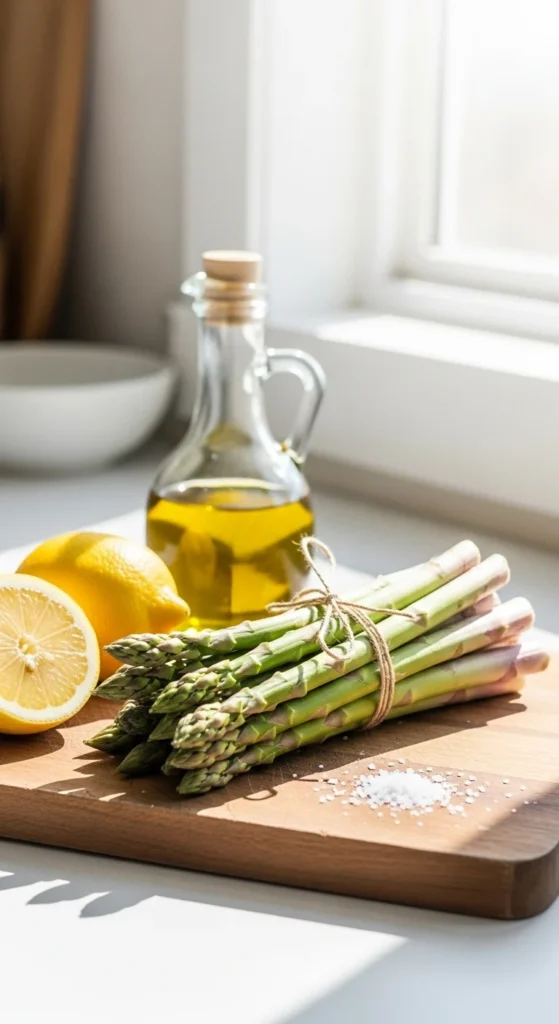
This guide walks you through everything you need, from choosing the right asparagus to the best cooking methods and common mistakes to avoid.
Start with the Right Asparagus
Perfect cooking starts at the shop. Old asparagus never cooks well, no matter what you do.
What to look for:
- Firm, straight spears
- Tight, closed tips
- Bright green colour
- Cut ends that look moist, not dry or cracked
Thick or thin spears both work. Thickness only changes cooking time, not quality.
Storage tip:
- Keep asparagus in the fridge
- Wrap the ends in a damp paper towel
- Use within a few days for best results
Before cooking, rinse well and dry completely. Wet asparagus steams instead of browns, which affects both texture and taste.
Prep It Properly (This Matters More Than You Think)
One small prep step makes a big difference.
Snap or trim the ends
- Hold a spear and bend it
- It will naturally snap where the tough part ends
- Or line them up and cut about 2–3 cm off the bottom
You do not need to peel asparagus unless the spears are very thick. For most home cooking, trimming is enough.
After trimming:
- Keep spears whole for most methods
- Cut into pieces only if adding to pasta, stir-fries, or salads
Simple prep helps asparagus cook evenly and stay tender.
The Best Cooking Methods (And When to Use Each)
Asparagus cooks fast. That’s the key thing to remember.
Sautéing (Best for Weeknights)
This is the most reliable everyday method.
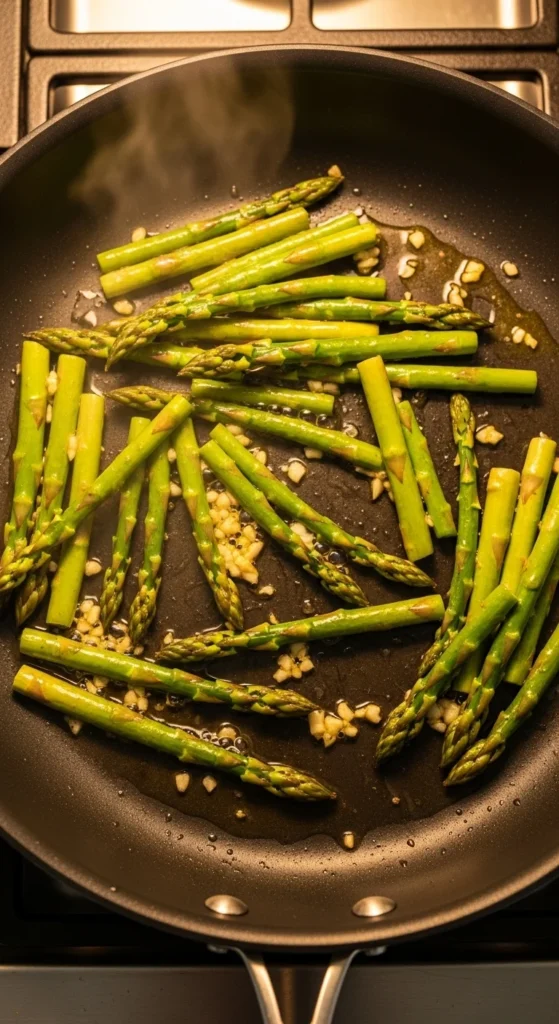
How to do it:
- Heat a wide pan over medium-high heat
- Add a little olive oil
- Add asparagus in a single layer
- Cook 4–6 minutes, turning once or twice
Finish with salt, pepper, and a squeeze of lemon.
Roasting (Best for Deeper Flavour)
Roasting gives asparagus slightly crisp edges and a richer taste.
How to do it:
- Heat oven to 220°C / 425°F
- Toss asparagus with oil and salt
- Spread in one layer on a tray
- Roast 10–15 minutes, depending on thickness
Do not overcrowd the tray. Space helps browning.
Blanching (Best for Salads and Meal Prep)
Blanching keeps asparagus bright and crisp.
How to do it:
- Boil salted water
- Add asparagus for 1–2 minutes
- Transfer immediately to ice water
- Drain and dry
Use blanched asparagus in salads, grain bowls, or as a base for quick sautés.
Seasoning That Actually Works
Asparagus has a clean taste. You don’t need much to make it shine.
Simple seasonings that always work:
- Olive oil
- Salt and black pepper
- Lemon juice or zest
- Garlic (lightly cooked)
Add acid at the end, not the beginning. Lemon or vinegar added too early can soften the spears too much.
Easy upgrades:
- Chili flakes for heat
- Grated parmesan or nutritional yeast
- Toasted almonds or seeds
- A drizzle of balsamic vinegar
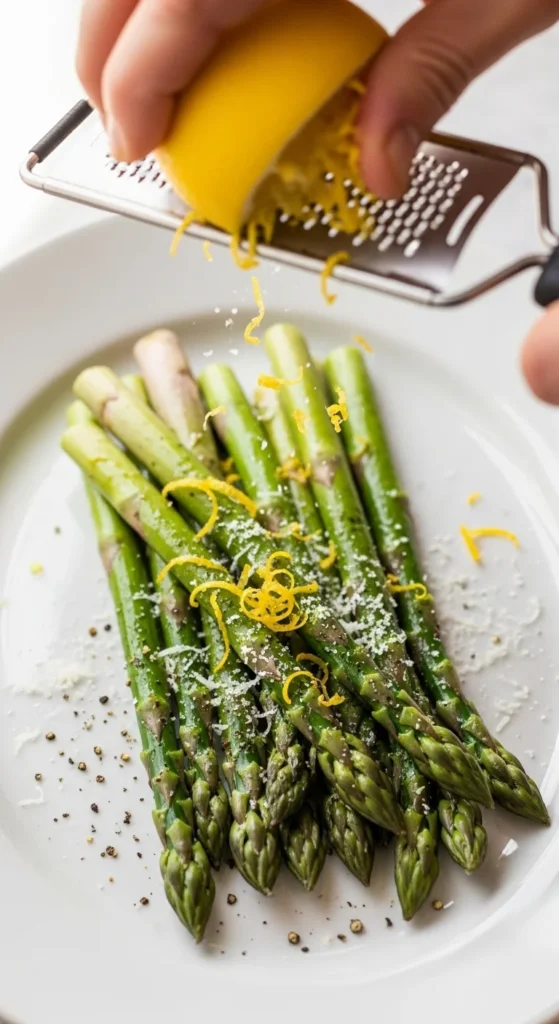
Season lightly at first. Taste. Adjust. Asparagus responds well to small changes.
How to Know When It’s Done
This is where most people go wrong.
Perfect asparagus should be:
- Bright green
- Tender but still firm
- Easy to pierce with a fork
- Not floppy or mushy
If it bends and collapses when lifted, it’s overcooked.
Cooking times vary by thickness, but here’s a quick guide:
- Thin spears: 3–5 minutes
- Medium spears: 5–7 minutes
- Thick spears: 7–10 minutes
Stay nearby while cooking. Asparagus goes from perfect to overdone fast.
Common Mistakes to Avoid
Even simple vegetables have traps.
Avoid these:
- Cooking asparagus straight from the fridge in a cold pan
- Overcrowding the pan or tray
- Adding too much liquid
- Cooking on low heat
- Forgetting to season properly
High heat and short cooking time keep asparagus lively and full of flavour.
Easy Serving Ideas
Once cooked well, asparagus fits into almost anything.
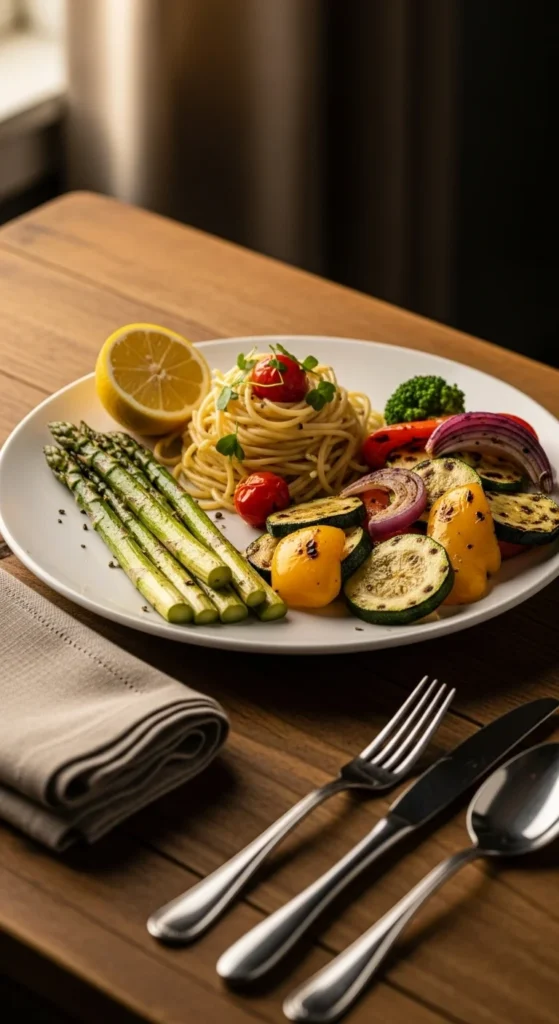
Try it:
- Tossed into pasta
- On top of toast with olive oil
- Added to omelettes or frittatas
- Served alongside fish, tofu, or grains
- Chopped into salads
Leftover asparagus keeps well in the fridge for up to two days and works best reheated quickly in a pan.
Final Takeaway
Cooking asparagus perfectly is about timing, heat, and restraint. Keep it simple, cook it fast, and finish it well. Once you get the feel for it, asparagus becomes one of the easiest and most reliable vegetables in your kitchen.
Save this guide for later, and the next time asparagus hits your pan, you’ll know exactly what to do.

Hannah Collins is a passionate home cook and food storyteller who believes every recipe tells a little love story. At TastyWriter, she shares simple, delicious recipes made for real kitchens and busy days — from cozy comfort dishes to creative new favorites. When she’s not cooking, you’ll find her photographing food, testing family recipes, or sipping tea while dreaming up her next tasty idea.
Leave a Reply