

Asparagus is one of those vegetables that instantly signals spring. It’s crisp, bright, and full of fresh flavor. When cooked the right way, asparagus can turn a simple salad into something satisfying and seasonal without feeling heavy or overworked.
If your salads have ever felt bland or boring, learning how to cook asparagus properly can change everything. Let’s break it down step by step so your spring salads always taste fresh and balanced.
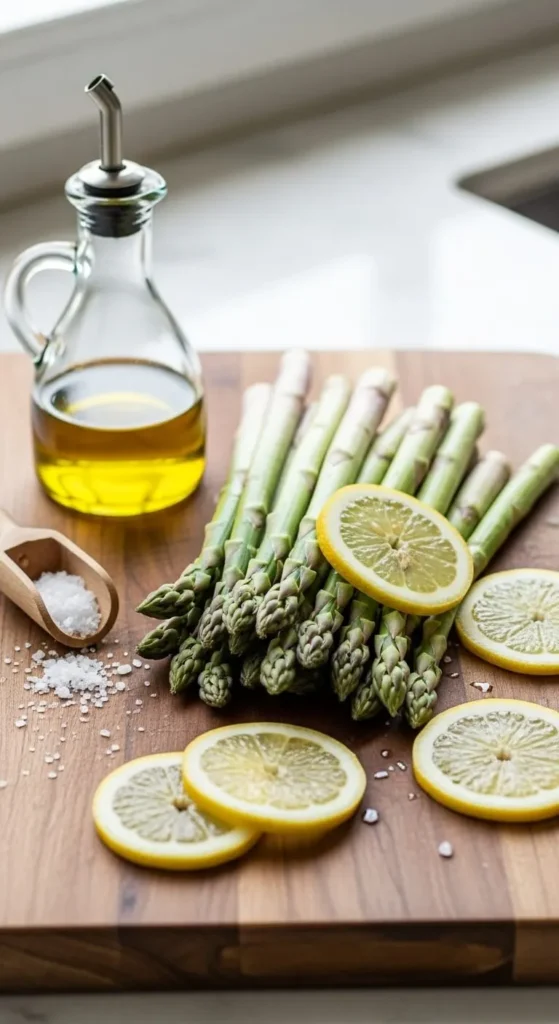
Choose the Best Asparagus for Salads
Great salads start with good ingredients. When shopping for asparagus, freshness matters more than size.
Look for:
- Firm, straight spears
- Bright green color
- Tightly closed tips
- Ends that look moist, not dried out
Thin asparagus cooks faster and works well for lighter salads. Thicker spears are great for grilling or roasting but may need slicing after cooking.
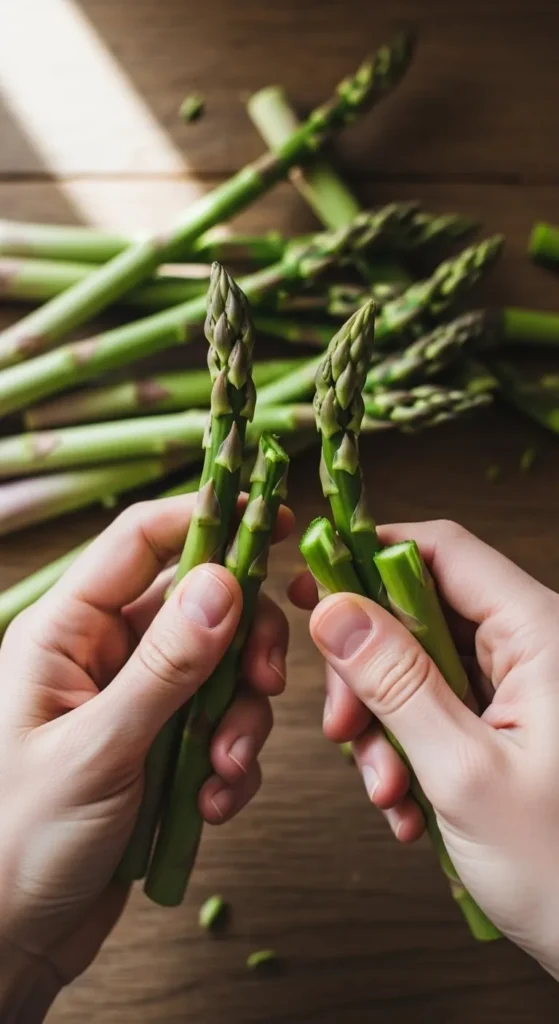
Quick check: Gently bend a spear. Fresh asparagus should snap easily.
Prep Asparagus the Right Way
Before cooking, asparagus needs a little prep to keep it tender and pleasant to eat.
Simple prep steps:
- Rinse under cold water
- Snap or cut off the woody ends
- Pat dry before cooking
You don’t need to peel thin spears. For thicker ones, a light peel near the base can help.
Tip: Save trimmed ends for vegetable stock.
Blanching Asparagus for Crisp Salads
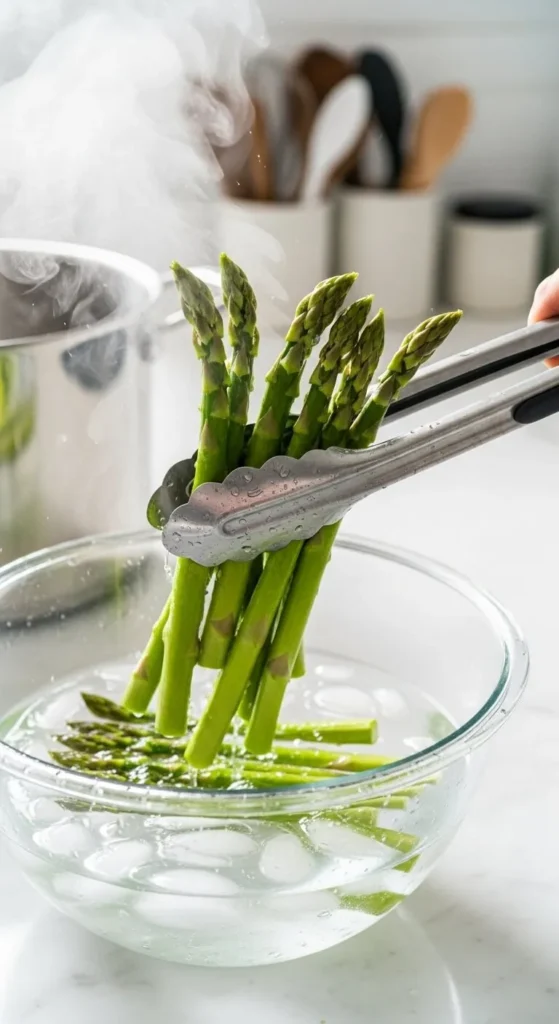
Blanching is one of the best methods for asparagus salads. It keeps the color bright and the texture crisp.
How to blanch asparagus
- Bring a pot of salted water to a boil
- Add asparagus and cook for 2 to 3 minutes
- Transfer immediately to ice water
- Drain and pat dry
Blanched asparagus works well in cold or room-temperature salads.
Why it works: The quick heat softens the asparagus while the ice bath locks in color and crunch.
Roasting Asparagus for Deeper Flavor
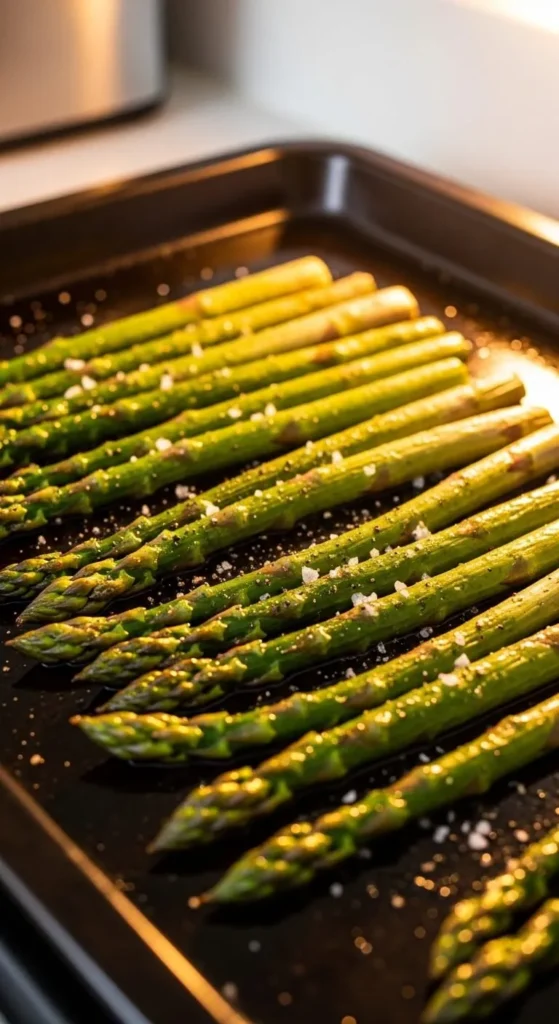
Roasting adds warmth and depth to salads, especially when paired with fresh greens.
How to roast asparagus
- Toss spears with olive oil and salt
- Roast at 220°C
- Cook for 10 to 14 minutes, turning once
Let roasted asparagus cool slightly before adding to salads.
Salad idea: Roasted asparagus + spinach + shaved parmesan + lemon dressing.
Grilling Asparagus for Bold Texture
Grilled asparagus brings a smoky touch that pairs well with simple salad ingredients.
How to grill
- Toss asparagus with oil and salt
- Grill over medium-high heat
- Cook for 4 to 6 minutes, turning often
Slice grilled asparagus into bite-sized pieces for easier eating.
Works best with:
- Arugula
- Feta cheese
- Nuts or seeds
- Light vinaigrettes
Cut Asparagus for Better Salad Texture
How you cut asparagus matters just as much as how you cook it.
Good cutting options:
- Long diagonal slices for elegant salads
- Bite-sized pieces for grain bowls
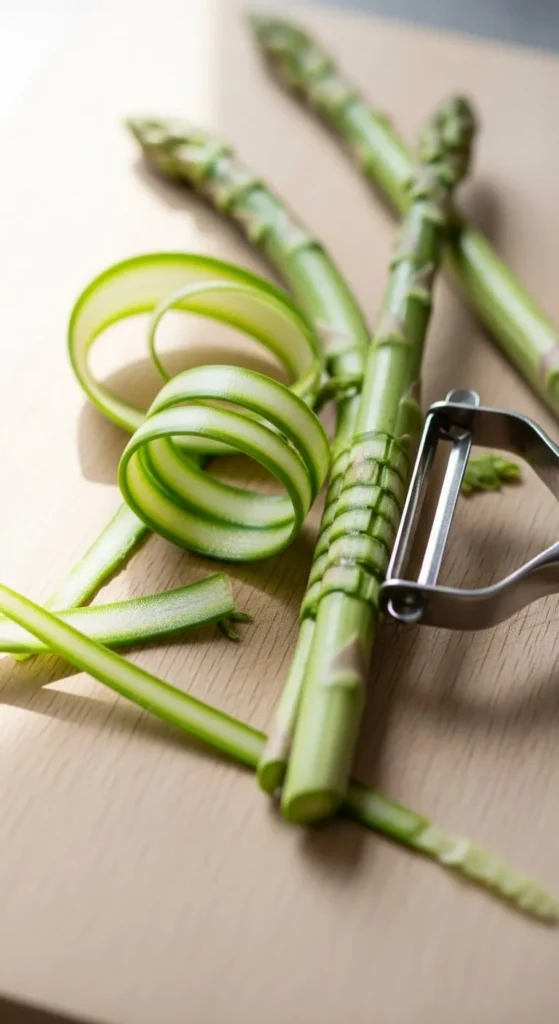
- Thin shavings for raw or lightly cooked salads
For raw salads, use a vegetable peeler to shave asparagus into ribbons.
Tip: Raw asparagus works best when very fresh and thin.
Pair Asparagus With the Right Ingredients
Asparagus has a mild, slightly grassy flavor that pairs well with both bright and creamy elements.
Great pairings include:
- Lemon juice or zest
- Olive oil or yogurt-based dressings
- Eggs
- Parmesan or goat cheese
- Almonds, walnuts, or pine nuts
- Fresh herbs like parsley or dill
Keep dressings light so asparagus stays the focus.
Build Easy Spring Salads With Asparagus
Here are a few simple ways to use cooked asparagus in salads:
Fresh green salad
- Blanched asparagus
- Mixed greens
- Cucumber
- Lemon vinaigrette
Protein-packed salad
- Roasted asparagus
- Grilled chicken or eggs
- Quinoa
- Olive oil dressing
Simple side salad
- Grilled asparagus
- Parmesan shavings
- Cracked black pepper
- Olive oil
These combinations work well for lunches or light dinners.
Store and Prep Ahead
Cooked asparagus can be prepared ahead of time, making salads easier during busy days.
Storage tips:
- Keep cooked asparagus in an airtight container
- Store in the fridge for up to 3 days
- Add dressing just before serving
Blanched asparagus holds its texture best for make-ahead salads.
Final Takeaway
Asparagus is one of the easiest ways to make spring salads feel fresh, colorful, and satisfying. Whether blanched, roasted, grilled, or shaved raw, the right cooking method can completely change how it tastes and feels in a salad.
Save this guide for later, pin it to your spring salad board, and enjoy making asparagus the star of your seasonal meals 🌱

Hannah Collins is a passionate home cook and food storyteller who believes every recipe tells a little love story. At TastyWriter, she shares simple, delicious recipes made for real kitchens and busy days — from cozy comfort dishes to creative new favorites. When she’s not cooking, you’ll find her photographing food, testing family recipes, or sipping tea while dreaming up her next tasty idea.
Leave a Reply