

Roasted asparagus gets all the love—but it’s not the only way to cook this spring favorite. In fact, roasting can sometimes dry asparagus out or make it too soft, especially if you miss the timing by a few minutes. If you want brighter flavor, better texture, and more variety, it’s time to explore other cooking methods.
From quick stovetop techniques to gentle steaming and even raw prep, this guide shows you how to cook asparagus without roasting it—and still make it taste amazing.
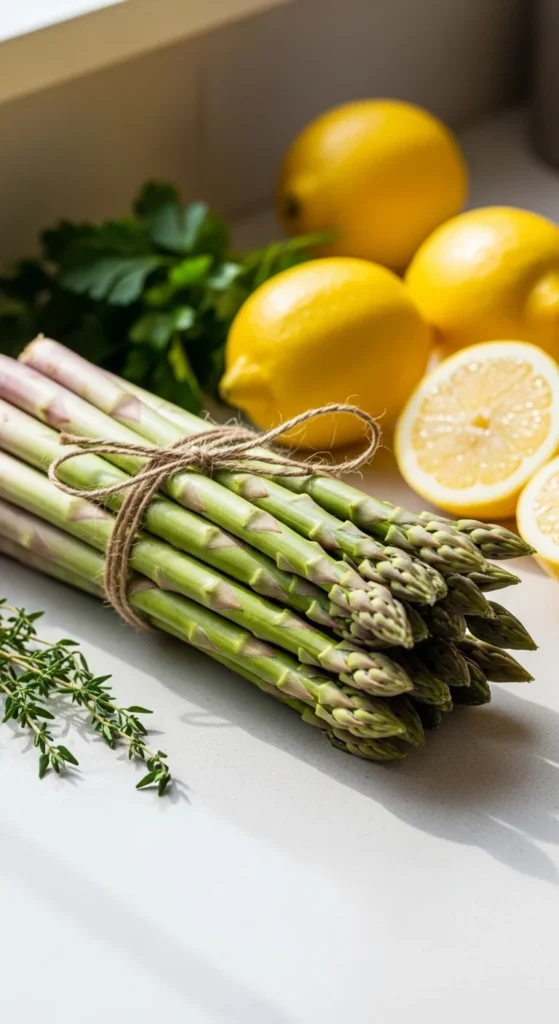
Start by Choosing the Right Asparagus
Before cooking, it helps to know what you’re working with. Not all asparagus behaves the same way.
Look for:
- Firm, straight spears
- Tightly closed tips
- Bright green color
Thickness matters:
- Thin asparagus cooks very fast and works best for sautéing or blanching
- Thick asparagus holds up better to steaming, pan-cooking, or braising
Always snap or trim off the woody ends. If the base looks pale and dry, it won’t soften no matter how you cook it.
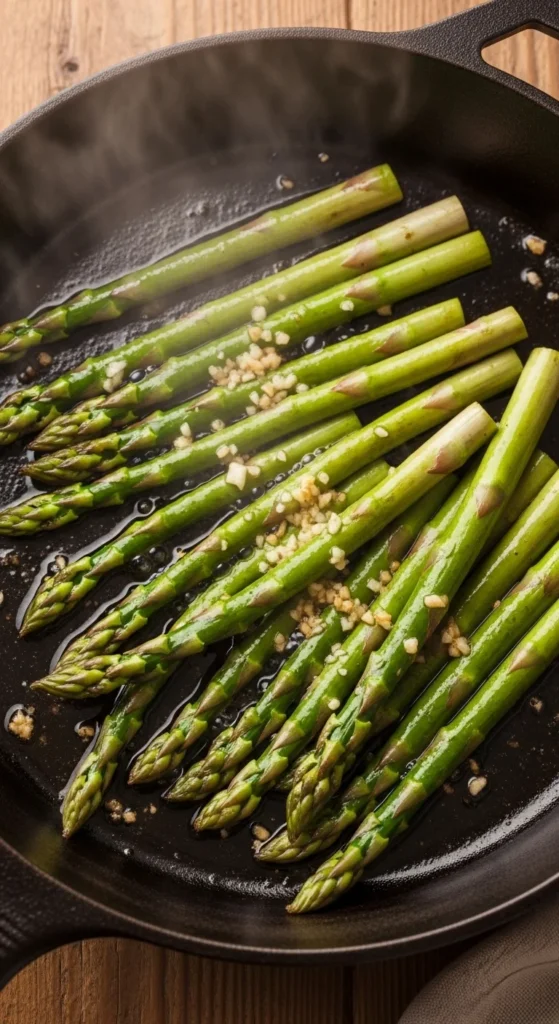
Sautéing: Fast, Flavorful, and Crisp-Tender
Sautéing is one of the easiest ways to cook asparagus without roasting. It keeps the spears crisp while adding flavor quickly.
How to sauté asparagus:
- Heat a wide pan over medium-high heat
- Add olive oil or butter
- Add asparagus in a single layer
- Cook for 4–6 minutes, tossing occasionally
Season with:
- Salt and black pepper
- Garlic or shallots
- A squeeze of lemon at the end
You’re looking for bright green spears with slight browning—not limp or dull.
Steaming: Clean Flavor and Perfect Texture
If you want asparagus that tastes fresh and slightly sweet, steaming is your best option. It’s also one of the most forgiving methods.
How to steam asparagus:
- Bring a small amount of water to a simmer
- Place asparagus in a steamer basket
- Cover and steam for 3–5 minutes
Test for doneness:
- A fork should slide in easily
- The spears should still hold their shape
Finish with:
- Butter or olive oil
- Lemon zest
- Flaky salt
Steaming is ideal if you plan to add asparagus to salads, pastas, or grain bowls.
Blanching: Bright Green and Meal-Prep Friendly
Blanching locks in color and keeps asparagus crisp, making it perfect for make-ahead meals.
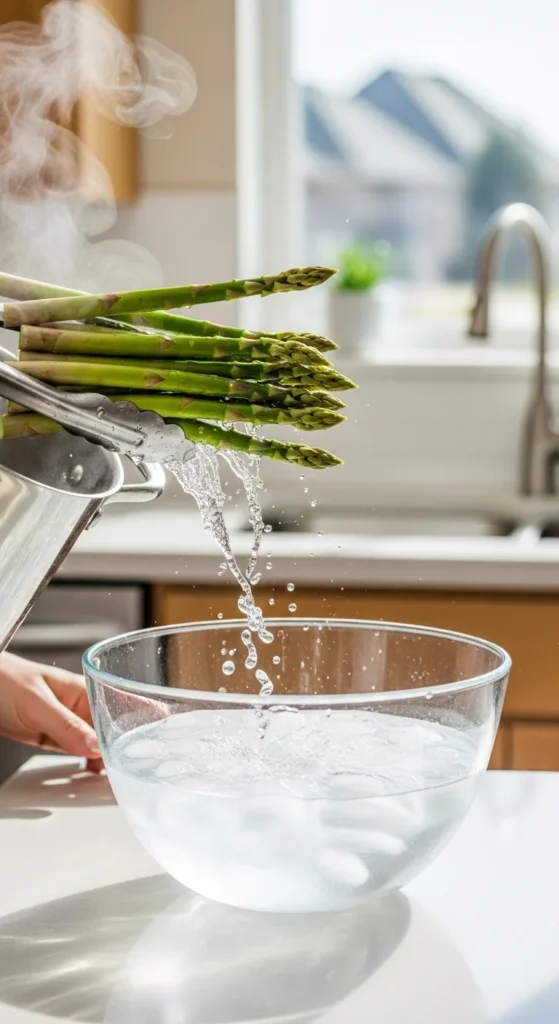
How to blanch:
- Boil well-salted water
- Add asparagus and cook 2–3 minutes
- Transfer immediately to ice water
- Drain well
Why blanching works:
- Preserves vibrant green color
- Stops overcooking instantly
- Keeps asparagus tender but firm
Once blanched, you can:
- Toss it into salads
- Add it to stir-fries
- Serve it cold with dressing
Pan-Steaming: The Best of Both Worlds
Pan-steaming combines sautéing and steaming, giving you flavor and tenderness without roasting.
How it works:
- Heat oil in a pan
- Add asparagus and sear briefly
- Add a splash of water or broth
- Cover and let it steam
This method:
- Softens thick spears evenly
- Prevents drying out
- Adds subtle depth from the pan
Remove the lid at the end to let excess moisture evaporate, then season to taste.
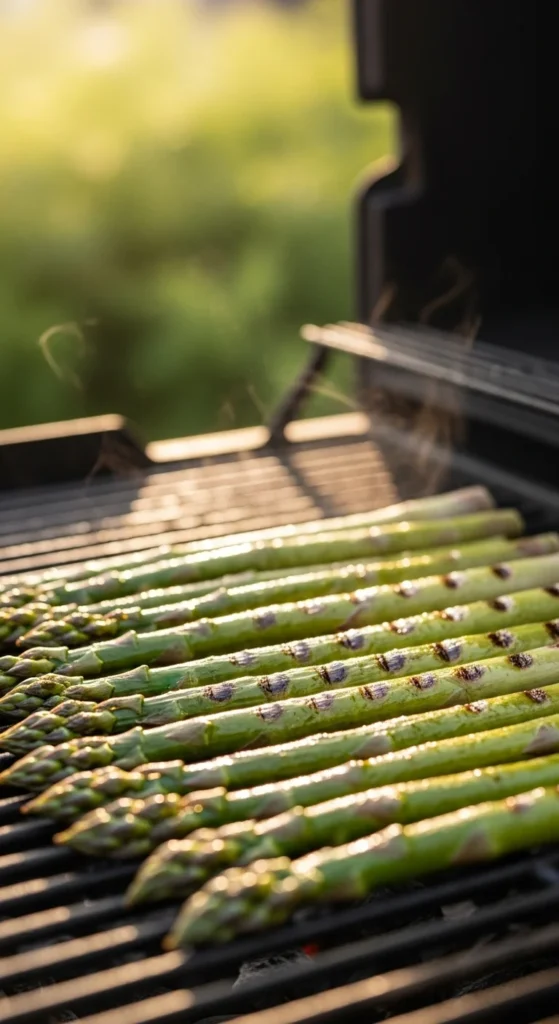
Grilling Without Roasting Flavor
If you like smoky flavor but want more control than roasting, grilling asparagus is a great alternative.
Tips for grilling asparagus:
- Toss spears lightly in oil
- Grill over medium heat
- Turn frequently
- Cook for 5–7 minutes
Use a grill basket or skewers to prevent spears from falling through the grates.
Finish with:
- Lemon juice
- Parmesan shavings
- Fresh herbs
Shaving or Eating It Raw (Yes, Really)
Very fresh asparagus can be eaten raw—and it’s surprisingly good.
How to prep raw asparagus:
- Use a vegetable peeler
- Shave thin ribbons from the stalks
- Stop before the woody end
Best ways to serve:
- Toss with lemon juice and olive oil
- Add shaved parmesan
- Sprinkle with salt and pepper
Raw asparagus works beautifully in spring salads and adds crunch without heaviness.
Common Mistakes to Avoid
No matter the method, a few mistakes can ruin asparagus fast.
Avoid:
- Overcooking until it turns olive green
- Crowding the pan
- Skipping seasoning
- Cooking straight from the fridge
Asparagus should be tender, not mushy—and always bright in color.
Final Takeaway
Roasting isn’t the only—or even the best—way to cook asparagus. Sautéing keeps it crisp, steaming highlights its natural sweetness, blanching makes it meal-prep friendly, and grilling adds smoky depth. Even raw asparagus has its place in spring cooking.
Once you try these methods, you’ll realize how versatile asparagus really is.
Save this guide for later and give your spring sides a fresh upgrade.

Hannah Collins is a passionate home cook and food storyteller who believes every recipe tells a little love story. At TastyWriter, she shares simple, delicious recipes made for real kitchens and busy days — from cozy comfort dishes to creative new favorites. When she’s not cooking, you’ll find her photographing food, testing family recipes, or sipping tea while dreaming up her next tasty idea.
Leave a Reply