

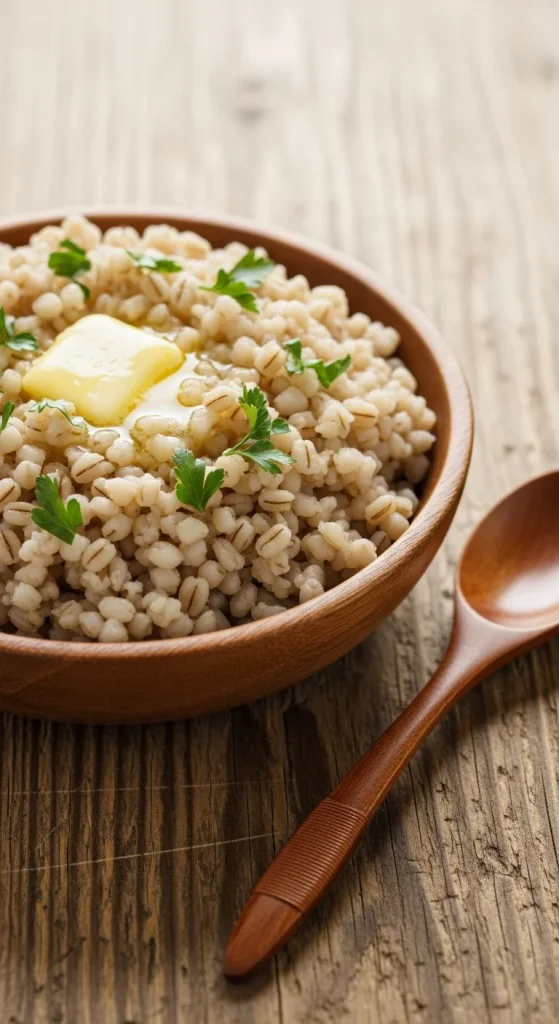
Barley doesn’t get nearly enough love. It’s hearty, healthy, and delightfully chewy — when cooked the right way. Too often, it ends up mushy or clumped together like porridge. But once you learn how to cook barley so it’s fluffy, nutty, and tender, you’ll find it’s just as versatile as rice or quinoa — and maybe even tastier.
Why Barley Deserves a Spot in Your Kitchen
Barley is one of those ancient grains that’s been quietly doing amazing things for thousands of years. It’s packed with fiber, protein, and a naturally nutty flavor that pairs perfectly with soups, salads, and even breakfast bowls.
The best part? It’s inexpensive and easy to cook — as long as you know what kind of barley you’re working with and how to handle it.
Step 1: Know Your Barley Types
Not all barley is created equal, and knowing the difference can make or break your dish.
1. Hulled Barley
- The whole grain with just the outer hull removed.
- Chewy, rich in nutrients, and takes longer to cook (about 45–60 minutes).
- Great for salads and hearty sides.
2. Pearl Barley
- Polished to remove the bran layer.
- Cooks faster (about 25–30 minutes).
- Softer texture, ideal for soups or quick meals.
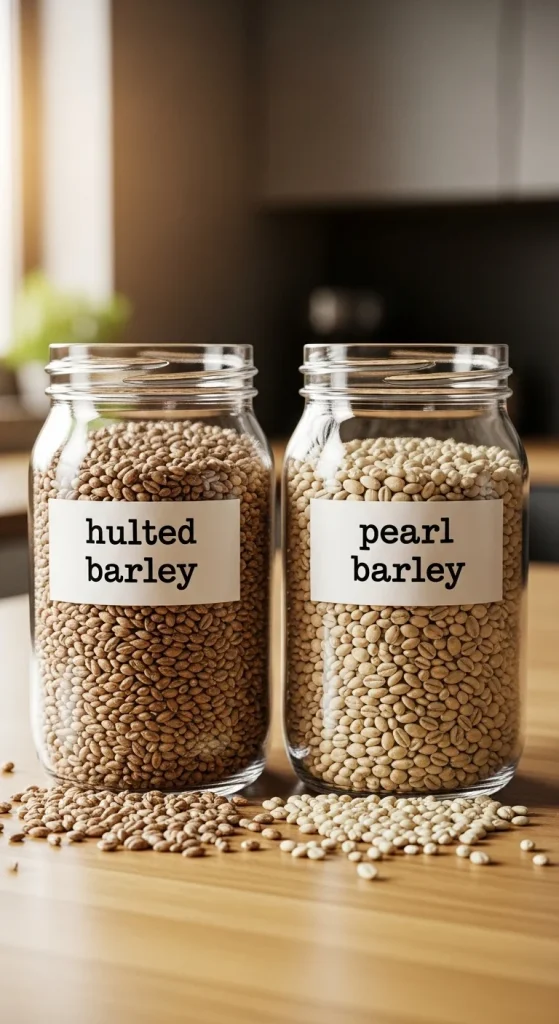
Pro Tip: Hulled barley = more nutrition and chew; pearl barley = faster cooking and smoother texture. Choose based on how you plan to serve it.
Step 2: Rinse and Toast for Extra Flavor
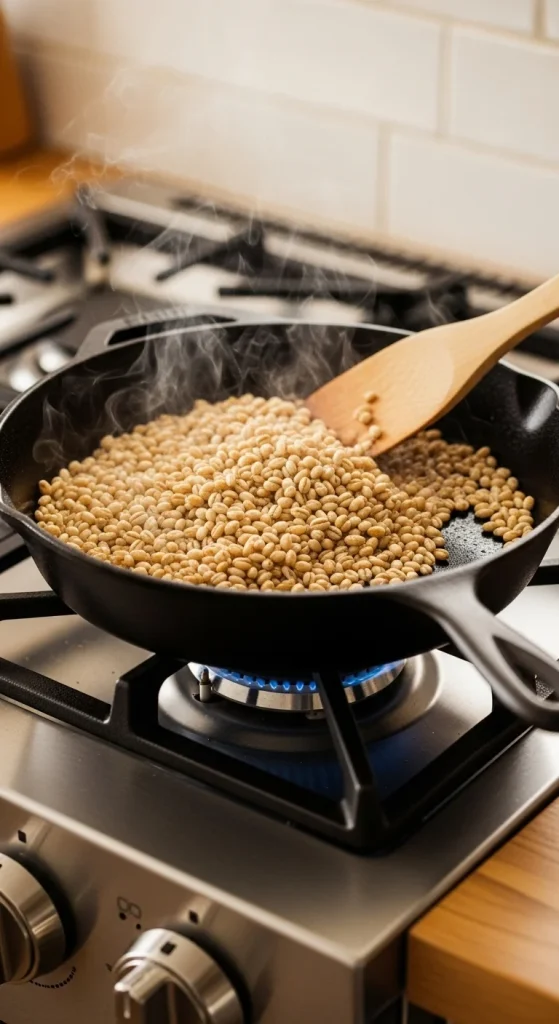
Before cooking, rinse barley under cold water to remove any dust or debris. Then, if you want deeper flavor, try toasting it lightly:
- Add rinsed barley to a dry skillet over medium heat.
- Stir for 3–5 minutes until it smells nutty and turns slightly golden.
This simple step enhances barley’s natural flavor and prevents it from tasting flat.
Step 3: The Perfect Cooking Ratio
Barley doesn’t absorb water like rice — it needs more liquid and time to soften properly.
Here’s your go-to ratio:
- 1 cup barley
- 3 cups water or broth
- A pinch of salt
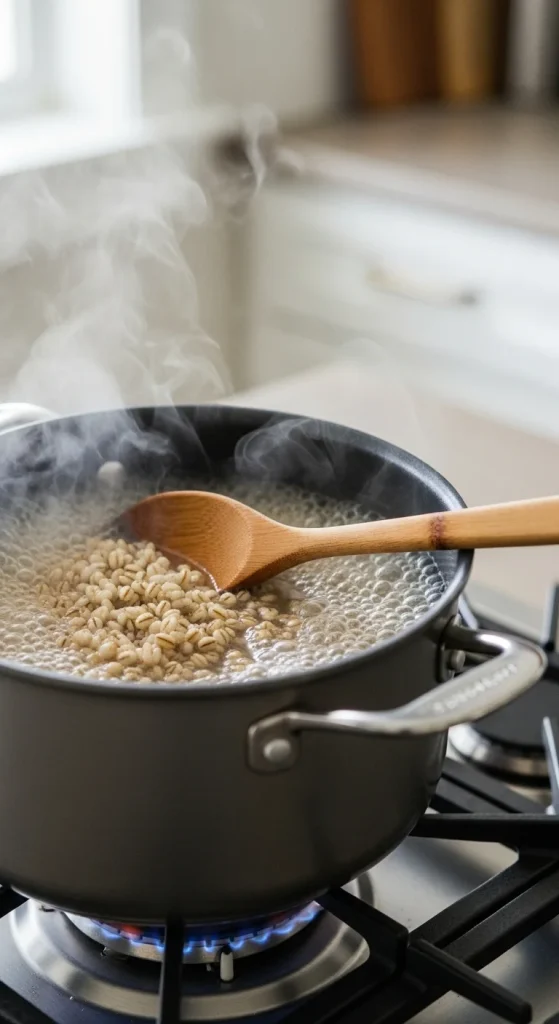
Bring to a boil, then reduce heat to low and cover. Cook until tender:
- Hulled barley: 45–60 minutes
- Pearl barley: 25–30 minutes
Pro Tip: Use vegetable or chicken broth instead of water for extra flavor.
If you prefer fluffier grains (not sticky), use a bit less water and let the barley absorb the liquid slowly.
Step 4: Drain, Fluff, and Rest
When the barley is cooked through — tender but still slightly chewy — drain off any excess liquid.
Then comes the secret to fluffiness:
- Let it rest for 10 minutes with the lid on.
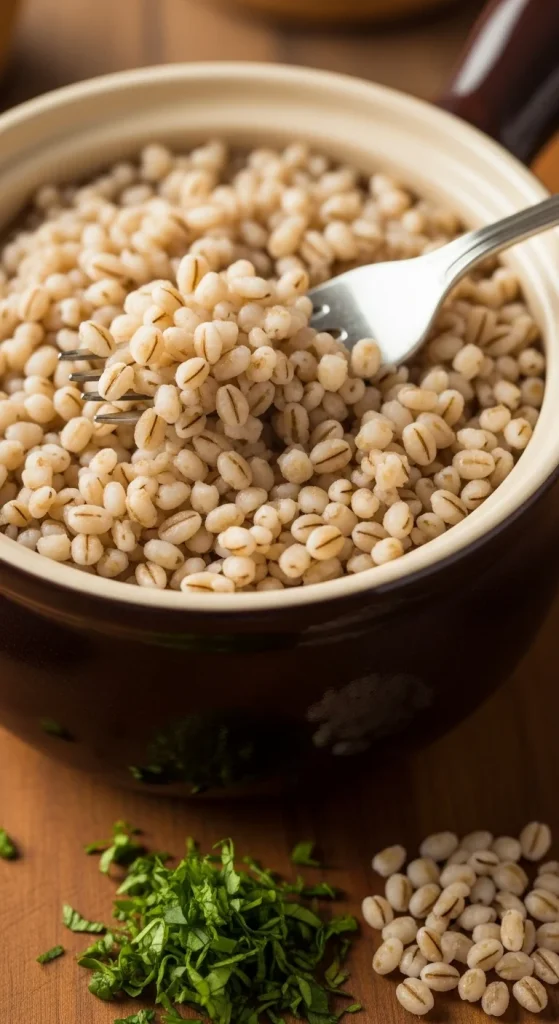
- Fluff gently with a fork, just like rice.
This helps the grains firm up and separate, giving you that perfect texture — soft yet springy.
Step 5: Customize Your Barley
Barley’s mild, nutty flavor means it plays well with almost anything. Once cooked, you can dress it up in countless ways:
Savory Ideas:
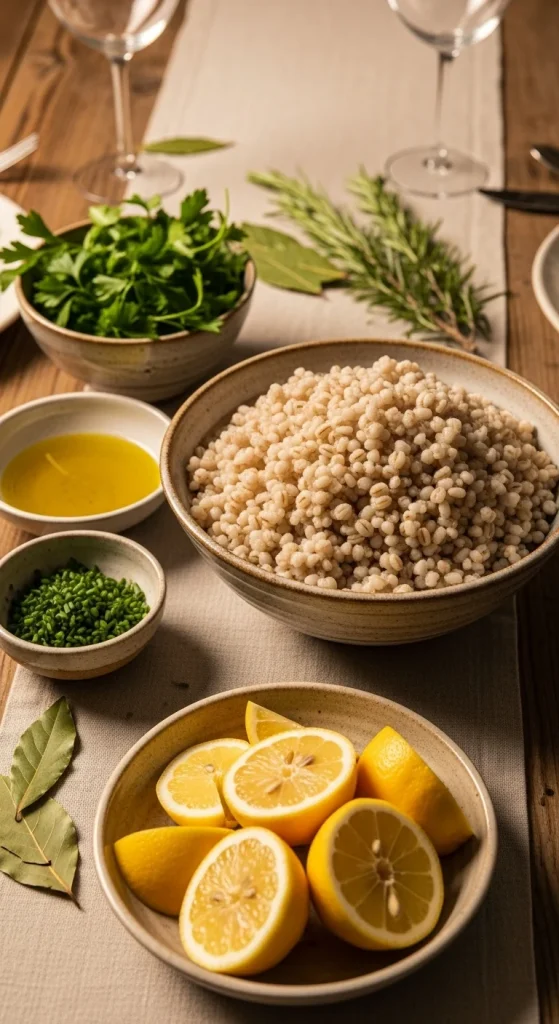
- Toss with olive oil, garlic, and fresh herbs for a simple side.
- Mix into soups or stews for a hearty, satisfying bite.
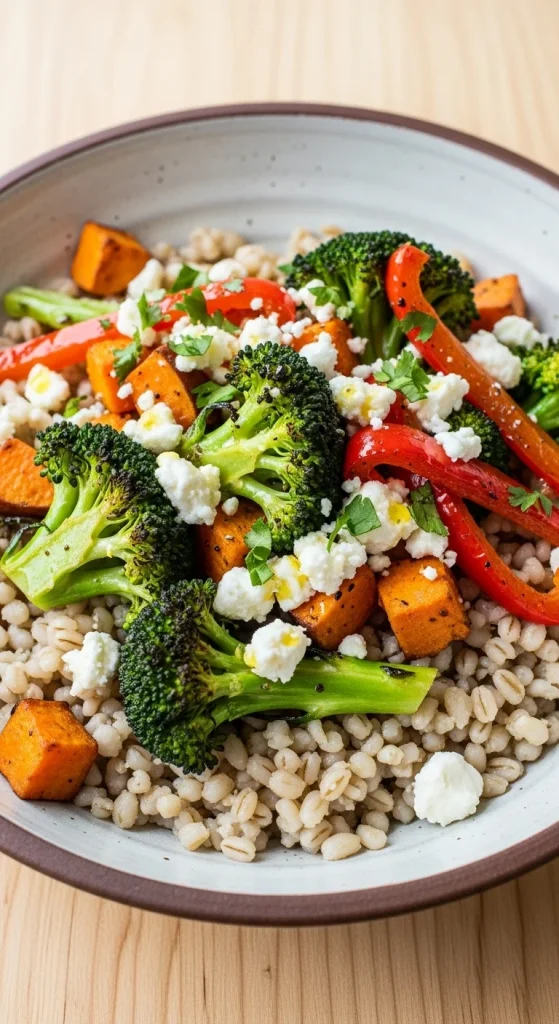
- Combine with roasted vegetables and feta for a Mediterranean-style salad.
Sweet Ideas:
- Drizzle with honey or maple syrup and top with berries for a wholesome breakfast.
- Add to warm milk with cinnamon and nuts for a creamy porridge twist.
Pro Tip: Barley absorbs flavors beautifully — so let it soak in dressings or sauces for a few minutes before serving.
Step 6: Store It Right
Cooked barley keeps well, making it perfect for meal prep.
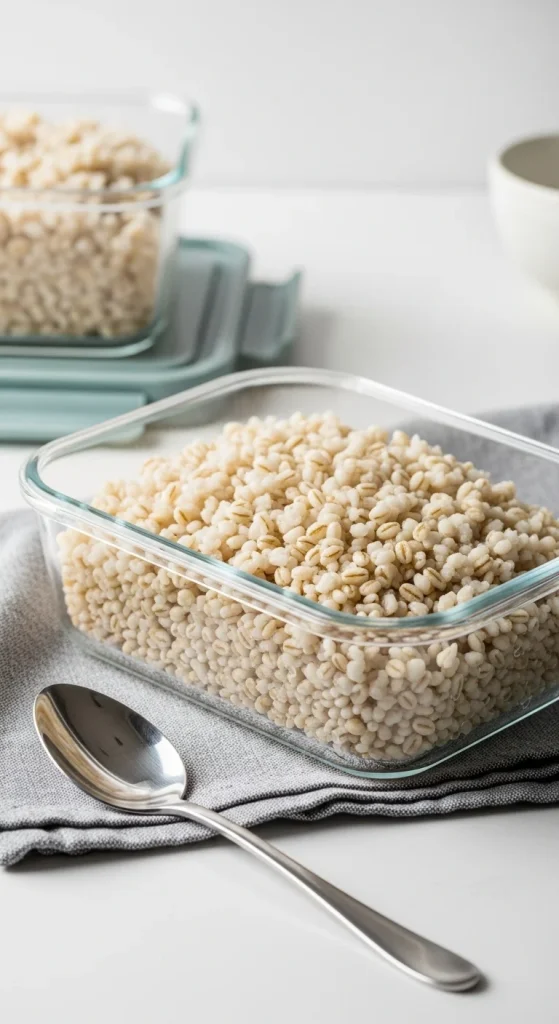
- In the fridge: Store in an airtight container for up to 4 days.
- In the freezer: Portion into freezer bags or containers; lasts up to 3 months.
To reheat, sprinkle a little water over the barley and microwave or steam until warm — it’ll taste as fresh as the day you made it.
Pro Tip: Always cool barley before storing to avoid sogginess or clumping.
Bonus: Quick Barley Cooking Hack
If you’re short on time, you can cook barley like pasta — boil it in plenty of salted water (about 6 cups per cup of barley) for 20–30 minutes, then drain and fluff.
It’s nearly foolproof and perfect for busy weeknights.
Final Bite
Cooking barley to perfection is all about balance — the right liquid ratio, gentle heat, and a bit of patience. Once you master it, you’ll have a grain that’s light, fluffy, nutty, and endlessly versatile.
So whether you’re adding it to soups, salads, or grain bowls, you’ll always end up with a wholesome dish that tastes like it came straight from a cozy farmhouse kitchen.
Save this recipe for later — your future grain bowls will thank you!

Hannah Collins is a passionate home cook and food storyteller who believes every recipe tells a little love story. At TastyWriter, she shares simple, delicious recipes made for real kitchens and busy days — from cozy comfort dishes to creative new favorites. When she’s not cooking, you’ll find her photographing food, testing family recipes, or sipping tea while dreaming up her next tasty idea.
Leave a Reply