

Kale has a reputation — and not always a good one. While it’s packed with nutrients, fiber, and antioxidants, many people avoid it because of its naturally bitter flavor and tough texture. But here’s the truth: when cooked right, kale is tender, vibrant, and downright delicious. Whether you’re tossing it in a salad, sautéing it, or baking it into crispy chips, you can make kale taste amazing with just a few easy tricks.
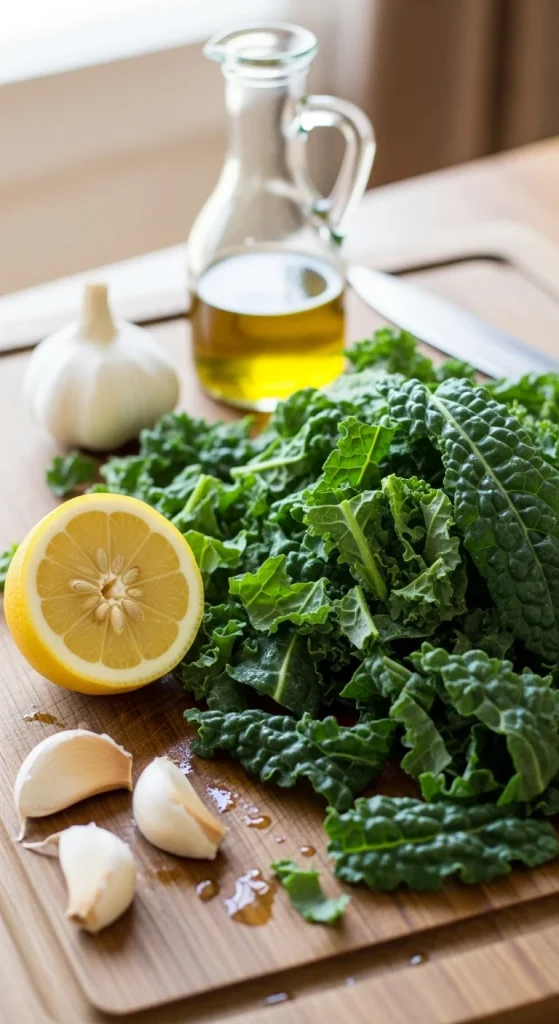
Step 1: Start with the Right Kale
Not all kale is created equal — and choosing the right type makes a huge difference in taste and texture.
The main varieties:
- Curly kale: The most common type, with frilly leaves and a stronger, slightly bitter flavor.
- Lacinato kale (aka Tuscan or dinosaur kale): Smoother leaves and a milder, earthier taste. Perfect for sautéing.
- Baby kale: Tender, mild, and ready to eat — ideal for salads.
Pro tip: For everyday cooking, Lacinato kale is your best friend. It’s easier to work with and less bitter than the curly kind.
Step 2: Prep Like a Pro
The biggest reason kale turns out bitter or tough? Skipping the prep. A few extra minutes here make all the difference.
1. Remove the stems
The thick center stem is fibrous and can make kale unpleasantly chewy. Simply fold each leaf in half and strip it away with your hands or a knife.
2. Rinse well
Dirt often hides in those curls and folds. Wash your kale thoroughly and pat it dry with a towel or salad spinner.
3. Cut it right
Chop kale into bite-sized pieces — smaller cuts mean quicker, more even cooking.
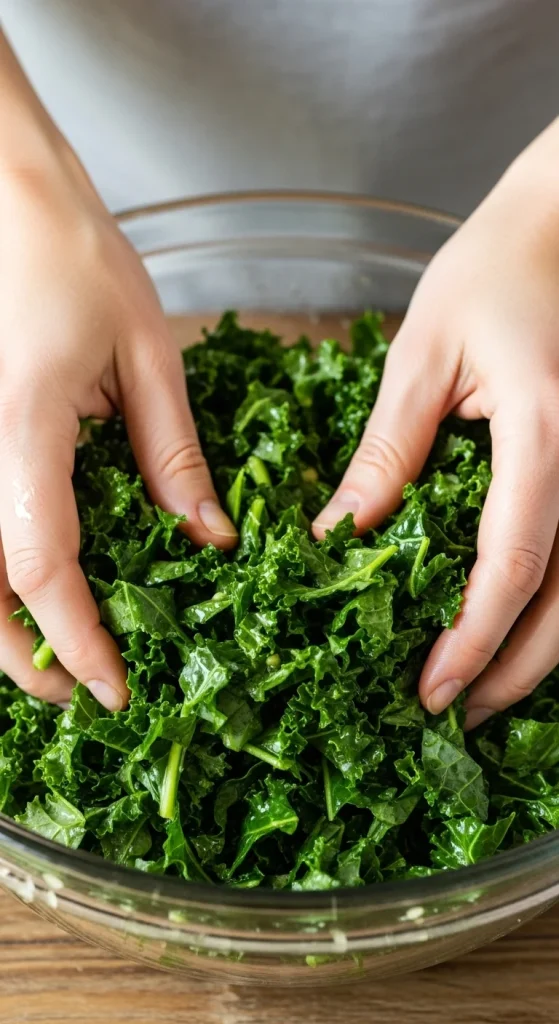
Pro tip: If you’re making raw kale salad, massage the leaves with olive oil, salt, and lemon juice for 1–2 minutes. It breaks down the fibers, softens the texture, and mellows the bitterness.
Step 3: Balance the Bitterness
Kale’s earthy flavor shines when you balance it with acidity, fat, or sweetness. Here’s how to do it like a chef:
- Acid: Lemon juice, balsamic vinegar, or apple cider vinegar cut through bitterness.
- Fat: Olive oil, butter, or avocado add richness and round out flavors.
- Sweetness: A drizzle of honey, maple syrup, or sautéed onions brings natural balance.
- Salt: Don’t be shy — salt helps mellow out strong greens and enhance flavor.
Pro tip: The perfect flavor combo? Olive oil + garlic + lemon juice. It’s simple, fast, and makes kale irresistible.
Step 4: Cook It the Right Way
Here are three foolproof methods that transform kale from bitter to delicious — depending on what kind of dish you’re making.
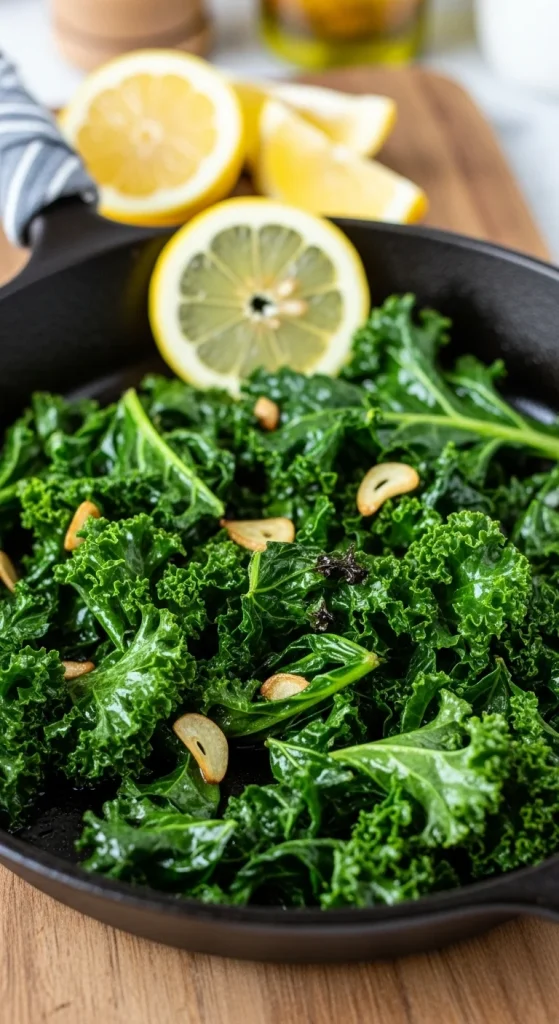
1. Sautéed Kale (Quick & Flavorful)
This is the easiest way to make kale taste great — perfect for weeknight dinners.
You’ll need:
- 1 bunch kale (stems removed, chopped)
- 1–2 tablespoons olive oil or butter
- 2 cloves garlic, minced
- Salt and pepper to taste
- A squeeze of lemon juice
Directions:
- Heat oil in a large pan over medium heat.
- Add garlic and cook for 30 seconds until fragrant.
- Add kale and toss with tongs until wilted (about 5 minutes).
- Finish with salt, pepper, and a squeeze of lemon juice.
Pro tip: Don’t overcook it! Kale should be bright green and tender, not mushy.
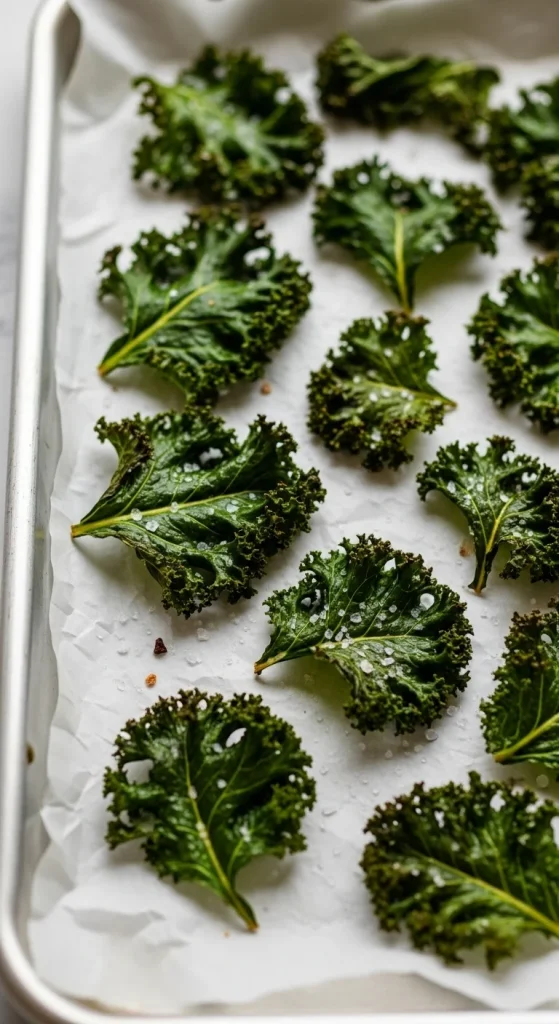
2. Oven-Baked Kale Chips (Crispy & Addictive)
Yes — kale can be crunchy, too. These chips make a healthy, salty snack that’s hard to stop eating.
You’ll need:
- 1 bunch kale (washed, dried, and torn into chip-size pieces)
- 1 tablespoon olive oil
- Salt to taste
Directions:
- Preheat oven to 300°F (150°C).
- Toss kale with olive oil and salt.
- Arrange in a single layer on a baking sheet.
- Bake for 15–20 minutes, flipping halfway, until crisp but not browned.
Flavor ideas: Sprinkle with parmesan, chili flakes, or garlic powder before baking for extra punch.
3. Blanched Kale (Perfect for Soups & Salads)
If you want tender kale without bitterness, blanching is your secret weapon.
How to do it:
- Bring a pot of salted water to a boil.
- Add kale leaves and cook for 2 minutes.
- Immediately transfer to a bowl of ice water to stop cooking.
- Drain and squeeze out excess water before using.
Blanching softens the texture and removes the harsh edge, making it ideal for soups, pasta, or grain bowls.
Pro tip: Toss blanched kale with olive oil, garlic, and a dash of red pepper flakes — quick and delicious.
Step 5: Pair Kale with the Right Foods
Kale is a team player — it shines when combined with complementary flavors.
Try these pairings:
- Sweet potatoes or roasted carrots – sweet and earthy contrast.
- Citrus or apples – adds brightness and crunch.
- Cheese (feta, parmesan, goat) – brings salty creaminess.
- Nuts or seeds – adds crunch and healthy fats.
- Protein: Pair with eggs, chicken, or chickpeas for a full meal.
Pro tip: Kale is amazing in pasta or grain bowls — toss it with quinoa, roasted veggies, and a lemon tahini dressing for a wholesome lunch.

The Final Forkful
Kale doesn’t have to be bitter or boring. With a few easy techniques — removing stems, balancing flavors, and cooking it just right — you can turn this powerhouse green into something everyone actually enjoys.
So grab a bunch of kale, heat up your pan, and give it the glow-up it deserves.

Hannah Collins is a passionate home cook and food storyteller who believes every recipe tells a little love story. At TastyWriter, she shares simple, delicious recipes made for real kitchens and busy days — from cozy comfort dishes to creative new favorites. When she’s not cooking, you’ll find her photographing food, testing family recipes, or sipping tea while dreaming up her next tasty idea.
Leave a Reply