

Noodles are one of the most versatile and comforting foods you can make at home. Whether you’re preparing a quick stir-fry, a bowl of ramen, or a simple noodle dish with sauce, perfectly cooked noodles make all the difference. When done right, they should be tender, smooth, and slightly springy—never mushy or stuck together.
The good news is that cooking noodles perfectly isn’t complicated. With a few simple techniques and the right timing, you can get restaurant-quality noodles every time.
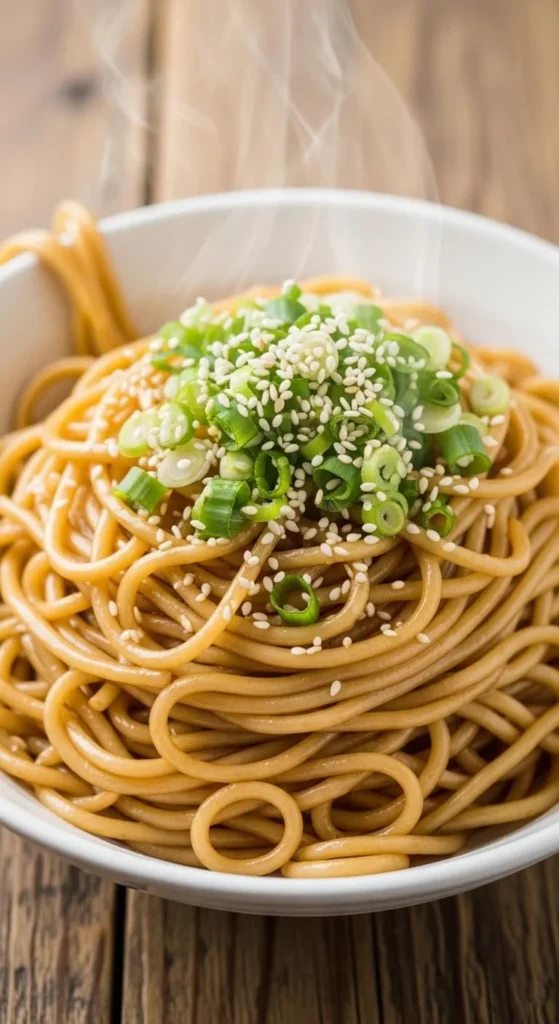
Let’s explore the key steps that help noodles turn out just right.
Choose the Right Type of Noodles
Different noodles cook differently, so choosing the right type is important.
Common varieties include:
- Egg noodles – rich flavor and slightly chewy
- Rice noodles – light and delicate
- Udon noodles – thick and soft
- Ramen noodles – springy texture
- Wheat noodles – great for stir-fries
Each noodle type has its own cooking time, so always check the package instructions.
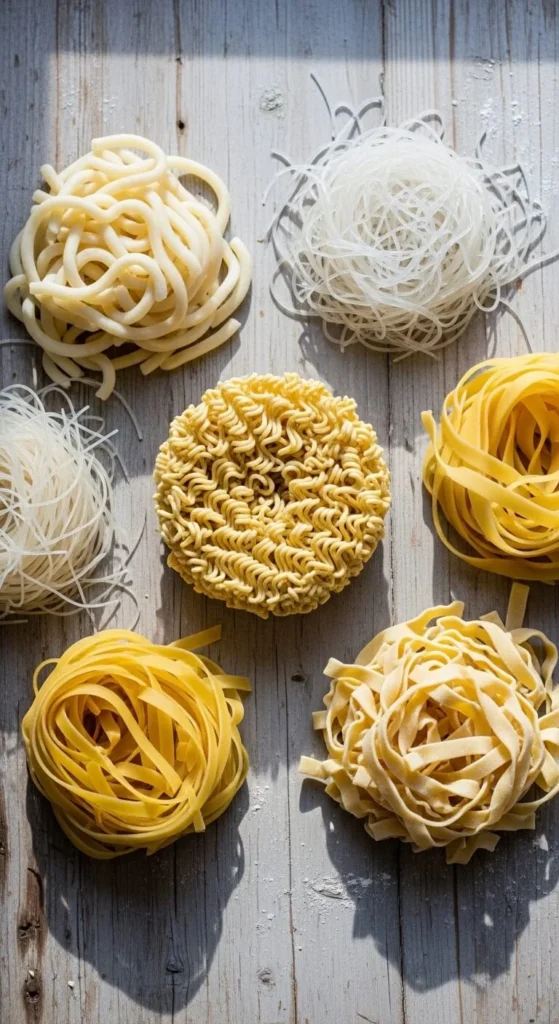
Knowing your noodle type helps prevent overcooking.
Use Plenty of Boiling Water
One of the biggest mistakes when cooking noodles is using too little water.
Noodles need room to move freely while cooking.
Follow these simple tips:
- Use a large pot
- Fill it with plenty of water
- Bring the water to a full boil before adding noodles
More water prevents noodles from sticking together.
It also helps them cook evenly.
Add Salt for Flavor
Salt is essential for flavorful noodles.
When the water begins to boil, add about 1 teaspoon of salt per liter of water.
This step seasons the noodles from the inside as they cook.
Unsalted water can leave noodles tasting bland, even when paired with sauce.
Salt enhances the natural flavor of the noodles.
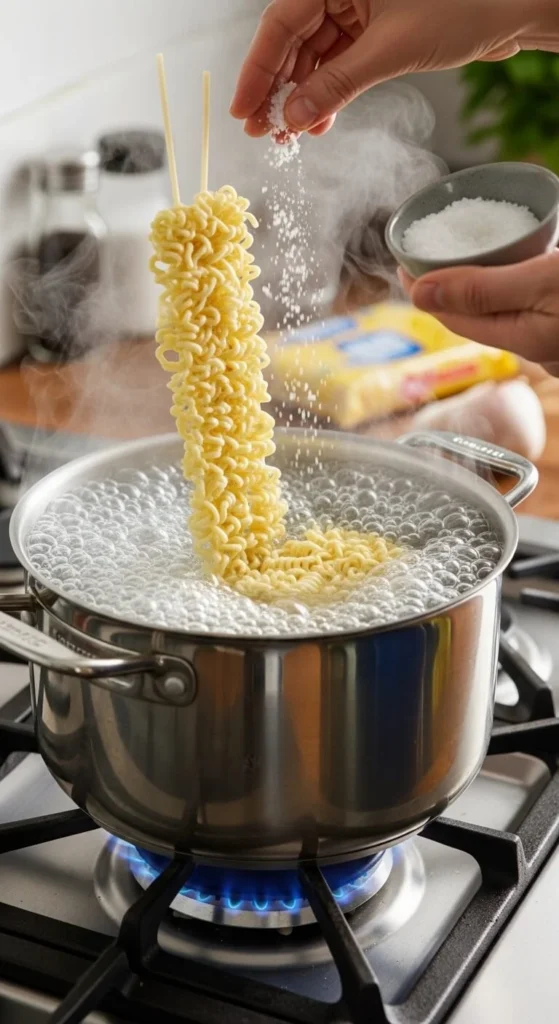
Once the water is salted, gently add the noodles.
Stir the Noodles Early
Right after adding noodles to the pot, stir them gently.
This prevents them from sticking together.
For the first minute of cooking:
- Stir occasionally
- Separate strands if needed
After that, the noodles usually cook freely in the water.
Skipping this step often leads to clumps.
Watch the Cooking Time Carefully
Timing is everything when cooking noodles.
Overcooked noodles become soft and mushy, while undercooked noodles remain tough.
Most noodles cook within 3–8 minutes, depending on thickness.
To test doneness:
- Take one noodle out of the pot
- Bite into it
- It should feel tender but slightly firm
This texture is often called al dente.
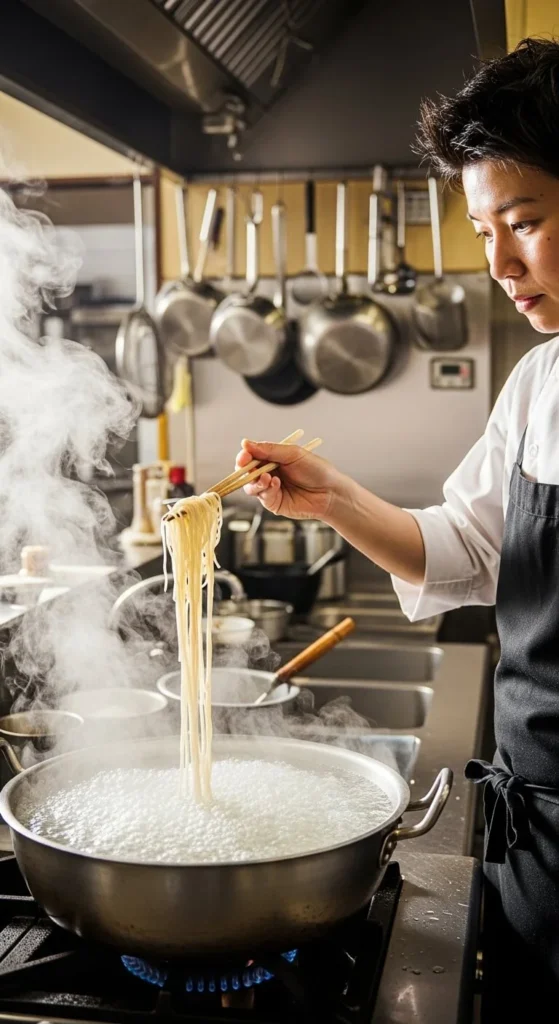
Perfectly cooked noodles should hold their shape without breaking apart.
Drain Noodles Properly
Once the noodles are cooked, drain them immediately.
Use a colander or strainer and allow excess water to drain off.
For most noodle dishes:
- Do not rinse the noodles
- Rinsing removes starch that helps sauce stick
However, if you’re making cold noodle dishes or salads, rinsing with cool water can stop the cooking process.
Toss With Sauce Quickly
Noodles taste best when combined with sauce right away.
If noodles sit too long after draining, they may stick together.
To prevent this:
- Add noodles directly to your sauce
- Toss gently to coat evenly
- Add a small splash of noodle cooking water if needed
The starch in the cooking water helps the sauce cling to the noodles.
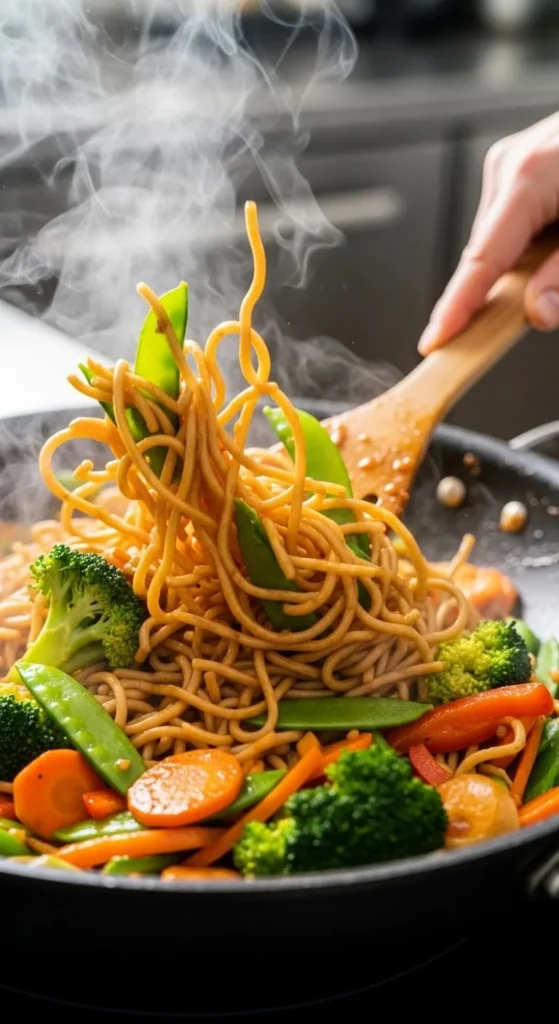
This step creates that smooth, glossy noodle texture.
Add Toppings for Extra Flavor
Once your noodles are perfectly cooked, it’s time to enhance them with toppings.
Popular noodle toppings include:
- Green onions
- Sesame seeds
- Chili flakes
- Soft-boiled eggs
- Fresh herbs
These ingredients add flavor, color, and texture.
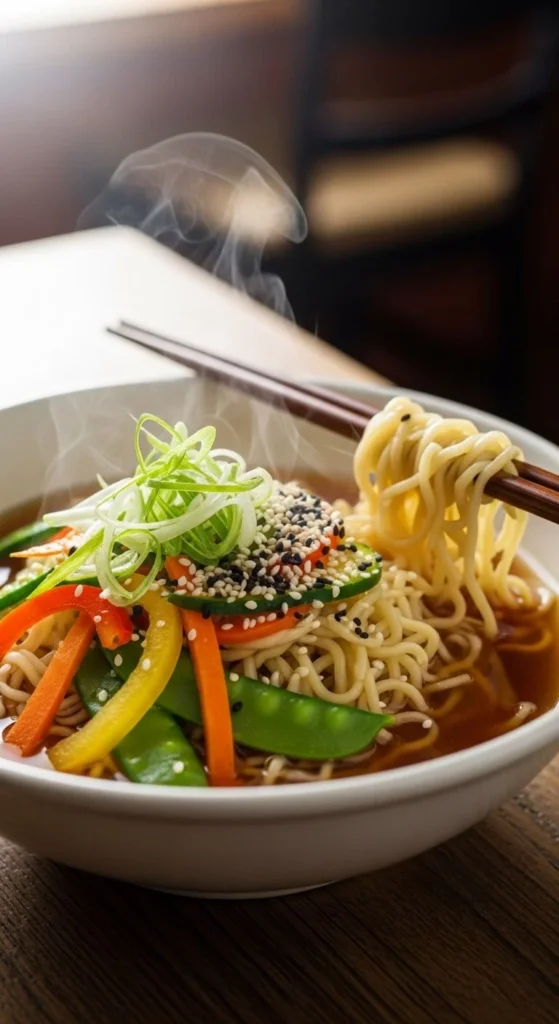
A simple garnish can transform noodles into a beautiful meal.
Avoid Common Noodle Mistakes
Even experienced cooks sometimes make small mistakes when cooking noodles.
Common issues include:
- Using too little water
- Overcooking the noodles
- Not stirring early
- Leaving noodles sitting too long after draining
Paying attention to these details helps ensure perfect results every time.
Why Perfect Noodles Matter
Noodles are often the foundation of many dishes.
When cooked properly, they:
- Absorb sauce better
- Maintain a pleasant texture
- Enhance the overall dish
Perfect noodles elevate everything from simple soups to complex stir-fries.
Final Thoughts
Cooking noodles perfectly is all about simple techniques: plenty of boiling water, proper seasoning, careful timing, and combining them with sauce immediately after draining. These small steps make a big difference in texture and flavor.
Once you master the basics, noodles become one of the easiest and most satisfying meals to prepare.
Save this guide for later and enjoy perfectly cooked noodles every time you step into the kitchen.

Hannah Collins is a passionate home cook and food storyteller who believes every recipe tells a little love story. At TastyWriter, she shares simple, delicious recipes made for real kitchens and busy days — from cozy comfort dishes to creative new favorites. When she’s not cooking, you’ll find her photographing food, testing family recipes, or sipping tea while dreaming up her next tasty idea.
Leave a Reply