

Peas are tiny, but they’re packed with flavor. When cooked right, they’re sweet, bright, and juicy.
When cooked wrong? They turn dull, mushy, and taste like they came from a cafeteria tray.
The good news: cooking peas perfectly is easy. You just need the right timing, heat, and a few simple tricks.
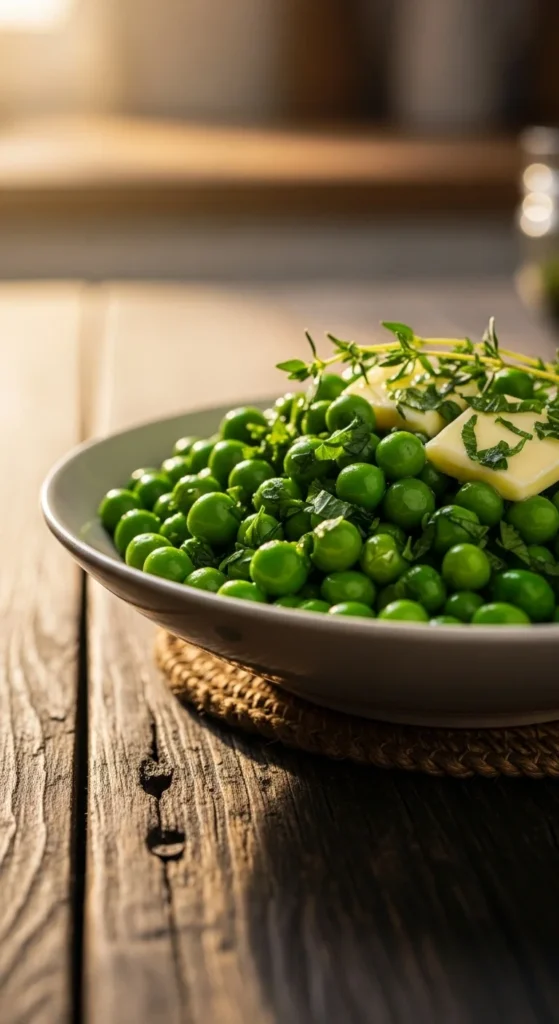
Let’s break down how to keep peas sweet, tender, and vibrant every time.
Fresh vs Frozen Peas: What’s Better?
First things first—what peas are you using?
Fresh peas
Fresh peas (especially spring peas) are incredibly sweet but delicate. They lose flavor quickly, so cook them as soon as possible after shelling.
Frozen peas
Surprisingly, frozen peas are often sweeter and better than fresh ones. They’re frozen at peak ripeness, locking in sugar and texture.
Bottom line:
- Use fresh peas when they’re in season.
- Use frozen peas the rest of the year (they’re fantastic).
Prep Matters: How to Handle Peas Before Cooking
Before you cook, a little prep goes a long way.
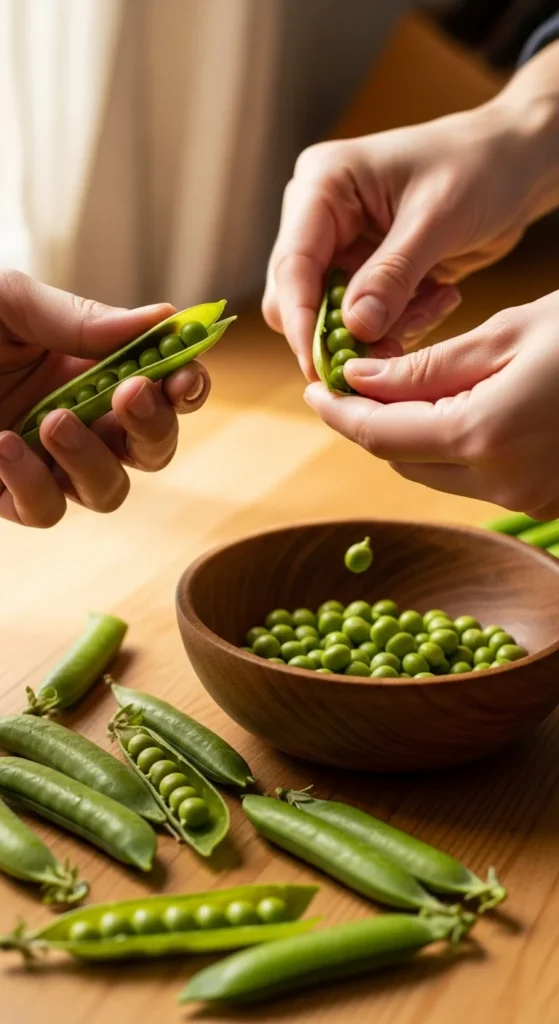
For fresh peas:
- Shell them right before cooking.
- Rinse gently in cold water.
- Pat dry to avoid watery cooking.
For frozen peas:
- No need to thaw (unless roasting).
- Just measure and add directly to the pan or pot.
The Golden Rule: Don’t Overcook Peas
Peas cook fast. Really fast.
Overcooking is the #1 reason peas lose sweetness and turn gray-green.
Cooking times to remember:
- Fresh peas: 2–4 minutes
- Frozen peas: 2–3 minutes
- Roasting peas: 8–12 minutes at high heat
As soon as they’re bright green and tender, they’re done.
Best Ways to Cook Peas (Step-by-Step)
1. Blanching (Perfect for Salads and Sides)
Blanching keeps peas bright and crisp.
How to do it:
- Bring a pot of salted water to a boil.
- Add peas and cook for 1–2 minutes.
- Drain and plunge into ice water.
- Drain again and toss with butter or olive oil.
This method locks in color and sweetness.
2. Sautéing (Best for Flavor)
Sautéing peas with butter or oil adds richness without overpowering them.
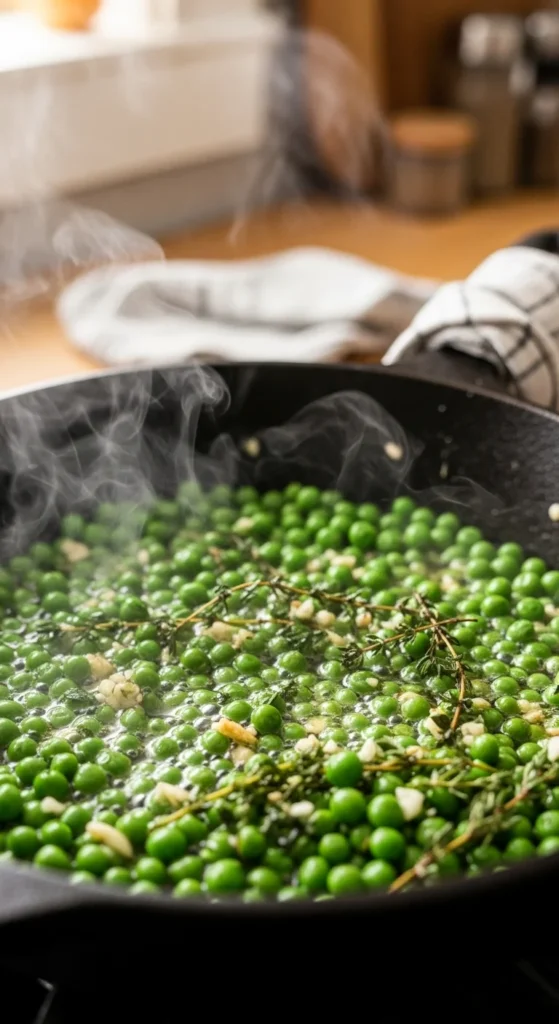
How to sauté peas:
- Heat butter or olive oil in a pan.
- Add garlic or shallots (optional).
- Toss peas in for 2–3 minutes.
- Season with salt, pepper, and lemon juice.
This is the easiest way to make peas taste gourmet.
3. Steaming (Gentle and Healthy)
Steaming keeps peas tender and juicy.
Steps:
- Place peas in a steamer basket over simmering water.
- Cover and steam for 2–3 minutes.
- Toss with butter, herbs, or a pinch of salt.
Steaming is great if you want pure pea flavor without extra fat.
4. Roasting (Surprisingly Delicious)
Roasting peas adds a slightly nutty flavor and crispy edges.
How to roast peas:
- Toss peas with olive oil and salt.
- Spread on a baking sheet.
- Roast at 425°F (220°C) for 8–12 minutes.
They’re perfect as a snack or salad topping.
Flavor Boosters That Keep Peas Sweet
Peas are naturally sweet, so you want to enhance—not overpower—that flavor.
Best flavor pairings:
- Butter or olive oil
- Lemon zest or juice
- Fresh herbs (mint, parsley, dill)
- Parmesan cheese
- A pinch of sugar (yes, really, if peas are older)
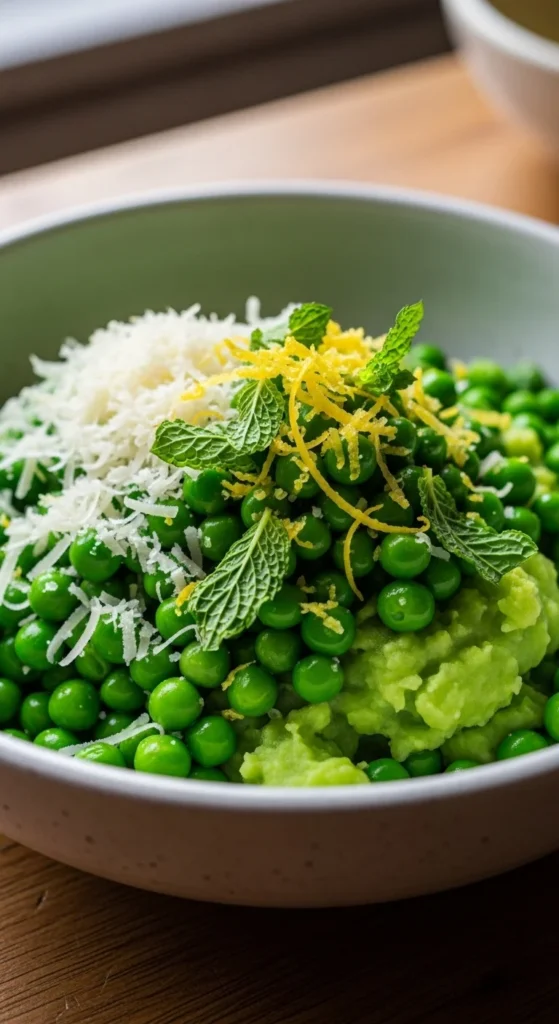
These ingredients highlight the sweetness instead of masking it.
Herbs That Make Peas Taste Like Spring
Herbs can transform simple peas into a fresh, vibrant dish.
Top herbs for peas:
- Mint (classic and refreshing)
- Dill (great with butter)
- Parsley (clean and bright)
- Basil (unexpected but delicious)
Add herbs after cooking so they stay fragrant and green.
The Acid Trick: Why Lemon Makes Peas Better
A tiny splash of acid makes peas pop.
Use:
- Lemon juice
- White wine vinegar
- Apple cider vinegar
Add it at the end—just a few drops. It balances sweetness and makes peas taste brighter and fresher.
Pea Cooking Mistakes to Avoid
Even simple peas can go wrong. Avoid these common mistakes:
- Overcooking: Turns peas mushy and dull.
- Too much water: Boils away flavor.
- Skipping salt: Salt brings out sweetness.
- Adding acid too early: Can dull color and slow cooking.
- Crowding the pan: Causes steaming instead of sautéing.
Keep it quick and simple.
Easy Pea Recipes to Try
Here are a few easy ways to use perfectly cooked peas:
Butter Peas with Herbs
- Sauté peas in butter, add mint and lemon juice.
Pea and Parmesan Bowl
- Toss peas with olive oil, Parmesan, and black pepper.
Pea Salad
- Blanched peas, feta, cucumber, and lemon dressing.
Creamy Pea Mash
- Blend peas with butter, garlic, and a splash of cream.
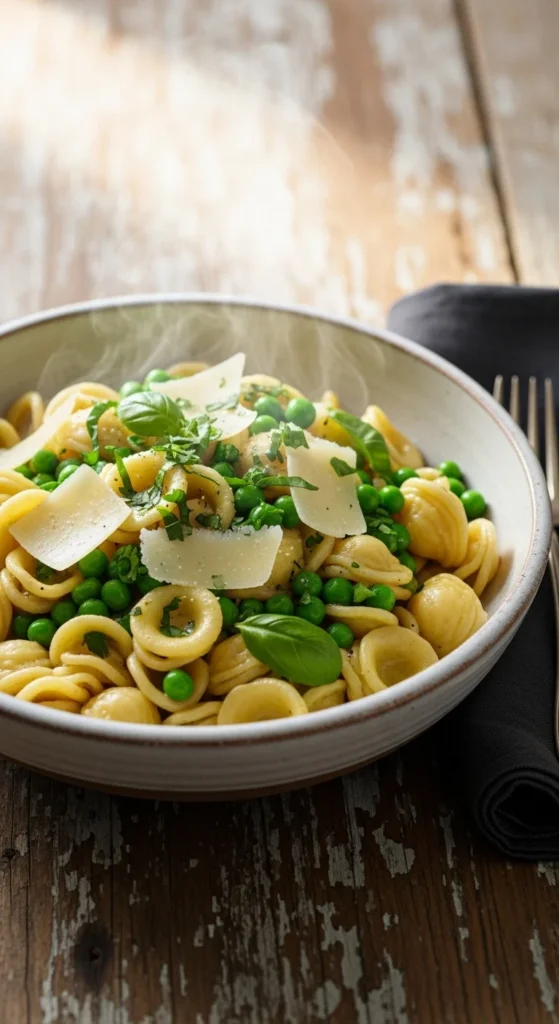
Pea Pasta
- Toss peas into pasta with olive oil, garlic, and cheese.
Pro Tips for Extra Sweet Peas
Want restaurant-level peas? Try these tricks:
- Add sugar to the boiling water if peas are older.
- Cook in small batches to maintain heat.
- Use high heat for sautéing to avoid soggy peas.
- Finish with butter for a silky texture.
- Season at the end for the freshest taste.
Tiny details make a big difference.
Final Takeaway
Peas don’t need fancy techniques to taste amazing. Keep them hot, quick, and simple. Use butter, herbs, and a splash of lemon. And most importantly—don’t overcook them.
When treated right, peas are sweet, tender, and one of the best spring side dishes you can make.
Save this guide for later and never serve bland peas again!
Hannah Collins is a passionate home cook and food storyteller who believes every recipe tells a little love story. At TastyWriter, she shares simple, delicious recipes made for real kitchens and busy days — from cozy comfort dishes to creative new favorites. When she’s not cooking, you’ll find her photographing food, testing family recipes, or sipping tea while dreaming up her next tasty idea.
Leave a Reply