

Rice should be simple — yet it trips up more home cooks than almost any other food. Sometimes it’s gummy. Sometimes it’s crunchy. Sometimes it clumps into a sticky brick you have to scrape out of the pot. But perfect rice isn’t magic. It’s method.
Imagine lifting the lid on a pot to reveal tender, fluffy grains that separate easily with a fork, steam rising gently, and not a single burnt spot at the bottom. That’s the goal — and it’s easier than you think.
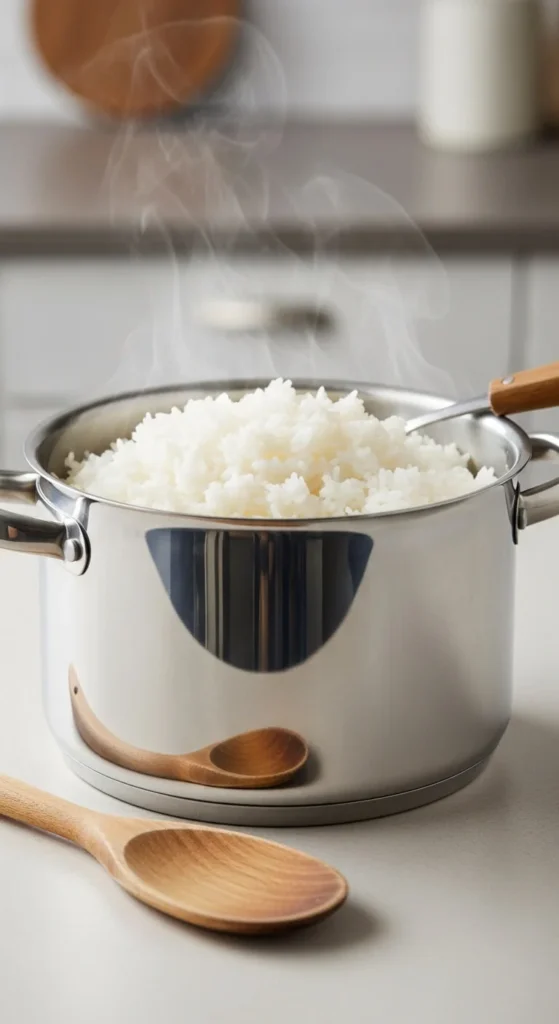
If you follow the steps below, you’ll cook light, fluffy, never-mushy rice — every single time. No guesswork. No stress.
Choose the Right Rice for Your Dish
Not all rice behaves the same. The type you pick changes everything.
Here’s a quick guide:
- Basmati — long, fluffy, and fragrant; great for curries and pilaf
- Jasmine — soft and slightly sticky; perfect for Asian dishes
- Short-grain — sticky and tender; best for sushi or risotto-style dishes
- Brown rice — nuttier and chewier; needs more water and time
If you want light, separate grains, basmati is your best friend. If you want creamy or sticky texture, go with jasmine or short-grain.
Pick your rice first. The method comes next.
Always Rinse the Rice
This step is non-negotiable.
Rice is coated with surface starch. If you skip rinsing, that starch makes your rice gluey and clumpy.
Here’s how to rinse properly:
- Place rice in a bowl or sieve.
- Add cold water and swirl with your hand.
- Drain and repeat until the water runs mostly clear.
You’ll see cloudy water at first — that’s the excess starch washing away.
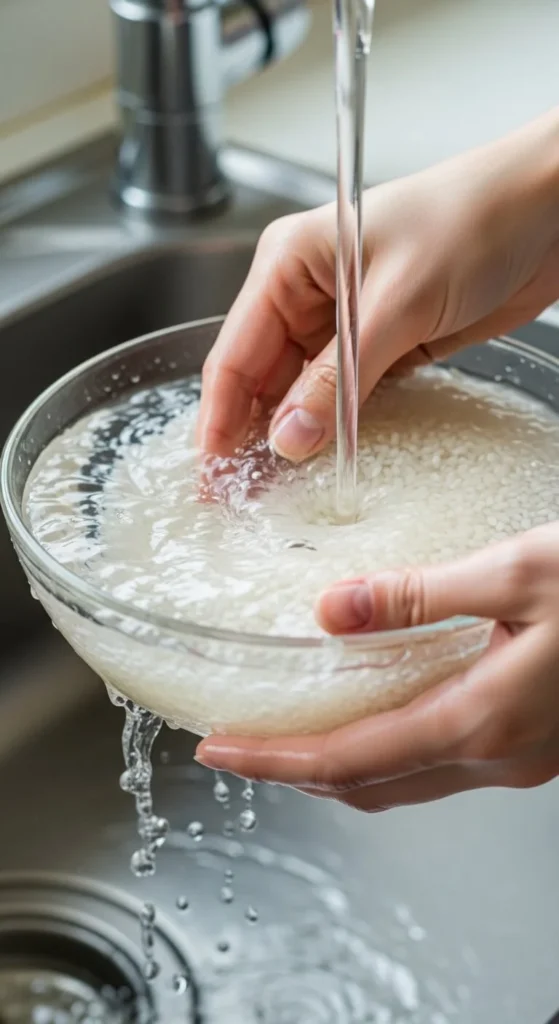
Rinsing takes two minutes. It makes a lifetime of difference.
Use the Right Rice-to-Water Ratio
This is the most important rule in rice cooking.
For white rice on the stove, use:
- 1 cup rice : 1½ cups water
For brown rice, use:
- 1 cup rice : 2 cups water
For basmati, many cooks prefer:
- 1 cup rice : 1¼ cups water
If you’re using a rice cooker, follow the cooker’s markings — but the same principles still apply.
Too much water = mushy rice.
Too little water = crunchy rice.
Measure carefully. Don’t eyeball it.
Bring to a Gentle Boil, Then Lower the Heat
Add rinsed rice and measured water to a pot. Add a pinch of salt.
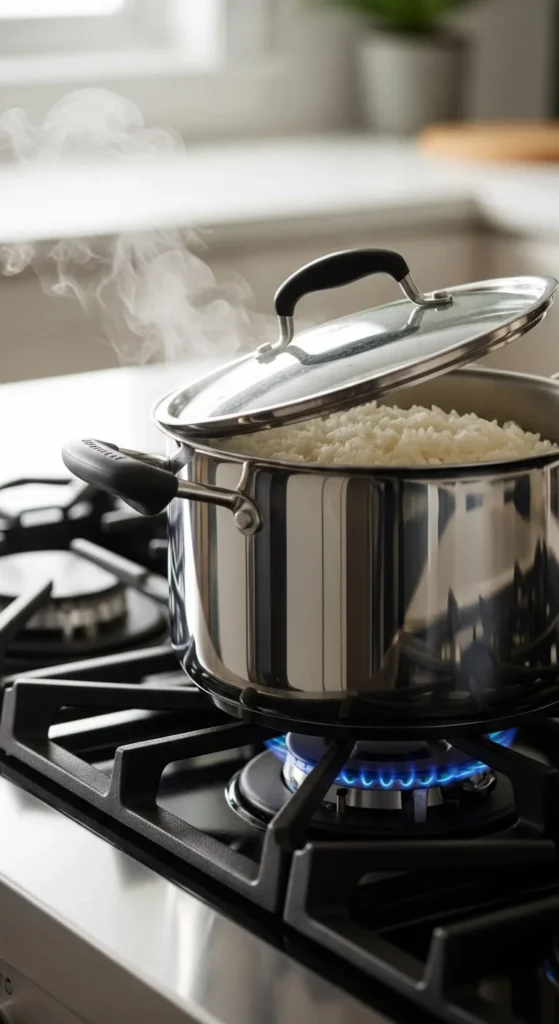
Turn the heat to medium and wait for a gentle boil. You’ll see bubbles around the edges.
Then — and this is crucial — reduce the heat to low, cover with a tight lid, and leave it alone.
No stirring. No peeking. No fiddling.
For white rice, cook 10–12 minutes.
For brown rice, cook 35–40 minutes.
Your job now is patience.
Let It Rest — Don’t Skip This
When the timer goes off, turn off the heat but keep the lid on for 10 minutes.
This resting time allows:
- Remaining steam to finish cooking the rice
- Moisture to distribute evenly
- Grains to firm up slightly so they don’t break
If you rush this step, your rice may turn soggy or uneven. Resting is part of the cooking process.
Fluff With a Fork, Not a Spoon
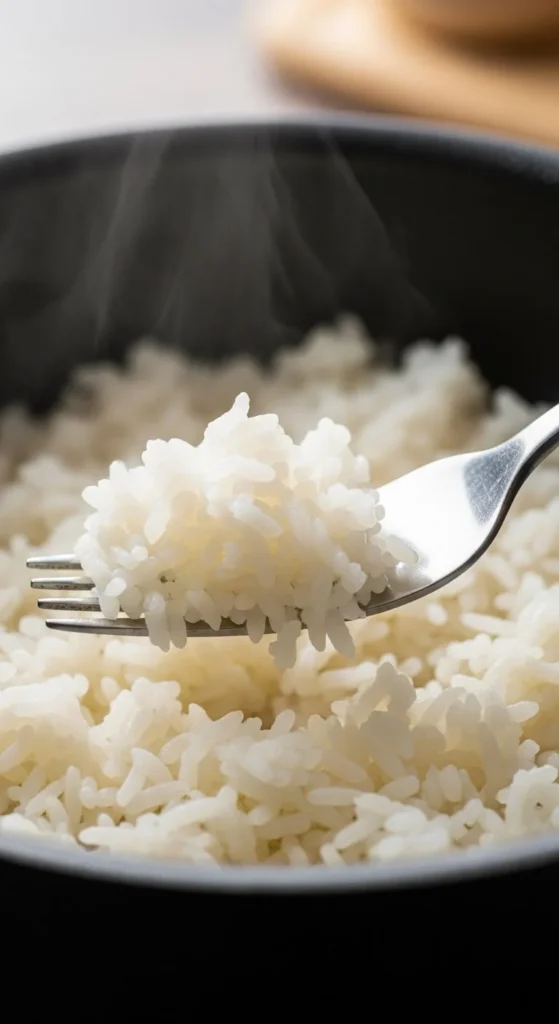
After resting, remove the lid and fluff the rice gently with a fork.
Why a fork?
- It separates grains without crushing them
- It releases trapped steam
- It keeps rice light and airy
A spoon tends to mash the rice together.
The Absorption Method vs. Boiling Method
There are two main ways to cook rice. Both work — but for different results.
Absorption Method (Best for Fluffy Rice)
This is what we’ve been describing so far:
- Measured water
- Simmer covered
- Let rice absorb all liquid
Best for basmati, jasmine, and everyday white rice.
Boiling Method (Like Pasta)
Here’s another option:
- Boil a large pot of salted water.
- Add rice and cook uncovered.
- Drain in a sieve when tender.
This method is forgiving and great for beginners, but you lose a bit of flavor unless you add butter or oil later.
Add Flavor Without Extra Effort
Plain rice is fine — but flavorful rice is better. Try these easy upgrades:
- Cook rice in broth instead of water
- Add a teaspoon of butter or oil to the pot
- Toss in a bay leaf or cinnamon stick
- Sprinkle in a pinch of turmeric or cumin
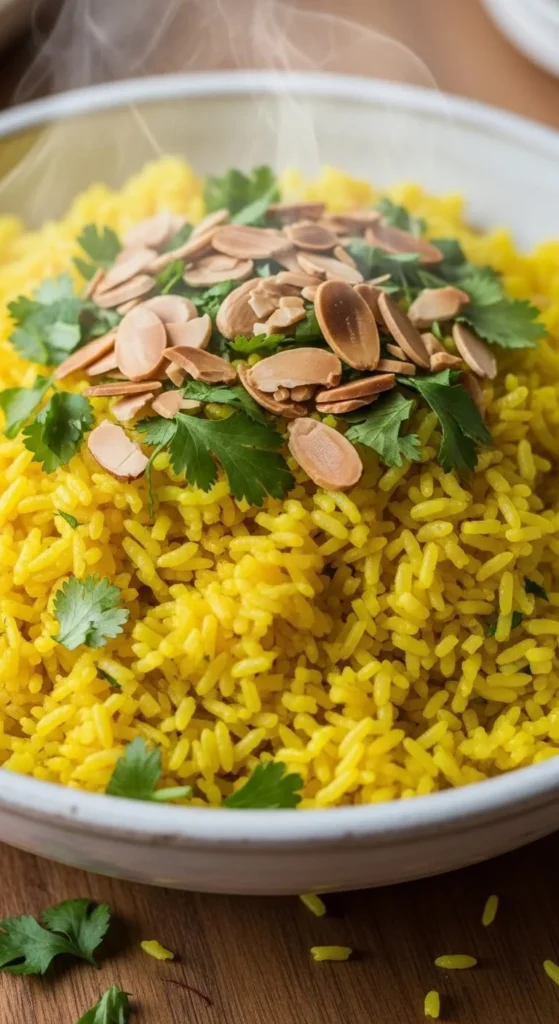
For special occasions, try saffron water for golden, aromatic rice.
Common Rice Mistakes (And How to Fix Them)
Rice is mushy
You used too much water or stirred too much. Next time, measure carefully and don’t stir.
Rice is crunchy
Not enough water or cooking time. Sprinkle a few tablespoons of water, cover, and steam for 5 more minutes.
Rice stuck to the bottom
Heat was too high. Always simmer gently on low.
Rice is bland
Add salt at the beginning or cook in broth next time.
Rice Cooker vs. Stovetop
Both work beautifully — if used correctly.
Rice cooker pros:
- Hands-off
- Consistent results
- Great for families
Stovetop pros:
- More control
- Better for small batches
- No extra appliance needed
If you cook rice often, a rice cooker is worth it. If not, the stovetop is perfect.
Make-Ahead and Reheating Tips
You can cook rice ahead of time and reheat it easily.
To store:
- Cool completely
- Keep in airtight container
- Refrigerate up to 4 days
To reheat:
- Sprinkle a little water
- Cover and microwave, or steam gently on the stove
Never leave cooked rice at room temperature for hours — bacteria can grow quickly.
Pair Perfect Rice With Anything
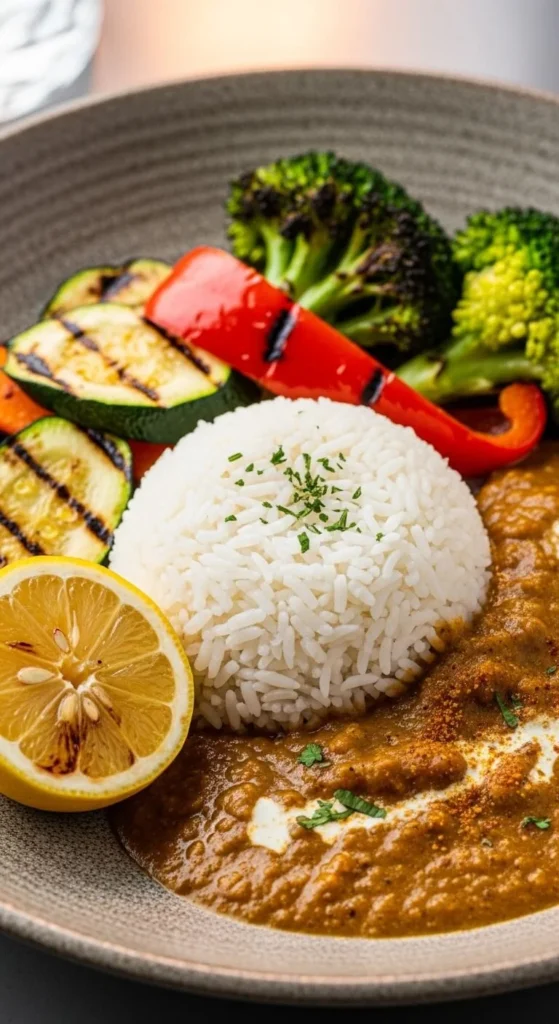
Once you master rice, you can pair it with:
- Curries
- Stir-fries
- Grilled vegetables
- Roasted chicken
- Lentils and beans
- Stews and soups
Great rice makes every meal better.
Final Takeaway
Perfect rice comes down to four things: rinse, measure, simmer gently, and rest. Get those right and you’ll never struggle with rice again.
Whether you’re cooking for yourself, your family, or guests, flawless rice is a skill that always impresses.
Love this method? Save this guide for later — and cook perfect rice every single time.

Hannah Collins is a passionate home cook and food storyteller who believes every recipe tells a little love story. At TastyWriter, she shares simple, delicious recipes made for real kitchens and busy days — from cozy comfort dishes to creative new favorites. When she’s not cooking, you’ll find her photographing food, testing family recipes, or sipping tea while dreaming up her next tasty idea.
Leave a Reply