

Cooking salmon perfectly can feel intimidating — it’s easy to undercook or overdo it. But once you learn the right technique, it becomes one of the easiest and most rewarding dishes to make. Whether you’re searing it on the stove, baking it in the oven, or grilling outdoors, perfectly cooked salmon is tender, moist, and full of flavor every single time.
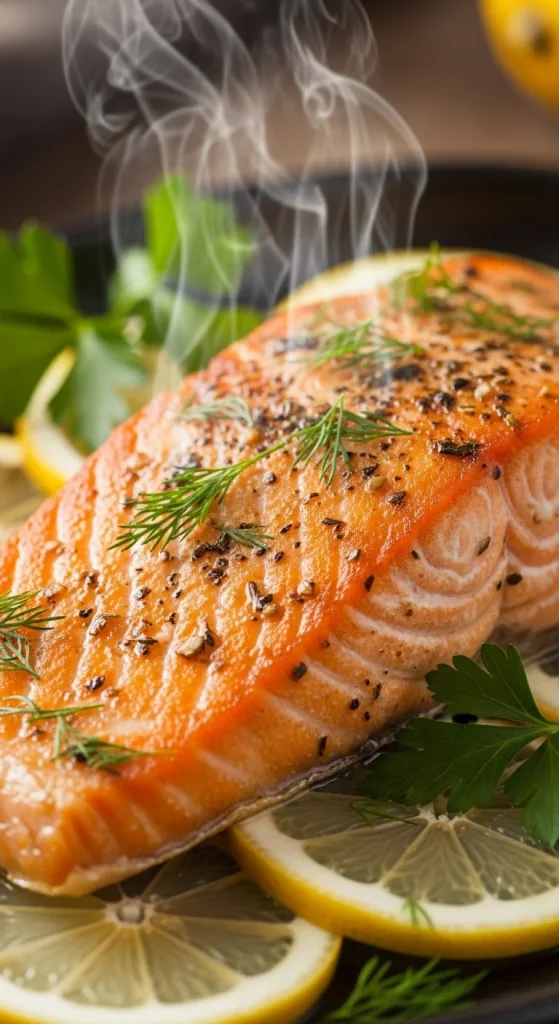
Start With the Right Salmon
The secret to great salmon starts before you even heat the pan.
- Choose the right cut: Fillets are best for pan-searing, while whole sides are ideal for baking or grilling.
- Wild vs. farmed: Wild salmon has a deeper flavor and firmer texture, while farmed salmon is richer and more buttery.
- Check freshness: Look for bright color, firm flesh, and a clean, ocean-like smell. Avoid dull or mushy pieces.
Before cooking, pat the salmon dry with paper towels. Moisture is the enemy of crispy skin and even cooking.
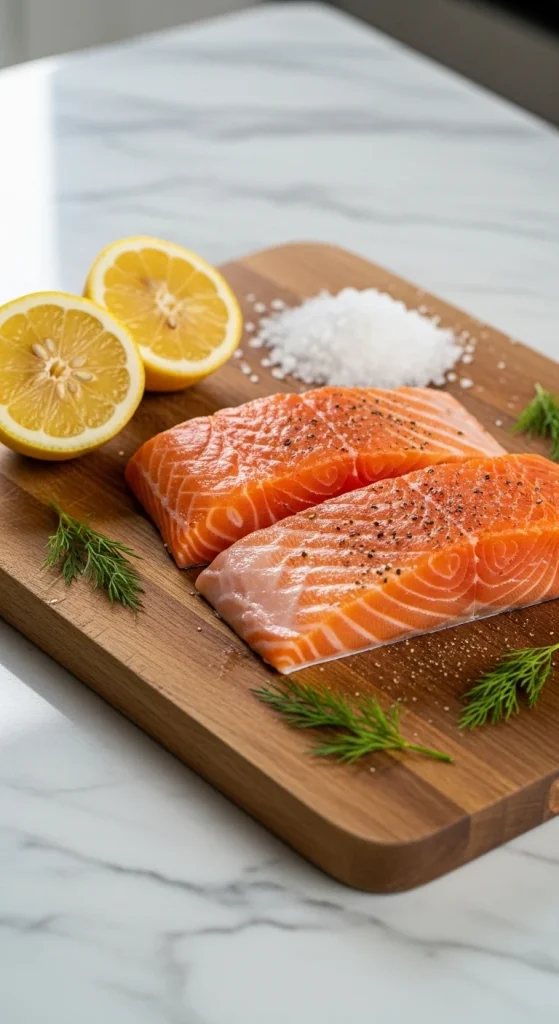
Step 1: Season Simply but Generously
Salmon doesn’t need much to taste amazing. A little seasoning brings out its natural richness.
- Brush lightly with olive oil or melted butter.
- Sprinkle with salt and pepper.
- Add your favorite extras — garlic powder, paprika, or a squeeze of lemon juice.
If you want extra flavor, marinate the fish for 15–30 minutes with soy sauce, honey, garlic, and a hint of ginger.
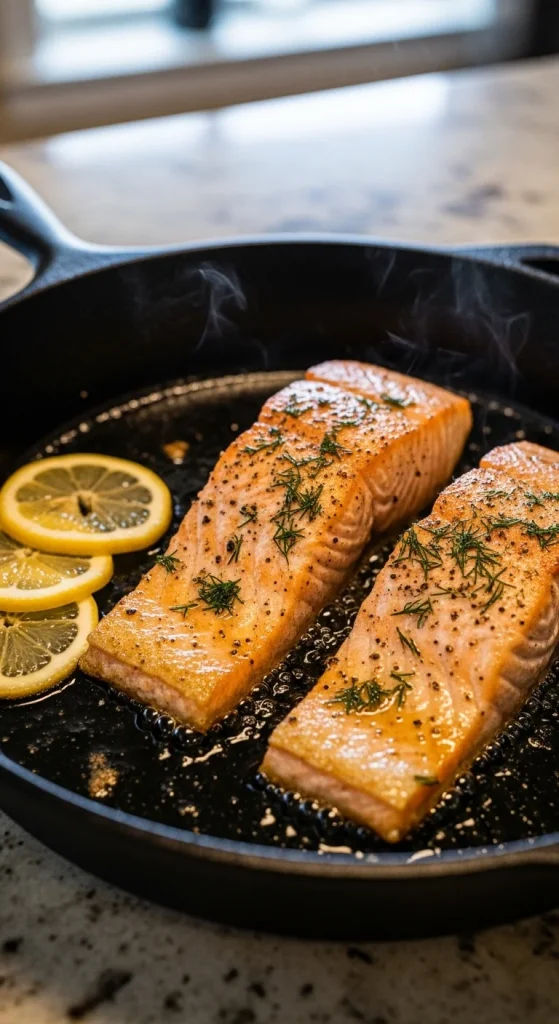
Step 2: Pan-Sear for Crispy Perfection
One of the quickest ways to cook salmon — and get that irresistible crispy skin — is to pan-sear it.
- Heat a tablespoon of oil in a skillet over medium-high heat.
- Place the salmon skin-side down and press gently with a spatula to keep it flat.
- Cook for 4–5 minutes without moving it. The skin should become golden and crisp.
- Flip and cook another 2–3 minutes until the center is just opaque.
Pro tip: The salmon will release from the pan easily when it’s ready to flip. Don’t force it — that’s how you keep the skin intact and beautiful.
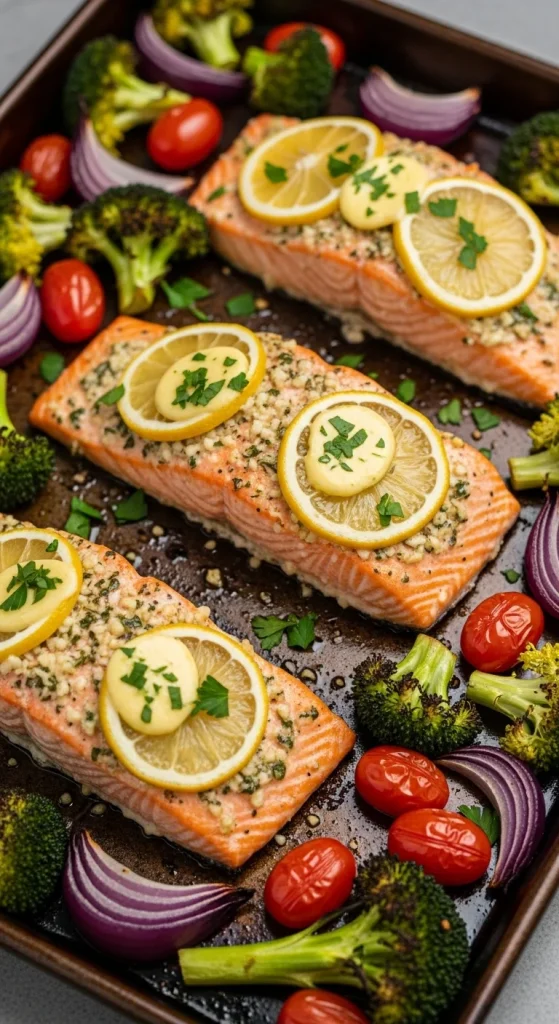
Step 3: Bake for Effortless, Even Cooking
If you’re cooking for a crowd or want hands-free simplicity, baking is your best friend.
- Preheat your oven to 400°F (200°C).
- Line a baking sheet with foil or parchment paper.
- Place salmon fillets skin-side down, drizzle with olive oil, and season.
- Bake for 10–12 minutes for individual fillets or up to 20 minutes for a large piece.
You’ll know it’s done when the fish flakes easily with a fork and looks slightly translucent in the center. Overcooked salmon becomes dry fast, so keep an eye on it during the last few minutes.
Flavor idea: Top your salmon with lemon slices, garlic butter, or a honey-soy glaze before baking.
Step 4: Try Grilling for Smoky, Charred Flavor
Grilling gives salmon a smoky edge that pairs beautifully with its natural richness.
- Preheat the grill to medium-high and brush the grates with oil.
- Place the fillets skin-side down and cook for 5–6 minutes.
- Flip gently and grill for another 3–4 minutes.
To prevent sticking, make sure your grill is hot and your fish is dry. You can also grill salmon on foil to keep it from breaking apart.
Step 5: Rest, Then Serve
Just like steak, salmon benefits from a short rest after cooking. Let it sit for about 2–3 minutes before serving. This helps the juices redistribute, keeping the fish tender and moist.
Then, serve it your way:
- With roasted potatoes and asparagus for dinner.
- Over a salad for a light lunch.
- Or flaked into rice bowls and pasta for something quick and wholesome.
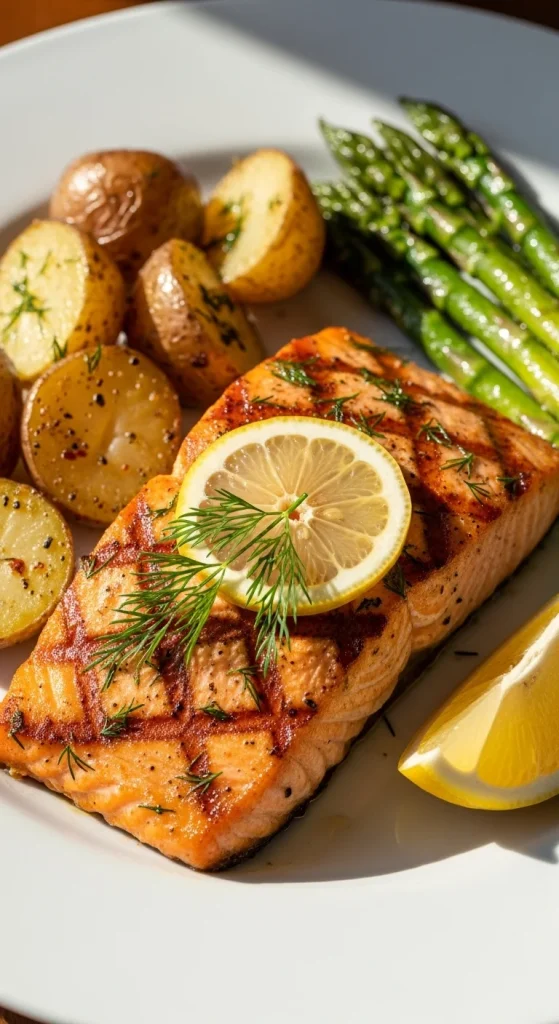
Bonus Tips for Flawless Salmon
- Don’t overcook it: The center should be slightly translucent when you take it off the heat — it’ll finish cooking as it rests.
- Use a thermometer: Perfect salmon hits about 125°F (52°C) internally.
- Crispy skin trick: Make sure the fish is completely dry before it hits the pan or grill.
- Flavor boosters: Try topping it with herb butter, pesto, or a drizzle of teriyaki glaze.
The Takeaway
Cooking salmon flawlessly is all about balance — a hot pan, the right timing, and a touch of seasoning. Once you master these basics, you’ll never overthink dinner again.
Crispy on the outside, tender inside, and bursting with flavor — that’s salmon done right.
Save this guide for your next dinner night — and get ready for compliments at the table!
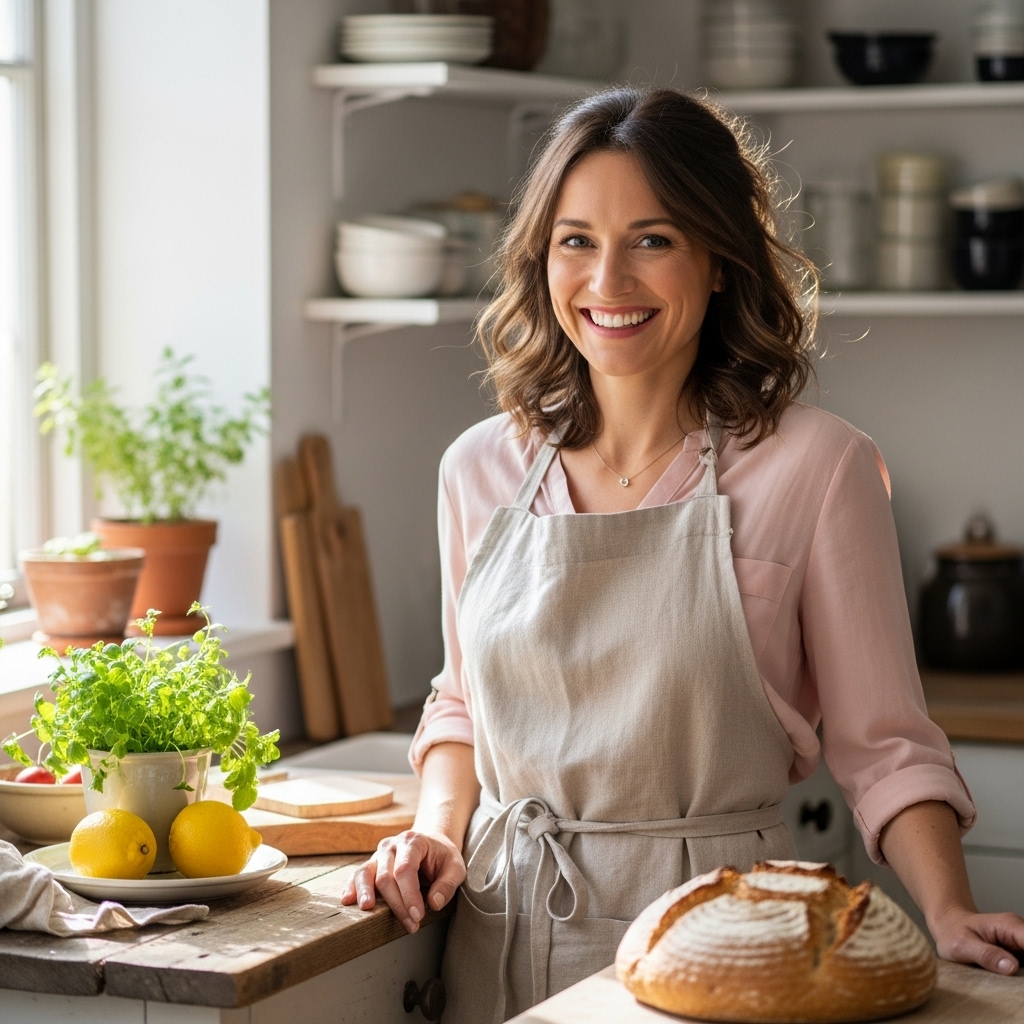
Hannah Collins is a passionate home cook and food storyteller who believes every recipe tells a little love story. At TastyWriter, she shares simple, delicious recipes made for real kitchens and busy days — from cozy comfort dishes to creative new favorites. When she’s not cooking, you’ll find her photographing food, testing family recipes, or sipping tea while dreaming up her next tasty idea.
Leave a Reply