

Spring greens are everywhere this time of year. Spinach, kale, chard, mustard greens, beet greens. They look vibrant and healthy, yet somehow they often end up tasting sharp, harsh, or flat once cooked. If you’ve ever taken a bite and thought, “Why is this so bitter?”, you’re not alone. The issue usually isn’t the greens themselves. It’s how they’re handled.
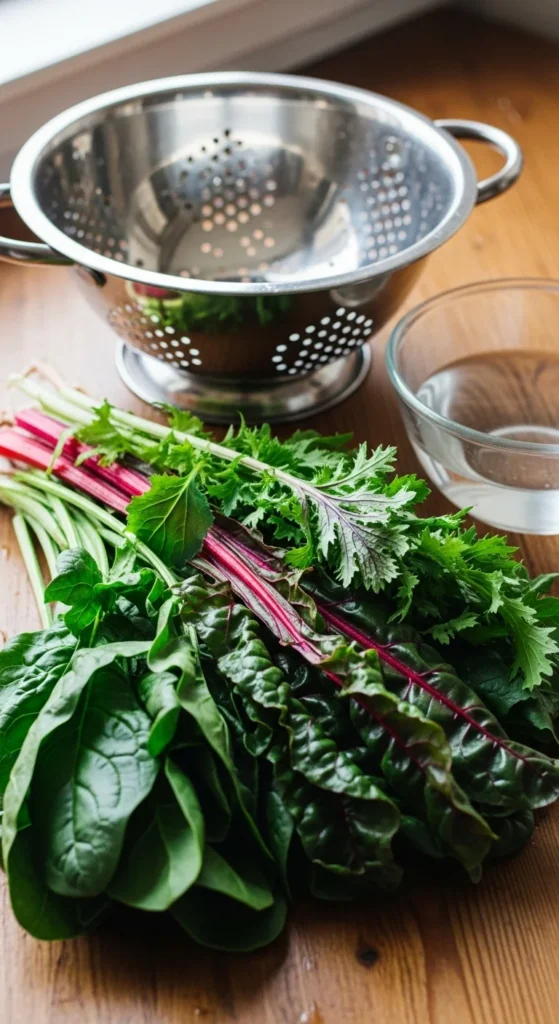
This guide breaks down simple, reliable ways to cook spring greens so they stay balanced, tender, and pleasant to eat—without complicated steps or special ingredients.
Understand Why Spring Greens Taste Bitter
Bitterness is natural in many leafy greens. It’s stronger in younger leaves and certain varieties, especially mustard greens and mature kale. Cooking can either soften that bitterness or make it worse.
Common causes of bitter greens:
- Overcooking
- Cooking without enough fat
- No salt or acid
- Using high heat for too long
- Skipping prep steps
The goal is not to remove bitterness completely. A little bitterness adds character. You just want it balanced.
Start with Proper Washing and Prep
This step matters more than most people think.
Spring greens often hold grit and dirt. If they aren’t cleaned properly, they taste muddy or sharp.
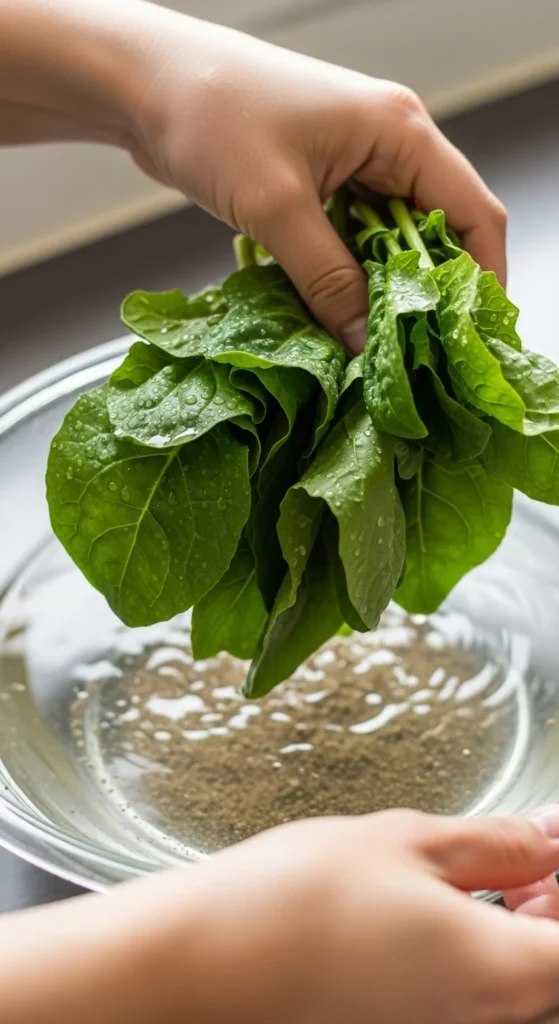
How to prep greens the right way:
- Separate leaves from thick stems
- Soak leaves in a bowl of cold water
- Swirl gently and let dirt sink
- Lift leaves out instead of dumping water
- Dry well using a towel or spinner
Trim with intention:
- Remove thick stems from kale and chard
- Chop stems separately and cook them first
- Tear leaves instead of chopping when possible
Dry greens cook better. Wet greens steam and release bitterness faster.
Use the Right Cooking Method for Each Green
Not all greens want the same treatment.
Tender greens like spinach and beet greens:
- Cook very fast
- Sauté or wilt gently
- Add near the end of cooking
Heartier greens like kale, chard, and collards:
- Need more time
- Benefit from blanching or longer sautéing
- Respond well to moisture plus fat
Avoid blasting greens on high heat without oil. That almost always brings out harsh flavours.
Blanching Is the Secret Weapon for Bitter Greens
Blanching is one of the easiest ways to reduce bitterness without killing flavour.
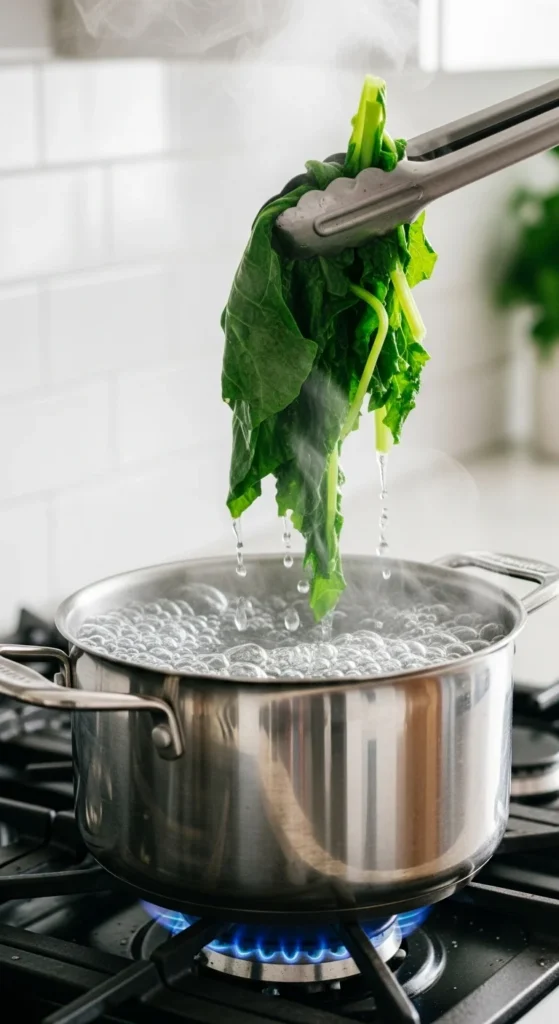
How to blanch greens:
- Bring a pot of salted water to a boil
- Add greens for 30 seconds to 2 minutes
- Drain and rinse under cold water
- Squeeze out excess moisture
Why this works:
- Salted water softens bitterness
- Short cooking time keeps colour
- Cold water stops overcooking
After blanching, greens are ready for:
- Quick sautéing
- Stirring into soups
- Adding to pasta or grain bowls
This method is especially helpful for mustard greens or older kale.
Always Cook Greens with Fat
Fat is not optional when cooking spring greens. It balances bitterness and helps flavours carry.
Good options:
- Olive oil
- Butter
- Ghee
- Sesame oil
- Bacon fat (if you use it)
Use enough fat to coat the greens lightly. Dry cooking makes bitterness more noticeable.
Simple sauté method:
- Warm oil in a pan
- Add garlic or onion first
- Add greens
- Toss until just wilted
- Season and finish
Fat plus aromatics equals smoother flavour.
Salt Early, Acid Late
Seasoning timing changes everything.
Salt:
- Add a small amount during cooking
- Helps soften greens
- Brings out natural sweetness
Acid:
- Add at the end
- Balances bitterness
- Brightens flavour
Good acidic finishes:
- Lemon juice
- Vinegar
- Splash of pickle brine
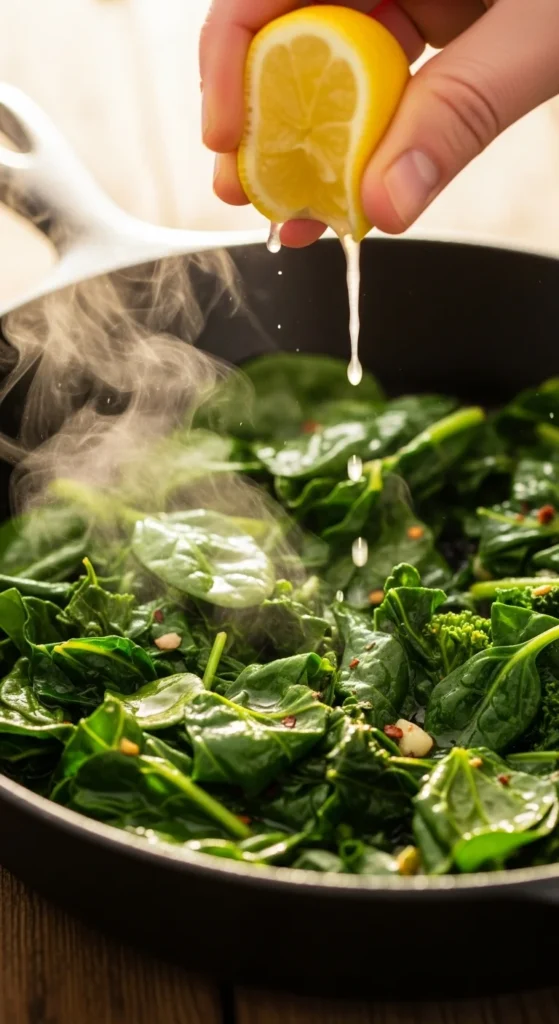
If greens taste sharp, try acid before adding more salt or fat.
Pair Greens with Sweet or Savory Ingredients
Bitterness fades when greens are paired well.
Sweet balance ideas:
- Caramelised onions
- Roasted carrots
- Sweet potatoes
- A pinch of sugar or honey
Savory balance ideas:
- Garlic
- Mushrooms
- Soy sauce
- Anchovies or miso
You don’t need much. Even a small amount changes the whole dish.
Examples:
- Kale sautéed with onions and garlic
- Spinach stirred into pasta with cheese
- Chard cooked with mushrooms and olive oil
Avoid These Common Mistakes
If your greens often turn bitter, one of these is usually the reason.
Avoid:
- Cooking greens straight from the fridge in a cold pan
- Skipping salt
- Overcrowding the pan
- Cooking too long
- Serving without acid or fat
Greens cook quickly. Stay close to the stove.
Easy Serving Ideas That Keep Greens Balanced
Once cooked properly, spring greens fit into many meals.
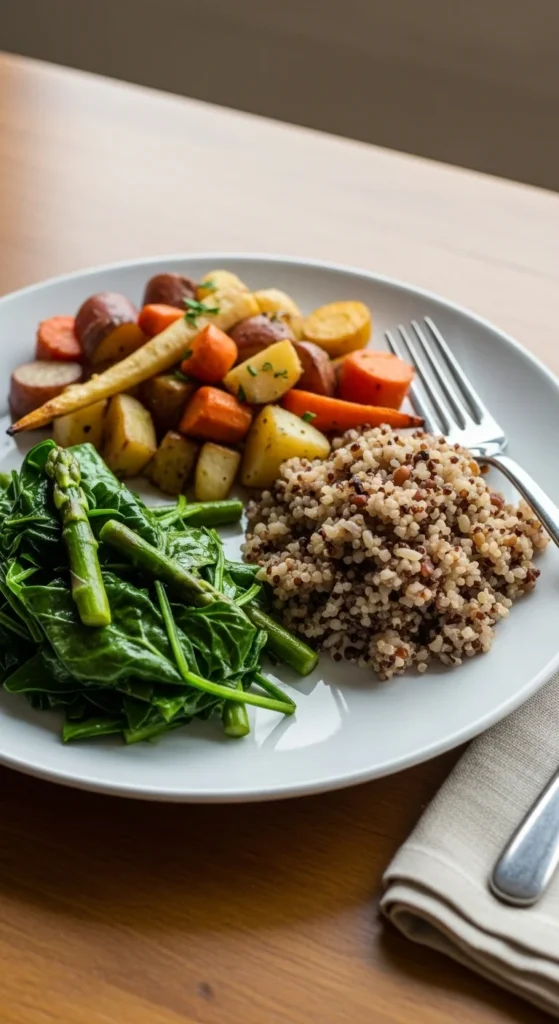
Try them:
- Folded into pasta
- On toast with olive oil
- Mixed into rice or quinoa
- Added to omelettes or tofu scrambles
- Served as a side with lemon
Leftover greens keep well for one to two days and taste best reheated gently.
Final Takeaway
Spring greens don’t have to taste bitter or harsh. With the right prep, the right cooking method, and a few smart finishing touches, they turn tender, balanced, and enjoyable. Remember the basics: wash well, cook with fat, season properly, and finish with acid.
Save this guide for later, and the next time you cook spring greens, you’ll know exactly how to make them taste right.

Hannah Collins is a passionate home cook and food storyteller who believes every recipe tells a little love story. At TastyWriter, she shares simple, delicious recipes made for real kitchens and busy days — from cozy comfort dishes to creative new favorites. When she’s not cooking, you’ll find her photographing food, testing family recipes, or sipping tea while dreaming up her next tasty idea.
Leave a Reply