

Spring greens are tender, bright, and full of flavor, but they can be tricky if you treat them like hearty winter vegetables. Cook them too long and they wilt into bitterness. Skip cooking entirely and some can feel tough or sharp. The good news is that spring greens shine when handled gently and with intention.
This guide shows you how to cook spring greens just enough to make them perfect for fresh, balanced salads that taste light, clean, and seasonal.
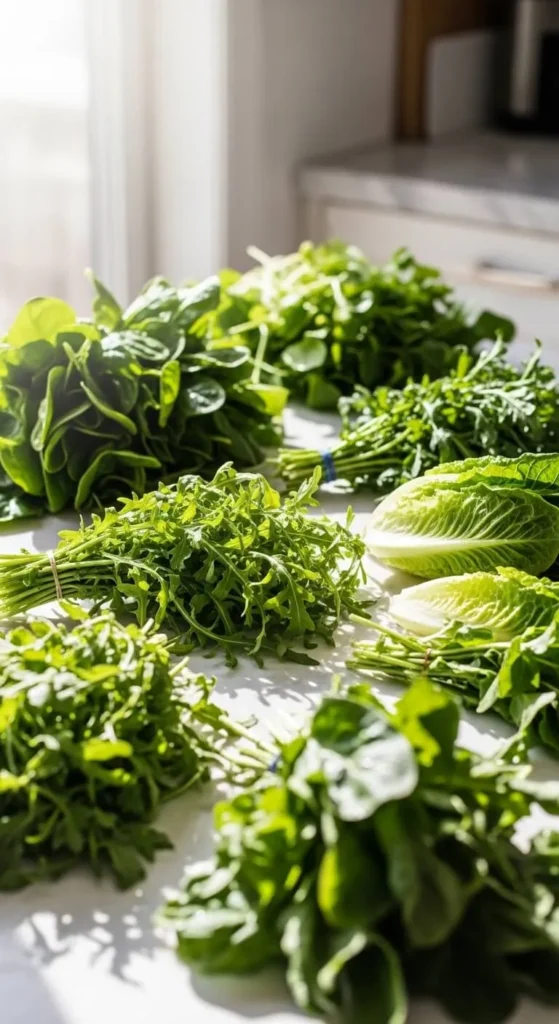
Understand Which Spring Greens Benefit From Cooking
Not all greens need heat. Some taste best raw, while others improve with a quick cook.
Greens that are great raw:
- Butter lettuce
- Baby spinach
- Arugula
- Mixed spring greens
Greens that improve with light cooking:
- Kale
- Swiss chard
- Mustard greens
- Beet greens
Light cooking softens texture and removes harshness without losing freshness. The key is short cooking times.
Wash and Prep Greens the Right Way
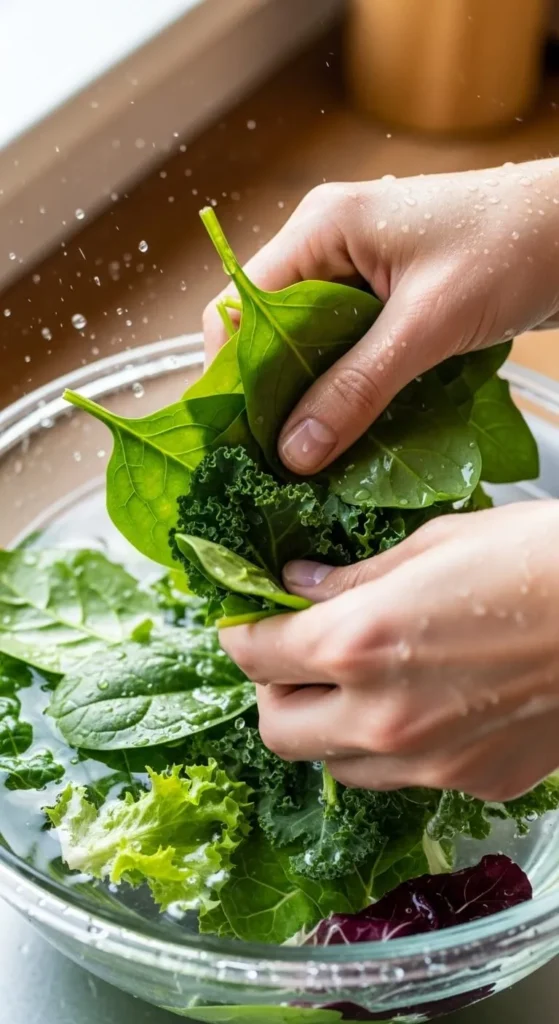
Clean greens properly before any cooking. Dirt hides in stems and folds, especially in spring varieties.
Steps to prep:
- Separate leaves from thick stems
- Rinse in a large bowl of cold water
- Lift leaves out instead of pouring water
- Pat dry or use a salad spinner
Tip: Dry greens well before cooking. Excess water causes steaming instead of quick softening.
Use Quick Heat Methods Only
Spring greens respond best to fast cooking methods that keep color and structure.
Best methods:
- Quick sauté
- Light blanching
- Gentle steaming
Avoid long boiling or slow cooking. Greens should stay vibrant, not dull.
Quick Sauté Method
- Heat pan over medium heat
- Add olive oil
- Add greens and cook 30 to 90 seconds
- Remove once just wilted
This method works well for kale, chard, and mustard greens.
Blanch Greens for Tender Salads
Blanching is ideal when you want soft greens that still feel fresh.
How to blanch:
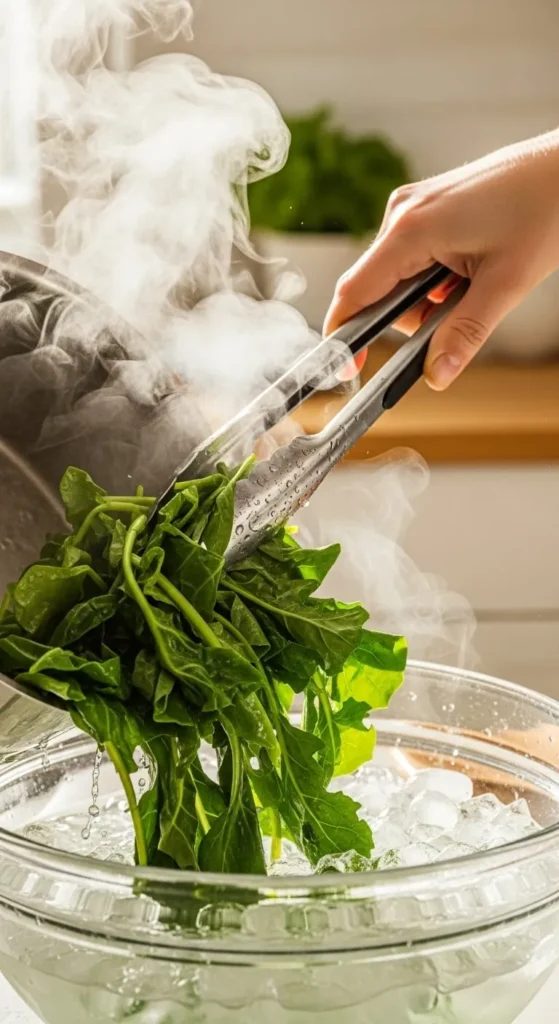
- Bring salted water to a boil
- Add greens for 20–40 seconds
- Transfer immediately to ice water
- Drain and gently squeeze excess water
Blanching:
- Softens texture
- Reduces bitterness
- Preserves bright green color
Blanched greens work well in salads with grains, beans, or creamy dressings.
Season While Greens Are Still Warm
Warm greens absorb flavor better than cold ones. This step makes salads taste balanced instead of flat.
Season with:
- Olive oil
- Lemon juice or vinegar
- Salt and pepper
Add seasoning right after cooking, then let greens cool slightly before building the salad.
Tip: Acid is important. Lemon or vinegar brightens cooked greens and keeps them fresh-tasting.
Build the Salad With Texture Contrast
Cooked greens should not be the only element in the salad. Contrast keeps it interesting.
Add:
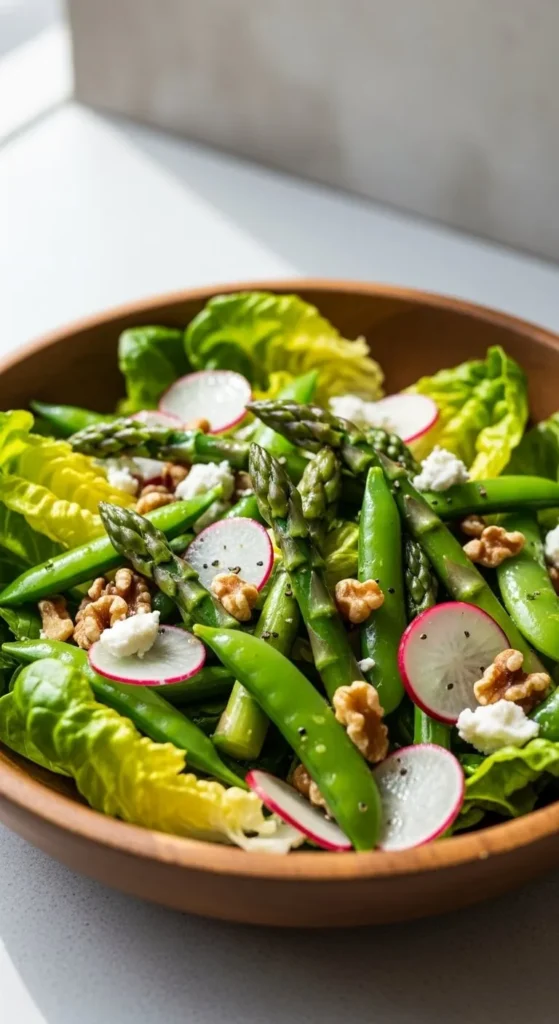
- Raw greens for crunch
- Nuts or seeds
- Fresh vegetables like radish or cucumber
- Cheese such as feta or shaved parmesan
This mix keeps salads light while still satisfying.
Choose Dressings That Match Spring Greens
Heavy dressings hide the flavor of greens. Keep dressings simple and light.
Good options:
- Lemon vinaigrette
- Olive oil and vinegar
- Yogurt-based dressing
- Honey mustard in small amounts
Basic lemon dressing:
- 3 tbsp olive oil
- 1 tbsp lemon juice
- Salt and pepper
Whisk and toss gently with the salad.
Common Mistakes to Avoid
Small mistakes can ruin spring greens quickly.
Avoid:
- Overcooking
- Skipping seasoning
- Using heavy sauces
- Adding hot greens directly to delicate lettuce
Let cooked greens cool slightly before mixing with raw ingredients. This keeps everything fresh.
Easy Spring Salad Ideas Using Cooked Greens
Once you understand the technique, mixing flavors becomes easy.
Try:
- Blanched kale with lemon, chickpeas, and feta
- Sautéed chard with raw spinach and nuts
- Lightly cooked mustard greens with grains and herbs
These salads work as sides or light meals.
Final Takeaway
Cooking spring greens for fresh salads is about restraint. A little heat, quick seasoning, and thoughtful pairing turn simple leaves into something special. Keep it light, keep it fast, and let the greens shine.
Save this guide for later and enjoy building fresh spring salads that taste as good as they look 🌿

Hannah Collins is a passionate home cook and food storyteller who believes every recipe tells a little love story. At TastyWriter, she shares simple, delicious recipes made for real kitchens and busy days — from cozy comfort dishes to creative new favorites. When she’s not cooking, you’ll find her photographing food, testing family recipes, or sipping tea while dreaming up her next tasty idea.
Leave a Reply