

Spring seafood is delicate, fresh, and full of flavor—but it can go from perfect to rubbery in seconds. If you’ve ever pulled shrimp off the pan too late or wondered why your fish flakes turned dry, you’re not alone. The good news? Overcooking seafood is easy to avoid once you know a few simple rules. This guide breaks it down step by step so you can cook spring seafood with confidence and keep every bite tender and juicy.
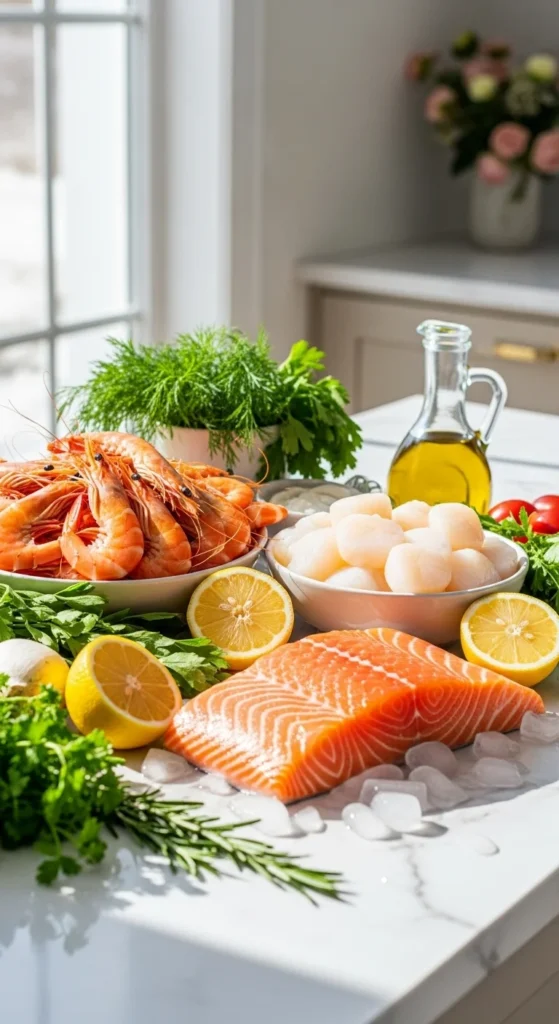
Choose Fresh Spring Seafood First
Great cooking starts before the stove is even on. Fresh seafood cooks more evenly and gives you a wider margin for error.
When shopping, look for:
- Fish fillets that are firm, glossy, and smell clean, not fishy
- Shrimp that are translucent and springy, never mushy
- Scallops that look slightly moist but not sitting in milky liquid
Spring favorites that are especially forgiving:
- Salmon
- Sea bass
- Trout
- Shrimp
- Scallops
Thicker cuts hold moisture better, which helps prevent overcooking.
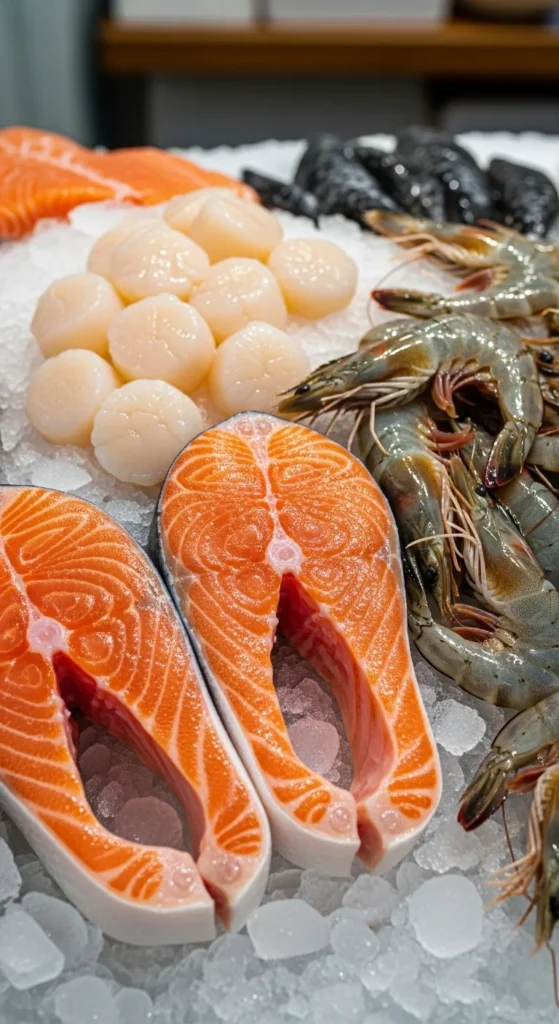
Understand Why Seafood Overcooks So Fast
Seafood cooks quicker than meat because it has:
- Less connective tissue
- Lower fat content
- More delicate muscle fibers
That means heat works fast—and keeps working even after you remove it from the pan.
Key rule to remember:
Seafood continues cooking from residual heat. Always pull it off the heat just before it looks done.
If it looks perfect in the pan, it’s already too late.
Prep Simply and Skip Heavy Marinades
Spring seafood shines with light seasoning. Heavy marinades or sugary sauces increase the risk of burning and overcooking.
Stick to:
- Olive oil or butter
- Salt and freshly cracked pepper
- Lemon zest or juice
- Fresh herbs like dill, parsley, or thyme
Prep tips that matter:
- Pat seafood dry before cooking
- Season right before it hits the pan
- Bring fish to room temperature for 10 minutes for even cooking
Less prep equals more control.
Use the Right Cooking Method for Each Type
Different seafood needs different heat levels. Matching the method to the ingredient is the fastest way to avoid overcooking.
For Fish Fillets
Best methods:
- Pan-searing
- Baking at high heat
- Grilling over medium heat
Cook time guideline:
- About 8–10 minutes per inch of thickness
The fish is done when it flakes easily and turns opaque.
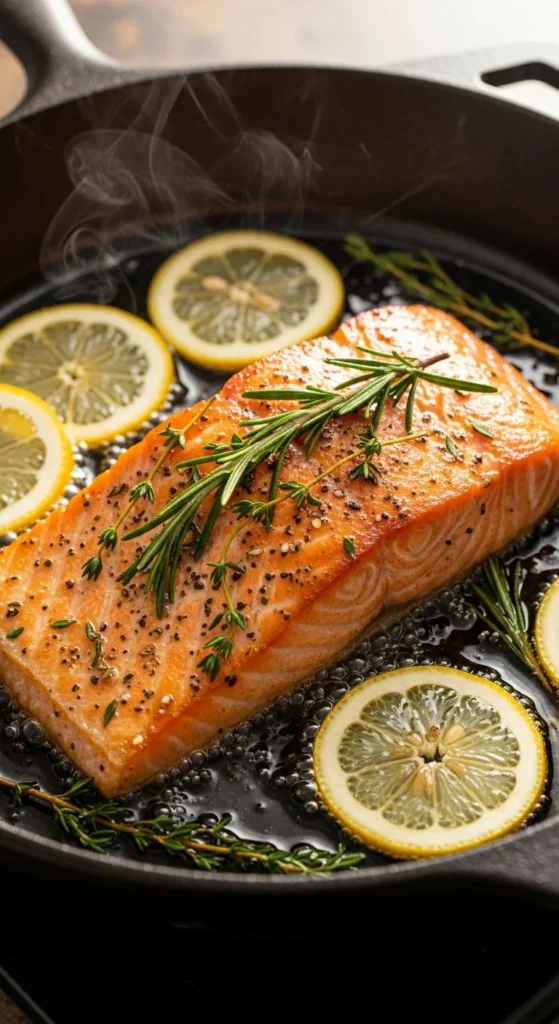
For Shrimp
Best methods:
- Quick sauté
- Grill skewers
- Broil
Cook time:
- 2–3 minutes per side
Shrimp are done when they turn pink and curl into a loose “C” shape. Tight curls mean overcooked.
For Scallops
Best methods:
- High-heat pan sear
Cook time:
- 1½–2 minutes per side
Look for a golden crust and a slightly translucent center.
Watch Visual Cues, Not the Clock
Timers help, but seafood tells you when it’s ready—if you know what to watch for.
Signs your seafood is perfectly cooked:
- Fish turns opaque but still looks moist
- Shrimp are pink with a slight curve
- Scallops feel firm but springy when pressed
Avoid:
- Dry edges
- Excessive bubbling
- White protein seeping heavily from fish
If in doubt, take it off early. You can always add heat, but you can’t undo it.
Let Seafood Rest (Yes, Even Fish)
Resting isn’t just for steak. Letting seafood sit for 1–2 minutes allows juices to redistribute and finishes gentle carryover cooking.
How to rest properly:
- Remove from heat
- Place on a warm plate
- Loosely tent with foil
This tiny step makes a noticeable difference in texture.
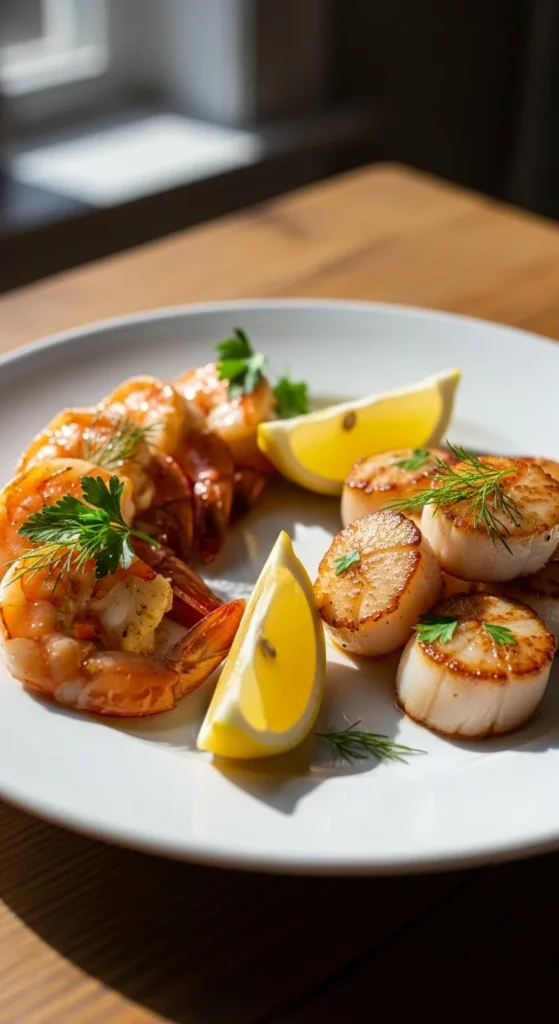
Finish With Light Spring Flavors
Once seafood is cooked, finishing touches should enhance—not mask—the flavor.
Try:
- A squeeze of lemon
- A drizzle of olive oil
- Fresh chopped herbs
- Flaky sea salt
Skip heavy cream sauces or thick glazes. Spring seafood is about freshness and balance.
Serve with:
- Roasted spring vegetables
- Light salads
- Simple rice or couscous
Let the seafood be the star.
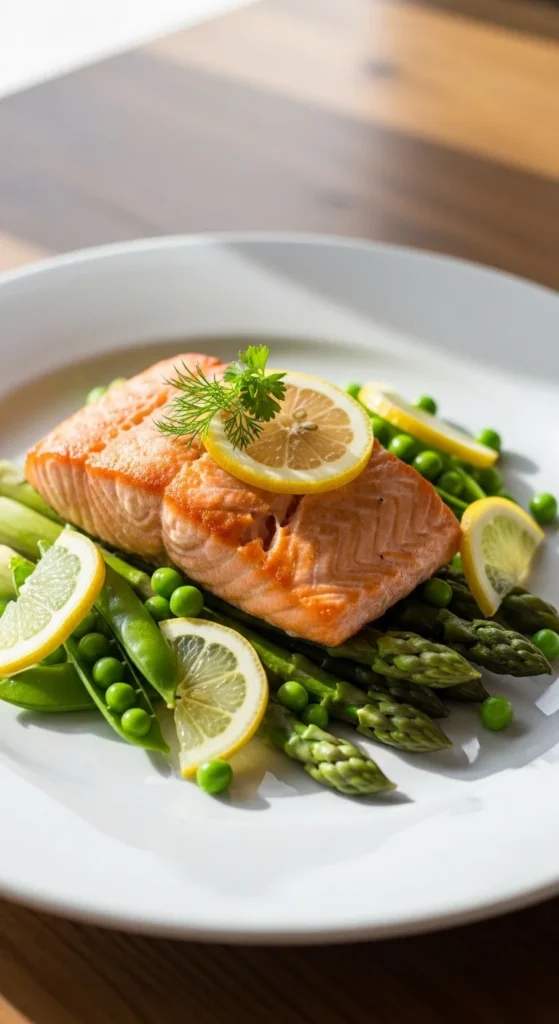
Final Takeaway
Cooking spring seafood without overcooking it isn’t about fancy techniques—it’s about attention. Start with fresh ingredients, keep seasoning light, use the right heat, and trust visual cues over the clock. Pull seafood off the heat early, let it rest, and finish simply.
Once you cook seafood this way, dry fish and rubbery shrimp become a thing of the past.
Save this guide for later—and enjoy stress-free spring seafood all season long.

Hannah Collins is a passionate home cook and food storyteller who believes every recipe tells a little love story. At TastyWriter, she shares simple, delicious recipes made for real kitchens and busy days — from cozy comfort dishes to creative new favorites. When she’s not cooking, you’ll find her photographing food, testing family recipes, or sipping tea while dreaming up her next tasty idea.
Leave a Reply