

Spring vegetables are bright, fresh, and full of flavor—but convincing kids to eat them can feel like a whole different season. The good news? With a few smart cooking tricks and kid-friendly twists, those green veggies don’t have to be a battle anymore. This guide shows you how to turn spring vegetables into meals your kids will actually look forward to.
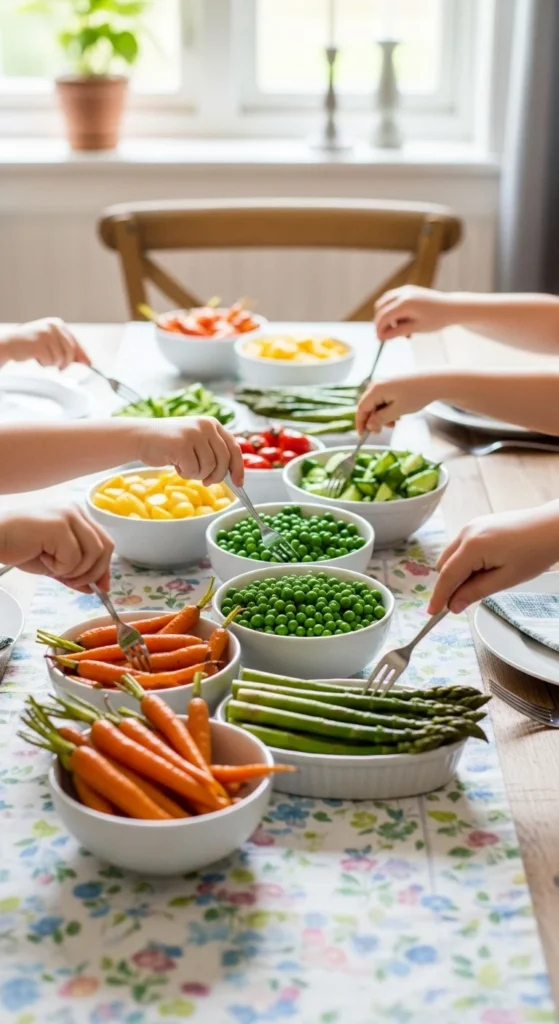
Start With Vegetables That Are Naturally Sweet
Not all vegetables are created equal in the eyes of a child. Some spring veggies are naturally sweeter and milder, which makes them much easier to introduce.
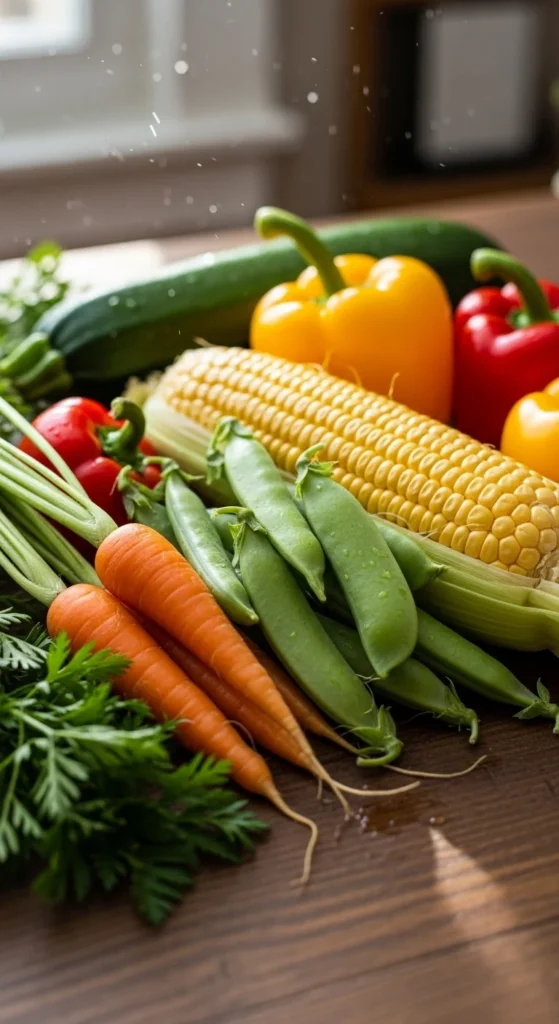
Great kid-approved spring vegetables:
- Carrots
- Sweet peas
- Corn
- Baby bell peppers
- Snap peas
- Zucchini
These vegetables don’t need heavy seasoning to taste good. Their natural sweetness does most of the work.
Tip: Skip bitter greens at first. You can add those later once kids feel more comfortable with veggies overall.
Roast, Don’t Boil (Texture Matters)
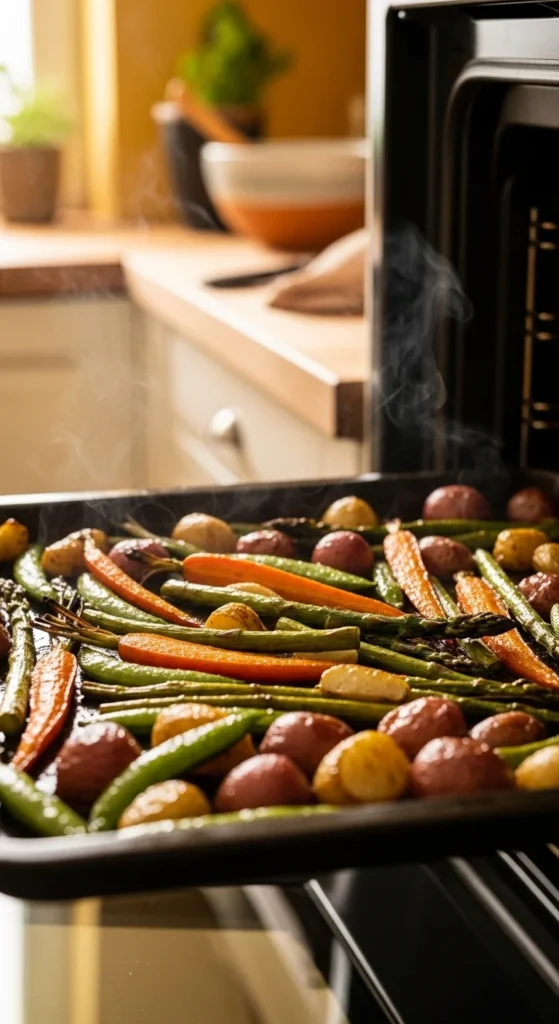
Boiled vegetables are often soft, watery, and bland—three things kids usually dislike. Roasting changes everything.
Roasting:
- Brings out natural sweetness
- Adds crispy edges
- Creates a familiar “snack-like” texture
Simple roasting steps:
- Cut vegetables into bite-size pieces
- Toss with olive oil and a pinch of salt
- Roast at 200°C (400°F) for 20–25 minutes
- Flip halfway for even browning
You’ll be surprised how carrots and peas suddenly taste like comfort food.
Add Familiar Flavors Kids Already Love
Vegetables don’t need to stand alone. Pair them with flavors kids already enjoy so they feel safe and familiar.
Try adding:
- Grated cheese or a light cheese sauce
- A drizzle of honey or maple syrup on carrots
- Butter and a squeeze of lemon
- Mild garlic or paprika
You’re not hiding the vegetables—you’re helping them shine.
Shortcut idea: Sprinkle a little parmesan over roasted veggies while they’re hot. It melts instantly and adds a savory flavor kids recognize.
Turn Veggies Into Fun Shapes and Finger Foods
Kids eat with their eyes first. The way vegetables look on the plate can make a big difference.
Easy presentation ideas:
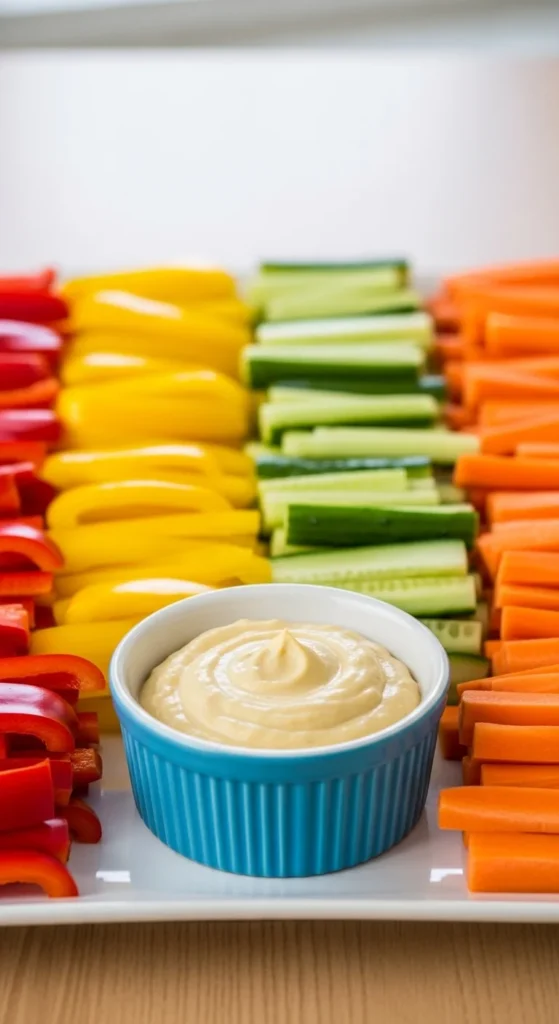
- Cut veggies into sticks, coins, or stars
- Serve with a dip like yogurt ranch or hummus
- Skewer vegetables on toothpicks or mini sticks
Finger foods feel less like “dinner” and more like play.
Mix Vegetables Into Dishes They Already Love
You don’t always need to serve vegetables on their own. Blending them into familiar meals can reduce resistance.
Kid-friendly meal ideas:
- Veggie-loaded quesadillas
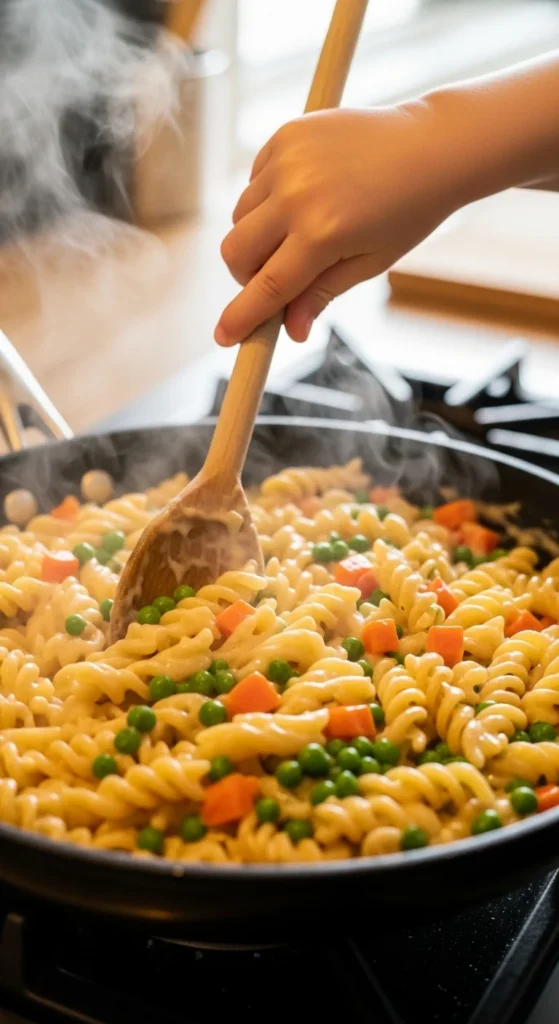
- Spring vegetable pasta with creamy sauce
- Fried rice with peas and carrots
- Mini vegetable muffins or fritters
Start small. Even a few bites count.
Pro tip: Let kids help stir or sprinkle toppings. Kids are more likely to eat food they helped make.
Use Simple Seasoning (Less Is More)
Strong spices can overwhelm young taste buds. Stick to light, simple seasoning that enhances rather than masks flavor.
Good seasoning options:
- Salt and butter
- Olive oil and lemon
- Mild herbs like parsley or basil
- A tiny pinch of garlic powder
Once kids get used to the taste of vegetables, you can slowly build flavor complexity.
Serve Vegetables First When Kids Are Hungriest
Timing matters more than you think. Offer vegetables when kids are most likely to eat.
Try this:
- Put veggies on the table while dinner finishes cooking
- Serve them as a pre-meal snack
- Offer veggies before bread or main dishes
Hunger lowers resistance. Suddenly, those snap peas disappear fast.
Keep It Pressure-Free and Positive
The fastest way to make kids hate vegetables is to force them. Instead, aim for calm exposure and patience.
Helpful mindset shifts:
- No pressure to finish the plate
- Praise trying, not finishing
- Keep offering vegetables even if they’re rejected
It can take many tries before a child accepts a new food. That’s normal.
Final Takeaway
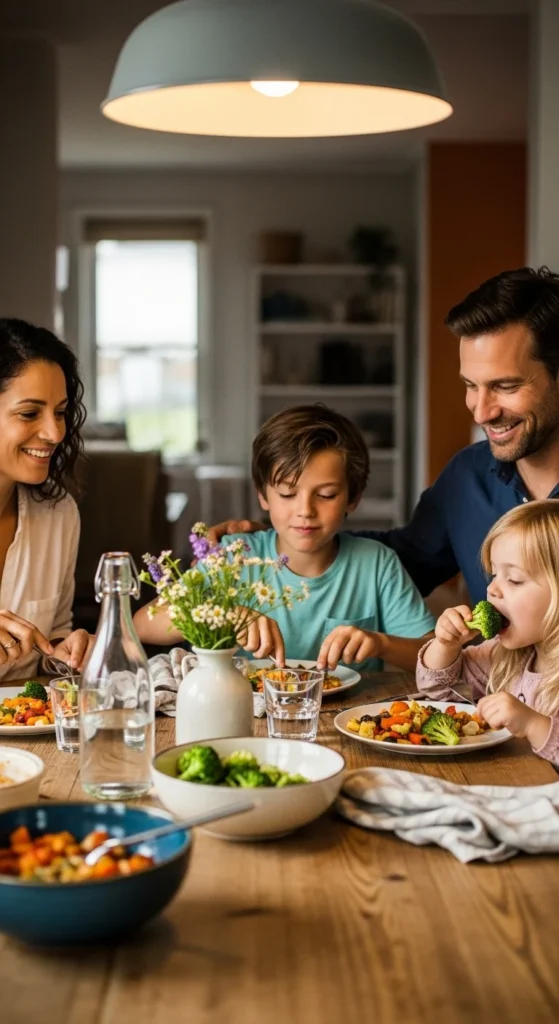
Cooking spring vegetables kids will actually eat isn’t about tricks—it’s about texture, flavor, and presentation. Roast instead of boil. Use familiar tastes. Make it fun. And most importantly, keep it stress-free.
Save this guide for later, and let spring vegetables finally earn a spot on your kid-approved menu
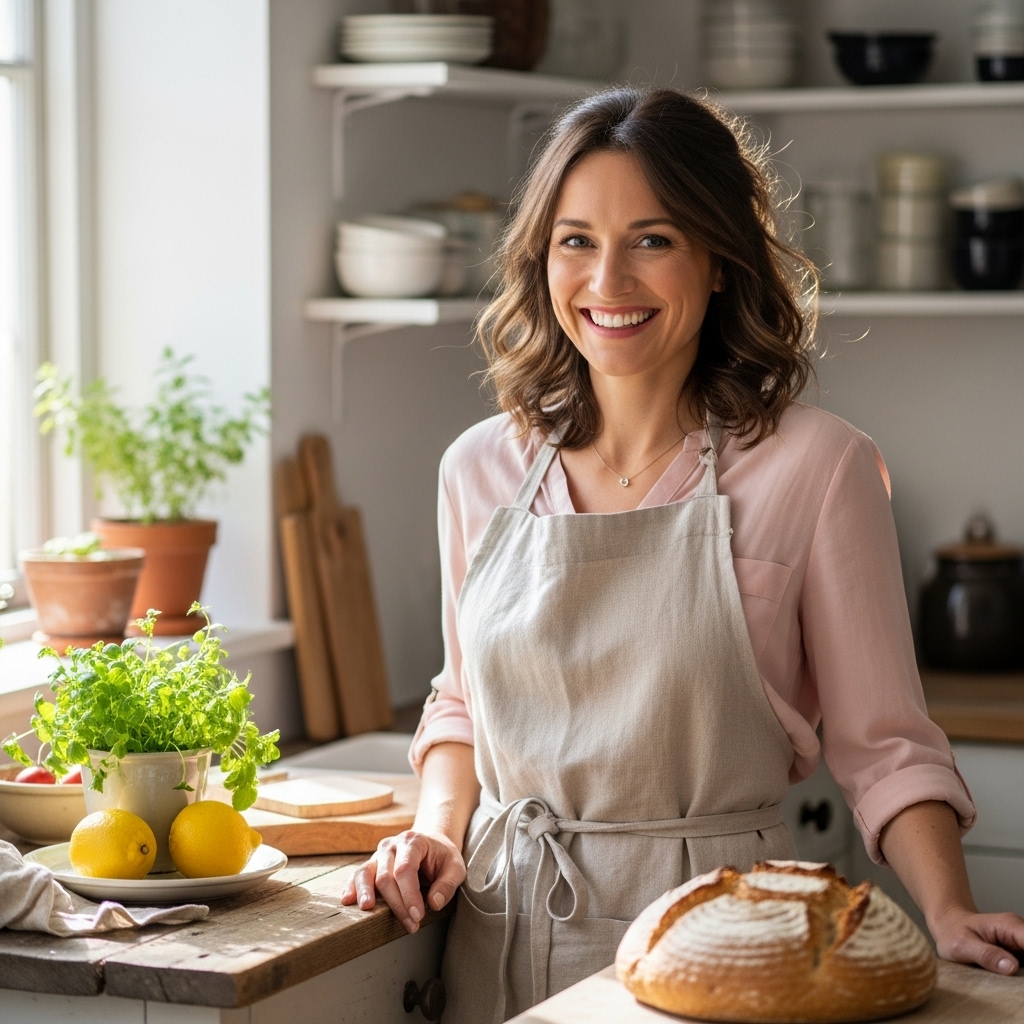
Hannah Collins is a passionate home cook and food storyteller who believes every recipe tells a little love story. At TastyWriter, she shares simple, delicious recipes made for real kitchens and busy days — from cozy comfort dishes to creative new favorites. When she’s not cooking, you’ll find her photographing food, testing family recipes, or sipping tea while dreaming up her next tasty idea.
Leave a Reply