

Spring vegetables are easy to love and easy to ruin. One extra minute in the pan and they lose color, texture, and charm. The trick is not adding more steps. It is knowing when to stop. When cooked simply, spring vegetables taste clean, bright, and satisfying without sauces or heavy seasoning.
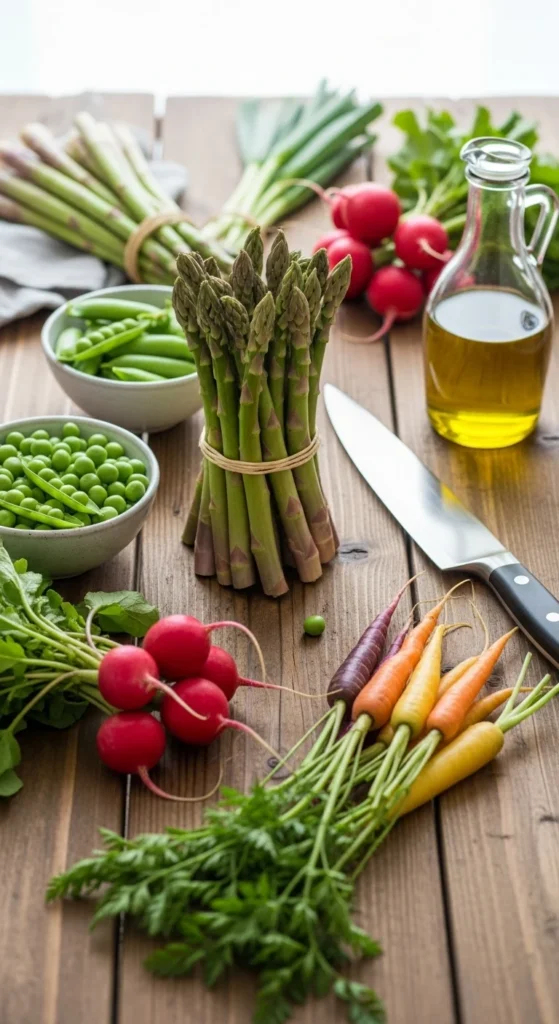
This guide breaks down how to cook spring vegetables with restraint. No complicated methods. No long ingredient lists. Just small choices that make a big difference.
Start by Letting the Vegetables Lead
Spring vegetables are naturally tender. They do not need much help.
Before cooking, ask one question.
What does this vegetable already do well?
- Asparagus stays crisp and grassy
- Peas taste sweet and soft
- Radishes bring crunch and bite
- Zucchini cooks fast and absorbs heat quickly
The more you respect those traits, the better the result. Avoid masking them with too many spices or sauces. Olive oil, salt, and heat are usually enough.
Use High Heat for Short Bursts
One common mistake is cooking spring vegetables slowly. That is how they turn dull and limp.
Instead:
- Heat the pan first
- Add oil once the pan is hot
- Add vegetables in a single layer
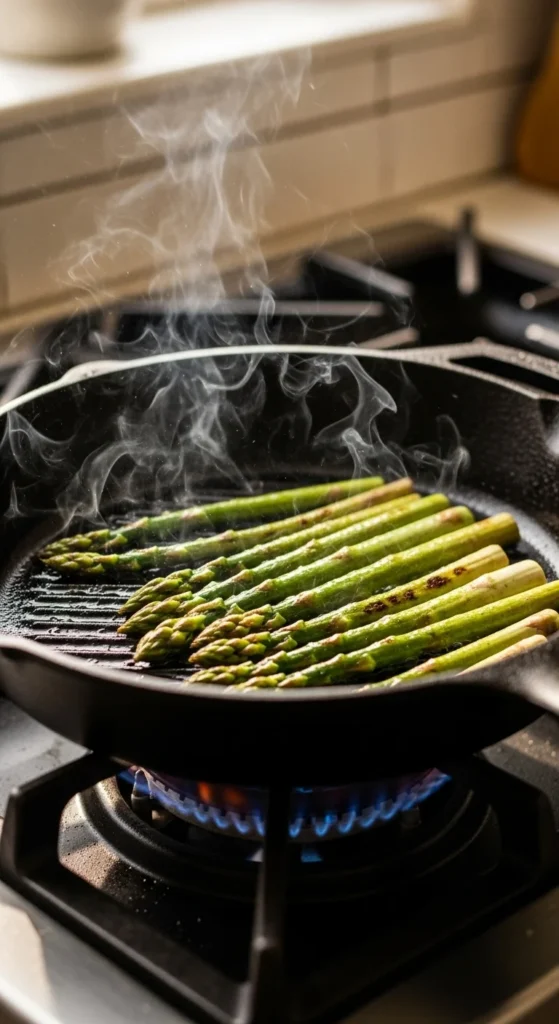
High heat helps vegetables brown lightly while staying crisp inside. Cook in short bursts. Stir once or twice. Remove from heat as soon as they soften slightly.
If you are unsure, pull them early. Residual heat keeps cooking even after they leave the pan.
Steam Only Until Just Tender
Steaming gets a bad reputation because people walk away from it. Timing matters.
To steam spring vegetables well:
- Use a shallow layer of water
- Cover the pot
- Check early
Most spring vegetables need only:
- 2–3 minutes for peas
- 3–4 minutes for asparagus
- 4–5 minutes for green beans
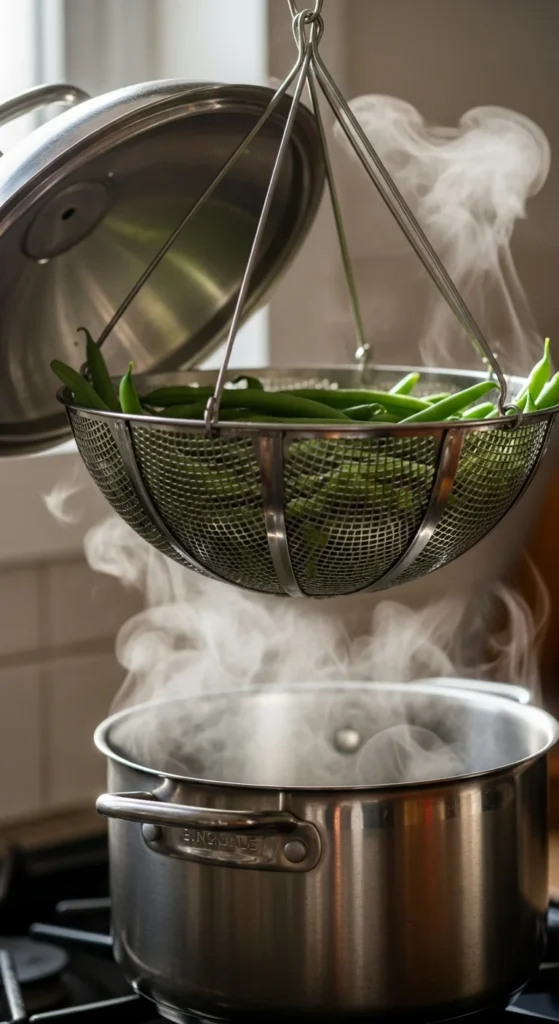
Once tender, remove immediately. Toss with olive oil or butter while hot. Season lightly. Steamed vegetables should still have a little resistance when bitten.
Roast Only the Sturdy Ones
Roasting works best for vegetables that can handle longer heat.
Good spring vegetables for roasting:
- Carrots
- Baby potatoes
- Broccoli
- Cauliflower
Cut them evenly so they cook at the same speed. Use a hot oven and space them out. Crowding leads to steaming instead of browning.
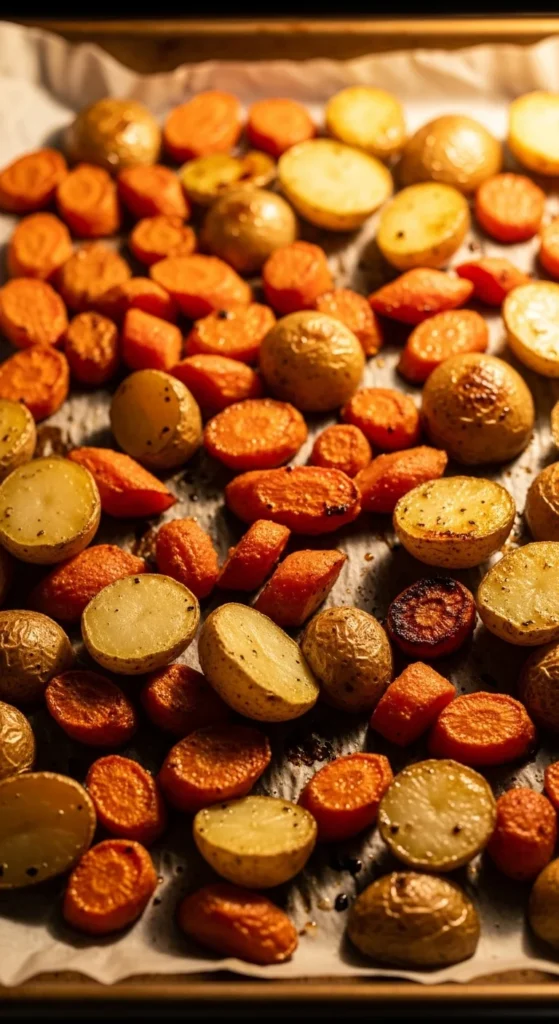
Skip sugary glazes. A little oil, salt, and maybe lemon at the end works better.
Add Flavor After Cooking, Not Before
Many spring vegetables lose flavor when heavily seasoned early.
Better timing:
- Cook vegetables plain or lightly salted
- Add acids after cooking
- Finish with herbs or cheese
Good finishing touches:
- Lemon juice or zest
- Vinegar splashes
- Fresh herbs
- A small handful of grated cheese
This approach keeps flavors sharp and clean instead of muted.
Do Not Mix Too Many Vegetables at Once
Another common mistake is cooking everything together.
Different vegetables cook at different speeds. Mixing them too early leads to uneven texture.
Instead:
- Cook vegetables separately
- Combine at the end if needed
This is especially helpful for stir-fries and sheet pan meals. It keeps each vegetable tasting like itself.
Simple Pairings That Always Work
When in doubt, pair one vegetable with one method.
Easy combinations:
- Asparagus + pan-sear
- Peas + quick steam
- Zucchini + fast sauté
- Radishes + raw or lightly roasted
Keeping it simple makes it easier to stop before overcooking.
Watch Color as Much as Texture
Color is a reliable signal.
If vegetables:
- Turn gray or dull, they went too far
- Lose brightness, heat stayed on too long
Spring vegetables should look alive on the plate. Bright color usually means better texture and taste.
Common Habits That Lead to Overdoing It
Avoid these pitfalls:
- Cooking from a cold pan
- Leaving vegetables unattended
- Adding sauces too early
- Using low heat for too long
Spring cooking rewards attention more than effort.
Final Takeaway
Cooking spring vegetables well is mostly about restraint. Short cooking times. Simple seasoning. Letting the ingredients speak. When you stop trying to do too much, vegetables stay crisp, colorful, and enjoyable.
Save this guide for later and let spring vegetables stay exactly how they are meant to be.
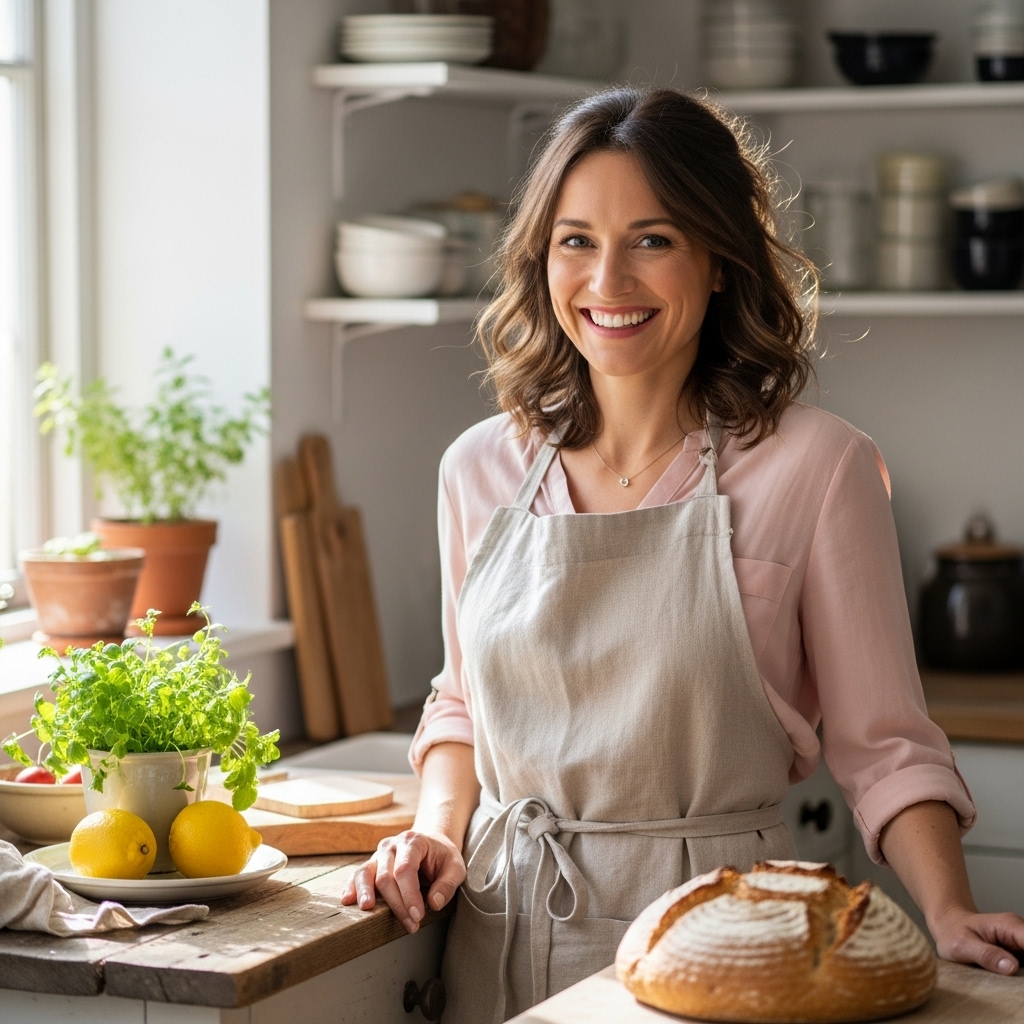
Hannah Collins is a passionate home cook and food storyteller who believes every recipe tells a little love story. At TastyWriter, she shares simple, delicious recipes made for real kitchens and busy days — from cozy comfort dishes to creative new favorites. When she’s not cooking, you’ll find her photographing food, testing family recipes, or sipping tea while dreaming up her next tasty idea.
Leave a Reply